

.webp)
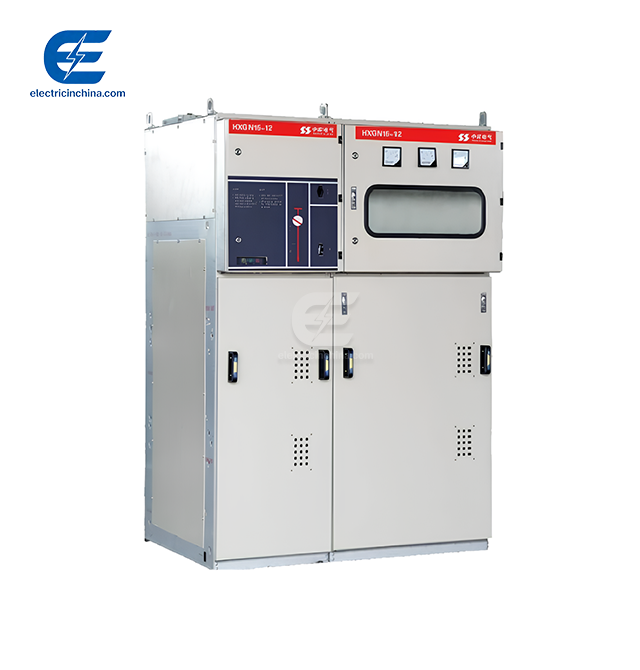
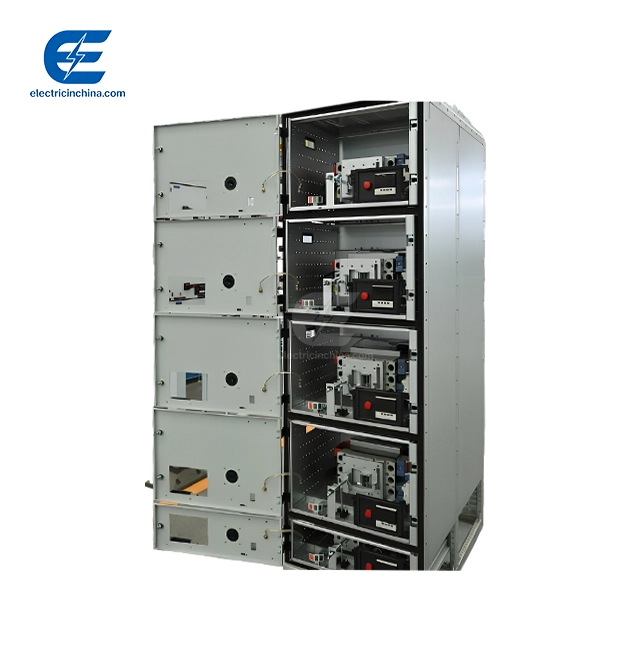
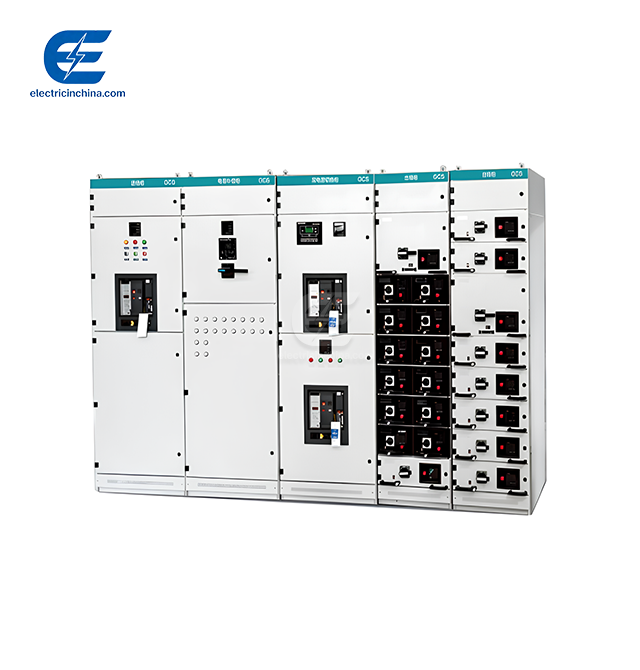
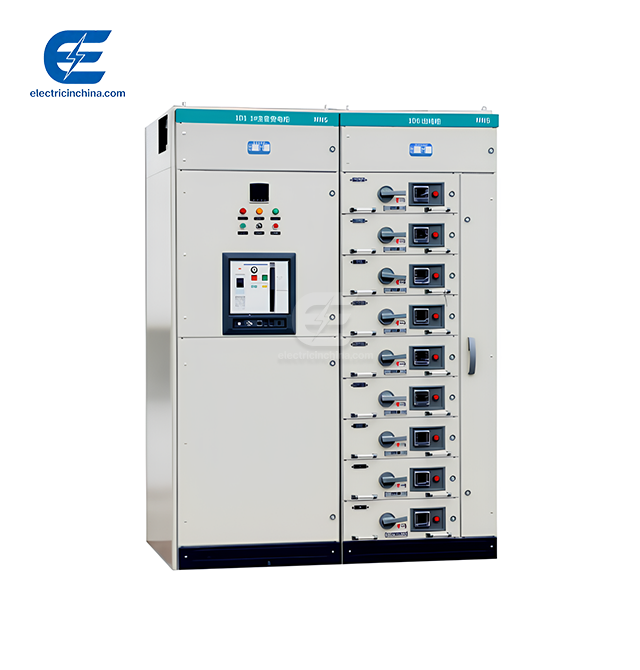
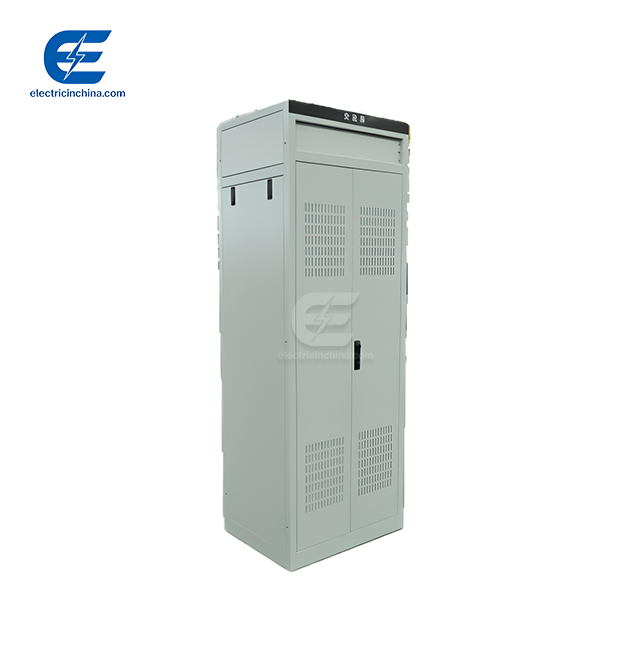
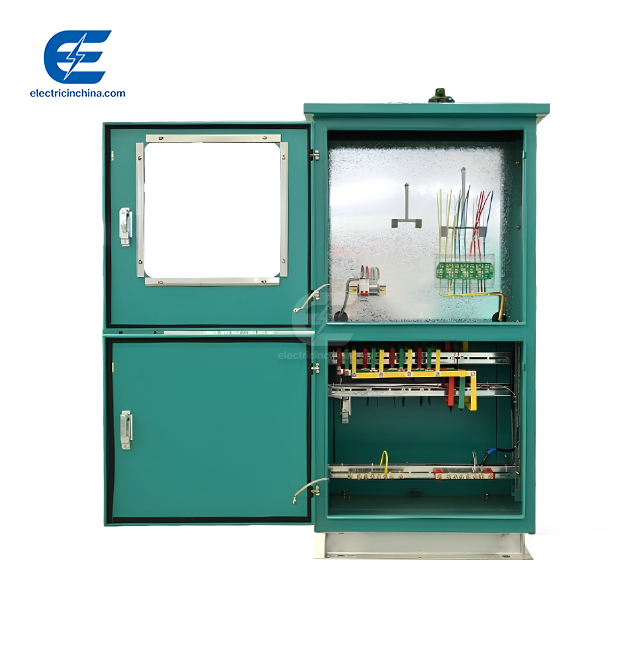
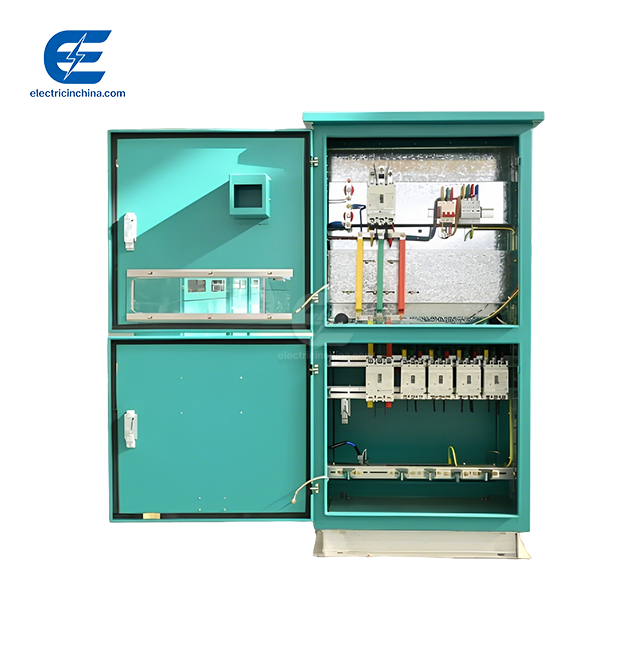
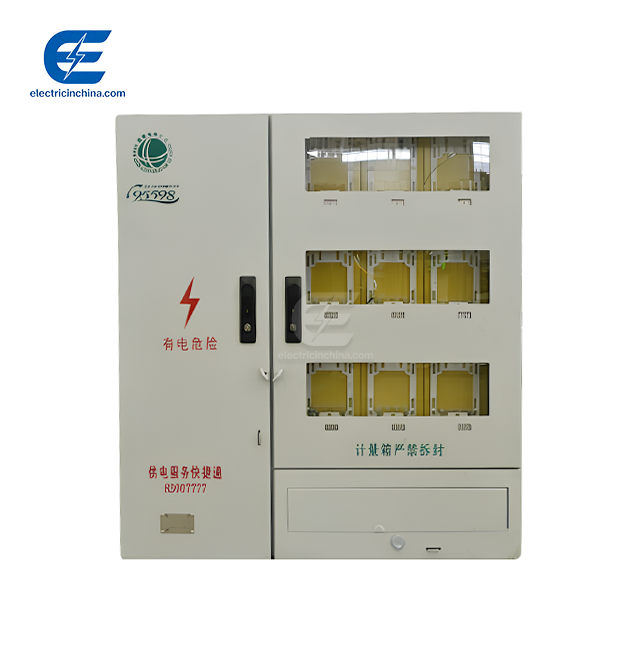
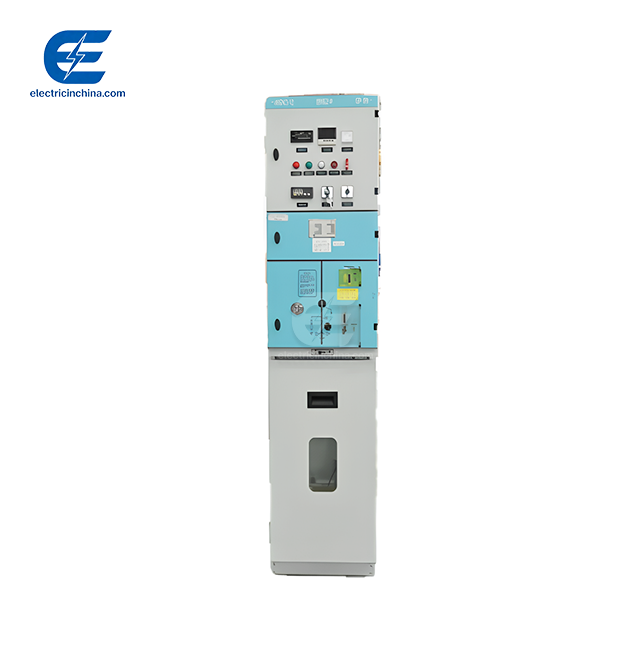
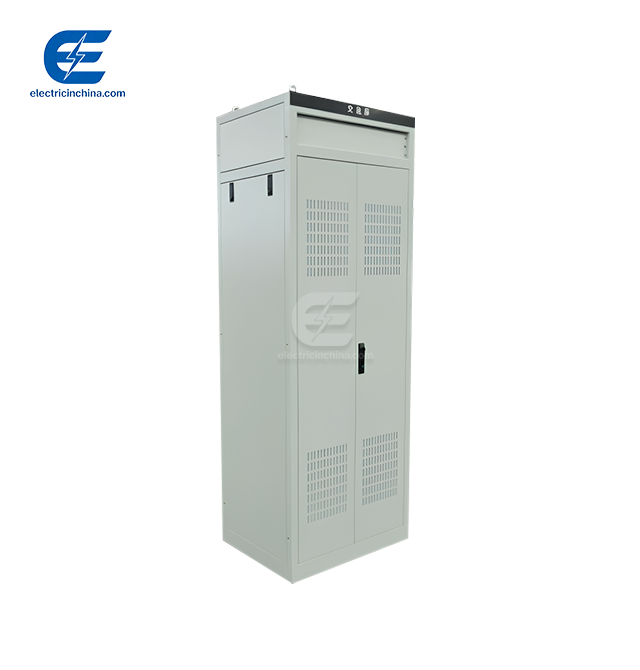
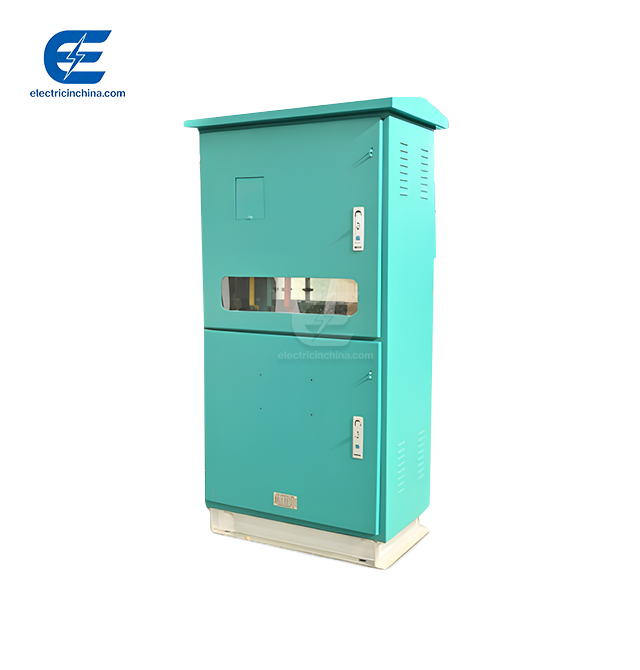
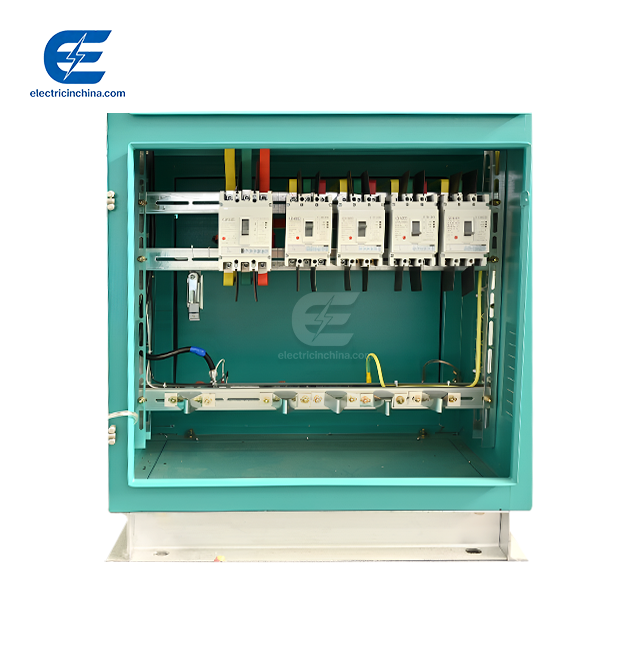
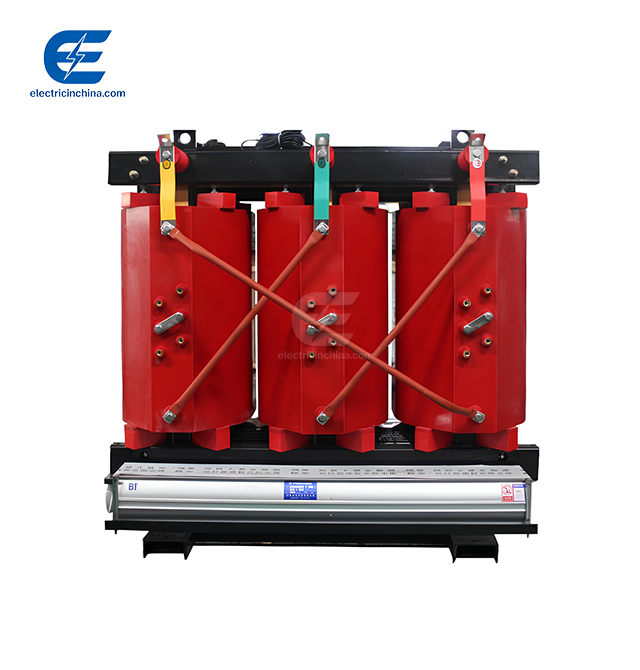
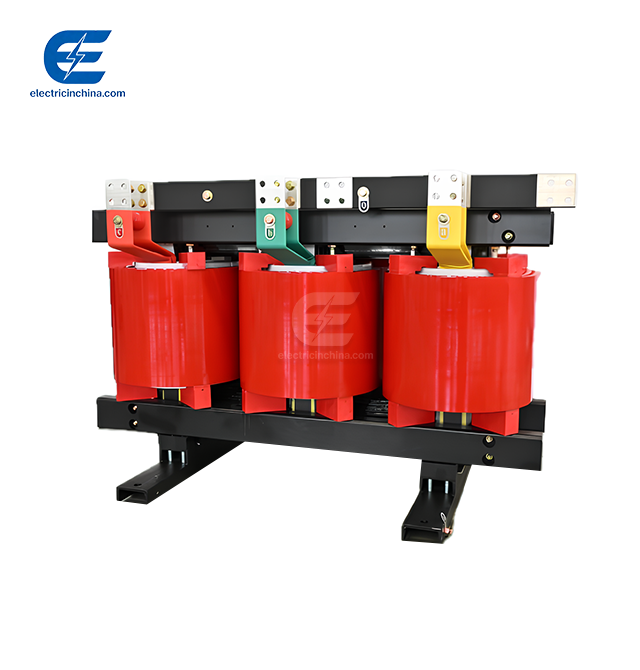
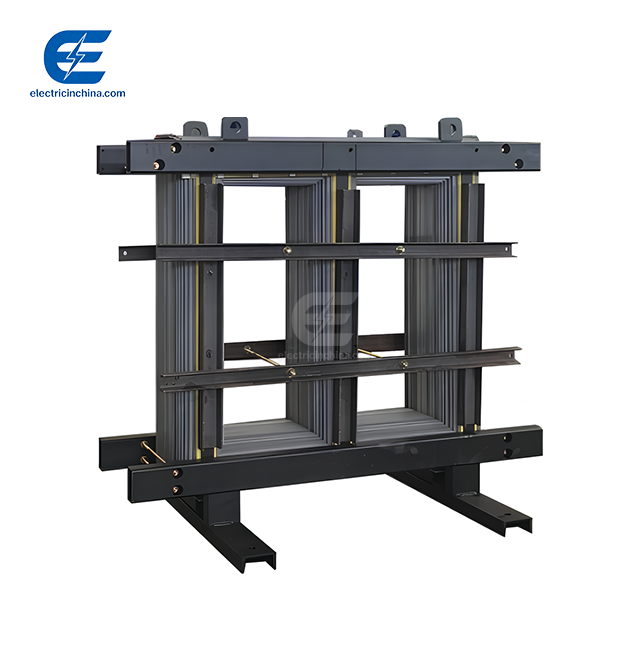
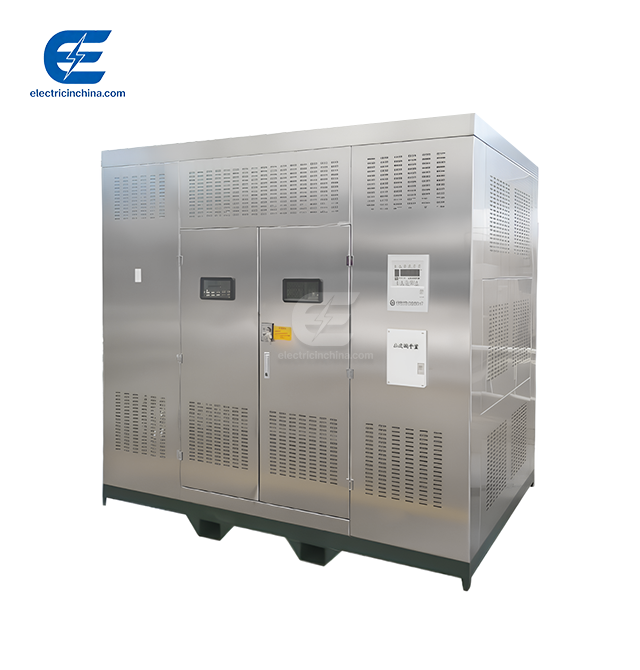
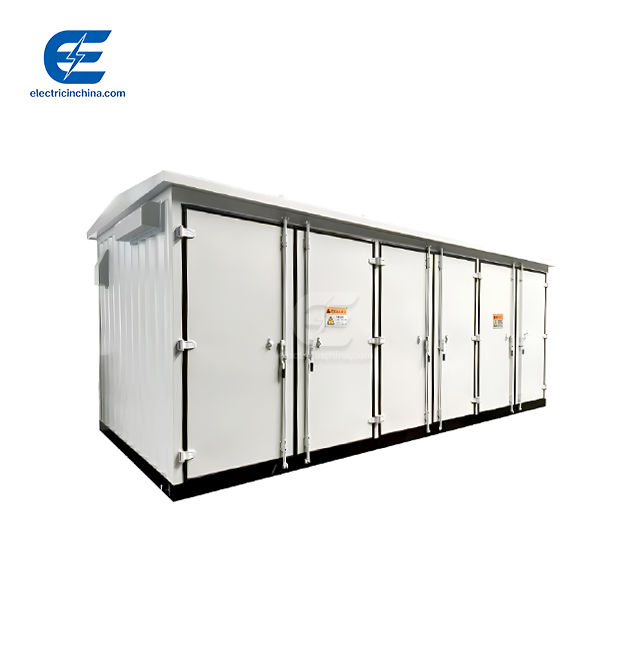
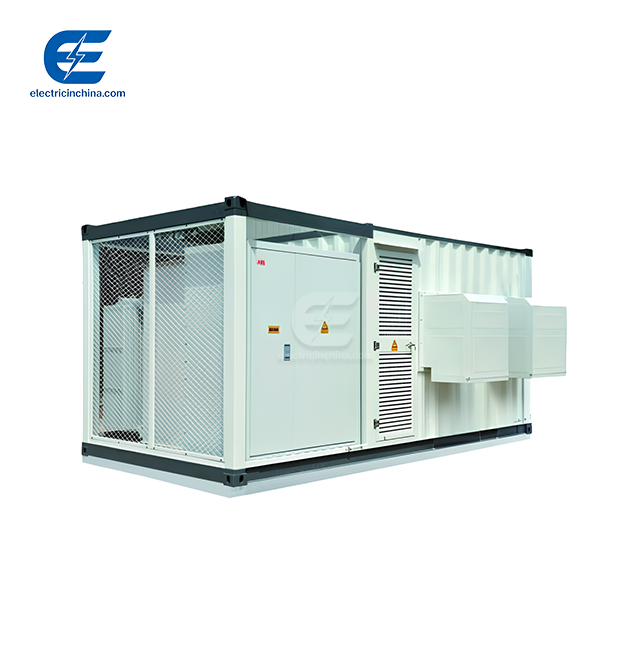
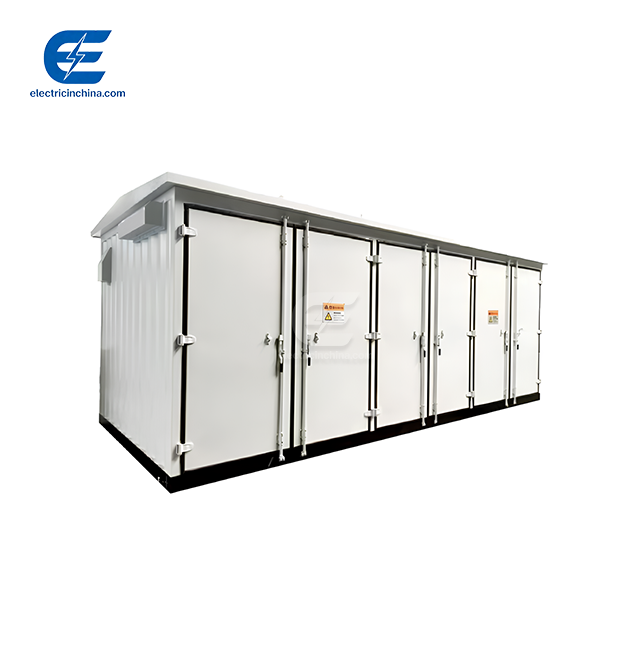
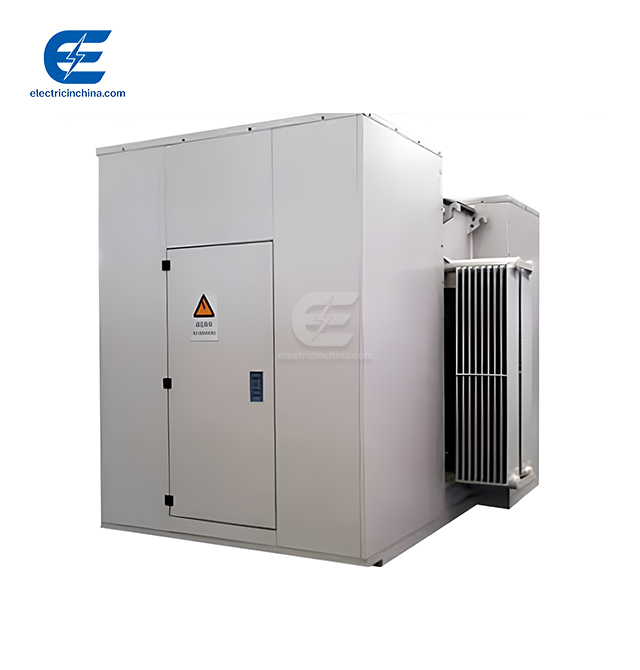
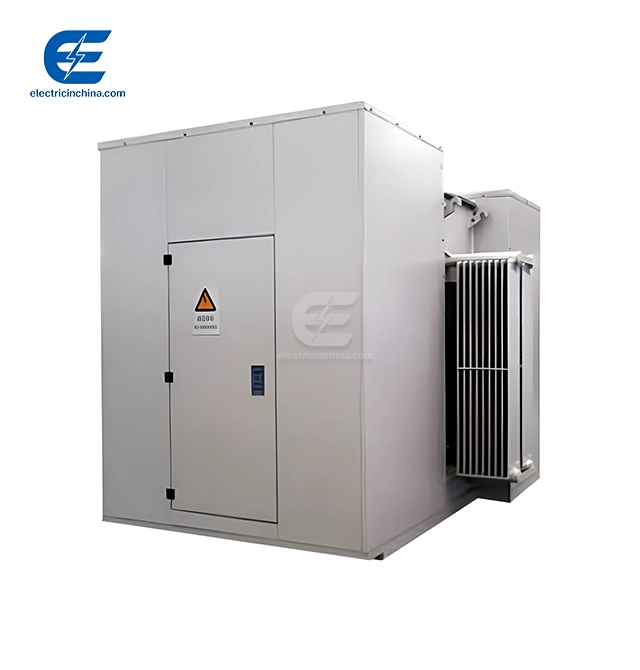
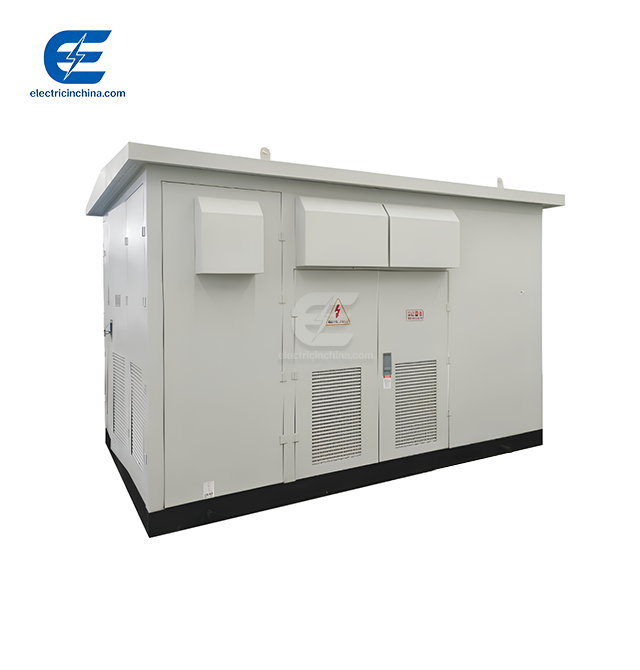
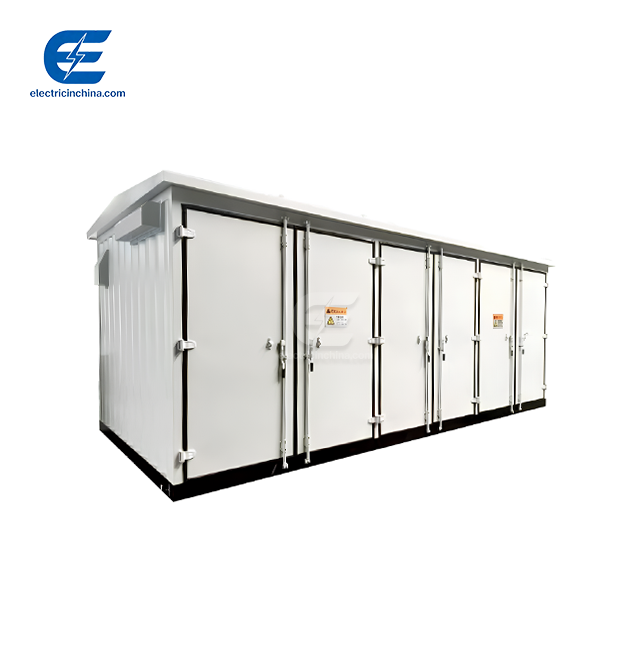
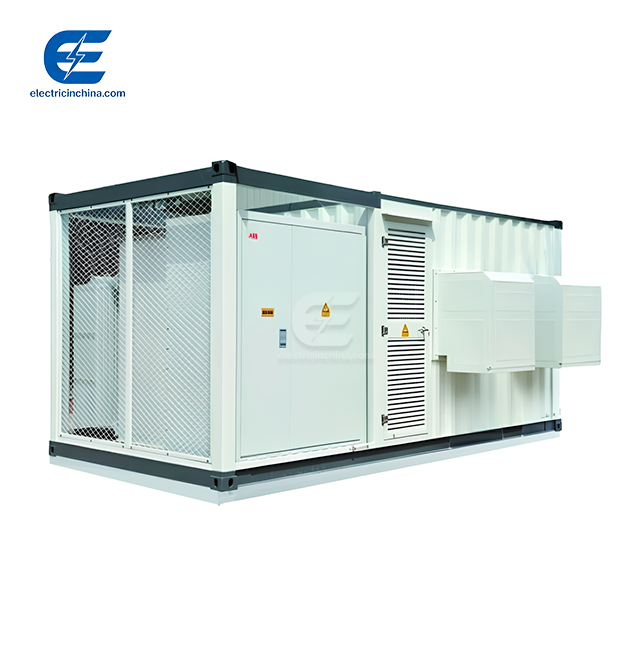
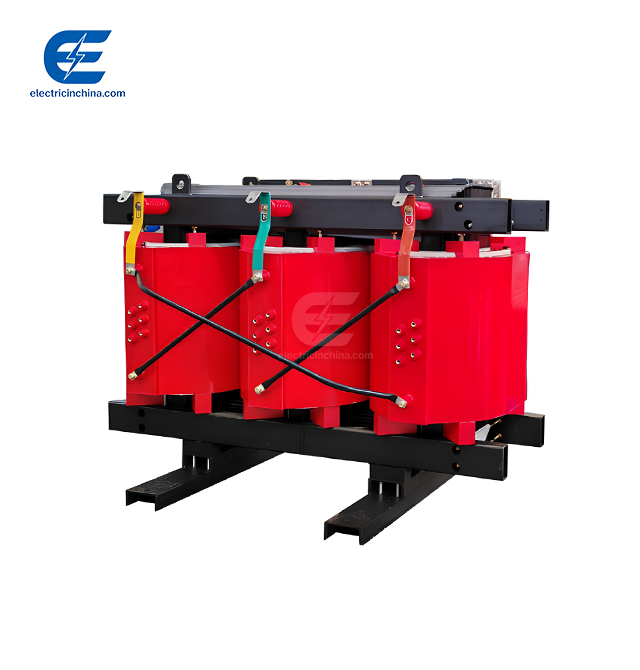
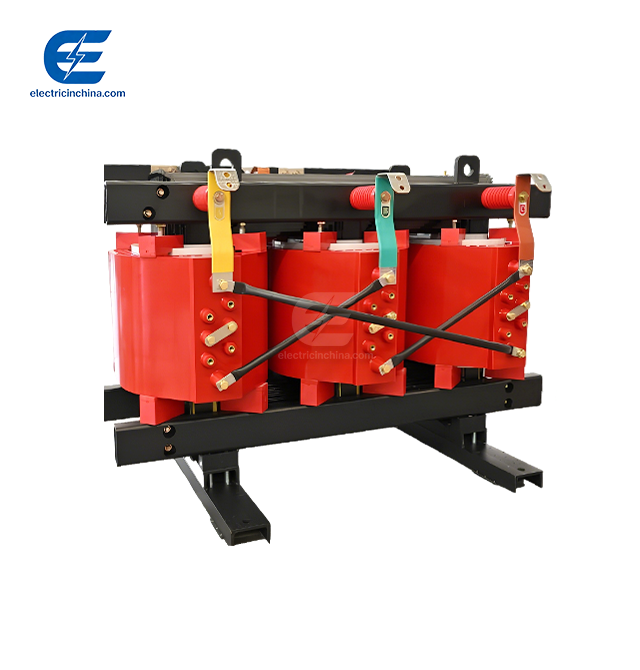
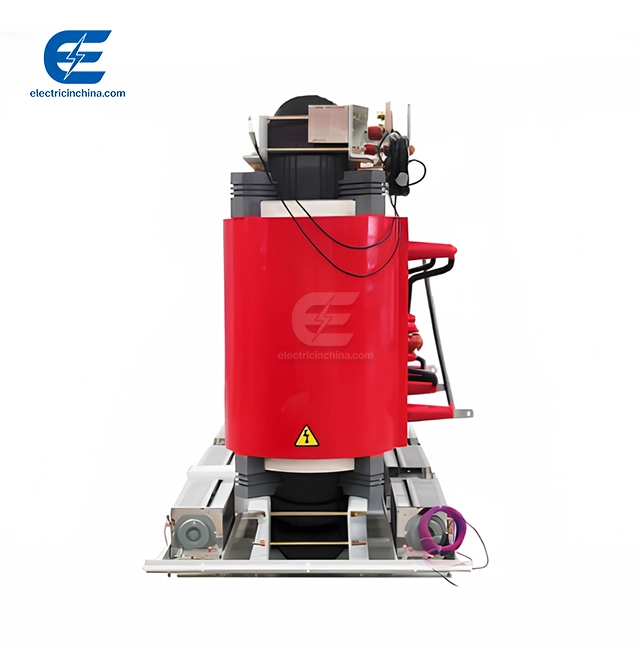
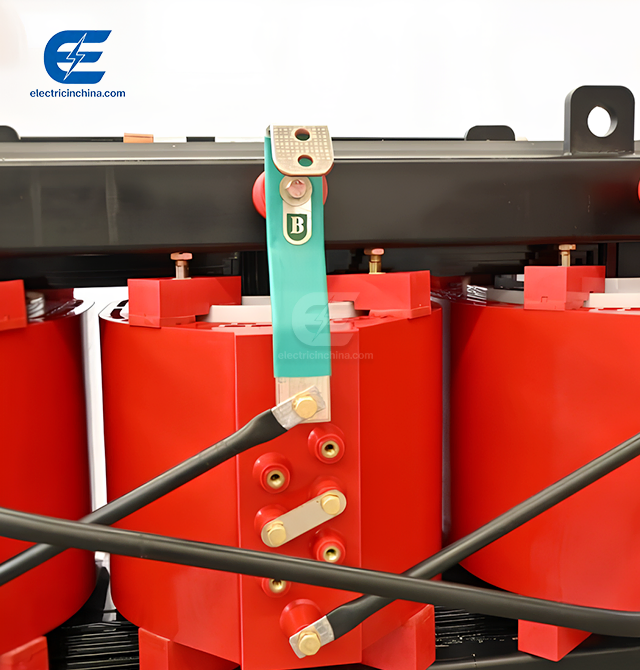
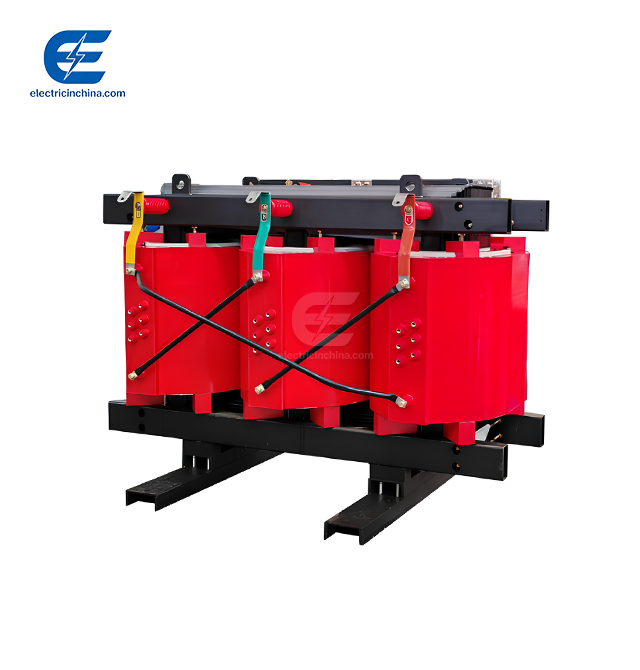
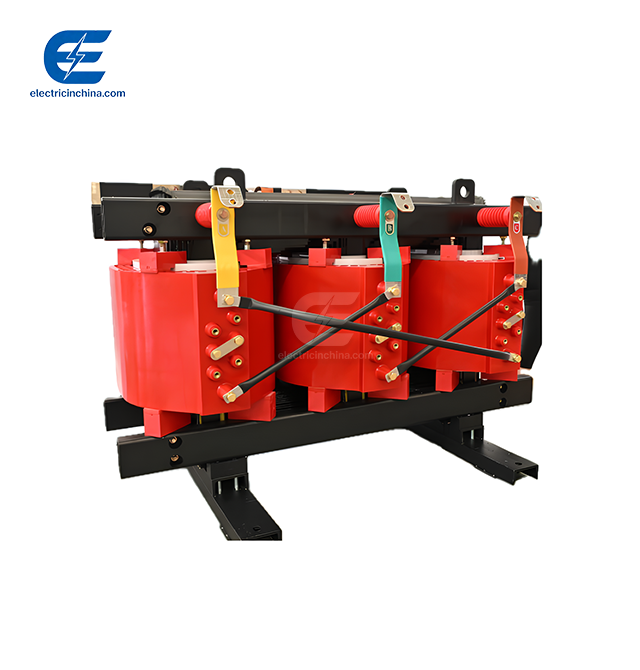
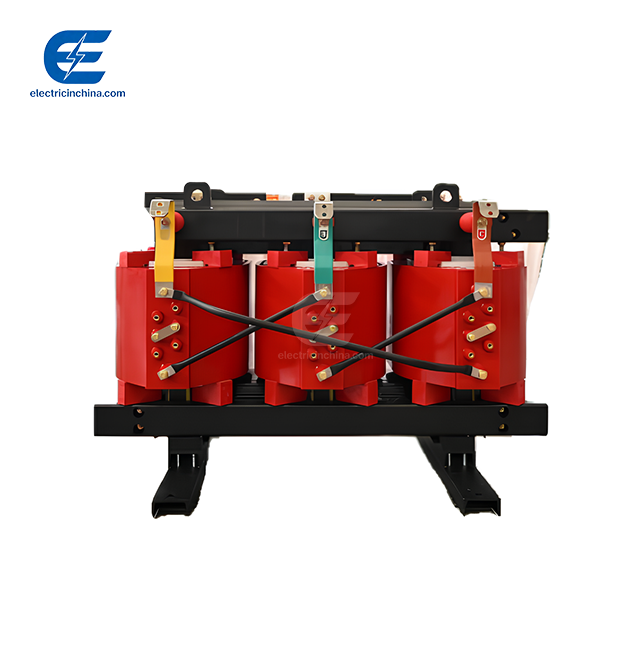
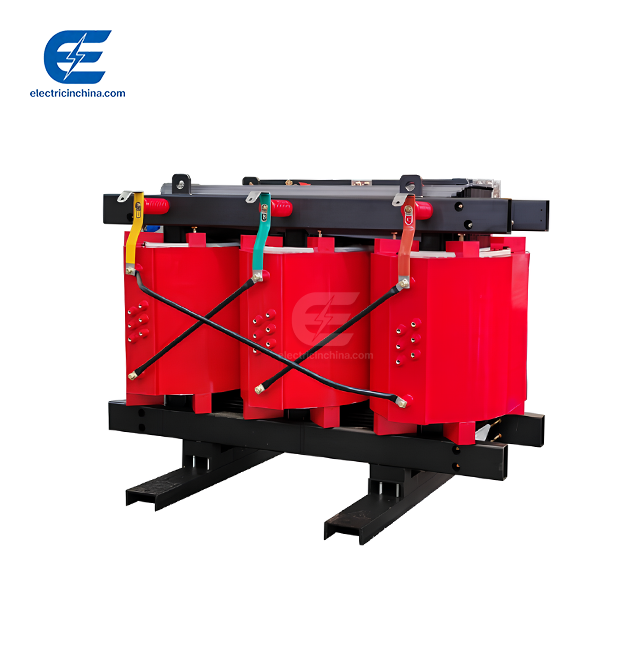
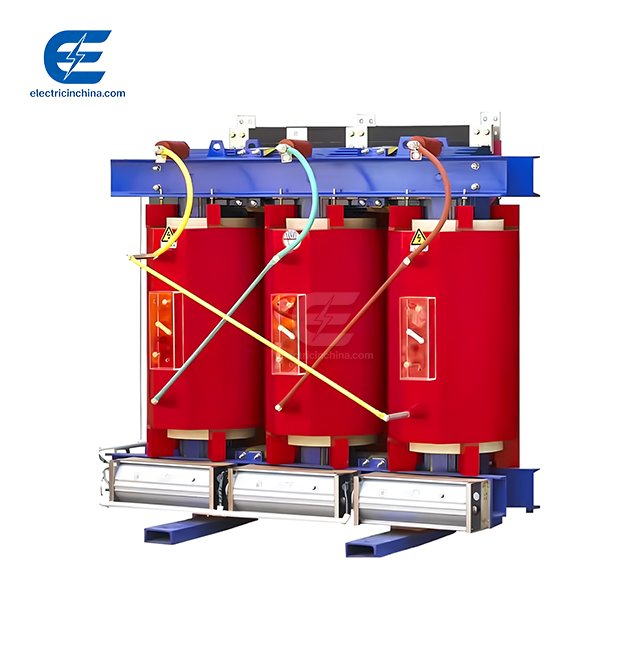
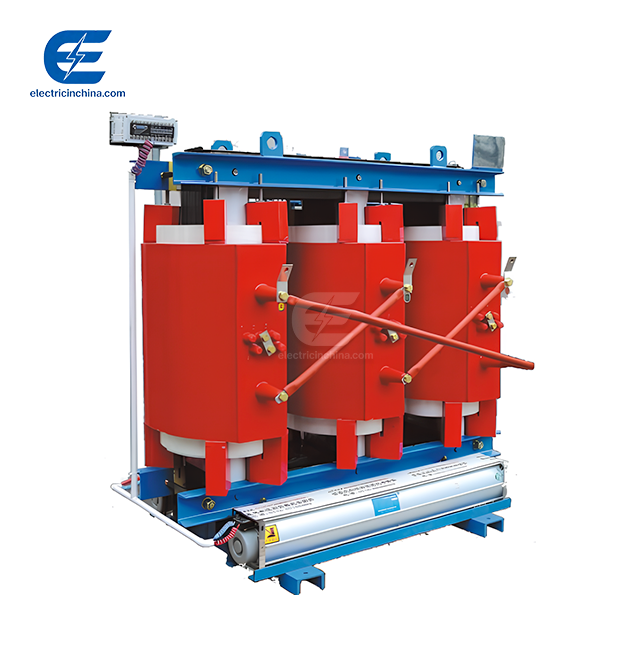
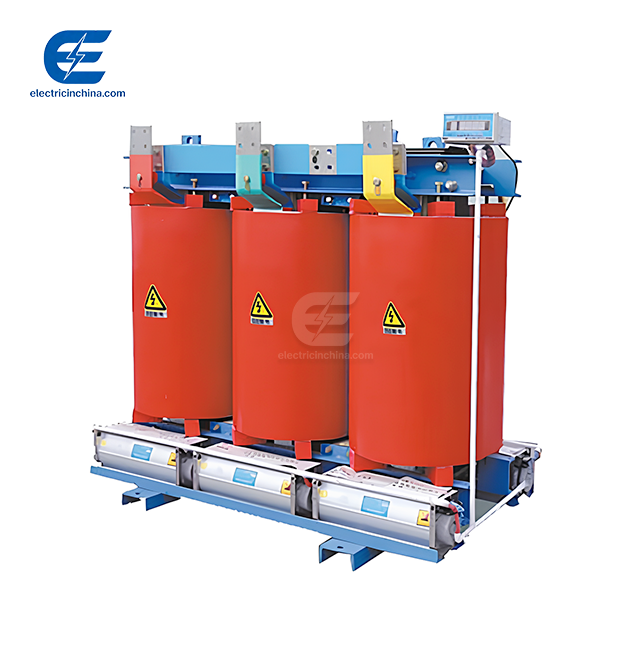
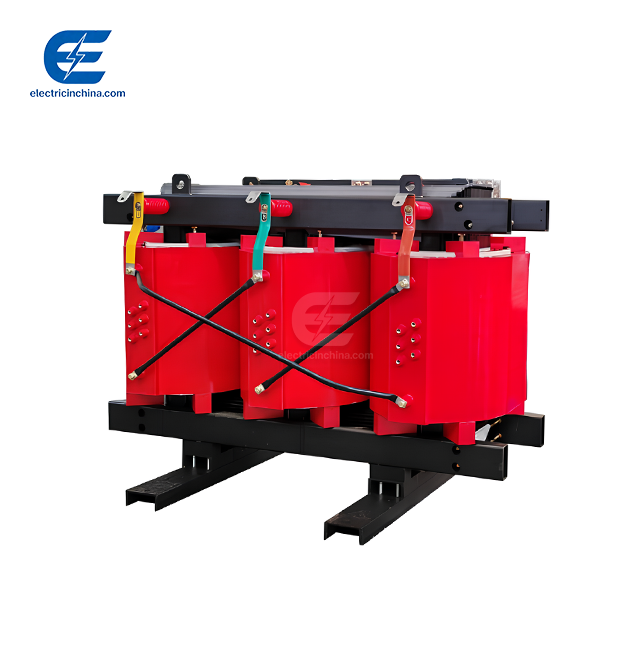
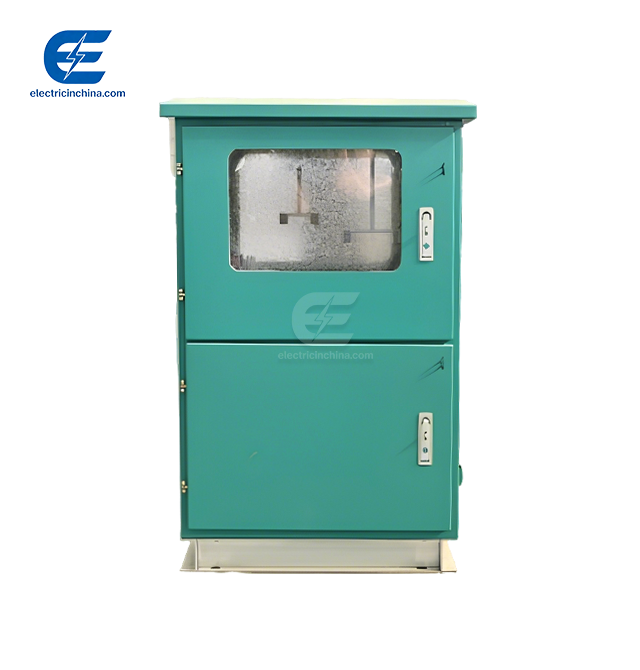
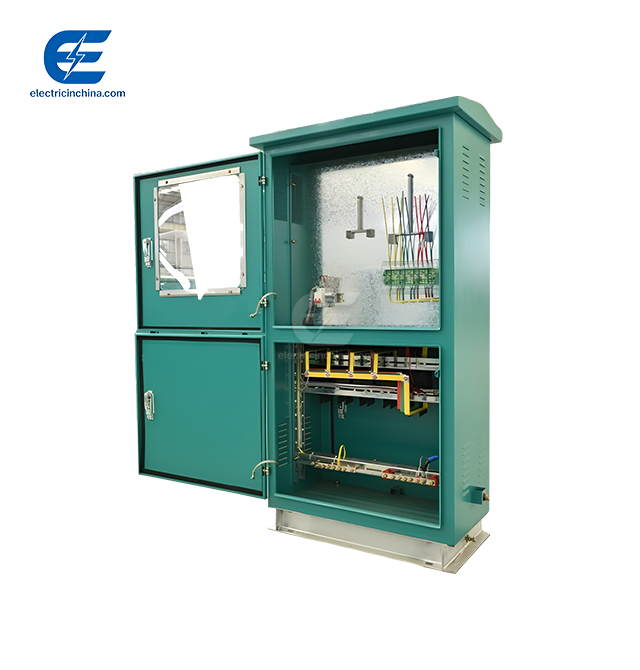
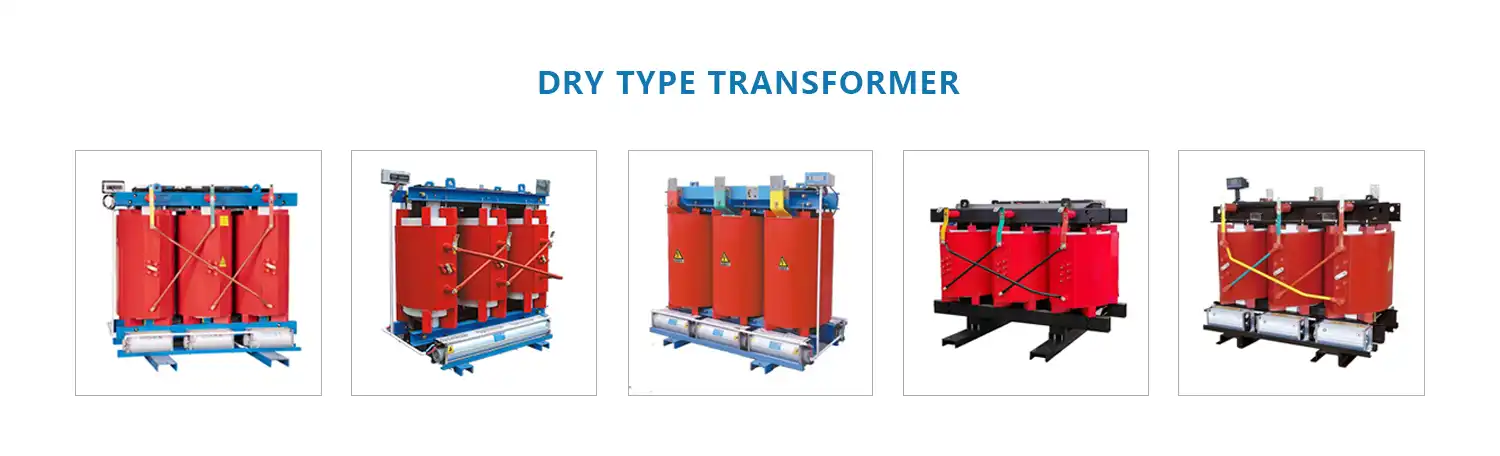
Cast resin transformers are generally safer than oil-filled units because they are made of flame-retardant epoxy, which doesn't pollute the environment or cause fires. The SCB12 Cast Resin PV Transformer is an example of advanced dry-type technology designed especially for photovoltaic uses. It has sealed windings that keep dampness out and can run for more than 25 years without any upkeep. This oil-free design gets rid of the risk of explosions while still providing better thermal stability and steady performance in tough solar setups where safety must be prioritized.
Understanding Safety Challenges in Traditional PV Transformers
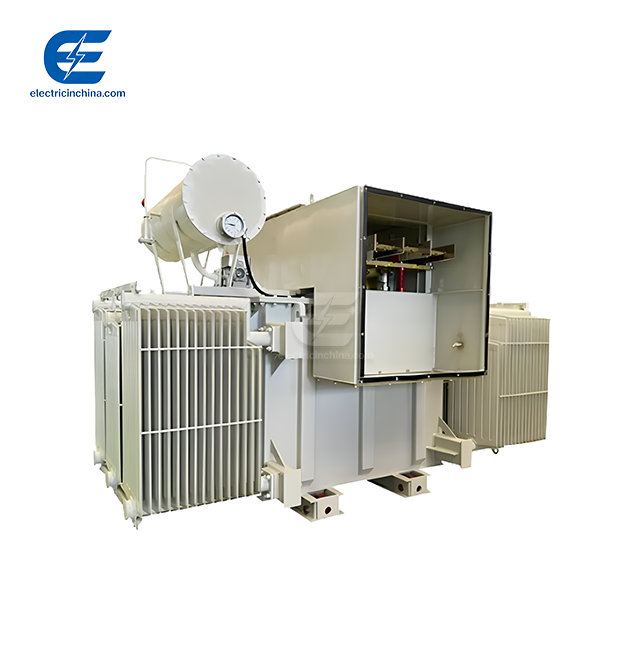
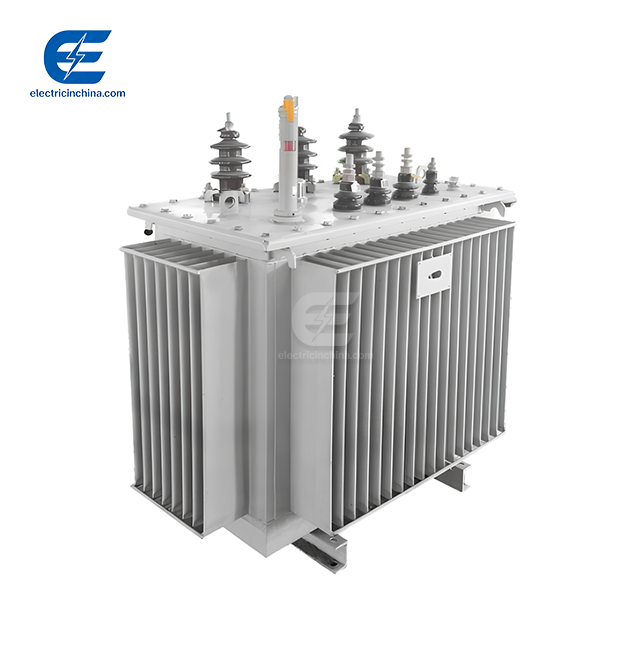
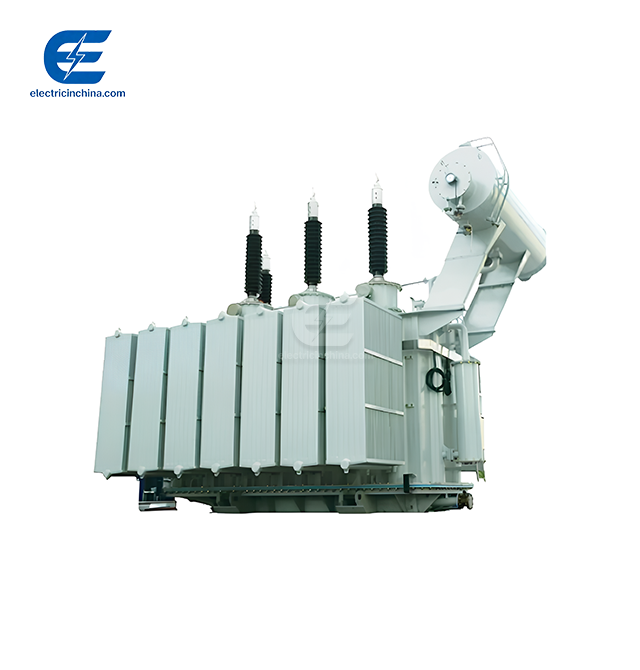
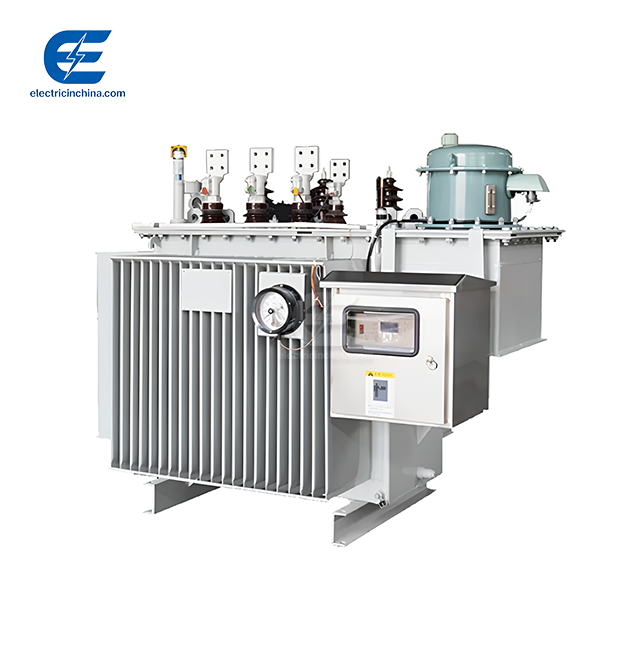
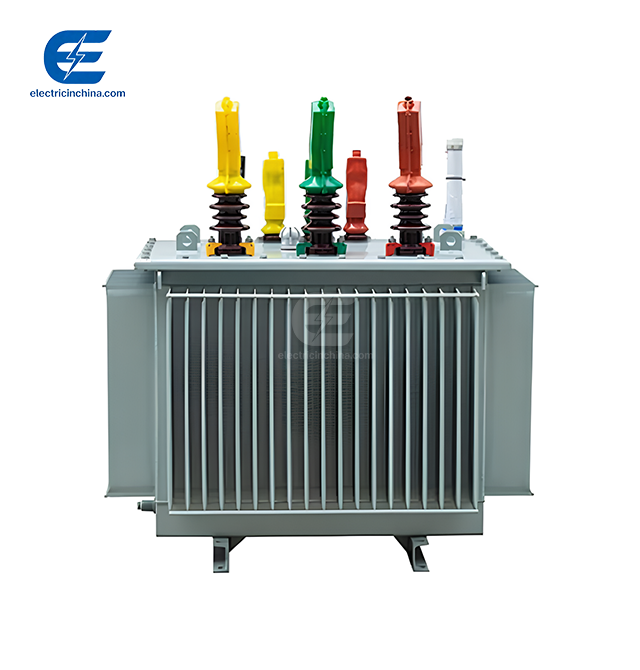
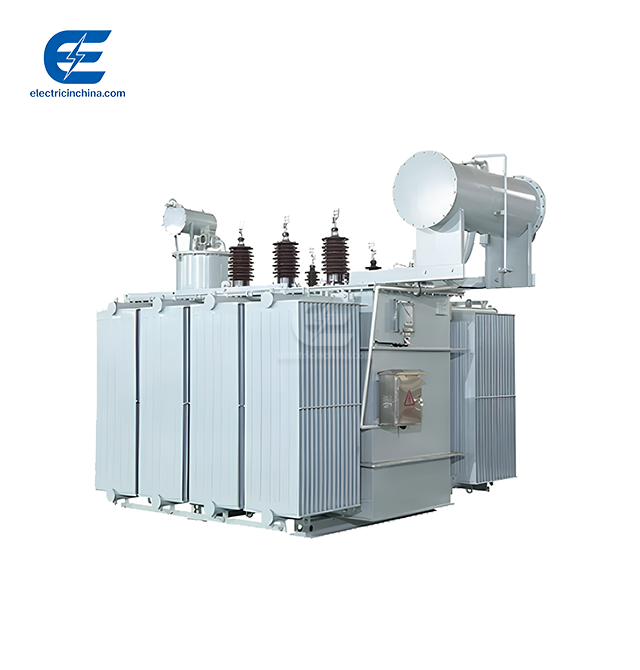
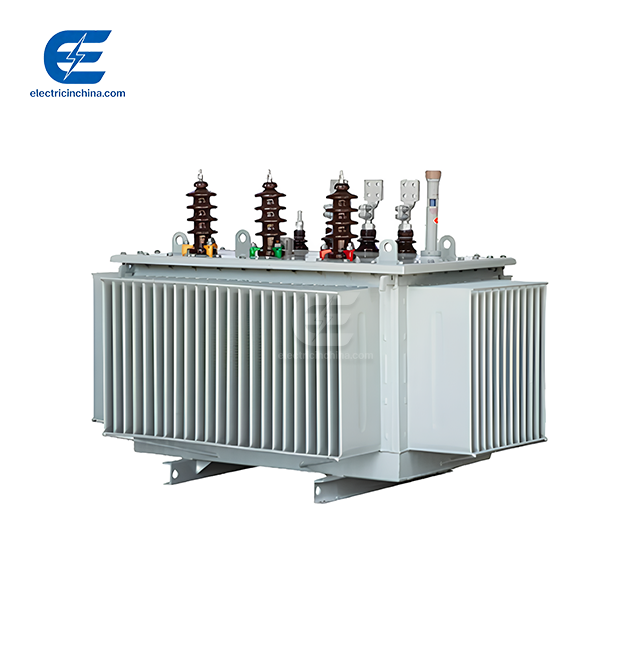
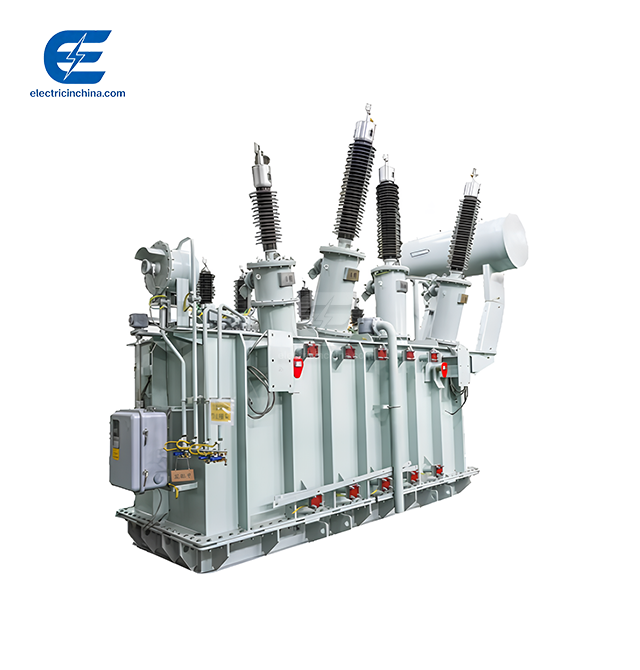
Traditional transformers that are submerged in oil have a number of safety flaws that affect the overall risk of your project and the cost of running it. These regular units have hundreds of gallons of flammable insulation oil inside them, which is a major fire risk, especially in high-temperature solar farms where equipment is constantly working under very high temperatures.
Fire Hazards Linked to Flammable Oil
Oil-filled transformers are very dangerous because the mineral oil inside can catch fire when it comes into contact with electrical arcing or too much heat. When something goes wrong, the oil can spray out and quickly spread flames throughout your building. There have been terrible events where a single transformer fire damaged nearby equipment worth millions of dollars and caused long periods of downtime that were against the terms of power purchase agreements. The costs go beyond replacing the equipment; they also include stopping the business, cleaning up the surroundings, and possible legal problems that insurance might not fully cover.
Environmental Contamination from Oil Leakage
Leaking oil into the environment creates environmental risks that make it harder to get permits and follow the rules for your solar project. Even small leaks pollute groundwater and soil, which means they have to be reported to environmental agencies and require expensive cleanups. There are very strict rules about solar sites near the coast and in wetlands, where oil spills can destroy fragile environments. Cleanup costs often go over the value of the generator in the first place, and contamination can make it take longer to start a job or shut it down temporarily while it's being cleaned up. Environmental violations also hurt the image of your business with regulators and people in the community who have a stake in it.
Complex Maintenance Requirements Increase Downtime
Oil-immersed transformers need to be sampled, filtered, and tested for dielectric constant on a frequent basis, which takes time and work. Your repair teams have to take oil samples every so often to be analyzed in a lab, keep an eye on the amount of moisture in the oil, and do expensive cleaning when the quality of the oil starts to decline. During your most profitable sunny hours, these repair periods stop the power from being made. When it's cold outside, activities are even harder because changes in oil density require heating systems that use extra power and add another possible failure point.
Why Cast Resin PV Transformers Offer Enhanced Safety
Cast resin technology completely changes how transformers are made to get rid of the risks that come with oil-filled designs. Our SCB12 series shows how current materials science makes power tools safer and more reliable, especially for use with renewable energy.
Oil-Free Design Eliminates Fire and Contamination Risks
For the dry type of building, flame-retardant epoxy resin encapsulation is used instead of flammable oil. This means that your facility has no fire risks at all. Our SCB12 Cast Resin PV Transformer meets strict fire safety standards, so it can be installed directly at load centers without the need for costly blast walls or fire control systems. This design benefit is especially useful for business installations on roofs and urban solar projects where fire rules don't allow oil-filled equipment to be put in certain places. Insurance companies know that facilities using cast resin transformers have a lower risk profile, so they usually offer lower rates. This saves you money right away and makes your project more profitable.
Advanced Epoxy Insulation Provides Superior Dielectric Strength
The insulating strength of the epoxy resin coating technology is much higher than that of regular insulation materials. Our engineering team has come up with special formulas that keep the insulation's stability even when it's put under a lot of mechanical stress and extreme temperature changes. The SCB12 series uses vacuum casting methods to get rid of any internal gaps that could allow partial discharge to start. This makes the operating life much longer than 25 years without any insulation loss.
Maintenance-Free Construction Reduces Operational Costs
Because they are sealed, they don't need the regular upkeep that oil-filled transformers do over the course of their life. You won't plan for oil samples, cleaning the filtration system, or dielectric testing, which use up maintenance funds and cost money. Our SCB12 Cast Resin PV Transformer only needs to be visually checked, and its connection torque checked every so often. This means that it requires 40 to 60 percent less care over its lifetime than oil-immersed options.
Moisture and Contaminant Resistance for Outdoor Applications
Cast resin transformers work effectively in tough environments that make it hard for other designs to work. Because the resin coating completely blocks out moisture, the device can still work normally at 100% humidity without losing any performance. This resistance to moisture gets rid of the need to dry out oil-filled transformers after long periods of inactivity, so they can be turned back on right away after repair or power blackouts.
Comparing Cast Resin Technology with Oil-Immersed Alternatives
Direct performance comparisons show that cast resin transformers are much better than standard oil-filled designs in the areas that are most important for the success of a solar project.
Fire Safety and Installation Flexibility
Because cast resin units are not dangerous, they can be installed in places where oil-filled transformers are not allowed by fire codes. Our SCB12 Cast Resin PV Transformer can be put inside buildings, on roofs, or next to occupied buildings without having to follow the rules for clearing and fire safety that oil units do. This installation freedom lowers the cost of civil engineering and makes it possible to lay out sites more efficiently, so cable runs and voltage drop losses are kept to a minimum.
Environmental Safety and Regulatory Compliance
The lack of oil shielding gets rid of problems with environmental permits that can slow down project development and raise compliance costs. You will not need environmental insurance bonds, oil-water separators, or spill control systems that oil-filled sites need. Our cast resin transformers are in line with the stricter environmental rules that are being put in place around the world. These rules limit or ban oil-filled equipment from being used in areas that are important for the environment.
Maintenance Downtime and Lifecycle Economics
Operating information from a wide range of projects shows that cast resin transformers have much higher usage rates than oil-filled options. Since your solar farm doesn't need to be shut down for planned repair like oil service, it can make money during times when regular transformers would be down. Over the 25-year life of the project, this increased access leads to measured increases in income and energy production, which boosts the project's profits.
SCB12 Advantages Over Earlier Cast Resin Models
We've improved the SCB12 Cast Resin PV Transformer's temperature management system so that it can handle 150 percent of its rated overload when it's cooled by forced air. This temperature performance is very important when cloud shadows move across your array and cause quick changes in power that put stress on the transformer windings. The better cooling keeps the temperatures fixed during these changes, which stops the damage from thermal cycling that shortens the life of transformers in solar use.
Real-World Applications Across Solar Project Types
Cast resin transformers are useful for many solar uses because they are safer and work better than other types of transformers. These benefits can be seen in a variety of installation settings and project sizes.
Utility-Scale Solar Farms in Challenging Environments
Large ground-mounted solar systems with 50 megawatts to 500 megawatts of power have to deal with harsh weather that tests the sturdiness of the transformers. In the southwestern United States, the Middle East, and Australia, desert solar farms have to deal with dust storms, temperature changes of -40°C to +60°C, and strong UV radiation that breaks down regular equipment. No oil heating systems or extra cooling that uses extra power are needed for our SCB12 Cast Resin PV Transformer to work well in this whole temperature range.
The sealed epoxy construction keeps dust out, which can damage tracks on insulator surfaces that are left open. We've used cast resin transformers on jobs in Saudi Arabia and Arizona, where blowing sand would quickly contaminate oil-filled units and make them need to be serviced often. The strong construction can handle these hard conditions and keep the dielectric integrity of the project for as long as it works.
Commercial Rooftop Solar Systems
Tough fire safety rules often don't allow oil-filled transformers to be used on multi-megawatt sites on the roofs of factories, shopping malls, and office buildings. When oil-filled equipment goes over certain limits of capacity, building codes usually require fire-rated separate or pricey control systems. Our cast resin technology gets rid of these problems and lowers the structural loads by 20 to 30 percent compared to oil-filled options with the same capacity.
The small footprint is useful on roofs where room is limited, and it costs a lot to reinforce structures. As part of our work on many business rooftop projects, we used cast resin transformers to make setups with higher capacities possible than would have been possible with oil-filled equipment because of safety concerns about weight and fire. The lower structure standards lower the overall cost of installation, and the safety benefits make building officials and insurance companies happy.
Floating Solar Installations
One of the fastest-growing types of green energy is floating solar farms. In Asia-Pacific and Europe, installations of more than 100 megawatts have been put in place on ponds, quarry lakes, and coastal seas. Normal transformers have a hard time meeting the needs of these tough uses, which need superior security against wetness and corrosion. Our marine-grade cast resin transformers have better seals against the environment and casings that don't rust. They are designed to work continuously in places with a lot of moisture and salt spray.
For floating solar projects, where environmental laws tightly forbid any possible water poisoning, getting rid of the risk of oil leaks is especially helpful. Most places that issue permits won't let oil-filled generators be put on bodies of water that hold drinking water or that are important to the environment. Cast resin technology gets rid of this problem while still providing the dependability that mobile solar projects need, since getting to the equipment for upkeep is hard and expensive.
Superior Performance Under Real Solar Operating Conditions
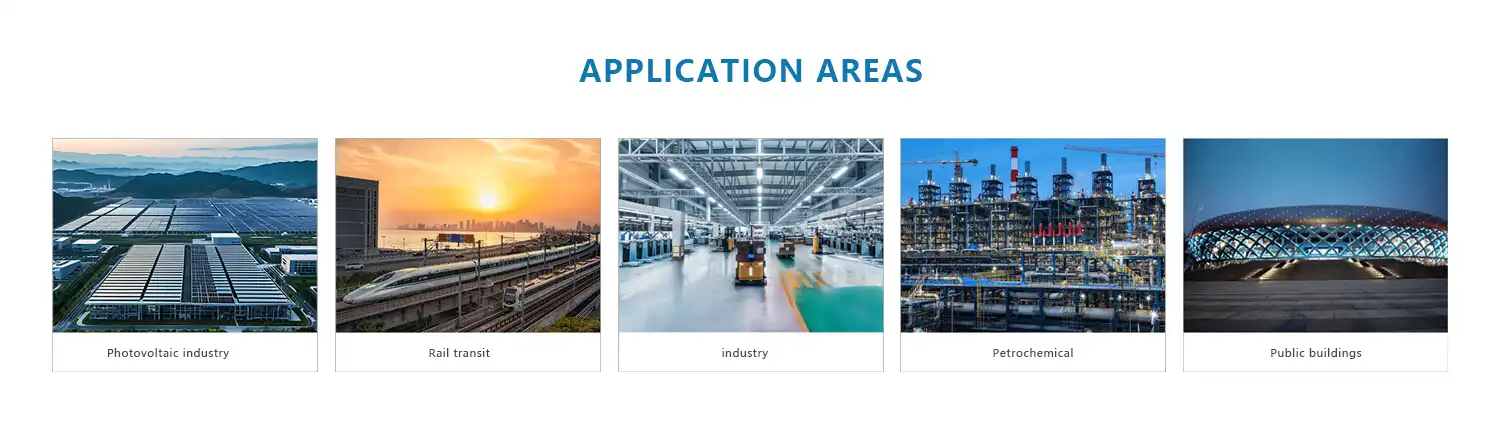
Photovoltaic transformers like Cast Resin PV Transformer are different from regular distribution transformers that serve steady industrial loads because they have to deal with different operating challenges when used in solar applications. Our SCB12 line meets these unique needs for solar panels with design features that have been tested and proven to work in hundreds of installations around the world.
Handling Rapid Power Fluctuations
When clouds cast shade on solar panels, the power changes quickly. This puts a lot of stress on the transformer windings because the voltage and temperature change so often. Our forced air cooling system has a 150 percent extra capacity that can handle these changes in temperature without causing the insulation to age faster. The thermal management system turns on automatically when winding temperatures get close to the design limits. This keeps the best working conditions all day, even when the sun's irradiance changes.
Managing Inverter Harmonics
Modern solar inverters create harmonic distortion, which can cause transformers that aren't designed to handle these nonlinear loads to overheat and break. When serving inverter loads, standard distribution transformers lose at least 20% of their maximum capacity. This means that bigger equipment has to be chosen, which raises the cost of the project. Our SCB12 Cast Resin PV Transformer has K-factor values ranging from K-4 to K-13 and is designed for use with inverters. It can handle harmonically rich loads at full capacity without losing any of its power.
Technical Specifications and Quality Assurance
Our SCB12 line offers top-notch technical performance and is backed by strict testing methods that make sure it meets international standards and customer requirements.
Comprehensive Performance Parameters
The SCB12 Cast Resin PV Transformer comes in voltage ranges from 10 kilovolts to 35 kilovolts (main), and capacity ranges from 30 kilovolt-amperes to 2,500 kilovolt-amperes so you can find the right one for your project. Over 98.5 percent of the time, efficiency scores are higher than GB/T 10228 standards. This means that there are fewer no-load and load losses, which waste energy and lower project returns. The insulation system can withstand temperatures up to Class F or Class H (155°C or 180°C), which is a large thermal margin above normal working temperatures.
Manufacturing Quality and Testing Protocols
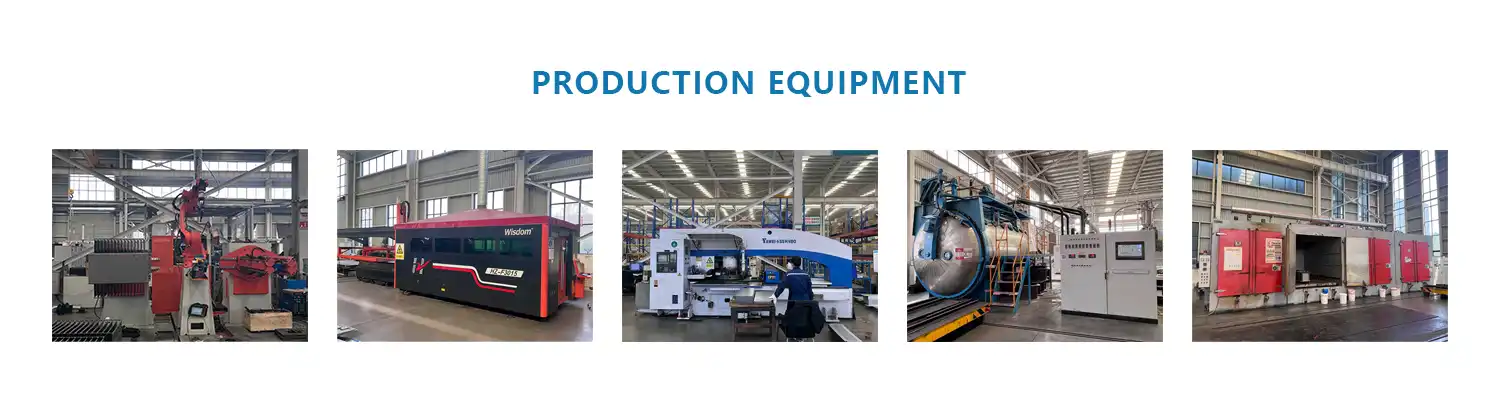
Our factory is certified to strict ISO 9001 quality management standards and has full process controls at every stage of production. Before production starts, raw material checking makes sure that the epoxy resin mixtures, core steel, and copper wires meet the design requirements. Our quality team checks the vacuum casting parameters, cure temperature profiles, and coil tension during production to make sure that the quality of each unit is the same.
Environmental Performance Validation
Our SCB12 Cast Resin PV Transformer has been through a lot of outdoor tests that show it can handle the rough conditions found in solar systems around the world. According to ASTM B117 standards, salt spray testing for 96 hours proves that coastal projects will not rust. Thermal cycling at 100 cycles from -25°C to +40°C proves that the mechanical stability is still there when the temperature changes a lot. Testing for resistance to wetness at 40°C and 95% relative humidity for 240 hours shows that the material is waterproof.
Procurement Insights for Project Success
To buy transformers successfully, you need to think about technical specs, delivery methods, and long-term support, all of which affect the results of the project.
Streamlined Ordering and Customization
We work closely with EPC contractors and project managers to make sure that the specs of the transformers we sell are exactly what you need for your application. Our expert sales team looks at single-line diagrams, the surroundings, and the needs for grid interconnection to figure out the best combinations. During production, custom voltage taps, exterior finishes made for corrosive environments, and built-in tracking systems can be added without having to wait longer for lead times.
When you buy in bulk for projects that are spread out over more than one phase, you can get better prices and delivery times that work with your building plan. We keep smart stockpiles of materials and flexible production capacity, which lets us adapt to changes in schedules without having to pay extra for faster service. Our logistics team plans shipping to multiple project sites, handles customs paperwork for foreign transfers, and sets up special transportation for large units when needed.
Long-Term Support and Warranty Coverage
Full warranty protection keeps your investment safe during the important early working time. Our normal guarantee covers material and workmanship flaws that affect the transformer's performance for five years from the date it was commissioned. There are choices for extended warranties for projects that need longer coverage periods because of standards from the financiers. As part of the warranty, if a unit fails, it will be replaced. This keeps downtime to a minimum and keeps the project's income going.
Technical help is available for as long as your transformer is working. Our engineering team helps with setup, fixes operating problems, and gives advice on the best ways to maintain equipment so it lasts as long as possible. Your repair staff should be trained in the right way to do inspections and find possible problems before they cause unplanned outages. This method of building long-term partnerships builds the kind of ongoing relationship that is needed for big building projects.
Conclusion
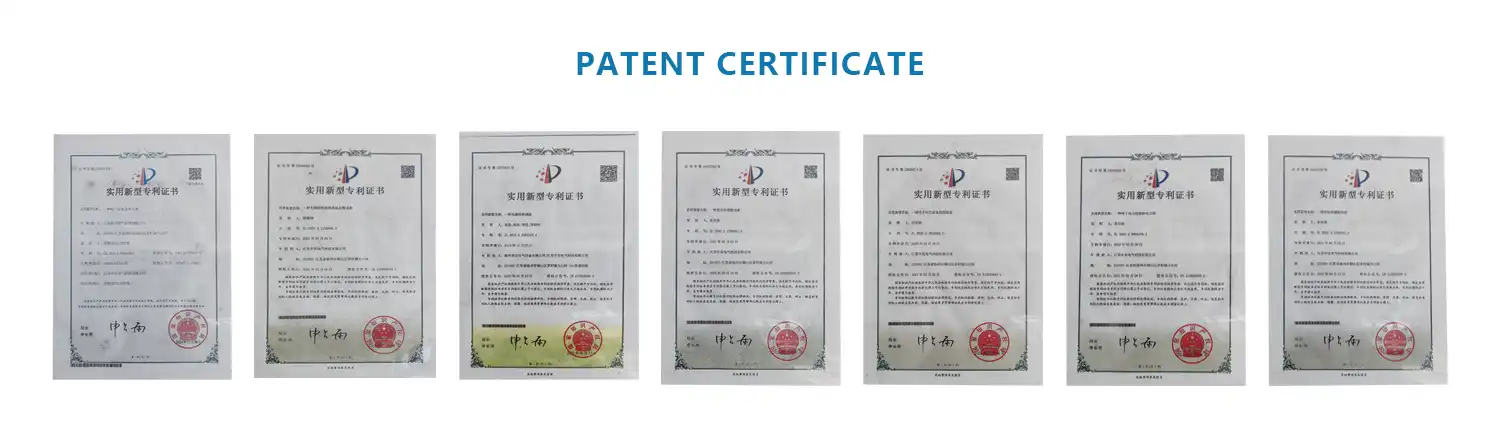
The flame-retardant construction of cast resin transformers makes them a much better choice for photovoltaic uses than oil-filled designs, which can catch fire and pollute the environment. The SCB12 Cast Resin PV Transformer lasts more than 25 years without needing any upkeep. It also cuts lifetime costs by 40 to 60 percent and is more reliable in harsh areas where solar setups are used. Our dry-type technology meets ever stricter safety standards and allows for flexible installation, which cuts down on project costs and speeds up rollout plans. We have been making solar equipment for over 20 years, have 18 patents, and have worked on utility-scale solar farms, commercial rooftops, and floating installations all over the world. We can give mission-critical renewable energy projects the engineering know-how and quality assurance they need to be successful in the long term.
FAQ
What makes cast resin transformers safer than oil transformers in solar farms?
Cast resin transformers don't need the flammable oil that makes standard designs dangerous for fire. The epoxy resin covering naturally stops flames and puts out fires themselves, so the fire can't spread even when there are electricity problems. This building also gets rid of the risk of oil leaks that pollute the ground and water, which removes environmental problems that make it harder to get permits for solar projects. The sealed design keeps out moisture and other contaminants that break down regular transformer insulation. This means that the transformers will keep working well for more than 25 years in outdoor settings.
How do SCB12 transformers handle the rapid power fluctuations common in PV systems?
Our SCB12 Cast Resin PV Transformer has better temperature management and forced air cooling, which gives it 150 percent extra capacity when the amount of sunlight changes quickly. The strong design of the windings can handle mechanical forces from frequent changes in load without moving or damaging the insulation. When tested to 25 times the maximum current, the superior short-circuit strength guards against grid disturbances. Specialized core materials and K-factor values handle harmonic distortion from photovoltaic inverters without degrading or failing too soon.
What maintenance do cast resin transformers require compared to oil-filled units?
The only maintenance that needs to be done is visual inspections and thermographic studies to make sure that the temperatures are standard. You won't have to do the things that oil-filled transformers need, like oil samples, filtering, electrical testing, or getting rid of moisture. This simpler maintenance cuts costs over the life of the equipment by 40 to 60 percent and makes it more available by getting rid of planned downtime for regular maintenance.
Partner with Tuojie for Reliable Solar Infrastructure
Your solar project needs transformer technology that is completely safe and works well for decades without any repairs. Tuojie makes SCB12 Cast Resin PV Transformers that are designed to work with photovoltaic systems. They have 15 top engineers, 18 patents, and ISO 9001 approval to back them up. We are a leading supplier and can make unique solutions for power levels between 30 and 2,500 kilovolt-amperes. Our efficiency is over 98.5 percent, and we can handle 150 percent of our overload capacity. Email our technical team at tuojie@electricinchina.com to talk about your project needs and get full specs, low prices, and delivery plans that work with your building schedule.
References
1. IEEE Standard C57.12.01-2015, "IEEE Standard for General Requirements for Dry-Type Distribution and Power Transformers."
2. IEC 60076-11:2018, "Power Transformers - Part 11: Dry-Type Transformers."
3. National Electrical Manufacturers Association, "NEMA Standards Publication TP 1-2002: Guide for Determining Energy Efficiency for Distribution Transformers."
4. Institute of Electrical and Electronics Engineers, "IEEE C57.110-2018: Recommended Practice for Establishing Liquid-Filled and Dry-Type Power and Distribution Transformer Capability When Supplying Nonsinusoidal Load Currents."
5. International Renewable Energy Agency, "Renewable Energy Technologies: Cost Analysis Series - Solar Photovoltaics," Volume 1, Power Sector Issue 4/5.
6. Underwriters Laboratories, "UL 1561: Standard for Safety Dry-Type General Purpose and Power Transformers," Fourth Edition.