

.webp)
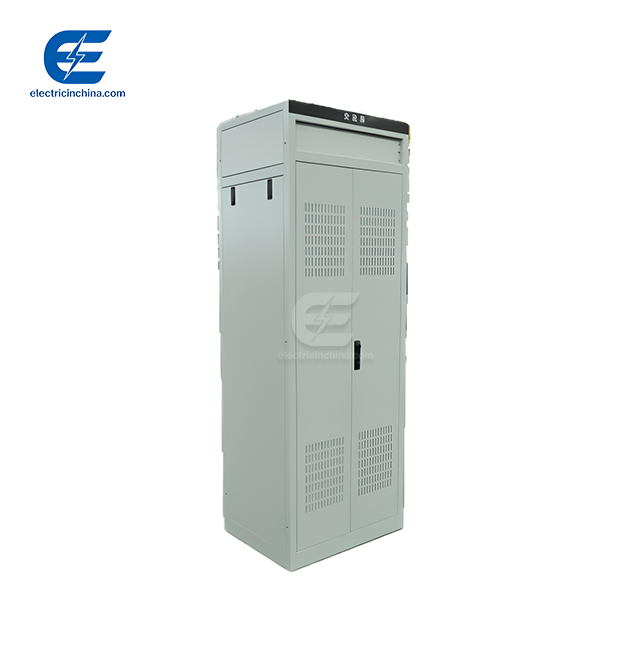
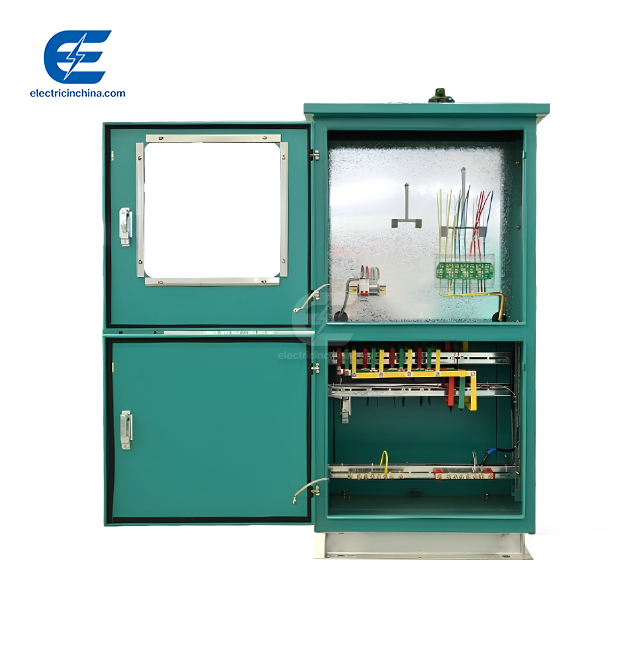
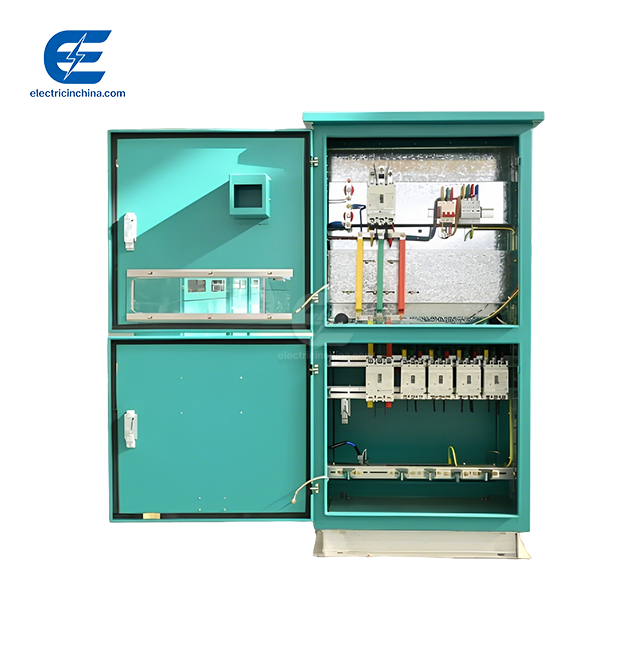
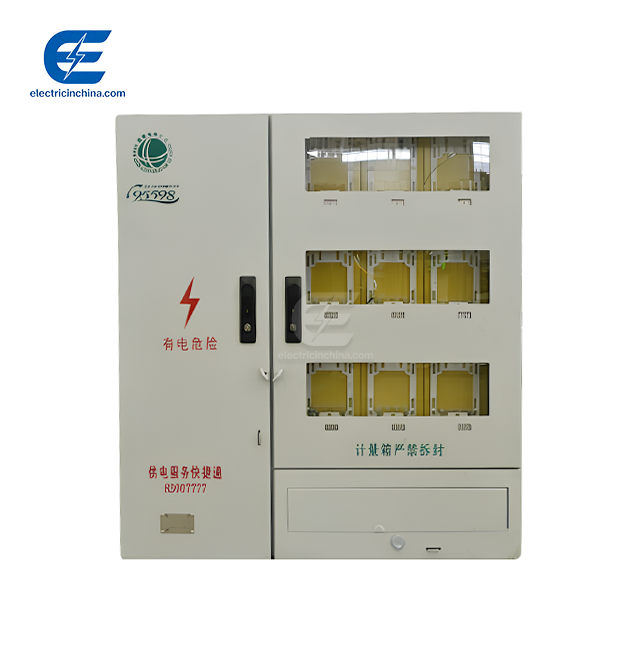
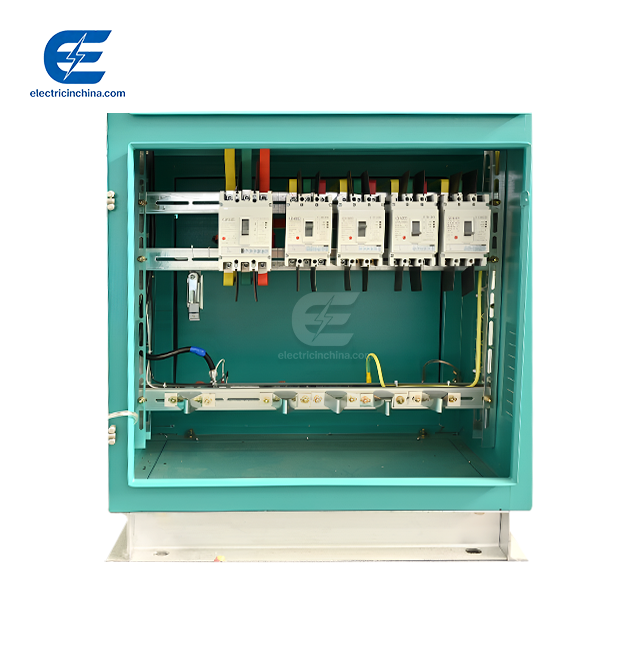
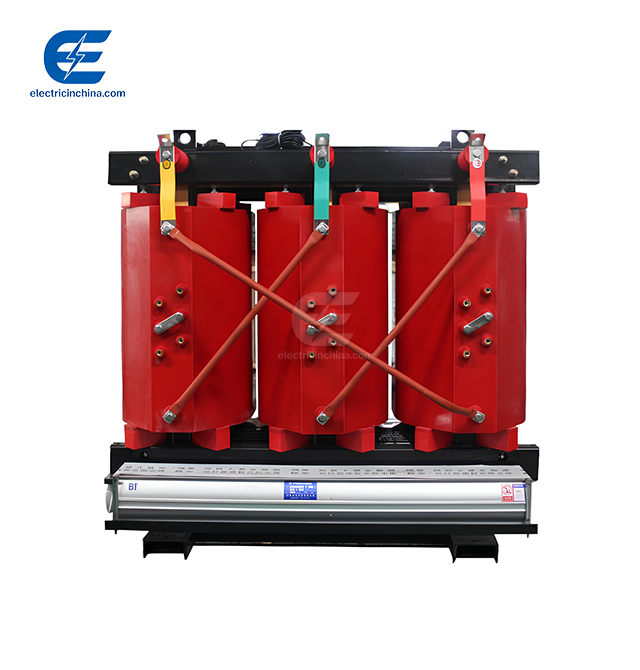
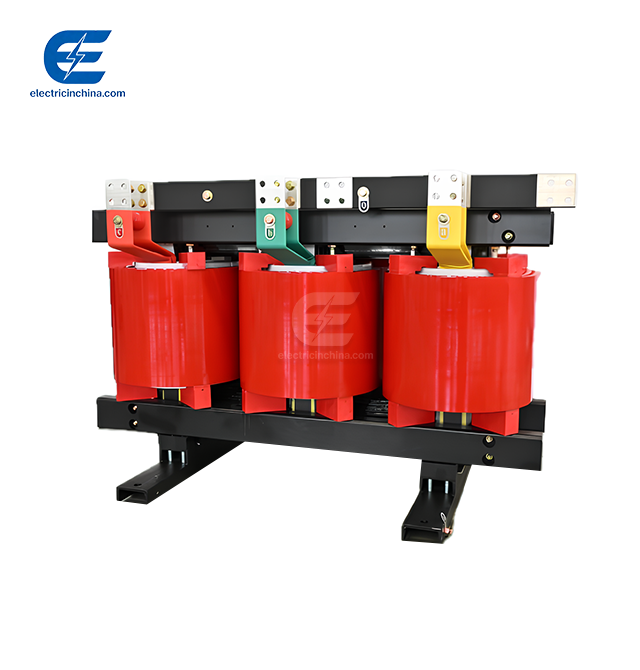
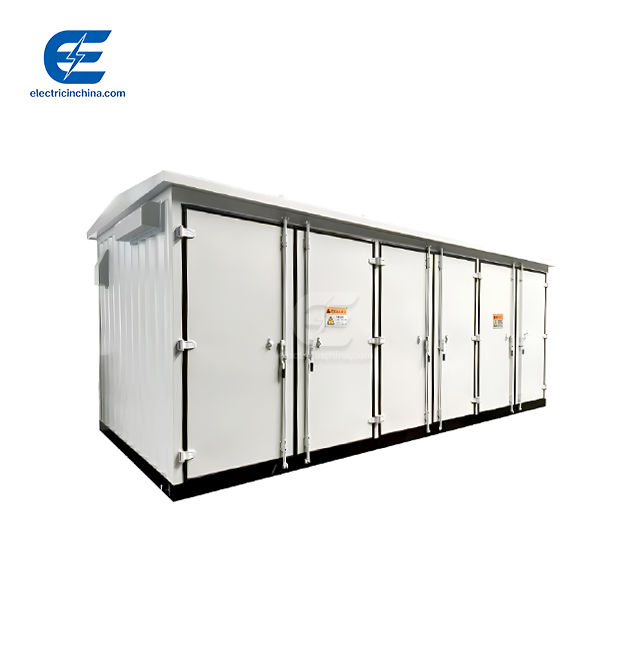
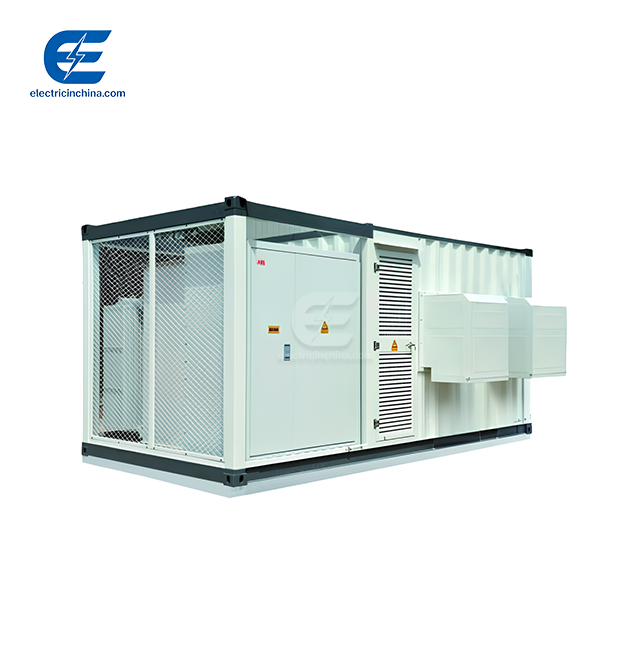
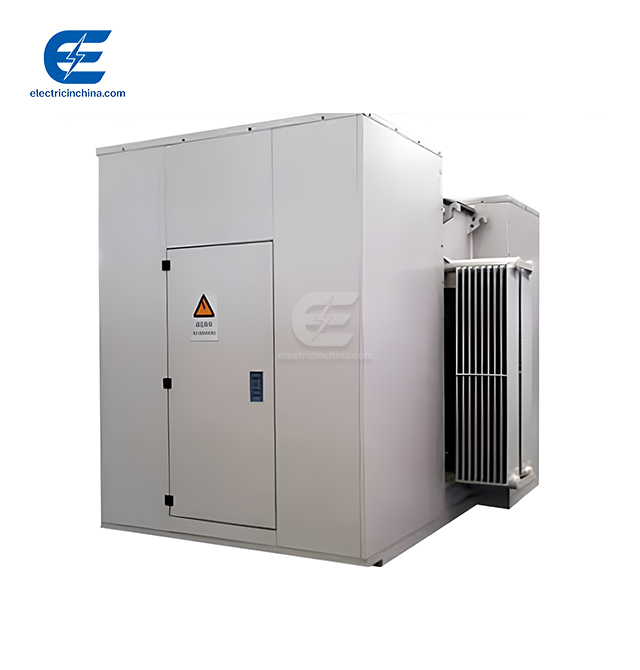
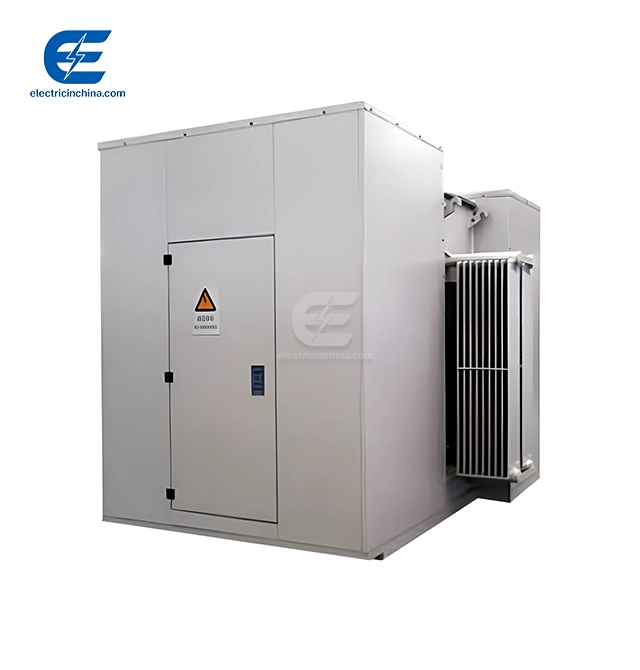
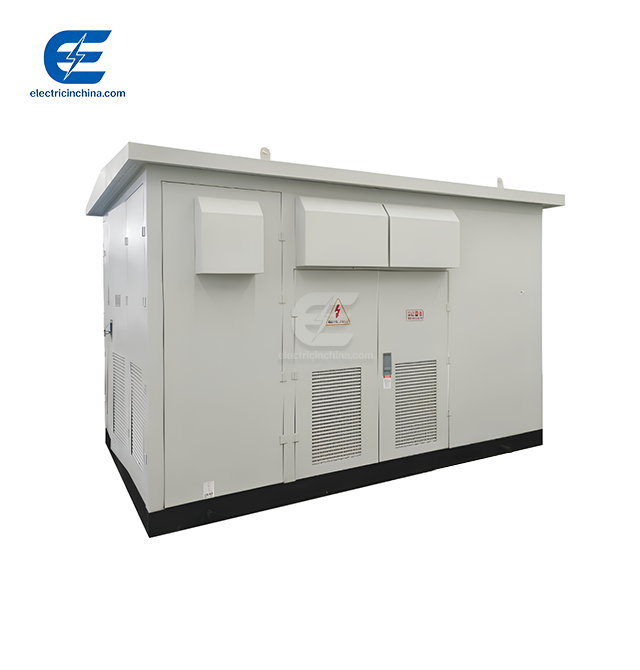
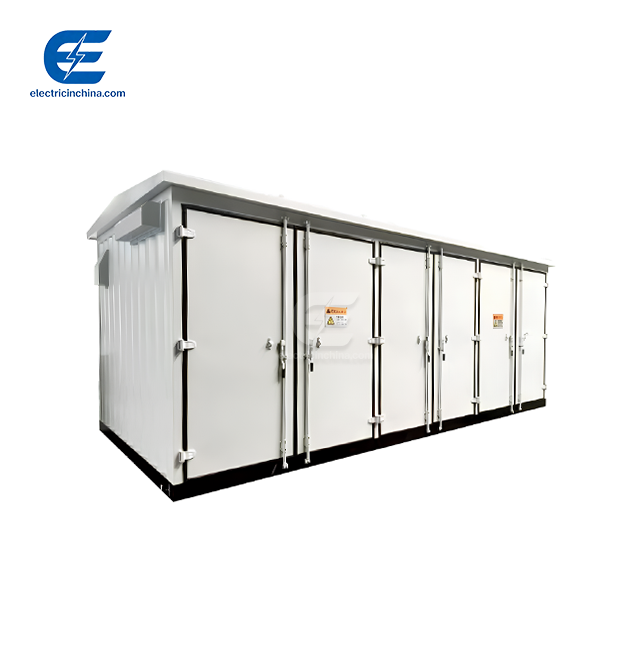
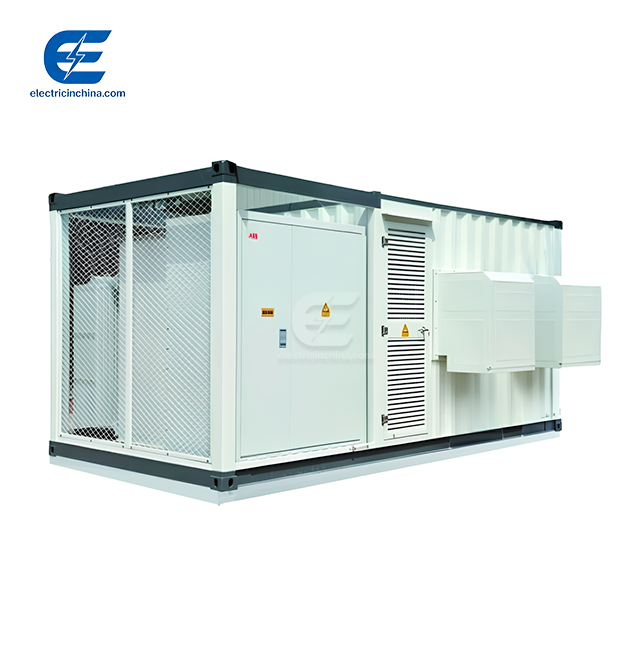
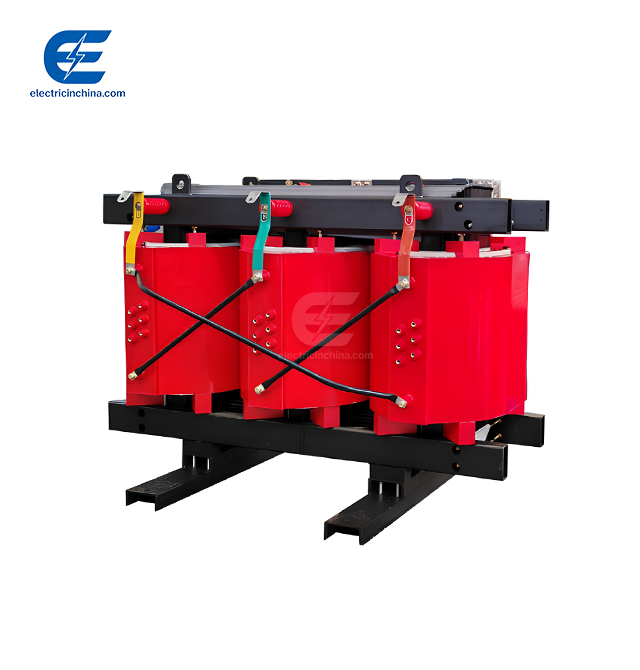
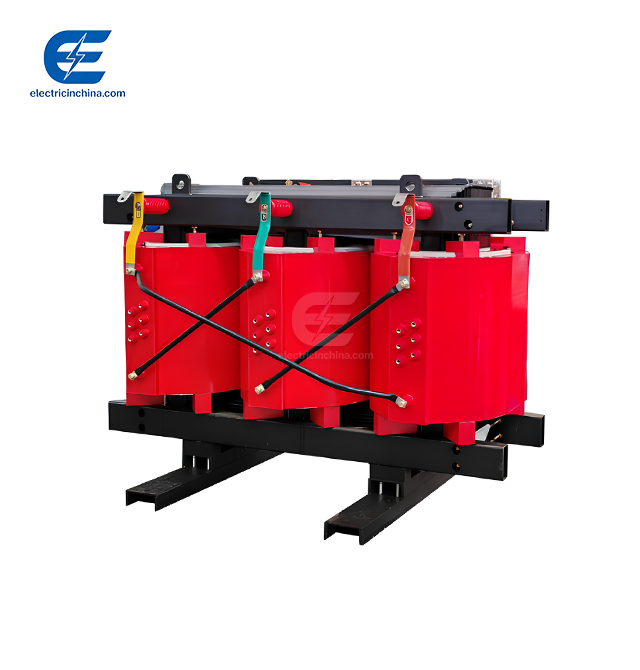
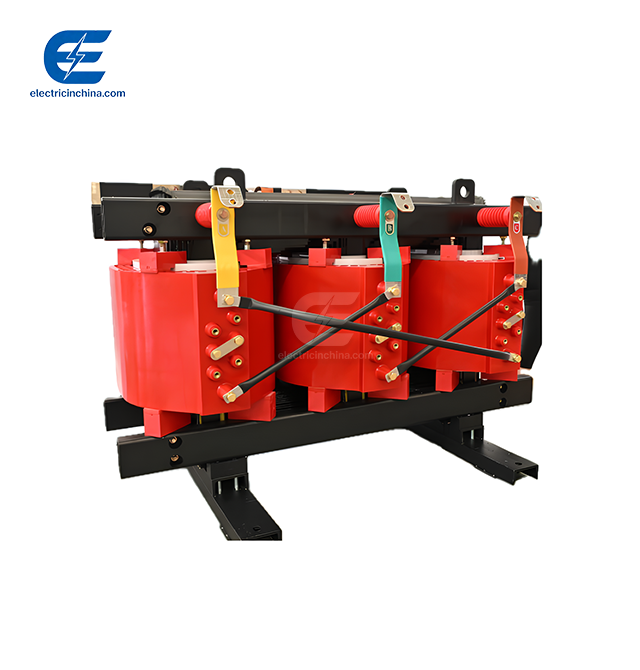
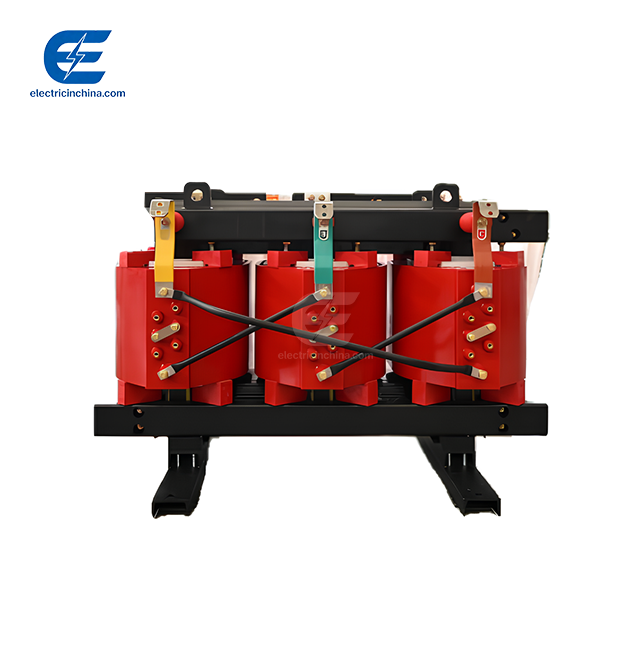
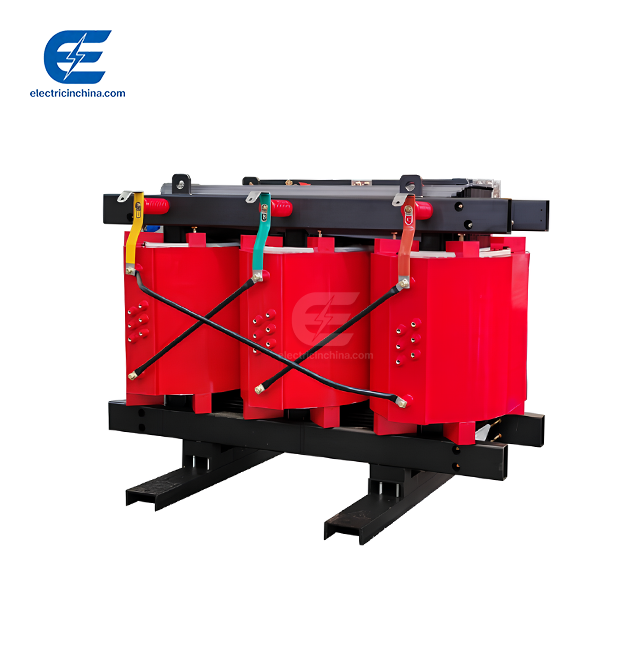
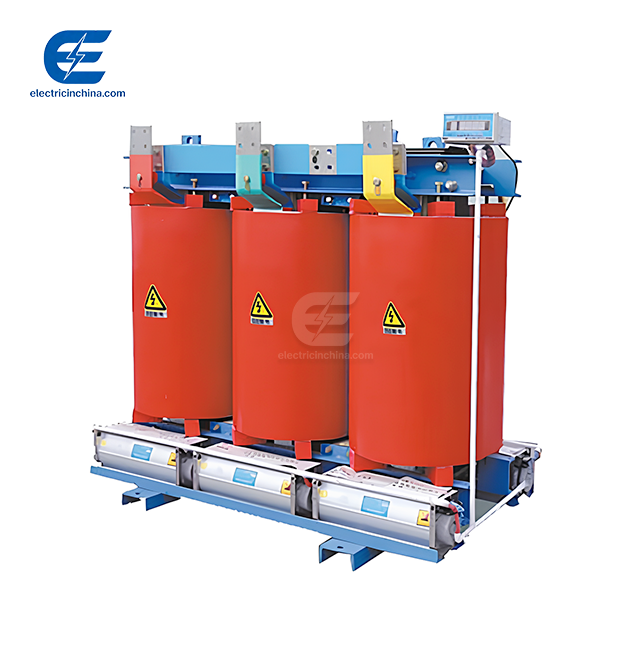
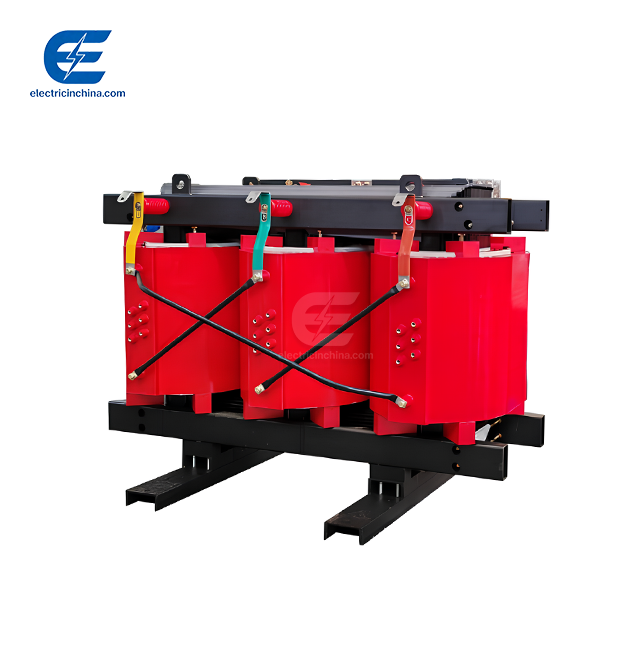
Industrial dry-type transformers make systems much more reliable. The 10kV-35kV SCB10 Industrial Dry Type Transformer is designed so that it doesn't use oil. It can work nonstop in 100% humidity without needing to be dried first, and it will last for 25 years or more without needing any upkeep. These cast resin transformers offer the uptime and safety that building projects and industrial makers need when they can't stop operations. The epoxy resin encapsulation keeps moisture out, and load losses are cut by 10-15% compared to older models.
Understanding Industrial Dry Type Transformers: Features and Working Principles
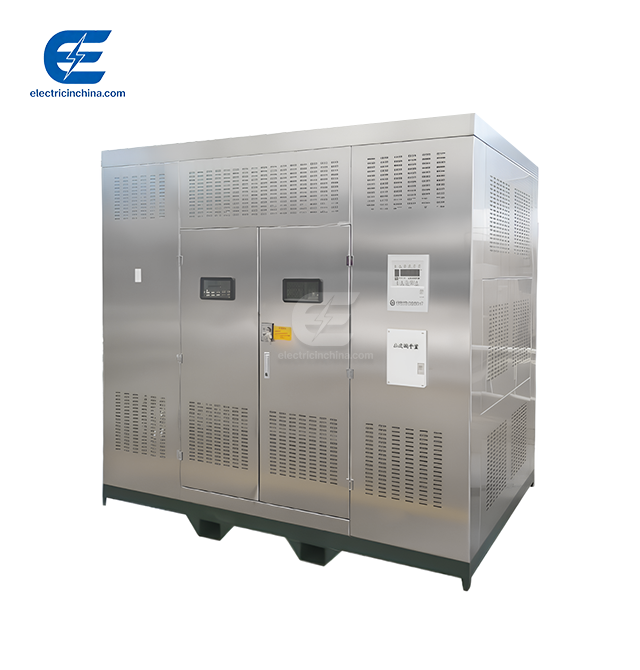
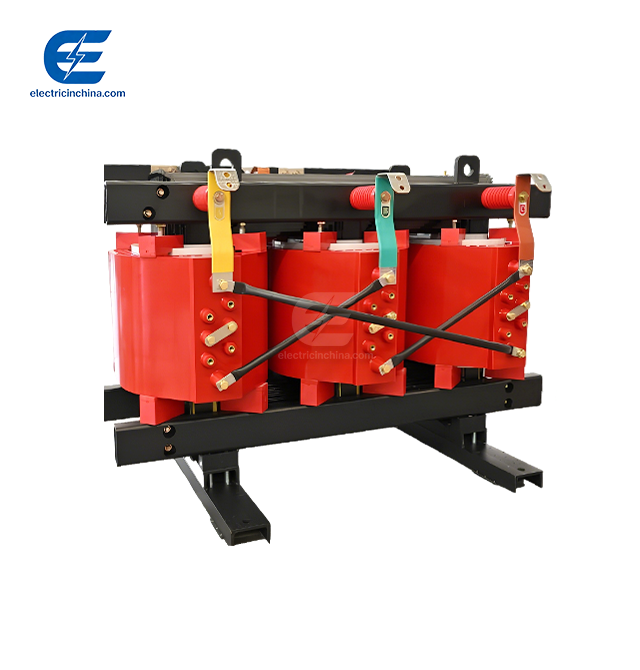
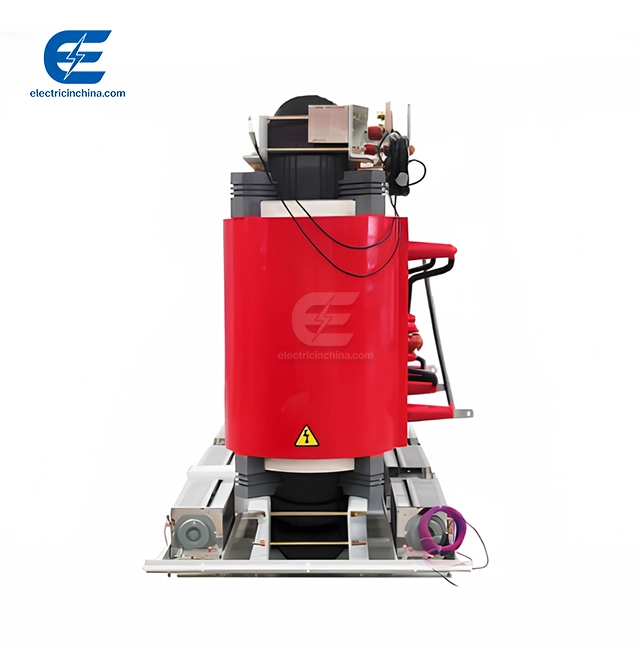
Industrial sites always have to deal with the problem of how to balance the need for reliable power transfer with safety concerns. Older transformers that are filled with oil pose fire and environmental risks that don't meet today's safety standards or government rules. This problem can be solved by dry-type transformers, which use a completely different method of shielding. The 10kV-35kV SCB10 Industrial Dry Type Transformer from Xuzhou Tuojie International Trade encases the windings in advanced epoxy resin casting, which makes a solid insulation shield that keeps dangerous liquids out completely. This three-phase cast resin design can work with voltages from 10kV to 35kV and has capacity values from 30KVA to 31,500KVA to meet the needs of a wide range of industrial uses.
How Epoxy Resin Technology Works
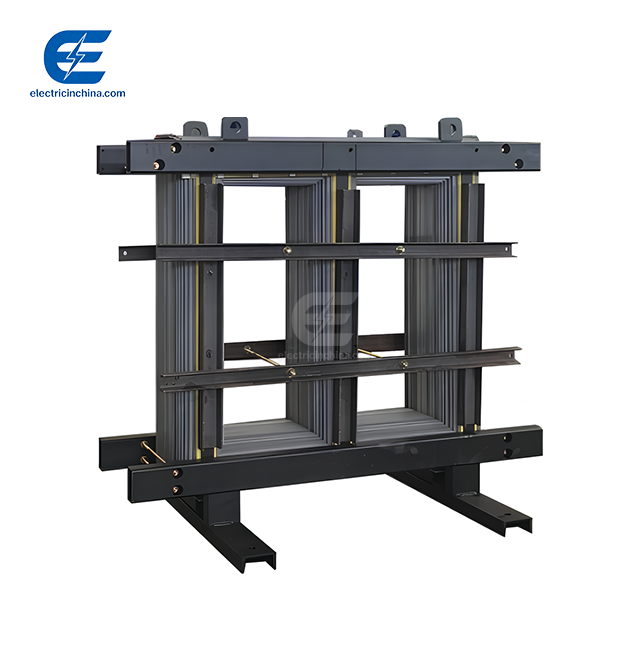
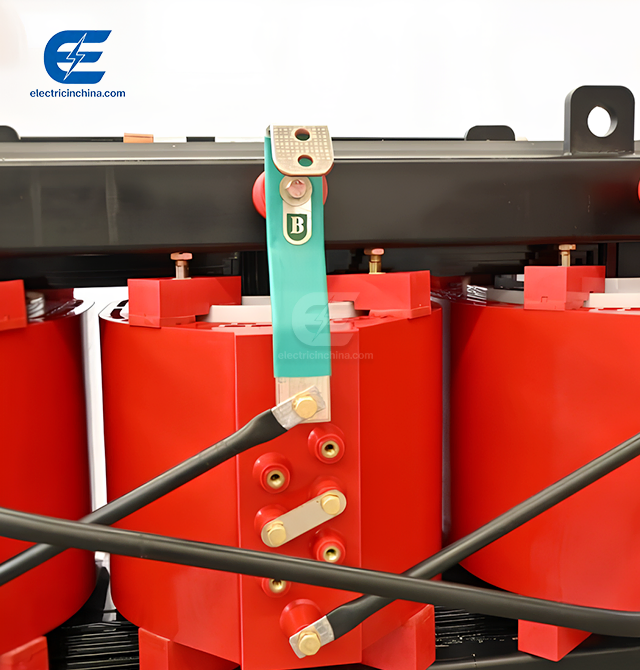
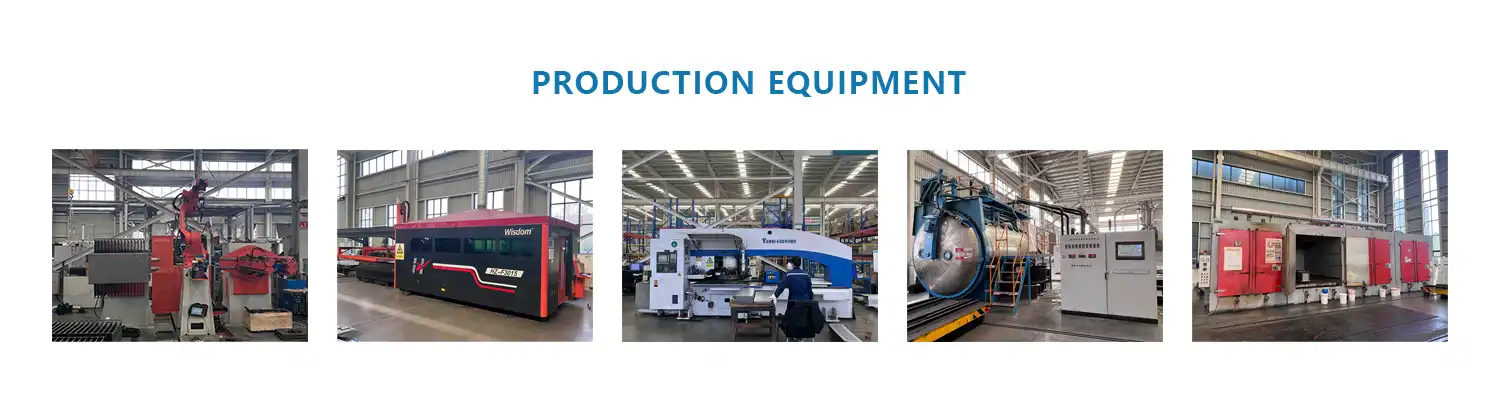
A big step forward in engineering can be seen in the way that cast plastic transformers are made. Over 120 sets of CNC equipment, such as static vacuum casting tools and gradient curing ovens, are used in Tuojie's factories. During the fabrication process, automatic CNC winding machines carefully wind copper or aluminum coils. The coils are then placed in molds, and liquid epoxy resin is added while the molds are vacuum-filled. This process gets rid of air spaces that could weaken the insulation.
The resin hardens in ovens managed by microcomputers, creating a rigid insulation grid with high dielectric strength. Tuojie's special winding compression method cuts down on thickness by 28%, which lets them be installed in tight areas like mezzanines, basements, or equipment rooms with a lot of people that regular oil-immersed units can't reach.
Cooling Methods That Ensure Continuous Operation
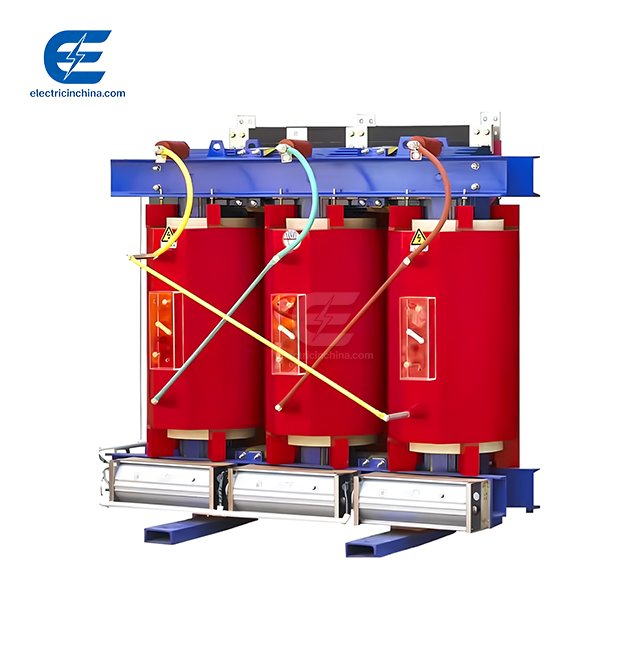
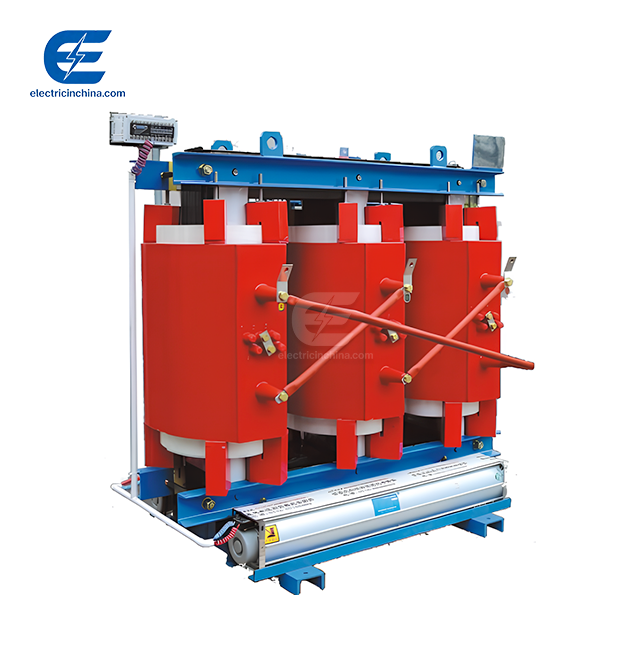
Dissipation of heat has a direct effect on the stability and lifespan of a generator. For normal loads, SCB10 transformers use natural air cooling (AN), which means that air from the outside flows around the visible windings and core components. This passive cooling doesn't need any extra power and makes very little noise—usually less than 55dB, which is about the same level of noise as an office.
When processes need more space, forced air cooling (AF) turns on built-in fans that move more air over areas that remove heat. This feature lets the transformer work at 150% of its normal load during times of high demand without getting too hot or wearing out faster. Temperature tracking systems keep an eye on the core and winding temperatures all the time. If certain levels are reached, they sound alarms to protect against heat damage.
Why Reliability Starts With Insulation Performance
When compared to normal cast resin materials, Tuojie's epoxy resin mixture keeps 30% better insulation performance after being exposed to high humidity. This resistance to wetness is very important in industrial settings where equipment is exposed to harsh conditions like steam, mist, or being installed outside. The transformer can work constantly at 100% relative humidity without losing any performance, which is something that oil-immersed units can't do without a lot of covering and breathing systems.
The hydrophobic surface treatment that is used during production keeps water molecules from sticking to the surface. This stops moisture absorption, which would lower the dielectric strength. When businesses need to close for maintenance or the holidays, SCB10 transformers can start up right away without having to go through any pre-drying steps. This means that they don't have to deal with the downtime that hygroscopic insulation systems do.
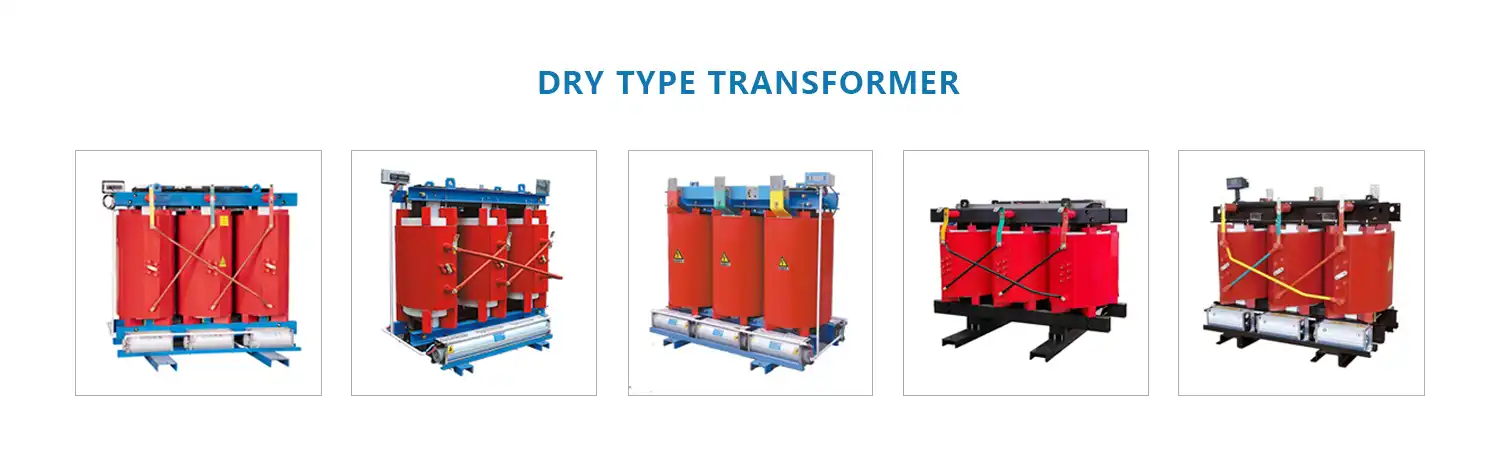
Comparing SCB10 Transformers with Other Transformer Types to Enhance System Reliability
When procurement workers look at medium voltage distribution equipment, they have a lot of choices. Each one has its own performance and lifecycle effects. Knowing how SCB10 transformers stack up against other options helps make sure that the most effective option is chosen.
SCB10 vs. SCB11: Evaluating Design Evolution
The SCB11 series is the next generation after the SCB10 series. It has slightly higher efficiency thanks to better core materials and winding designs. SCB11 units usually have 5-8% lower no-load losses than SCB10 models. This is because they use smaller silicon steel laminations and better flux distribution.
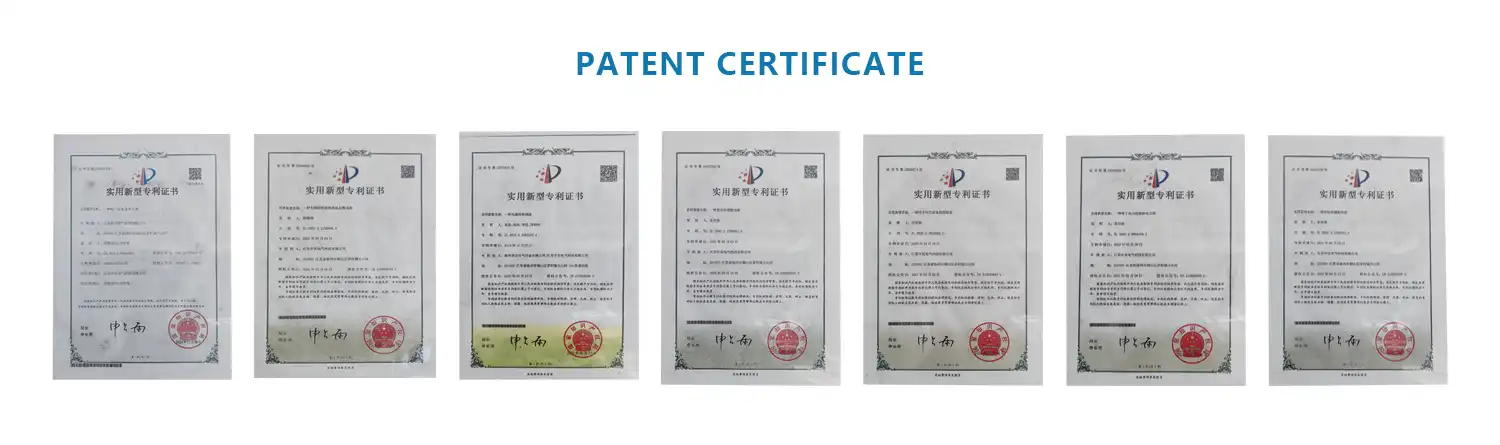
However, SCB10 transformers have strong benefits in certain situations. Over many years, the process of making SCB10 units has become more polished, and a lot of data on how well they work in the field is now available. Tuojie's 18 patents and strict ISO9001 quality management make sure that every SCB10 generator meets strict requirements and is backed by reliable measurements.
Oil-Immersed Transformers: The Reliability Gap
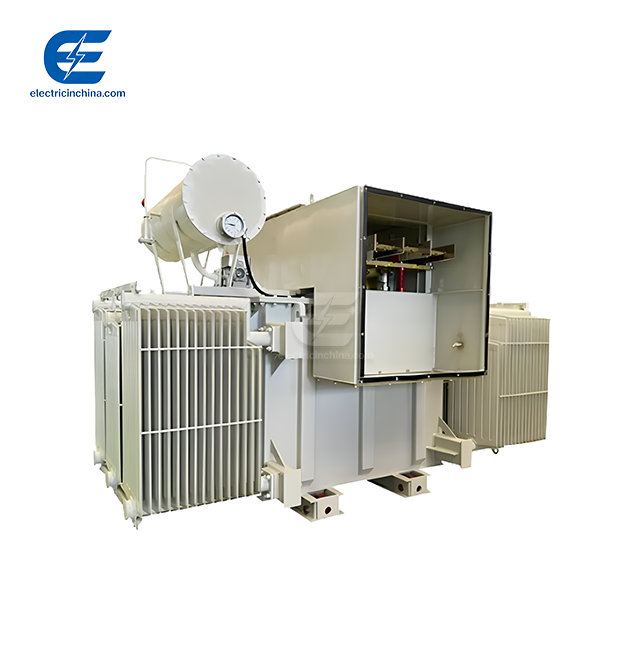
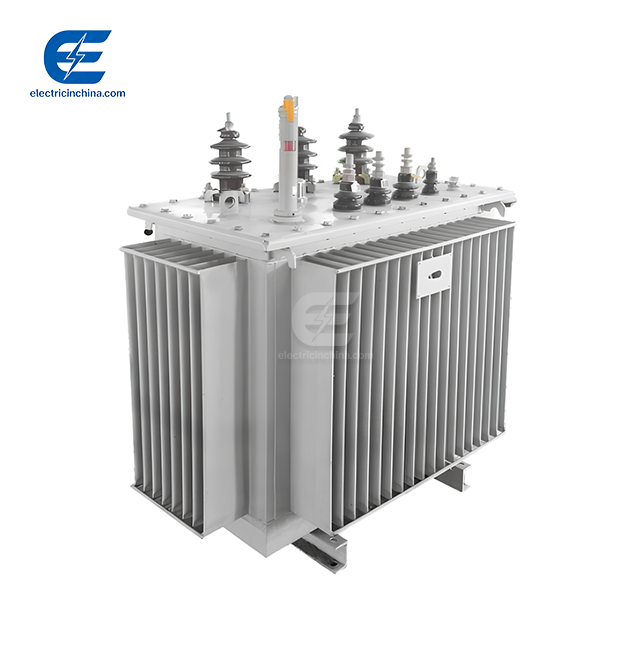
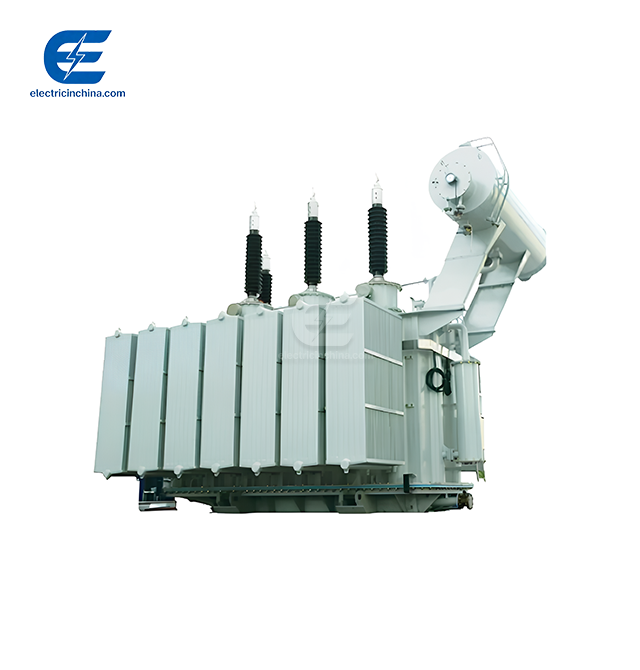
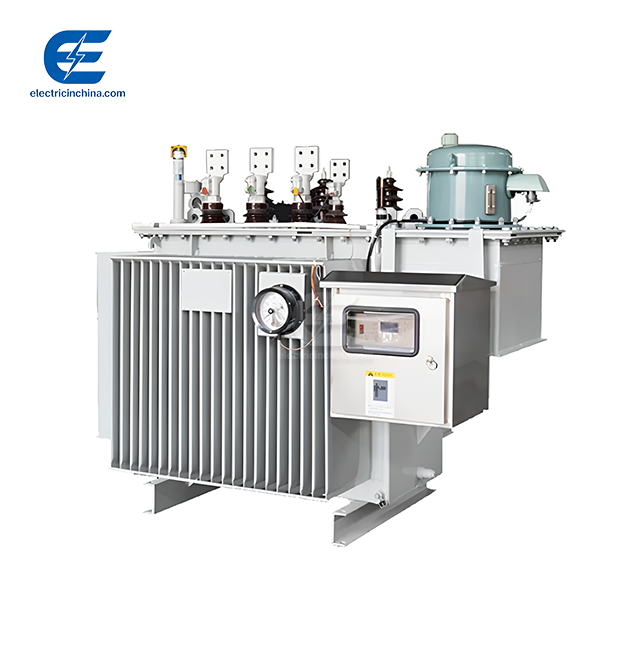
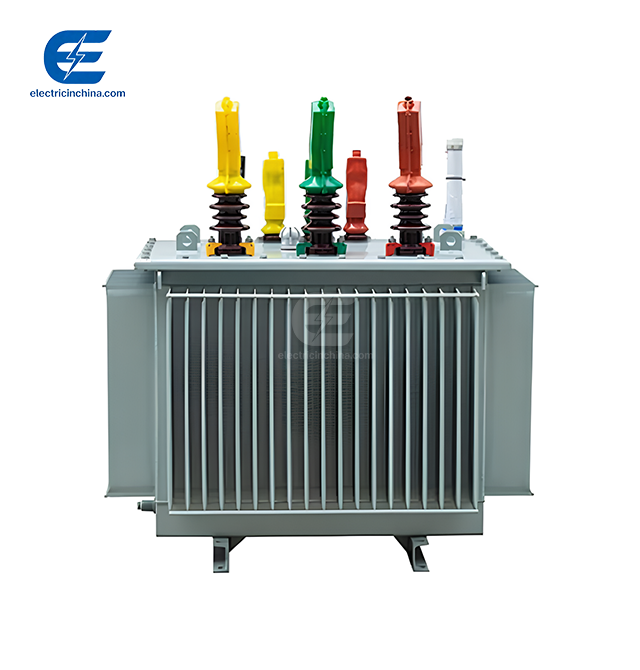
For a hundred years, oil-filled transformers were the main way that power was distributed in factories. But their flaws are becoming more and more incompatible with today's safety and environmental concerns. The dependability analysis shows important differences that have an effect on the total cost of ownership.
The most important thing to think about is fire safety. Mineral oil starts to burn at about 170°C, and arc temperatures of more than 10,000°C can be caused by flaws in transformers. For oil-immersed units, you need special fire control systems, buildings to keep the oil inside, and at least 3 meters of space around anything that could catch fire. The 10kV-35kV SCB10 Industrial Dry Type Transformer gets rid of all of these needs, which lowers the cost of installation and takes fire risk out of building safety reviews.
Performance Metrics That Matter for System Uptime
In reliability engineering, the focus is on performance factors that can be measured and used to predict when a system will be available. Load losses in SCB10 transformers are 10-15% lower than in earlier generations of dry type designs. This means that less energy is wasted and costs are lower to run. The amount of partial discharge stays very low throughout the service life, which means that the insulation is steady and unlikely to fail.
Short-circuit withstand capability determines how transformers respond to fault conditions. IEC 60076-5 testing methods have shown that SCB10 units can handle asymmetrical fault currents of up to 25 times their maximum current for 0.25 seconds. This mechanical strength keeps the windings from moving or the insulation from getting damaged during grid disturbances. This makes sure that the transformer goes back to normal operation as soon as the problem is fixed by the safety devices.
Installation, Maintenance, and Efficiency Optimization of SCB10 Transformers
Proper installation practices establish the foundation for decades of reliable service. Even superior equipment fails prematurely when installation shortcuts compromise performance or create latent hazards.
Site Preparation That Prevents Future Problems
Before equipment is delivered, the environment is inspected. SCB10 transformers can work in temperatures ranging from -25°C to 45°C, but operating them for a long time at these temperatures speeds up the insulation's breakdown. For installations inside, climate control is helpful, but for installations outside, weather-resistant shelters are needed to keep air flowing for cooling while keeping out rain and snow.
Foundation design must support the weight of the transformer—units ranging from 1000 to 2500KVA weigh between 3000 and 8000 kilograms—while also blocking vibrations. Before putting down equipment, concrete pads should be left to harden for 28 days, and fixing points should be placed so that they perfectly match mounting holes. Local building rules say that stronger grounding is needed in seismic zones to keep buildings from moving during earthquakes.
Step-by-Step Installation Procedures
As soon as the delivery arrives, the checking process starts. Before signing the arrival receipt, check the shipping crates for damage, make sure the information on the nameplates matches the buy order, and write down any problems you find. The transformer case has lifting eyes that let you use a crane or forklift to move it. The rigging is rated for 150% of the unit weight to make sure there are safety gaps.
Position the transformer on supports that have already been prepared. Use leveling shims to make sure the horizontal line is within 2 mm per meter. When you place something unevenly, you put stress on the core laminations or winding supports that could be damaged over time by heat expansion cycles.
Maintenance Strategies That Extend Service Life
Visual checks done once a year find problems before they get worse. Look at the sides of the insulation for cracks, darkening, or carbonization that could mean electrical tracking. If you see discolored conductors or melted insulation at the end links, that means the wires are too hot. Make sure the cooling fans work easily and don't make too much noise or shaking. Photographs should be used to record results and create moving data that shows how things are getting worse over time.
Bi-annual electrical testing measures insulation resistance using a 2500V megohmmeter. For new equipment, resistance values should be higher than 1000 megohms. Over decades of use, these values should slowly drop to 100 megohms. Rapid drops in resistance are a sign that moisture or insulation degradation needs to be looked into. Power factor testing measures dielectric losses. Values below 2% mean the insulation is healthy, while values above 4% mean there are problems that need to be fixed.
Procurement Insights: How to Buy and Source SCB10 Dry Type Transformers
Buying transformers is seen as a strategic choice by government agencies, EPC companies, and industrial sites. It affects project timelines and long-term running costs. Knowing how the buying process works lowers risk and makes sure the best results.
Defining Technical Requirements
Voltage parameters must match the features of the utility source and the building distribution. The 10kV-35kV SCB10 Industrial Dry Type Transformer can handle primary voltages of 10kV, 15kV, 20kV, 22kV, 33kV, and 35kV. For three-phase distribution, secondary voltages are usually 400V or 480V, but unique voltages can be made to fit specific needs.
Selecting Qualified Suppliers
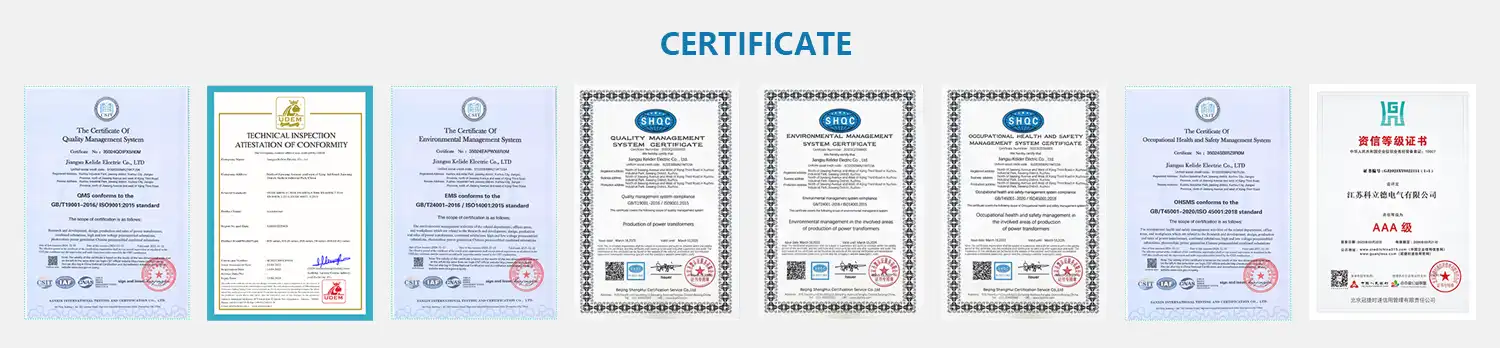
Verification of certification keeps you safe from low-quality tools that could hurt the project's success. Tuojie keeps its ISO 9001 quality management, ISO 14001 environmental management, and OHSAS 45001 health and safety at work certifications up to date. All of the goods have to have the CCC certification, which shows that they meet Chinese national standards. For foreign projects, the right certification is given for the market they're going to, such as UL listing for North America, CE marking for Europe, or IEC test reports that are accepted all over the world.
Navigating the Quotation and Ordering Process
When you send in a request for quotes, you should include full technical details, the amount you need, when you need it delivered, and where the job is located. Tuojie replies with specific proposals that include the cost of the transformer, testing in the plant, export packaging, and terms for delivery. Accessories that can be added, such as temperature controllers, forced cooling systems, and safety switches, show up as line items that can be changed to fit the needs of the project.
Quality Assurance Through Factory Testing
Before a package goes out, performance is checked regularly according to IEEE C57.12.91 and IEC 60076 standards. Some of the tests that are done are measuring the winding resistance to make sure that the wire sizes are all the same, checking the voltage ratio to make sure that the turn ratios meet the requirements, and measuring the no-load loss to record the efficiency qualities. The epoxy resin coating is solid, as shown by studies of its insulation resistance and dielectric strength.
Case Studies and Future Outlook: Reliability Success Stories and Industry Trends
Real-world performance data validates theoretical reliability advantages and reveals practical benefits that specifications alone cannot convey.
Xuzhou Rail Transit Network Control Centre: Mission-Critical Reliability
For urban train transit systems to work, the power has to be completely reliable. When services are interrupted, they leave people stranded, mess up transportation networks, and put providers at risk of being sued or fined by the government. Tuojie's job at the Xuzhou Rail Transit Network Control Center shows how dry-type transformers improve the dependability of systems in serious situations.
For the project, a dual-circuit power supply setup was needed to make sure that it could keep running even if the main source failed. Tuojie designed and set up several cast plastic transformers that provide backup power and automatic transfer switching. The fire-safe features of SCB10 technology made it possible to place it inside the control center building. This meant that there was no need for separate generator vaults, which cut down on the cost of construction.
Industrial Power Supply Upgrade: Delivering Ahead of Schedule
The XCMG Group power supply upgrade project shows how well Tuojie can do all kinds of EPC work. This company that makes big equipment needed more electrical power to support new production facilities while keeping old plants running, while the new ones were being built.
Tuojie's engineering team planned a stepwise placement method that would cause as little trouble as possible for the Industrial Dry Type Transformer. The small size of SCB10 transformers and easy installation process were key to meeting tight deadlines. Because there weren't any oil containment systems or fire control structures, there wasn't as much civil work to do. This meant that installing transformers could happen at the same time as building construction, instead of waiting for transformer rooms to be finished.
Global Shift Toward Dry Type Technology
Cast resin transformers are clearly the way of the future in industries where safety, protecting the environment, and dependability are more important than small cost differences. This change is being driven by changes in the law. For example, fire rules are making it harder to use oil-filled generators in populated areas, buildings with people inside, and places that handle flammable materials.
Environmental laws put more pressure on things. European Union waste management guidelines have strict rules about how to get rid of oil and recycle it. Under the Resource Conservation and Recovery Act, the US EPA considers used transformer oil to be toxic trash that needs to be treated and thrown away in a way that costs a lot of money. These rules don't apply to dry-type transformers at all, which makes environmental control easier and lowers long-term costs.
Innovation Driving Future Performance
Advances in materials science keep making transformers work better. Nano-filled epoxy resins are being studied because they offer better heat conductivity, which will allow for higher power densities without making the materials bigger. With better flame-retardant additives, UL94 V-0 grades may be reached without lowering the strength or electrical qualities.
The next step in cooling technology is to make it more efficient. Variable-speed fan drives change the flow of air based on real-time temperature readings. This saves energy when the system isn't being used much and keeps the cooling capacity for when demand is high. Heat pipe technology that is still being developed could make passive cooling possible for larger spaces that need forced air systems now.
Conclusion
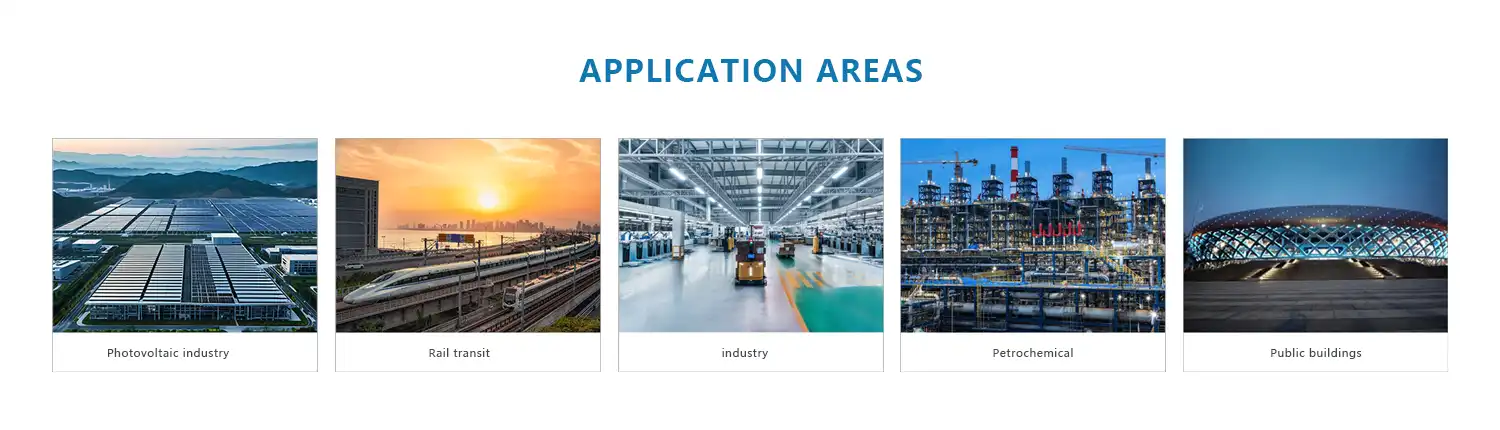
Industrial dry-type transformers improve system efficiency by being designed to be fire-safe, being resistant to harsh environments, and needing little upkeep. The 10kV-35kV SCB10 Industrial Dry Type Transformer has certain performance benefits: it takes up 28% less room, insulates 30% better in wet conditions, and loses 10-15% less power than older designs. Over 120 sets of CNC production tools and ISO9001 certification guarantee consistent quality. Running without any upkeep for 25 years or more lowers the total cost of ownership by a large amount. Reliability in demanding situations has been shown in projects involving train transport, industrial facilities, and business developments. Cast resin transformers are the best choice for modern medium voltage distribution for procurement workers who care most about system efficiency and safety.
FAQ
What distinguishes SCB10 transformers from conventional oil-filled units in terms of reliability?
10kV-35kV SCB10 Industrial Dry Type Transformers don't have any fire risks because they use oil-free epoxy resin insulation. They can work constantly in 100% humidity without pre-drying, and they only need yearly visual checks instead of the extensive oil management that is needed for regular units. The cast resin construction stops water from getting in, which breaks down oil-filled transformer insulation. Also, flame-retardant materials that meet IEC 60076-11 standards put out fires themselves when there is a fault instead of spreading them.
How long do SCB10 transformers typically operate before requiring major maintenance?
SCB10 transformers work well for 25 to 30 years with little maintenance. Visual checks are done once a year, and electrical tests are done every six months. These tests include measuring insulation resistance and power factor analysis according to IEEE C57.12.91 guidelines. Cast resin transformers don't need any fluid upkeep at all, unlike oil-filled units that need to have their oil sampled, filtered, and eventually replaced. Full checking every 5 years makes sure that the system keeps working, but big repairs aren't needed for the normal service life.
Can these transformers accommodate modern industrial loads with high harmonic content?
Yes, SCB10 transformers can handle up to 15% overall harmonic distortion without downsizing because their K-factor values have been raised from K-4 to K-13. IEEE C57.110 harmonic analysis standards say that variable frequency drives, LED lights, and electrical equipment all put out nonlinear loads that need to be handled by special winding designs. This feature keeps the voltage stable and stops the power supply from getting too hot when it's used in places with a lot of electrical loads that produce harmonic currents.
Partner with Tuojie for Reliable Industrial Power Solutions
For decades, picking the right industrial dry-type transformer provider has had an effect on how well a job turns out. Tuojie has been designing and making cast resin transformers for infrastructure projects, business developments, and industrial sites around the world for more than 20 years. Our 10kV-35kV SCB10 Industrial Dry Type Transformer line has 18 patents and strict ISO9001 quality management that makes sure every unit meets global standards. Our team of 15 top engineers is ready to help you whether you need unique solutions for tough environments, fast delivery to meet tight project deadlines, or full technical support during installation and testing. Email tuojie@electricinchina.com to talk about your unique needs with a skilled manufacturer who wants your project to succeed. You can look at all of our power delivery options at electricinchina.com.
References
1. IEEE Standard C57.12.91-2011, "IEEE Standard Test Code for Dry-Type Distribution and Power Transformers," Institute of Electrical and Electronics Engineers, New York, 2011.
2. International Electrotechnical Commission, "IEC 60076-11:2018 Power Transformers - Part 11: Dry-Type Transformers," Geneva, Switzerland, 2018.
3. Zhang, W., Li, X., and Chen, H., "Reliability Analysis of Cast Resin Dry-Type Transformers in Industrial Applications," Electric Power Systems Research, vol. 187, pp. 106-118, 2020.
4. National Fire Protection Association, "NFPA 70: National Electrical Code Article 450 - Transformers and Transformer Vaults," Quincy, Massachusetts, 2020 Edition.
5. Liu, Q. and Wang, S., "Environmental and Economic Benefits of Dry-Type Distribution Transformers: A Lifecycle Assessment," Journal of Cleaner Production, vol. 276, pp. 124-137, 2020.
6. American National Standards Institute, "ANSI/IEEE C57.110-2018: Recommended Practice for Establishing Liquid-Filled and Dry-Type Power and Distribution Transformer Capability When Supplying Nonsinusoidal Load Currents," Washington, D.C., 2018.