

.webp)
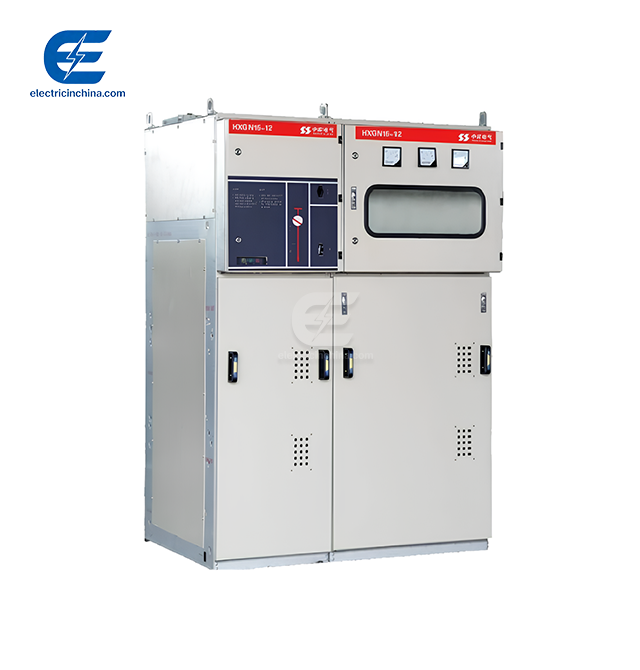
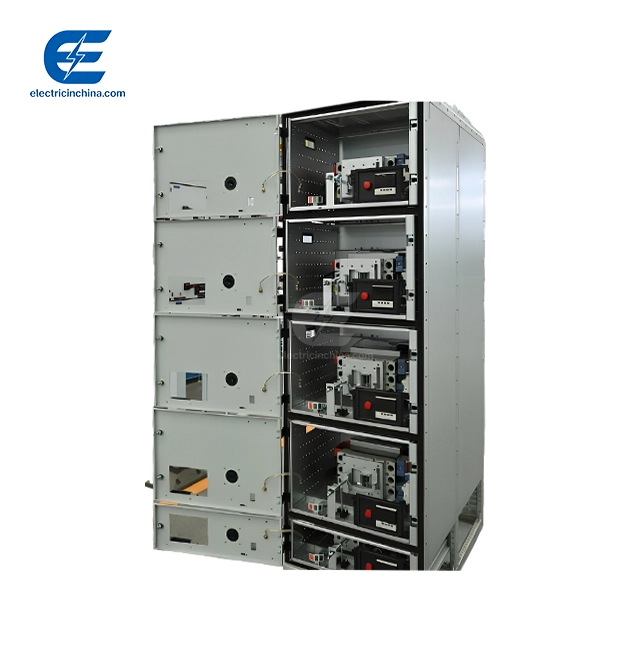
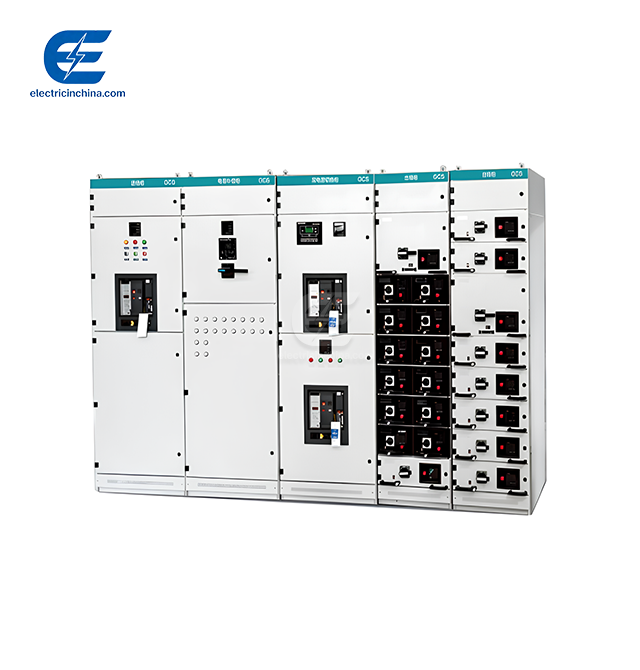
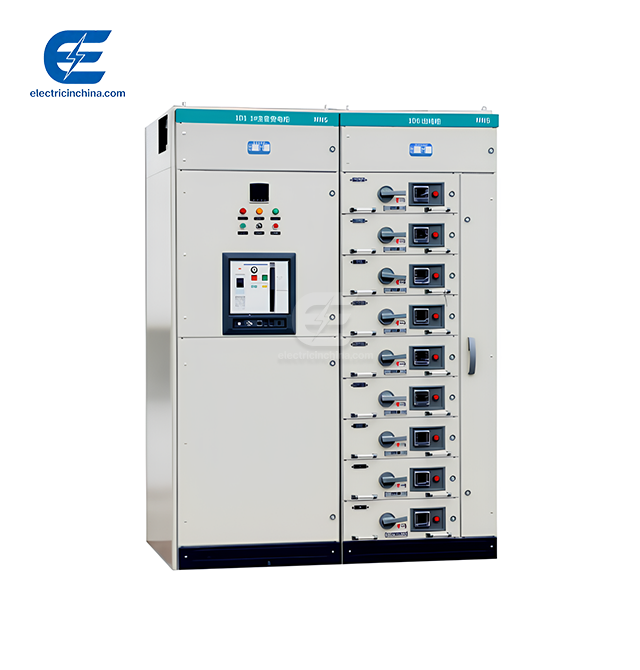
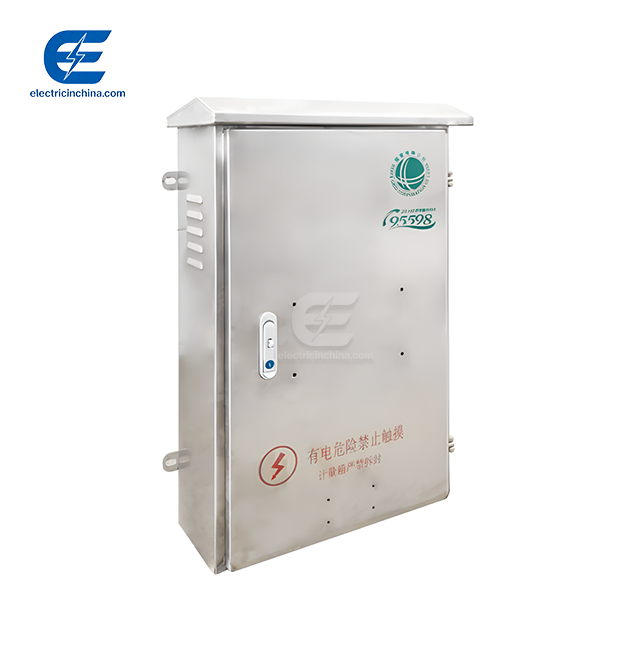
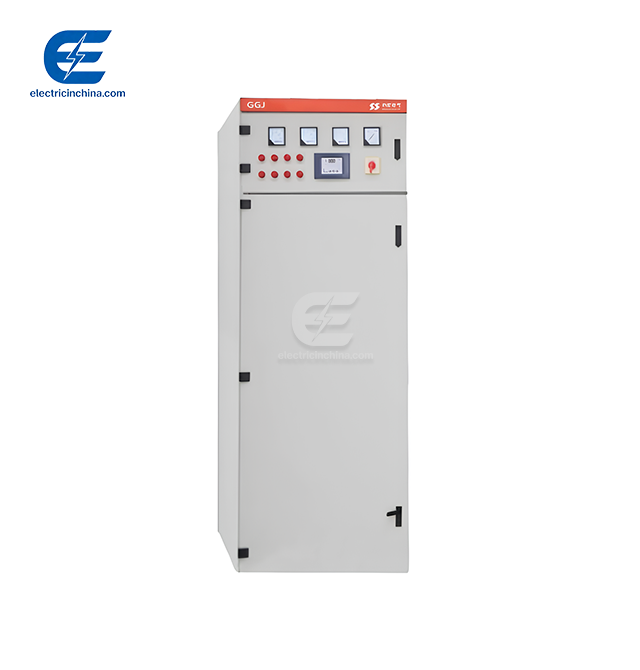
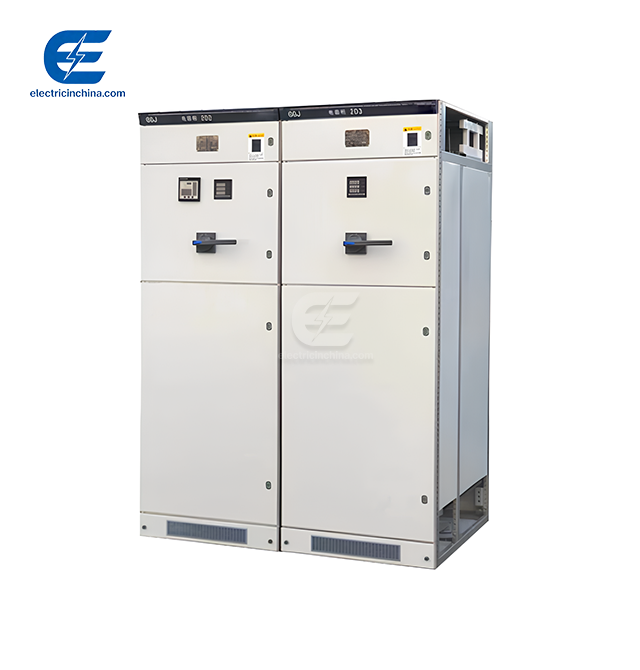
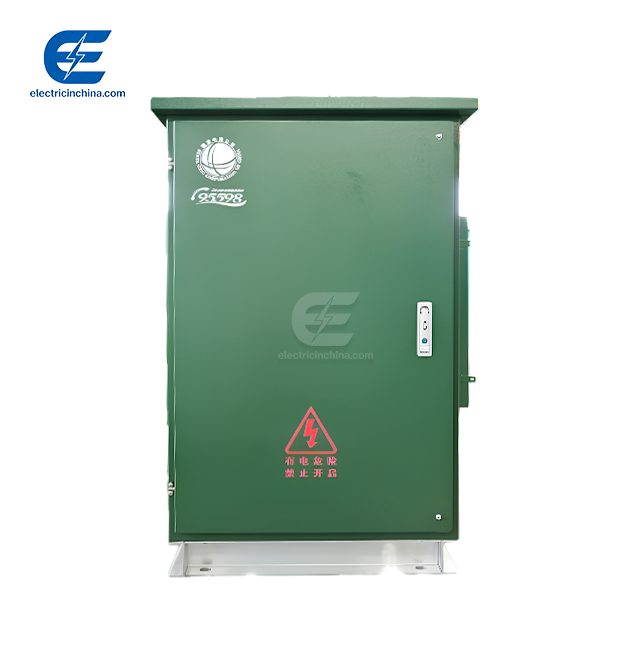
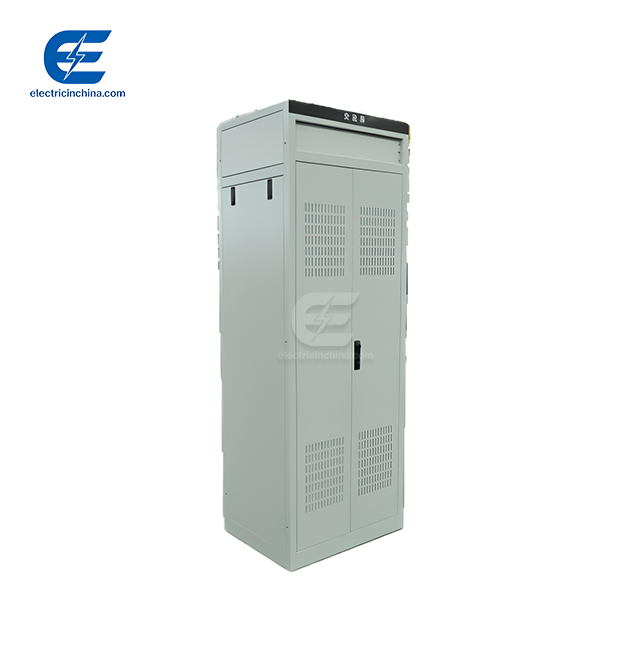
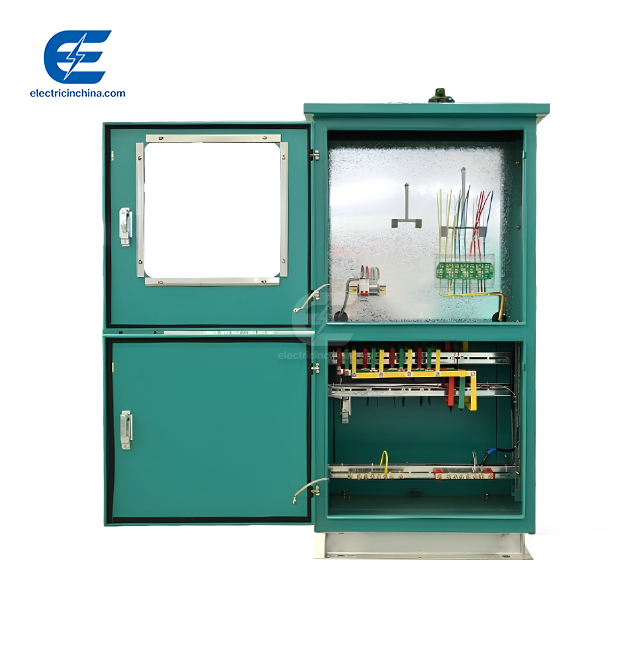
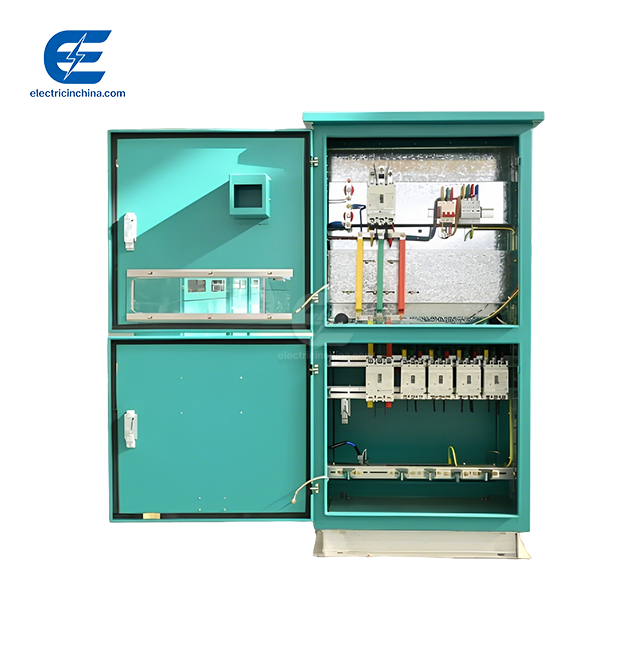
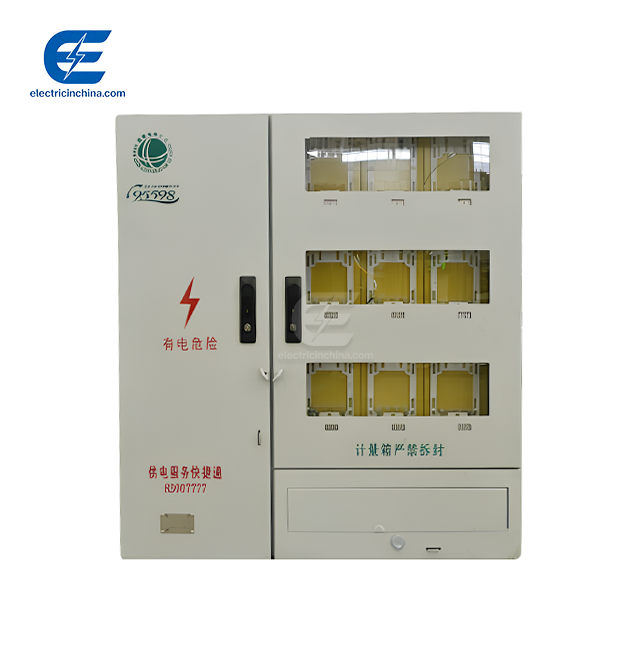
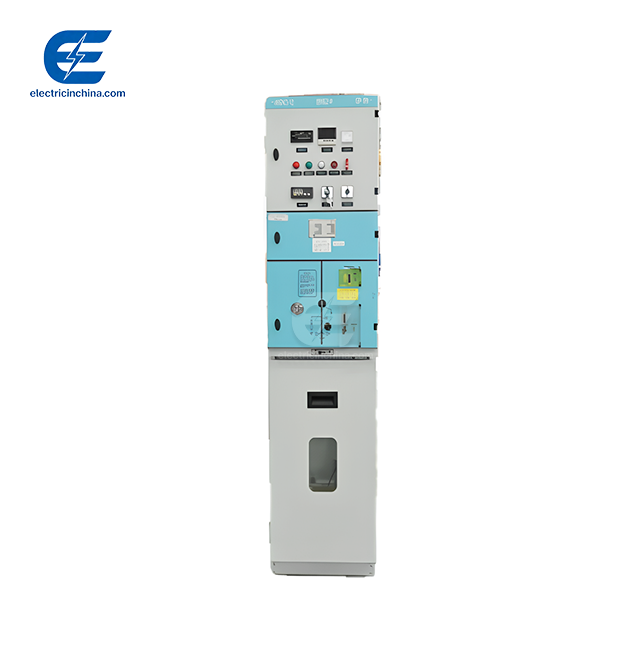
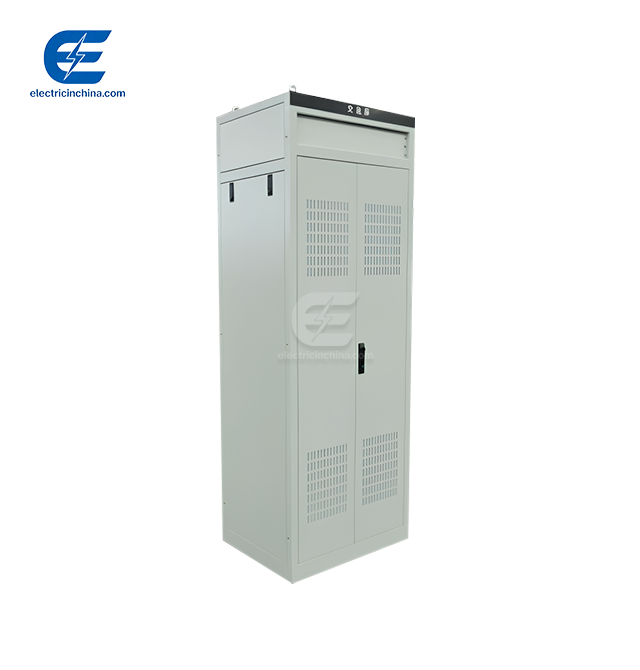
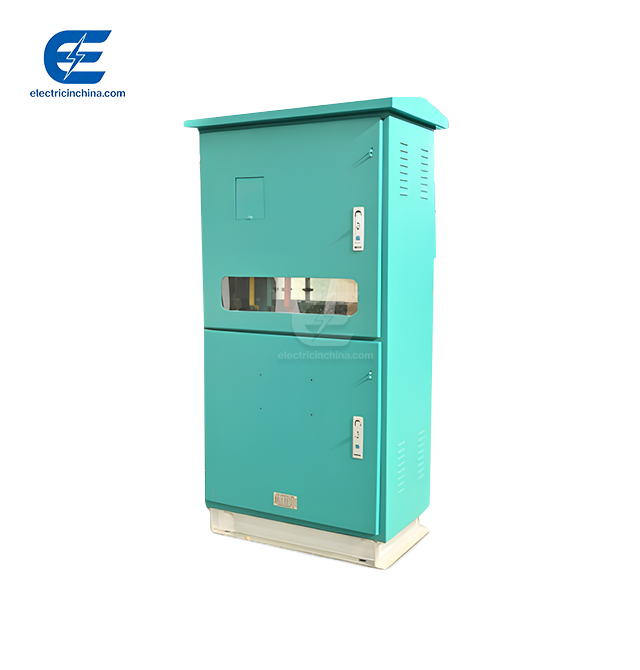
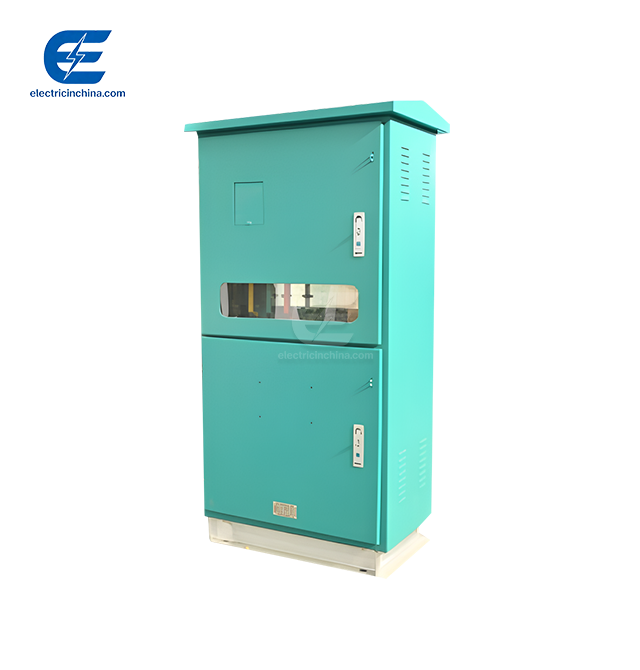
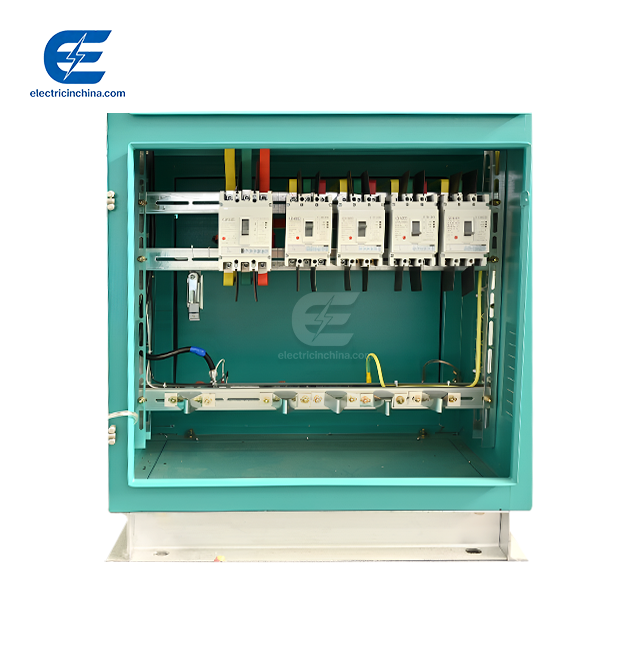
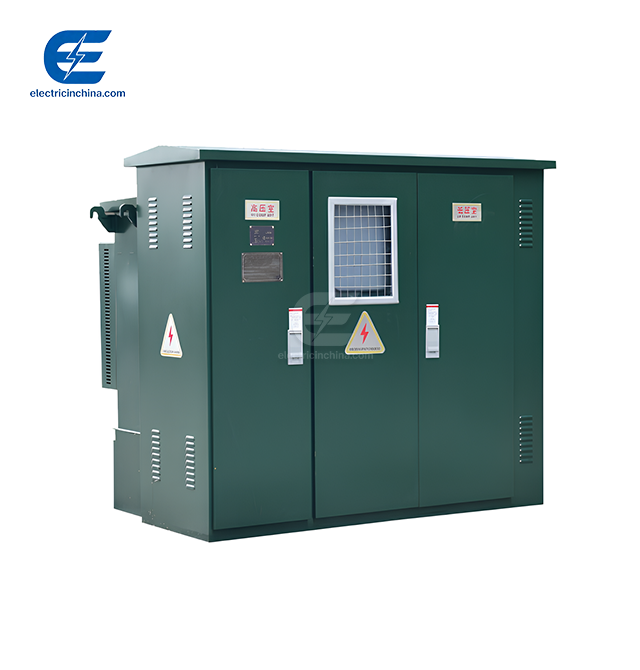
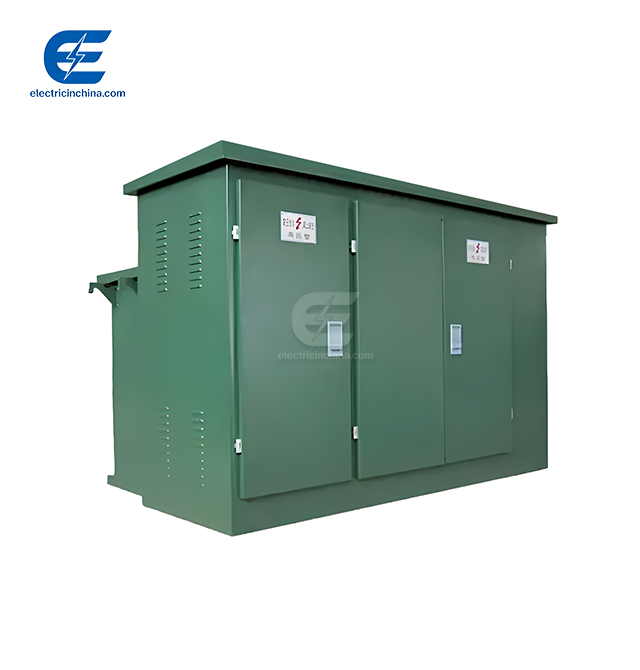
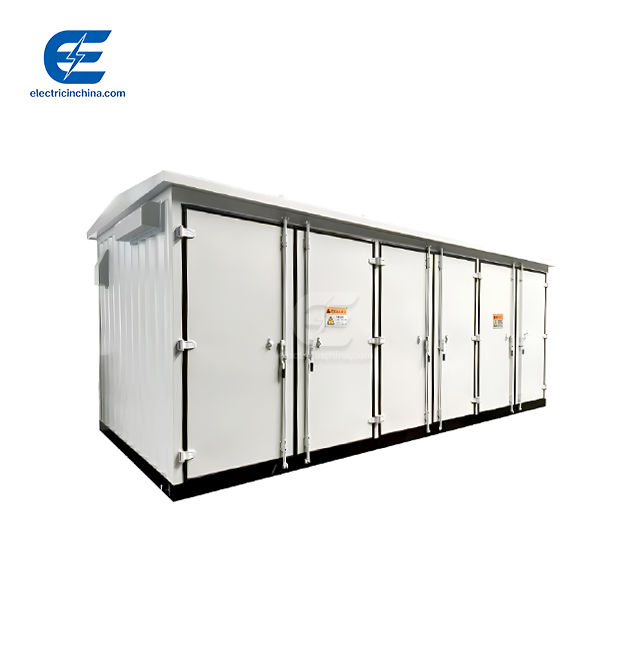
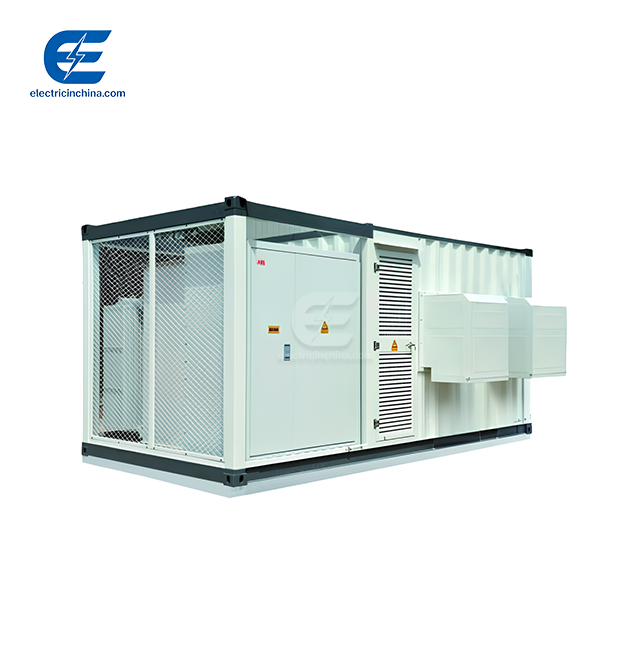
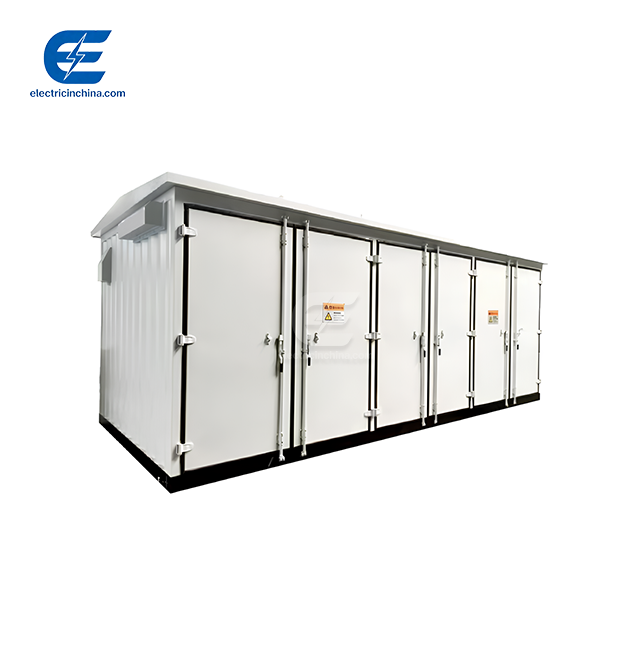
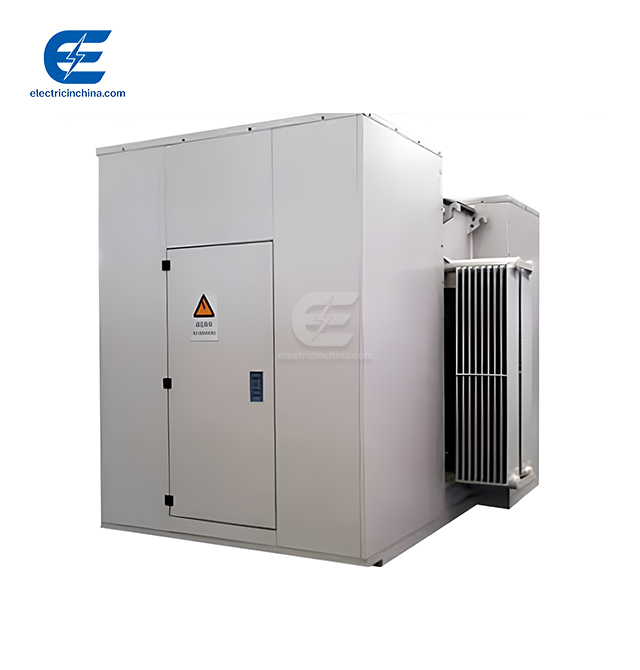
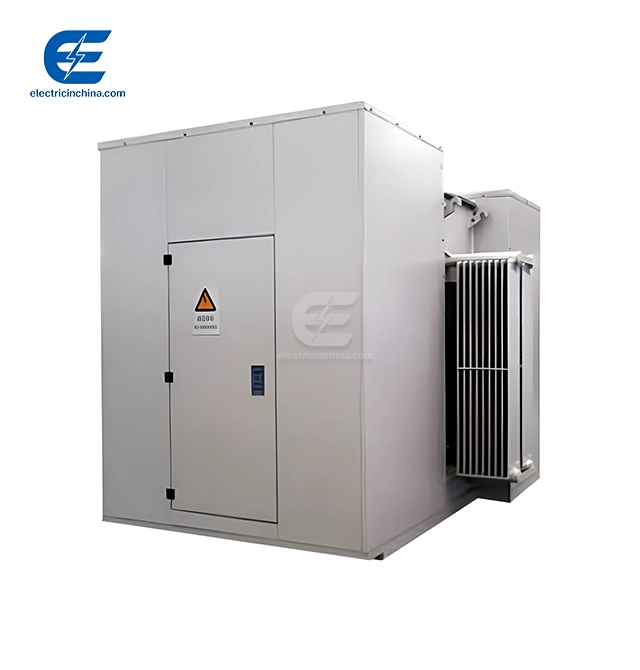
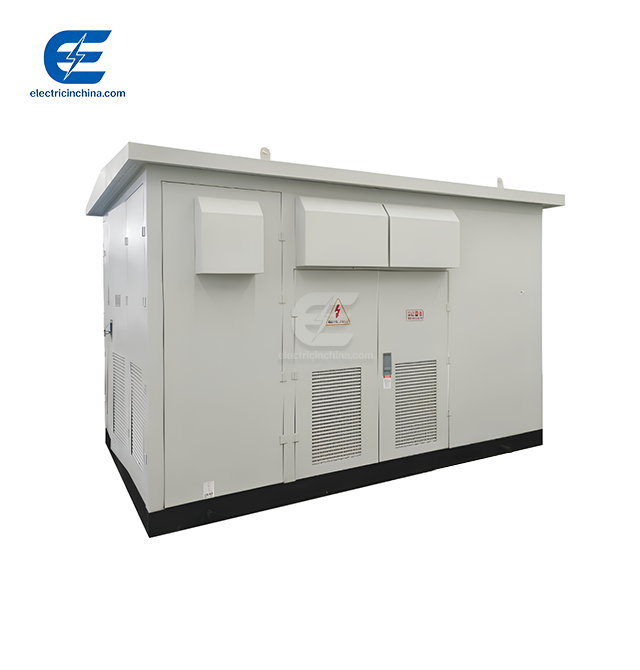
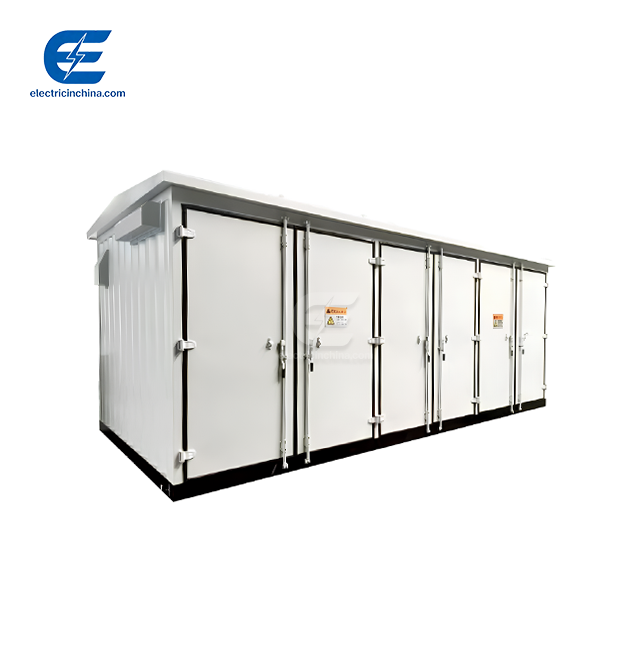
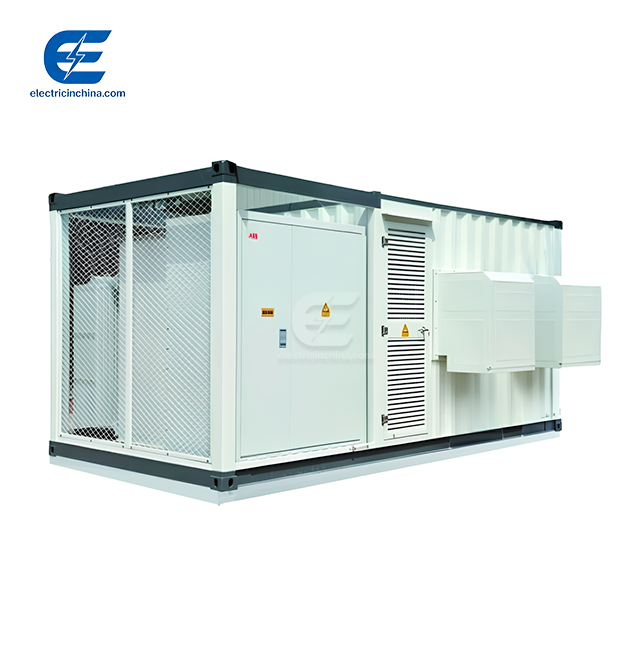
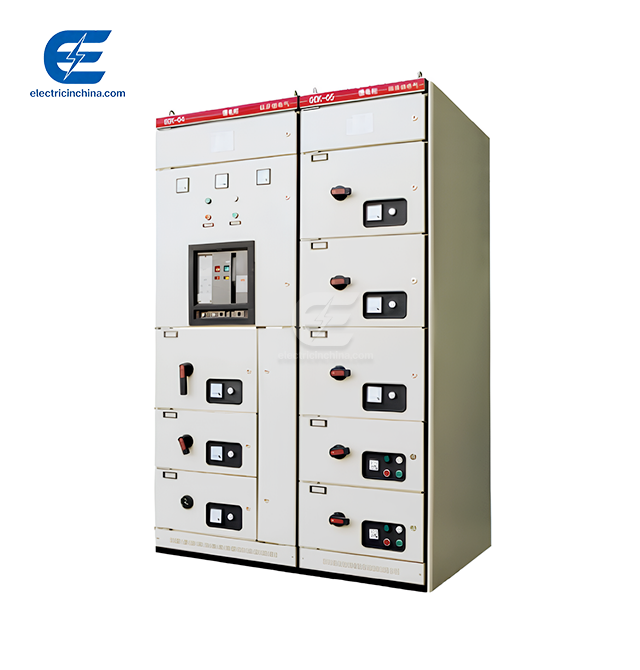
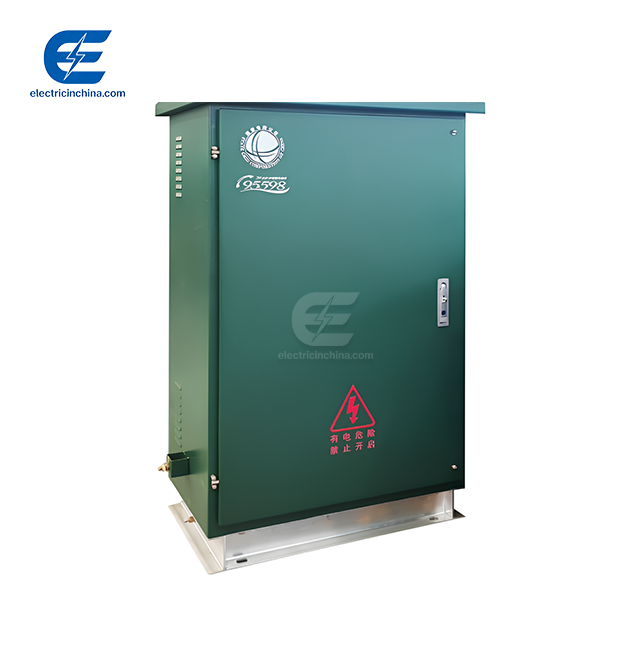
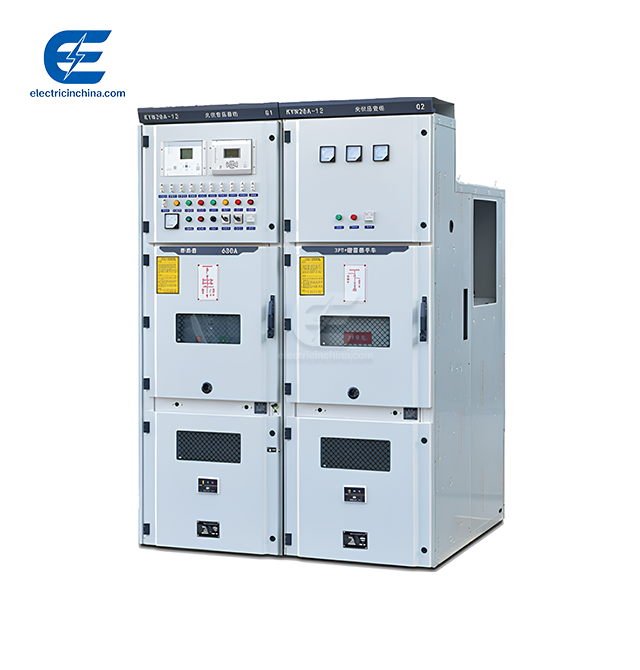
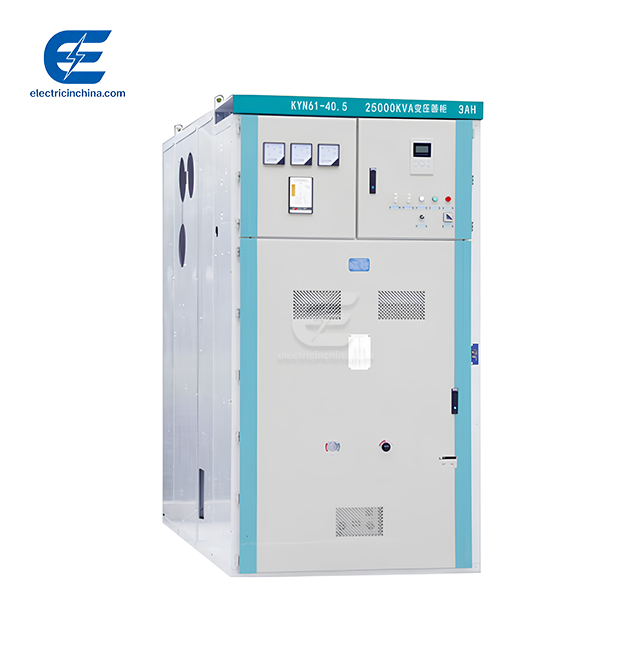
Procurement teams need clear answers about safety and dependability when they look at power distribution tools for big projects. The electricity performance, safety procedures, and environmental resistance of prefabricated substations must all meet stringent international standards. The YBM Series Prefabricated Substation meets all of these needs because it combines high-voltage switches, transformers, and low-voltage distribution into a single unit that is built in a workshop. This small solution meets the standards of ISO 9001, ISO 14001, and OHSAS 45001 and has been used successfully in government buildings, business projects, and factories around the world.
Overview of Prefabricated Substation Standards
Knowing the rules that apply to prefabricated electrical equipment will protect your investment and make sure that the project goes well. International groups make rules about everything, from the amount of electricity that can be used to the strength of buildings.
Why Standards Matter for Your Project
There are standards in place to reduce risk. When looking for power distribution equipment for building projects, certifications show that the companies that make it follow quality procedures that have been checked. The International Electrotechnical Commission (IEC) and the Institute of Electrical and Electronics Engineers (IEEE) put out standards that cover things like electrical safety, protecting the environment, and how long something can work. Regional standards, like China's GB procedures and North America's UL requirements, make it easier to make sure that things are safe in different places.
These licenses have a direct effect on the time it takes for projects to be approved for B2B buyers who are in charge of bidding on government contracts or EPC projects. Before giving out permits, regulatory bodies often need written proof that the rules have been followed. Third-party audit trails are kept at our plant throughout all stages of production to make sure that every unit that leaves our building meets all the necessary standards. This well-documented method takes the guessing out of evaluating purchases.
Global Recognition Through Certification
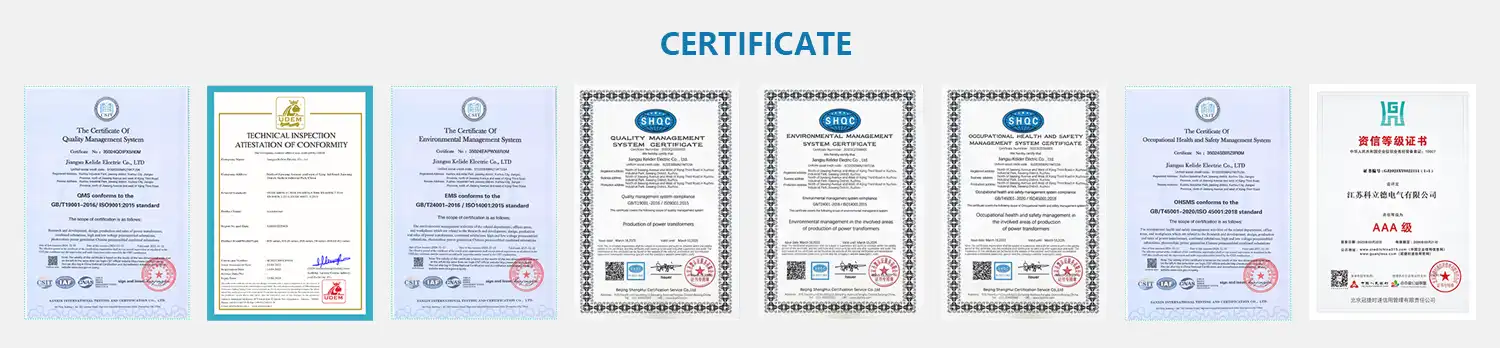
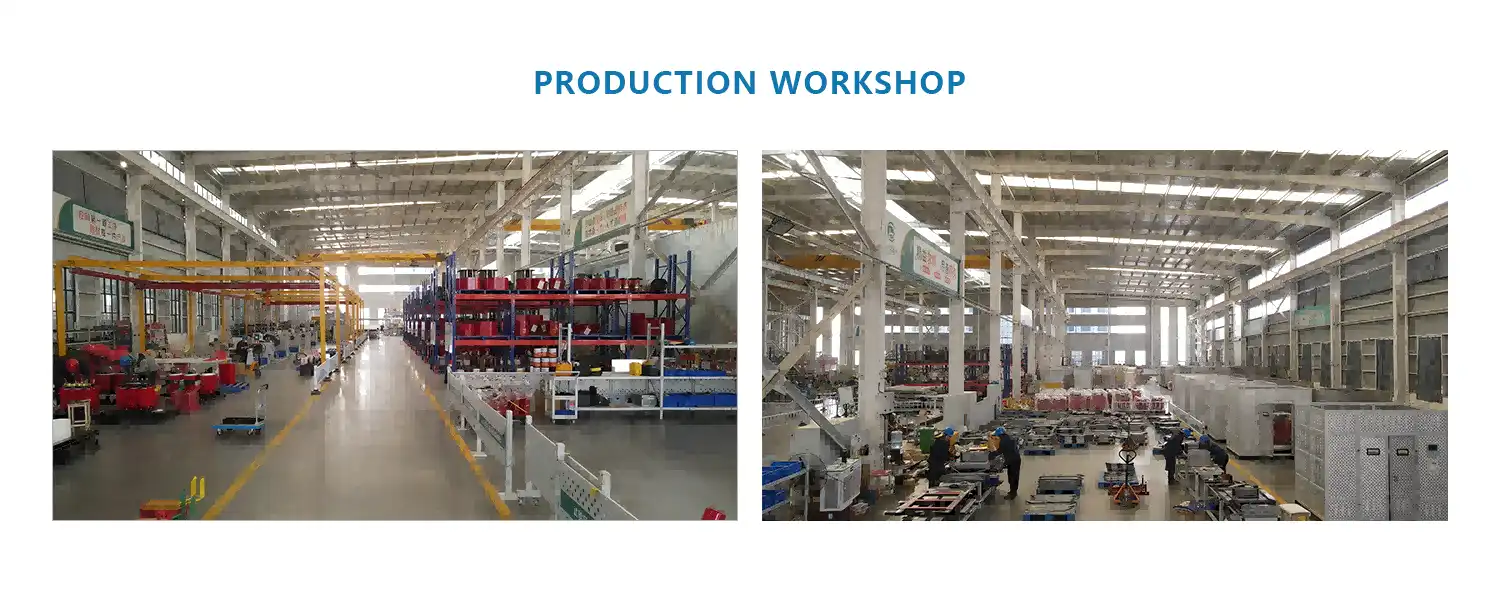
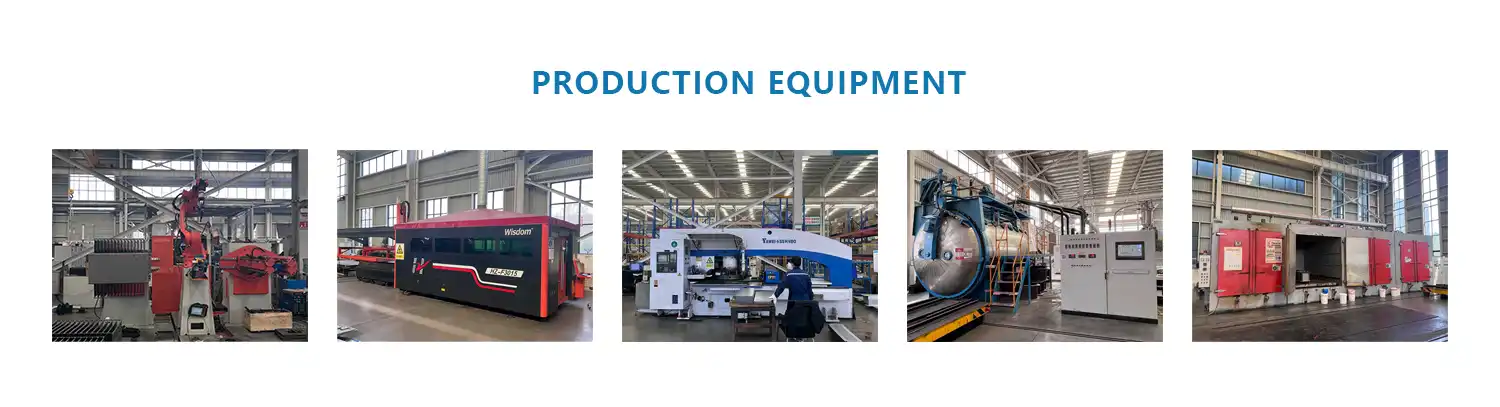
Our factories are certified to follow OHSAS 45001 for worker health and safety, ISO 9001 for quality management, and ISO 14001 for environmental management. These licenses aren't just for show; they're part of a system that runs through our whole production process. Quality checks make sure that international standards are followed at every step, from choosing the raw materials to testing the finished product. We use high-tech tools like CNC automatic winding machines and microcomputer-controlled gradient curing ovens to do more than 120 checking processes.
IEC 60060-1 standards are used to test the YBM Series Prefabricated Substation for impulse voltage withstand, which ensures that the insulation is still good when 95kV lightning strikes. Electrical safety limits are confirmed by checking the power frequency at 38kV for 60 seconds. These tests show that each unit can handle electrical stress without putting the safety of the user or the stability of the system at risk.
Technical Standards and Design Criteria for Prefabricated Substations
Technical specs spell out what a piece of equipment can really do in the real world. Knowing these parameters helps you correctly match answers to the needs of the job.
Electrical Performance Requirements
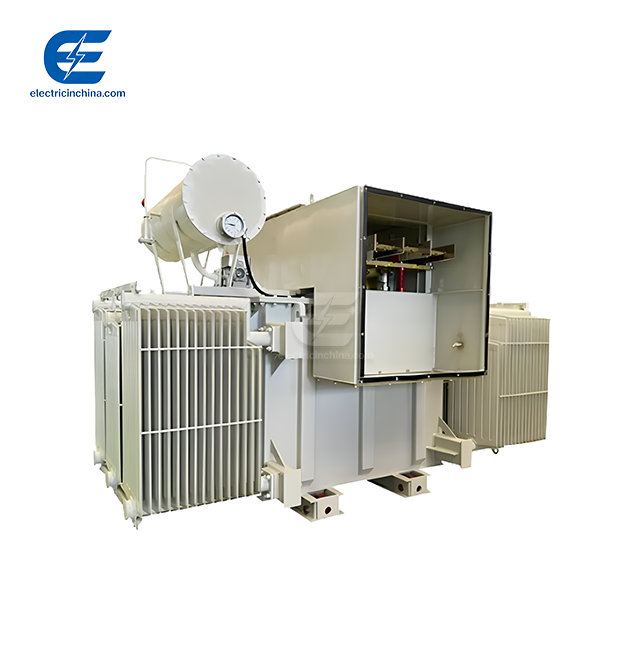
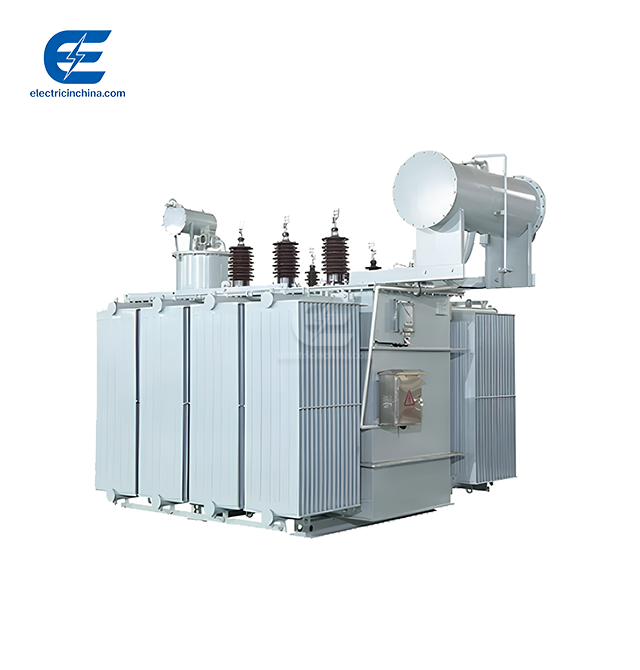
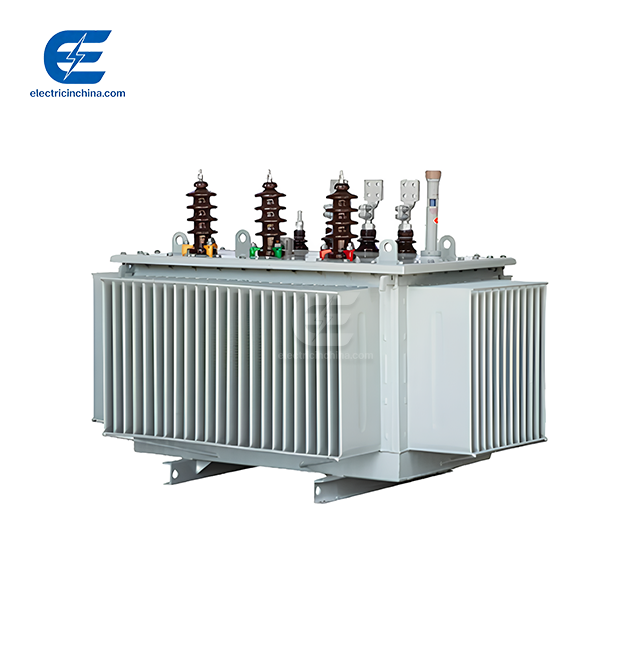
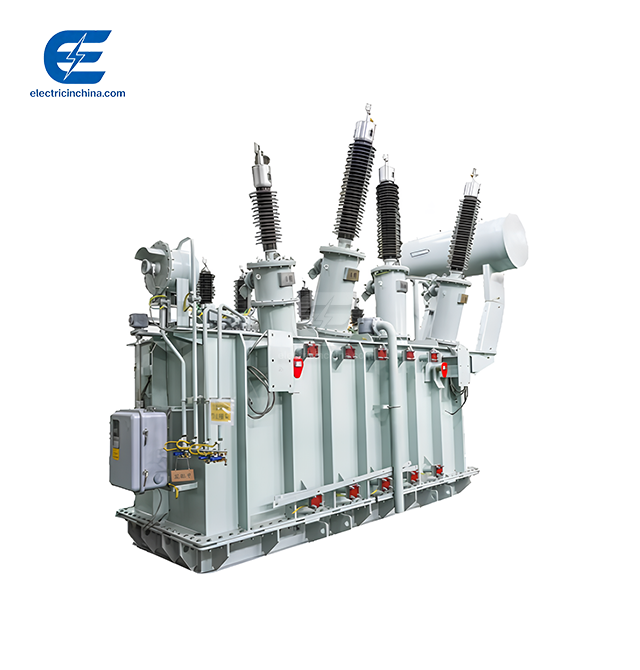
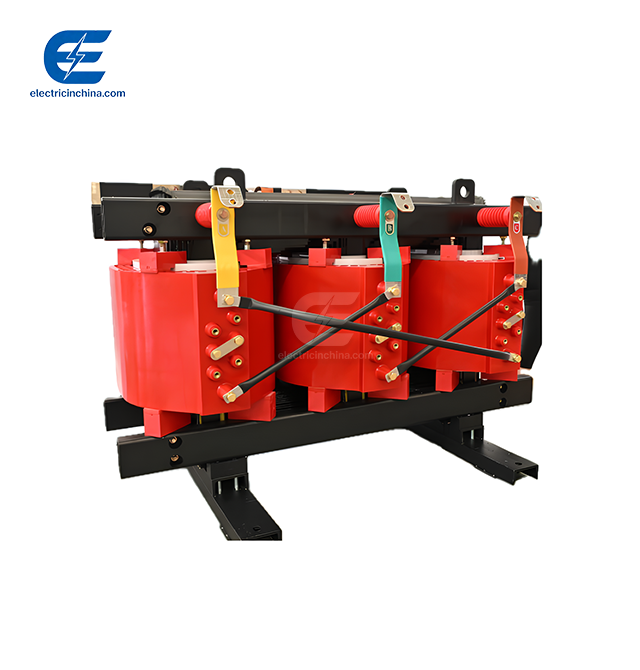
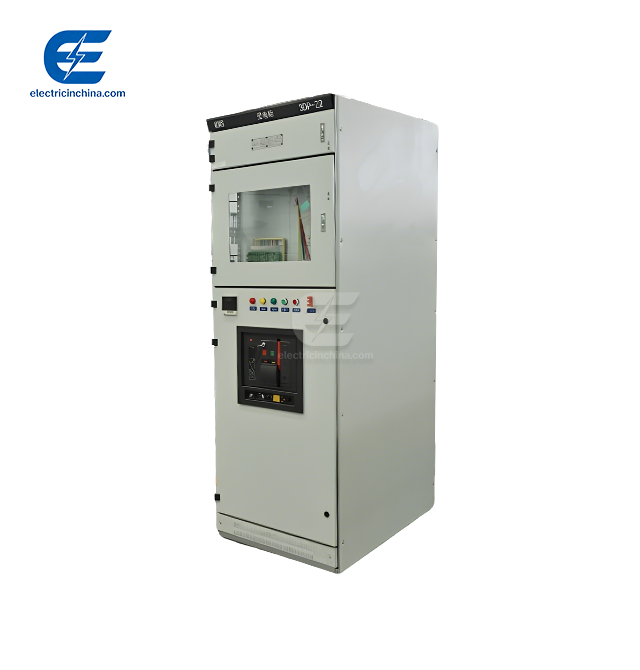
Voltage levels set the limits of what can be done for the YBM Series Prefabricated Substation. Our fixed substations can handle main voltages between 6kV and 35kV, and their transformers can handle 315kVA to 2500kVA. The secondary system works at 0.4kV and can handle normal business and factory loads. The short-circuit withstand capacity can hit 25kA for 3 seconds, which protects devices when there is a fault.
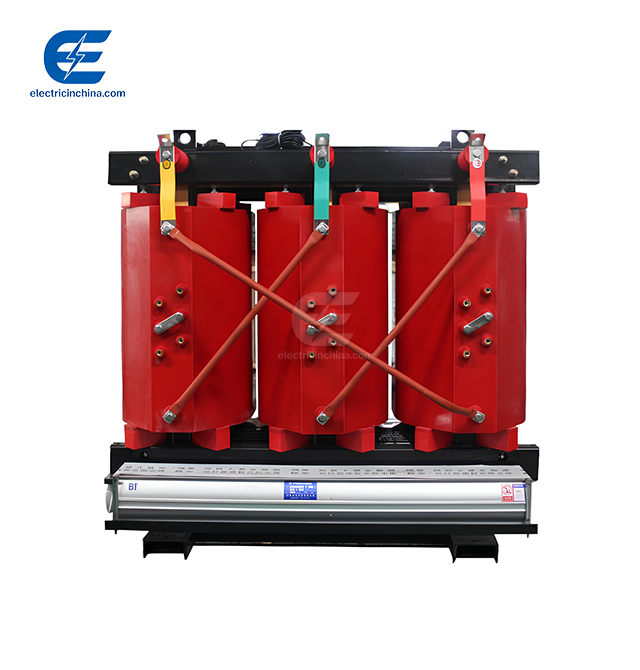
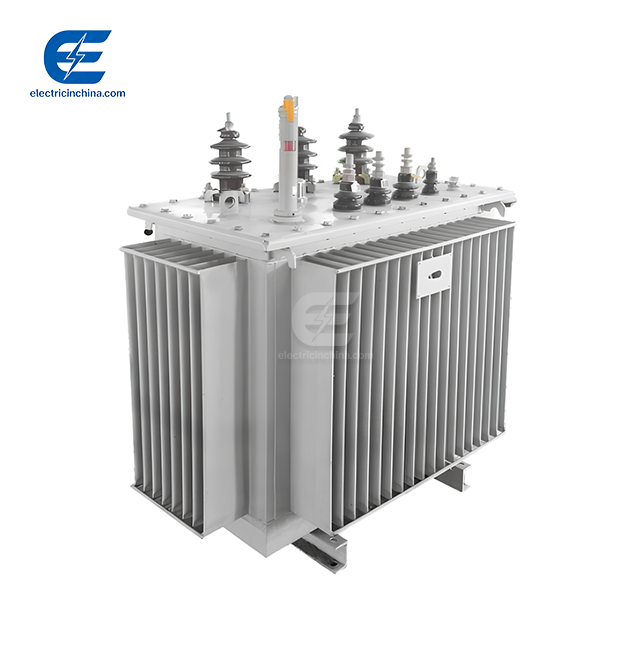
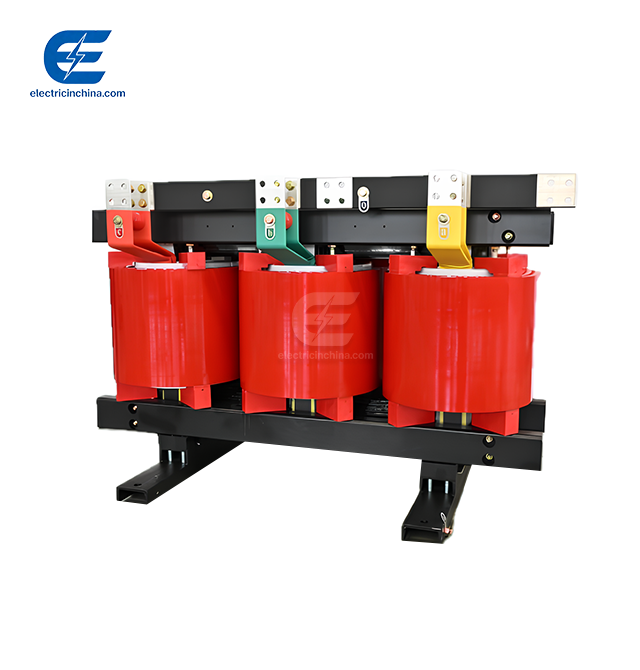
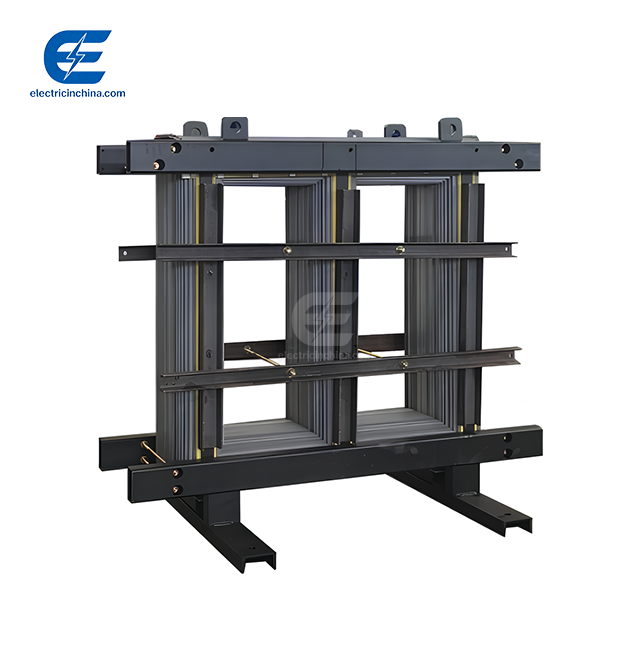
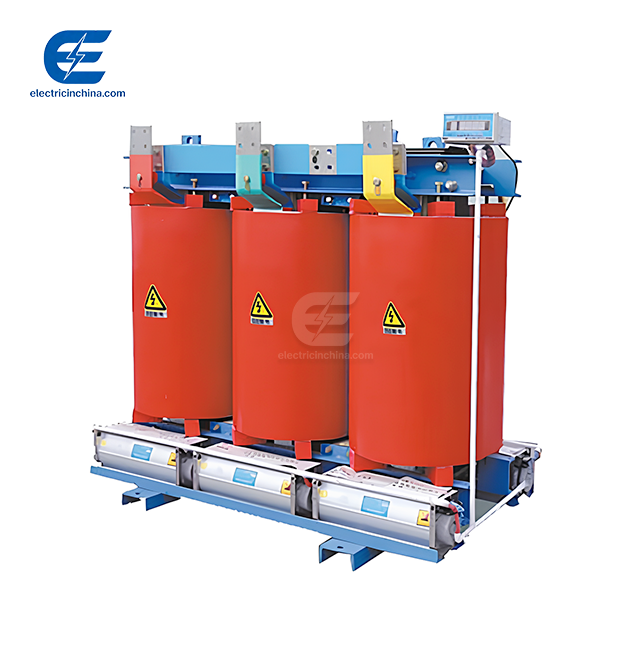
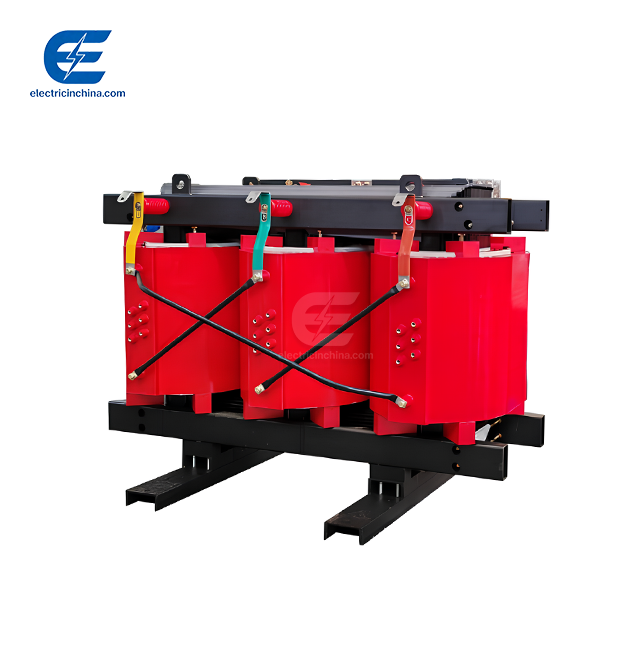
IEC 60076 standards are used for insulation coordination, which makes sure that electrically separate parts stay separate in both normal and abnormal situations. Losses when there is no load stay below 0.8% of maximum capacity, which makes the best use of energy. High-quality cold-rolled grain-oriented silicon steel is used in the core of the transformer. This cuts down on core losses and improves magnetic performance. Vegetable-based shielding oil is better at managing heat than regular mineral oils, which makes parts last longer.
Environmental and Structural Standards
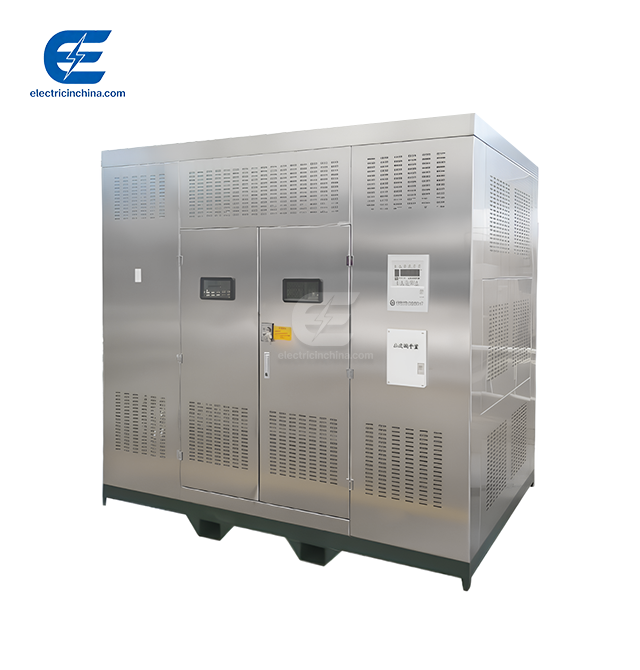
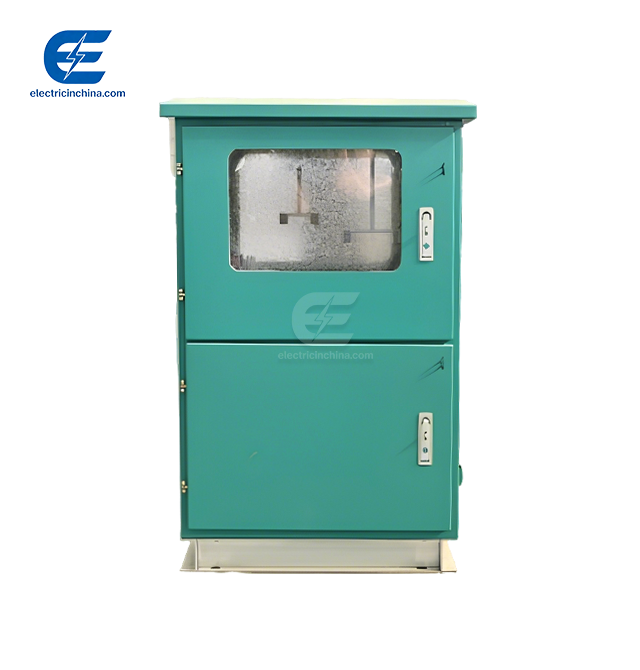
The working conditions at different project sites are very different. Our containers are made of stainless steel that has been coated with polyester powder. This gives them IP54 protection against dust and water getting in. With this grade, your equipment will still work in open settings where it will be subject to rain and other environmental pollutants. IK10 mechanical impact resistance keeps things from getting broken while they are being installed or used.
Thermal cycling studies have shown that the device works in temperatures ranging from -40°C to +50°C. ASTM B117 salt spray testing shows that sites near the coast, where salt air speeds up material breakdown, will not rust. As high as 2000 meters above sea level, it can handle work in mountainous or high-plateau areas without any problems.
Modular Design Principles
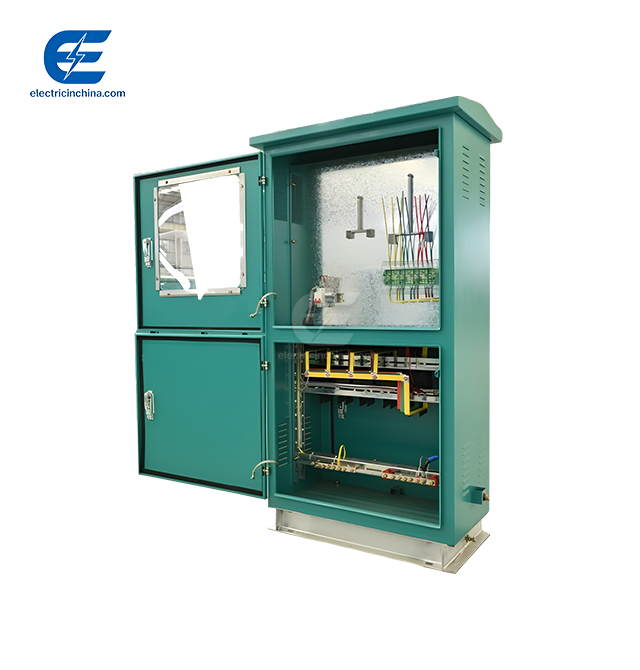
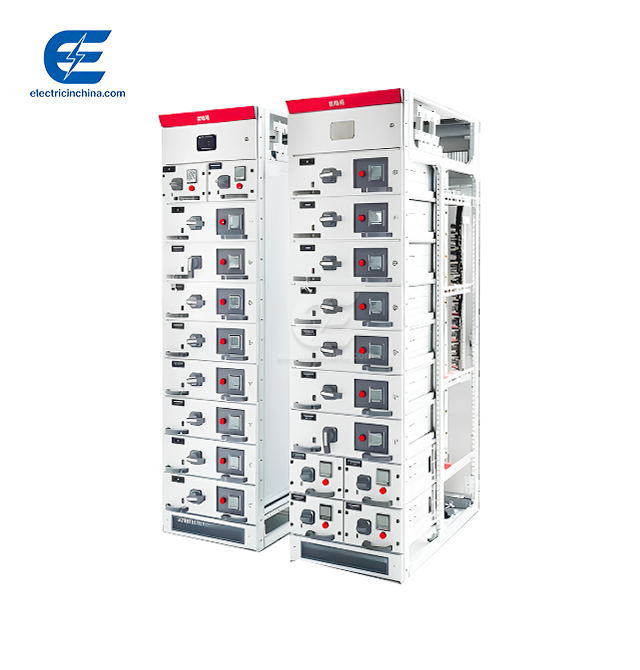
These days, distributing power needs to be flexible. The high-voltage, transformer, and low-voltage parts of our flexible design are all kept separate. This set-up lets repair be done on one part of the system without turning it off, which cuts down on downtime. Before it is put together, each section is tested by a separate group, which makes sure that each part is reliable.
Compared to traditional substations, these small ones take up 30% less space when they are installed. This smart use of room is useful for urban projects where the cost of land sets the budget. The design allows for future growth—the low-voltage part can add more modules without having to update the whole system. This scalability saves the money you spent on equipment as the need for power grows.
Safety and Installation Standards for Prefabricated Substations
Safety rules keep people safe during installation, use, and upkeep. Full guidelines cover electricity risks, fire risks, and the strength of structures.
Electrical Safety Measures
Electrical safety is built around grounding circuits. There are several grounding contacts on the base channel steel in our substations, as well as neutral points for transformers and links for lightning arresters. All grounding uses the same earthing method that has resistance less than 4 ohms to safely get rid of fault currents. Grounding wires have the right minimum cross-sectional area to carry electricity.
Arc-resistant design that meets the IAC AFLR rating has internal arc faults that keep workers away from the explosive energy. Unsafe actions are stopped by interlocking devices. For example, doors can't open while equipment is turned on, and circuit breakers won't close when they sense danger. Insulation coordination stops electricity from moving between circuits, keeping equipment that is linked safe.
Fire Protection and Suppression
Fire control devices that are built in automatically find and deal with thermal events. Temperature sensors check the oil in the transformer and the air in the room, setting off alarms before they hit levels that could cause an explosion. Fire-resistant walls separate rooms, keeping possible fires in different areas. The way the ventilation is designed keeps dangerous gases from building up inside the transformer.
All of the shielding materials in our plant are tested for flame spread to make sure they meet flammability standards. At the places where cables enter, fire-rated seals keep the compartments' integrity during heat events. These multiple layers of defense keep fires from starting over the 30-year life of the building.
Installation Process Standards
Long-term dependability depends on how well the work was done. We give you full installation manuals that cover everything from preparing the base to lifting the equipment and testing it after it's been put in place. When goods are shipped, they come with special moving tools that spread the weight evenly and keep the structure from getting damaged during transport.
According to the foundation standards, the cables must be laid horizontally and sealed with cement mortar between the base and the concrete. This keeps rainwater from getting into the cable sections. High-voltage and low-voltage wires are connected through bottom sealing plates that keep the surroundings safe. After installation, techs test its functionality by making sure the working mechanism is flexible, the secondary contact is reliable, the meter is accurate, and the relay is calibrated. These regular checks make sure that the equipment works right before it is turned on.
Comparing YBM Series with Industry Standards and Competitors
Comparing performance shows useful benefits that affect how well a job turns out. Data-driven research shows us where our answers go above and beyond what is required.
Installation Speed and Efficiency
Traditional building on-site for YBM Series Prefabricated Substation takes months of work and leaves projects open to delays caused by bad weather and inconsistent quality. Our factory-assembled method gets rid of these issues. Over 120 sets of precise tools are used to put together each part in climate-controlled buildings. The time it takes to set up is cut in half because the units come ready to connect. Projects that used to take four months to finish now only take six weeks.
This timing compression makes money in a measured way. Overall return on investment is higher when labor costs are lower, operating facilities bring in more money faster, and project funding costs are kept to a minimum. Predictable installation plans make it easier for EPC companies to manage multiple projects at once, better contract performance, and allocate resources more efficiently.
Operational Advantages
Modern technology is different from older methods because it works with the smart grid. Current, voltage, power factor, and transformer temperature are all tracked in real time by built-in tracking. Telemetry, signaling, control, and change are the four remote tasks that give you a full picture of the system. Automatic fault recognition separates the troublesome areas and moves the loads within one minute, keeping the power on.
Because it works with SCADA, network control can be done from one place. Operations teams keep an eye on many delivery places from a single control room. This cuts down on the number of staff needed and speeds up response times. This information is very useful for companies that are in charge of large networks and factories that need to be very reliable.
Lifecycle Cost Analysis
The initial buying price is only one part of the total cost of owning. Long-term worth is based on how much energy something uses, how often it needs to be maintained, and how long it lasts. Our no-load losses of less than 0.8% mean that we waste less energy than less efficient options. Over the course of 30 years, these savings add up pretty quickly.
Due to protected construction and high-quality parts, maintenance needs are still very low. Transformer insulating oil keeps its dielectric qualities longer than natural options, which means that it doesn't need to be serviced as often. Modular design lets you change parts without having to redo the whole system, which lowers the cost of upgrades in the future.
Procurement Considerations: Ensuring Standards in Purchase and Delivery
Picking the right supplier is what makes a job successful. Your procurement investment is safe if you check the production capabilities, the authenticity of the certifications, and the service promises.
Verifying Manufacturer Credentials
The first step in evaluating a Prefabricated substation provider is to look over their paperwork. Ask for copies of the product testing results, ISO certifications, and quality inspection laboratory accreditations. Real producers give third-party certification papers that can be tracked back to the authorities that issued them. Our buildings have up-to-date ISO 9001, ISO 14001, and OHSAS 45001 certificates that can be checked.
The ability to meet shipping dates is shown by manufacturing capacity. Over 120 pieces of equipment are used in our production, such as CNC automatic winding machines, CNC static vacuum casting machines, and automatic foil winding machines. This infrastructure enables regular quality output and on-time delivery. We've finished hundreds of important power projects in the industrial, business, and municipal engineering fields.
Customization and Technical Support
Different markets have different regional needs. Our engineering team changes designs to fit local power standards, the surroundings, and the rules and regulations that apply. Not only are electrical standards customizable, but so are enclosure finishes, cable entry setups, and tracking system protocols. All of these can be changed to fit the needs of the project.
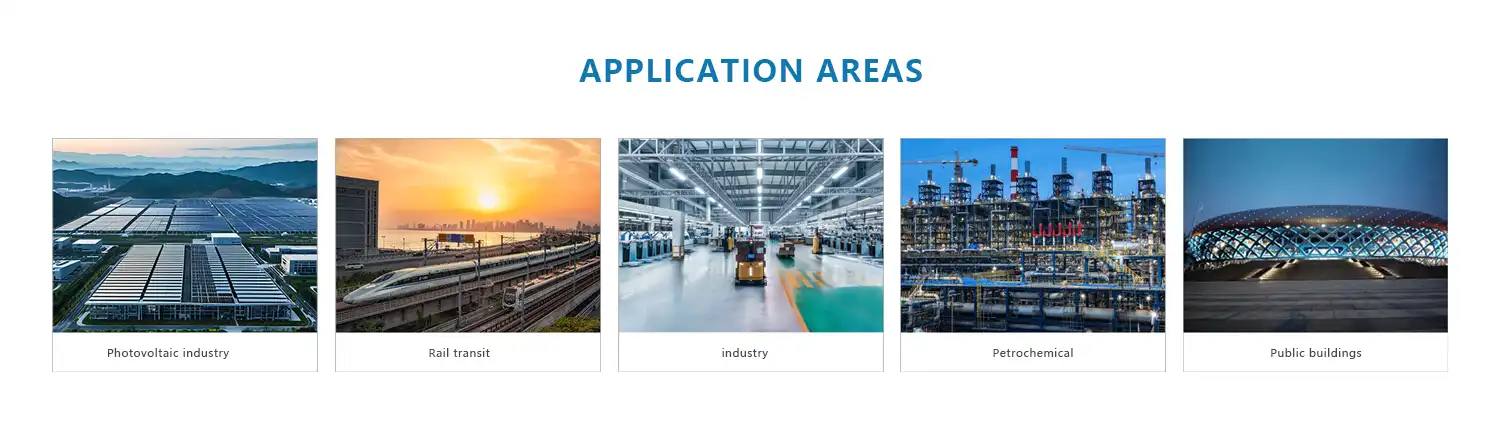
Technical help lasts after the arrival. Installation help, setup help, and user training will make sure that your team gets the most out of the equipment. Case studies from similar applications that have been documented can be used as guides, which lowers the risk of implementation. Our work on projects ranging from rail transit networks to solar industrial parks has taught us how to do a lot of different things.
Warranty and After-Sales Service
Full insurance coverage shows that the maker is confident in their product. We give full protection terms that cover problems with the way the product was made and performance promises. As part of after-sales help, spare parts are made available, technical advice is given, and emergency reaction plans are made. Long-term partnerships with more than 100 partner companies make sure that parts will always be available throughout the life of the equipment.
The lead time for unique configurations is usually between 6 and 10 weeks, but it depends on how complicated the specifications are. Bulk purchases are given priority scheduling, and transportation planning is offered for deliveries to more than one location. Our business mindset stresses that we are responsible for the needs of our customers and that the quality of our products and the way we buy them are both important to us.
Conclusion
When choosing prefabricated substations, it's important to know the standards that apply and what the maker can do. International approvals from IEC, IEEE, and ISO make sure that basic rules are followed, and technical standards spell out what needs to be done. The YBM Series Prefabricated Substation offers high-quality factory-assembled products that can be installed 60% faster, leave a 30% smaller footprint, and fully integrate with smart grids. We have been in the business for 20 years and are certified in ISO 9001, ISO 14001, and OHSAS 45001, which means we can provide reliable power distribution options for government buildings, commercial developments, and industrial sites. Strict quality control using high-tech production tools and well-organized testing methods ensures success in a wide range of working conditions, from coastal installations to high-altitude projects.
FAQ
What international standards does the YBM Series meet?
Our prefabricated substations meet the requirements of IEC 61330 for small substations, IEEE C57.12.29 for equipment that is fixed on a pad, and IEC 60076 for power transformers. IEC 60529 says that enclosures must have IP54 entry protection, and IEEE 693 says that they must also be qualified for earthquake zones. All of the units are tested for impulse voltage according to IEC 60060-1 standards and for electromagnetic compatibility according to IEC 61000 series standards.
How are safety measures verified during installation?
As part of the pre-commissioning testing, the grounding resistance is measured to make sure it is less than 4 ohms, the insulation resistance is tested at the rated voltage, and the safety switch calibration is confirmed. Thermal imaging scans find possible hot spots, and partial discharge testing shows that values are below 50pC at the recommended voltage. Before turning on the power, all connecting mechanisms, SCADA communication methods, and arc fault detection systems are put through functional testing to make sure they work.
Can specifications be customized for regional requirements?
Of course. To make sure they meet local standards, our engineers change power rates, frequency specs, and environmental protection levels. Customization includes choosing how to enter cables, how to set up a tracking system, how the container looks, and how strong it is against earthquakes. We've provided custom solutions in a wide range of temperatures, from -40°C in the Arctic to +50°C in the desert, while always following all local safety and electricity codes.
Partner with Tuojie for Reliable Prefabricated Substation Solutions
Because we care about professional quality and customer satisfaction with the YBM Series Prefabricated Substation, we've been able to power hundreds of important infrastructure projects in the business, industrial, and municipal sectors. As a company that has been making and selling prefabricated electrical equipment for 20 years, Tuojie can provide all of your power delivery needs in one place. Our modern production facilities, which have more than 120 sets of precise equipment, make sure that the quality of your project is always the same and that it is delivered on time. The small, factory-tested design cuts the time it takes to install by 60% and meets all safety and efficiency standards around the world. Email our expert team at tuojie@electricinchina.com to talk about the needs of your project and get a personalized estimate. You can look at our track record of providing reliable power solutions by visiting electricinchina.com and reading through our full specs, case studies, and certification paperwork.
References
1. International Electrotechnical Commission. (2019). IEC 61330: Compact AC Metal-Enclosed Switchgear and Controlgear for Rated Voltages Above 1 kV and Up to and Including 52 kV. Geneva: IEC Publications.
2. Institute of Electrical and Electronics Engineers. (2020). IEEE C57.12.29: Standard for Pad-Mounted Equipment—Enclosure Integrity for Coastal Environments. New York: IEEE Standards Association.
3. American Society for Testing and Materials. (2018). ASTM B117: Standard Practice for Operating Salt Spray (Fog) Apparatus. West Conshohocken: ASTM International.
4. International Organization for Standardization. (2021). ISO 9001: Quality Management Systems—Requirements. Geneva: ISO Central Secretariat.
5. International Electrotechnical Commission. (2017). IEC 60076: Power Transformers—Part 1: General Requirements. Geneva: IEC Publications.
6. Institute of Electrical and Electronics Engineers. (2018). IEEE 693: Recommended Practice for Seismic Design of Substations. New York: IEEE Power and Energy Society.