

.webp)
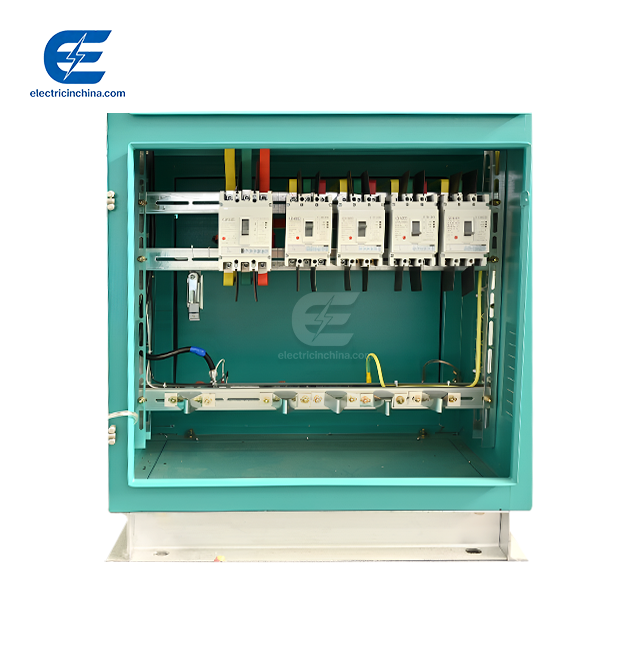
When dry-type transformers get too hot, it can cause sudden downtime or even catastrophic equipment failure, which is very bad for business. The main reasons are usually too many core losses, not enough air flow, overloading, and harmonic distortion from loads that don't act in a straight line. Modern Amorphous metal dry-type transformers solve many of these problems with new core materials that produce 70–80% less heat when the transformer is not in use compared to traditional silicon steel designs. This lowers thermal stress and increases the operating life.
Understanding Overheating in Dry-Type Transformers
It takes time for things to get too hot. Electrical stress, environmental factors, and substance limits all work together to cause it, and they get worse over time.
The Physics Behind Transformer Heat Generation
There are two main ways that every transformer turns a small amount of electrical energy into heat: core losses and copper losses. Core losses happen all the time, even when the transformer is not in use. This steady loss of energy happens because magnetic regions inside the core material don't move during each AC cycle. High hysteresis losses are a property of traditional silicon steel cores, which means they keep their magnetic alignment and need a lot of energy to change direction 50 or 60 times per second.
Copper loss changes based on the load. Resistance makes heat that is equal to the square of the current as it moves through the windings (I²R losses). When you use a transformer beyond its stated capacity, these losses rise quickly, making sparks that damage the insulation and shorten the transformer's useful life.
Early Warning Signs You Shouldn't Ignore
Before failure happens, the rise in temperature tells the story. When modern units are used normally, they keep the temperatures of the windings below 155°C for Class F insulation and 180°C for Class H systems. When factors in the environment stay the same but temperatures rise, age speeds up. The Arrhenius equation for electrical insulation systems says that the life of the insulation is cut in half for every 10°C rise above the rated temperature.
Voltage control problems show up as a drop in performance. When there is a load on a circuit, the voltage drops become more noticeable as the temperature rises. We've seen transformers lose 2% to 3% of their ability to control power when they're working 30°C above their design temperature, which has a direct effect on sensitive equipment further down the line.
Material Selection and Design Fundamentals
Baseline economy and thermal effectiveness are based on the core material. Silicon steel cores have been used for a long time and are cost-effective, but they do have some problems. Because they are made up of crystals, they have magnetic resistance that turns into heat. The direction of the grains and the width of the laminates help, but basic physics sets temperature floors that technology can't break through.
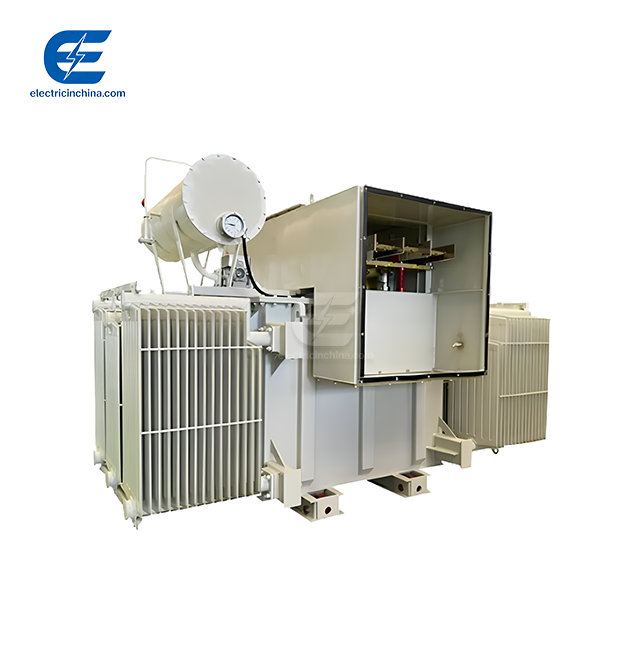
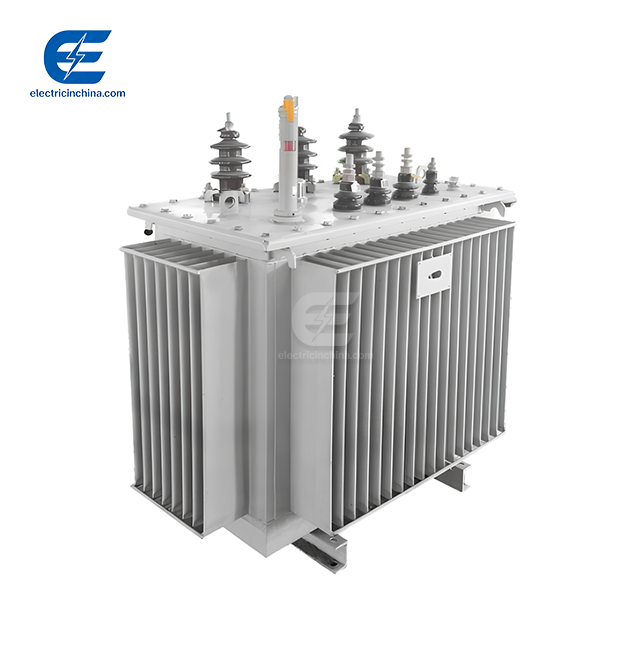
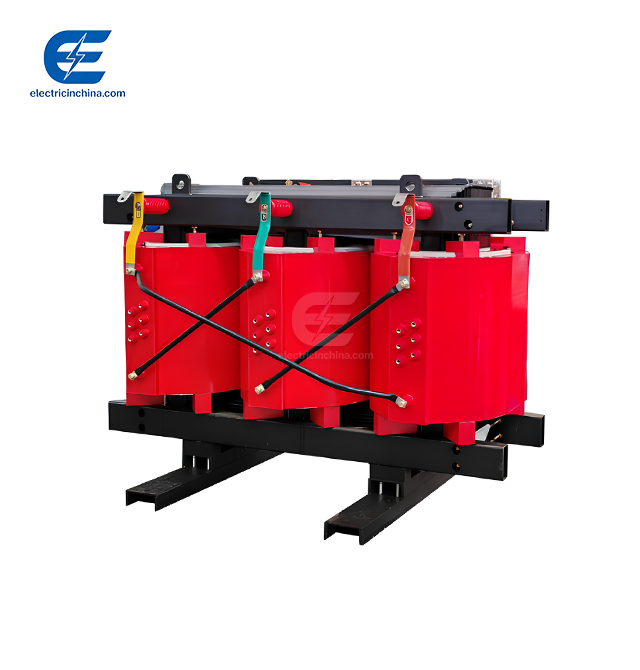
When heat is applied, cast resin insulation systems react differently from oil-filled systems. Resin is very good at resisting dielectric breakdown and water, but the temperature expansion factors of the copper, resin, and core materials need to be carefully lined up. Mismatches cause mechanical stress when the temperature changes, which could cause partial discharge sites and failure before it should.
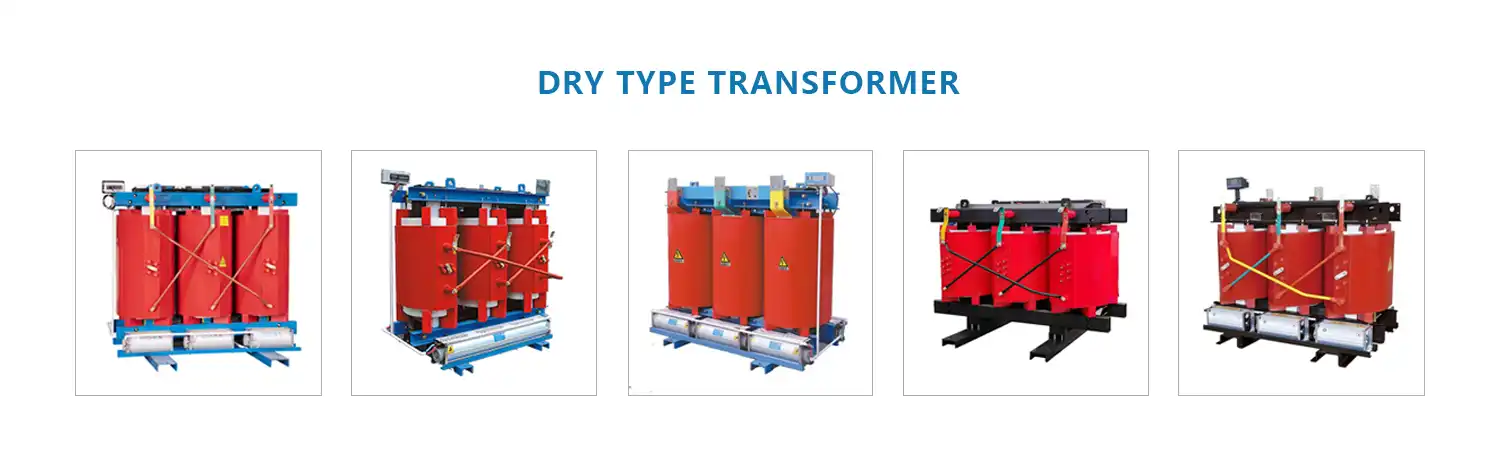
Key Causes of Overheating in Amorphous Metal Dry-Type Transformers
Even though they are more efficient, Amorphous metal dry-type transformers have different temperature problems than other types of units.
Core Material Characteristics and Heat Dissipation
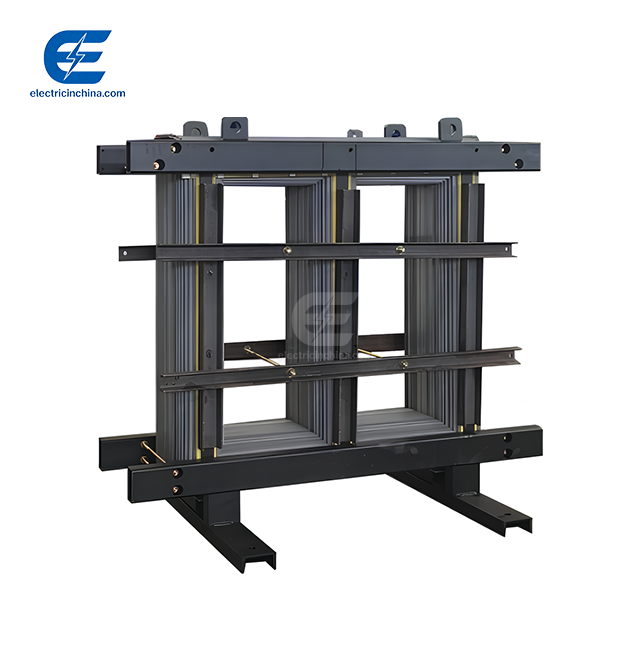
Amorphous metal dry-type transformer cores have an atomic structure that isn't solid, which means they are basically frozen metal glass. This jumbled design lets magnetic domains flip with little resistance, lowering no-load losses to a mere 0.16-0.22 W/kg compared to the 1.0-1.3 W/kg for regular silicon steel. Our production method makes ribbon-thin layers of iron, nickel, cobalt, boron, and carbon. These layers have a magnetic permeability of 80,000 to 100,000 μH/m.
When the machine is running all the time, the temperature edge becomes clear. A normal 1000 kVA transformer might lose 2,000 watts of power every second as core loss. This drops to about 400 watts with a comparable Amorphous metal dry-type transformer, which saves 14,000 kWh of energy each year and makes a lot less heat in the environment. This economy directly leads to lower working temperatures and longer component life.
Environmental and Operational Factors
A lot more than most engineers think, the ambient temperature has an effect on thermal efficiency. When placed in places warmer than 40°C, transformers that are approved for normal operation suffer thermal stress. We have records of setups in mechanical rooms that get up to 50°C in the summer, which means that the transformer's power has to be cut by 15 to 20 percent to keep the windings safe.
How well heat is removed depends on how the ventilation is designed. Natural convection uses differences in temperature to move air across areas that are cooling. Thermal jams happen when vents are blocked, dust builds up, or there aren't enough openings. For proper breathing, transformers need at least 1 meter of space on sides with ventilation holes and 0.5 meters of space on solid sides.
Load factors affect thermal profiles in more ways than just kVA values. Variable frequency drives, LED lighting systems, and switched-mode power sources all add harmonic currents that make heaters work better but don't show up on regular ammeters. Fifth and seventh harmonics are especially bad because they cause more I²R losses in the windings while doing no useful work. For buildings with a lot of nonlinear loads, we suggest harmonic analysis to make sure that the K-factor rates of the transformers match the real harmonic content.
Installation and Maintenance Issues
Placement choices made during installation have effects that last for decades. Transformers that are put near heat sources, in full sunlight, or in small areas without airflow always have to deal with heat problems. We looked at units that were next to boilers or in rooftop shelters that had surface temperatures 25°C higher than what was recommended by the manufacturer. This made the insulation wear out faster, and the projected lifespan dropped from 30 years to 15 to 18 years.
Maintenance schedules have a direct effect on how well heating systems work. When dust builds up on cooling surfaces, it works as thermal insulation, which lowers the efficiency of heat movement by 20–30% over five years in places with a lot of dust. Cleaning, fixing connections, and infrared thermography checks should be done on a regular basis to find problems before they get too bad and break down.
Quick and Effective Solutions to Prevent and Mitigate Overheating
Getting rid of overheating takes careful planning in the design phase, during installation, during operation, and during preventative maintenance.
Selecting Advanced Core Technologies
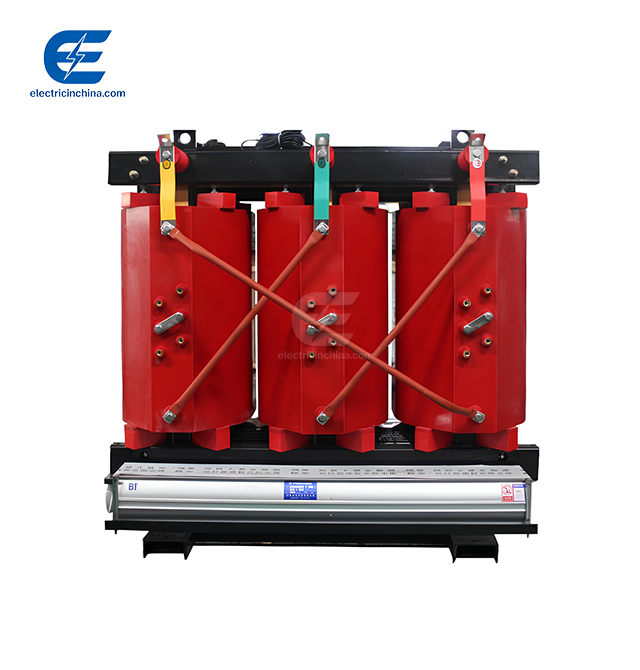
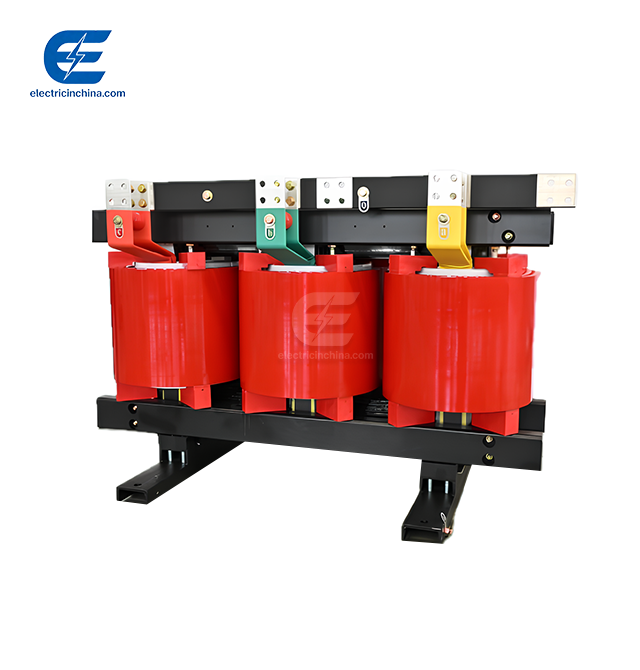
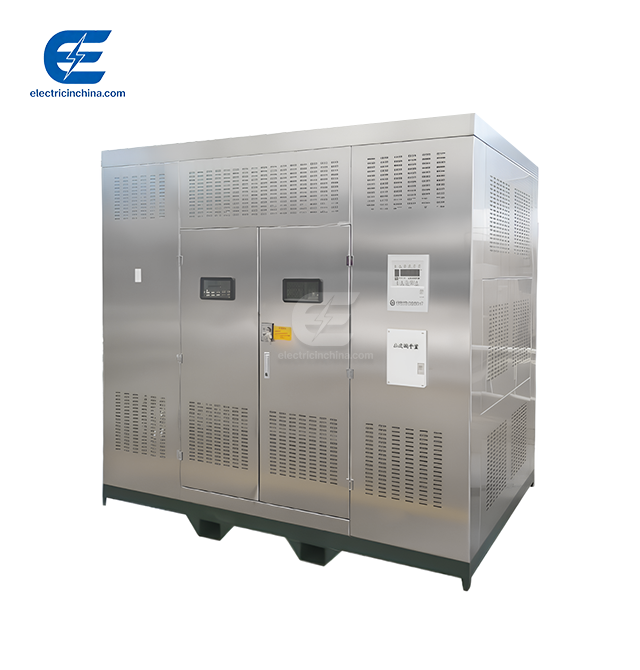
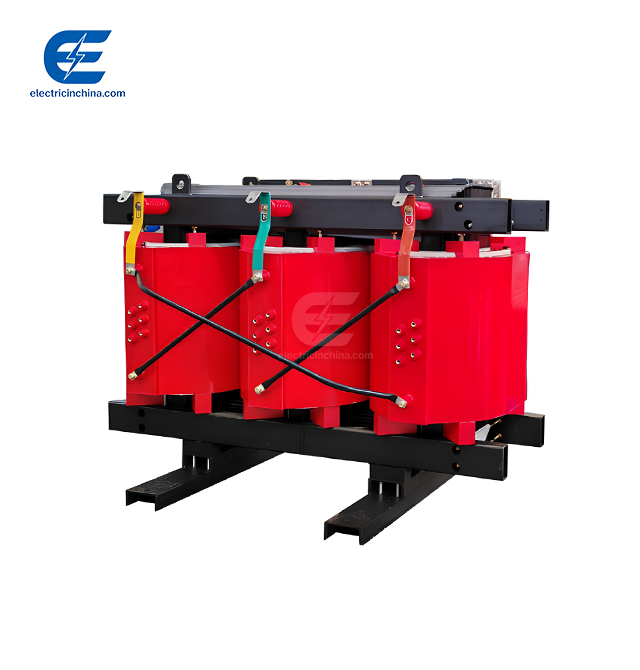
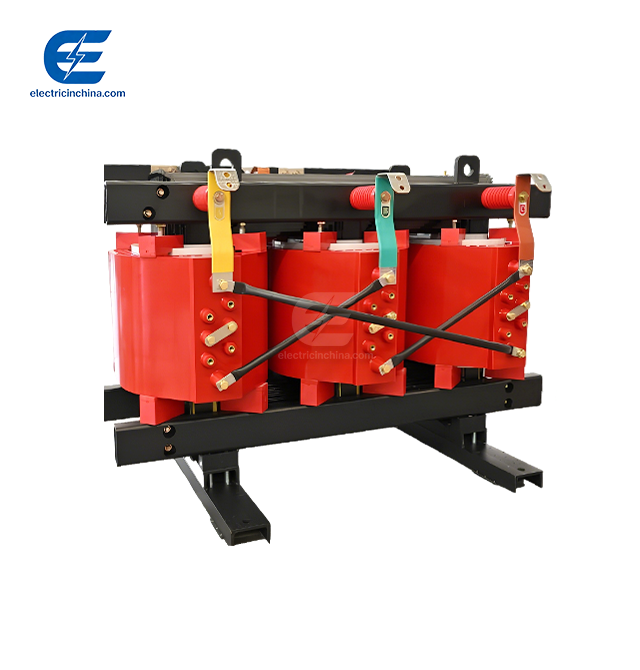
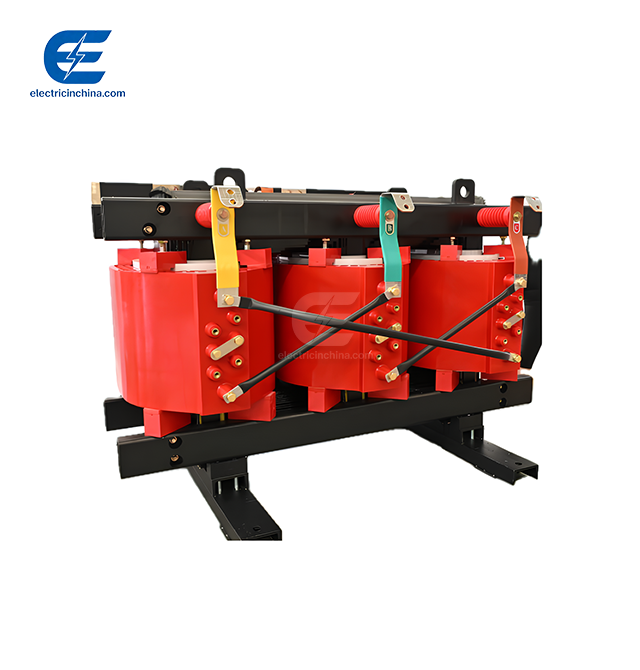
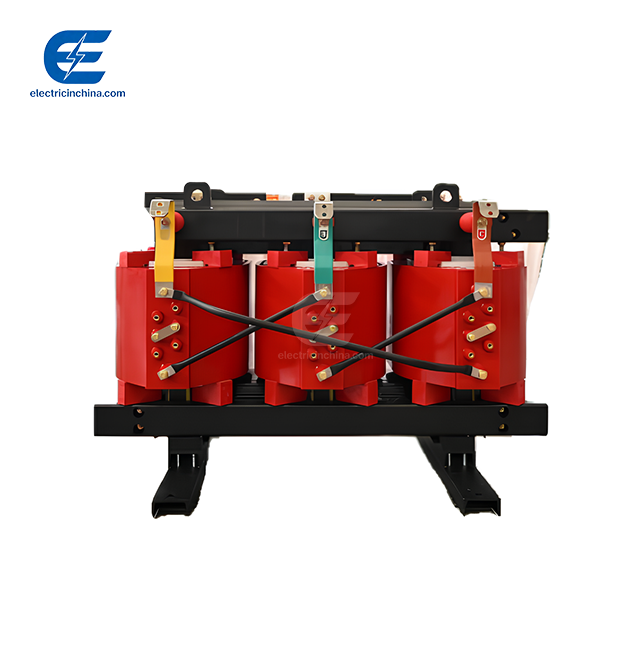
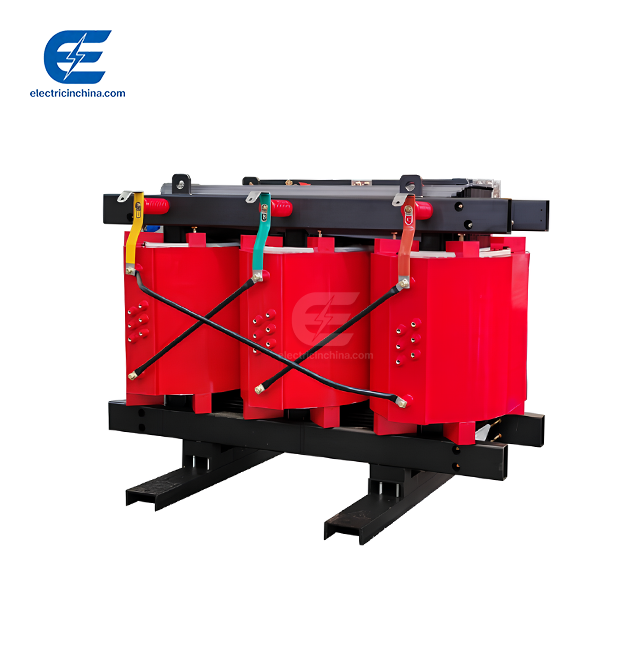
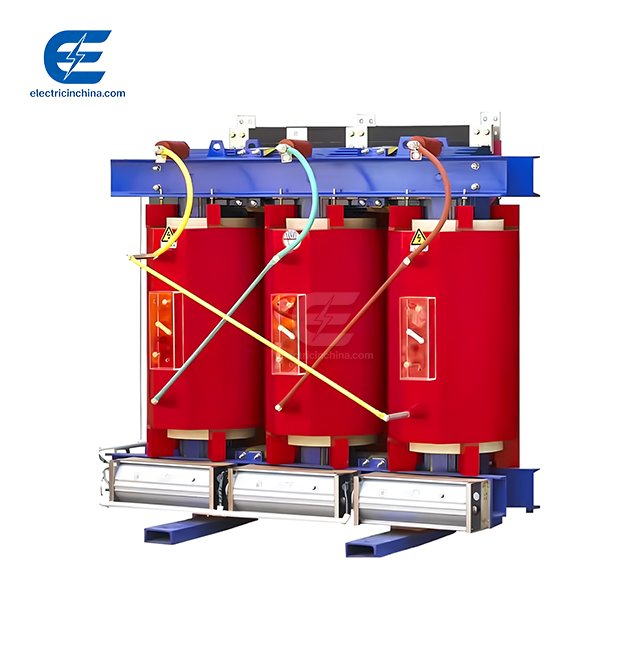
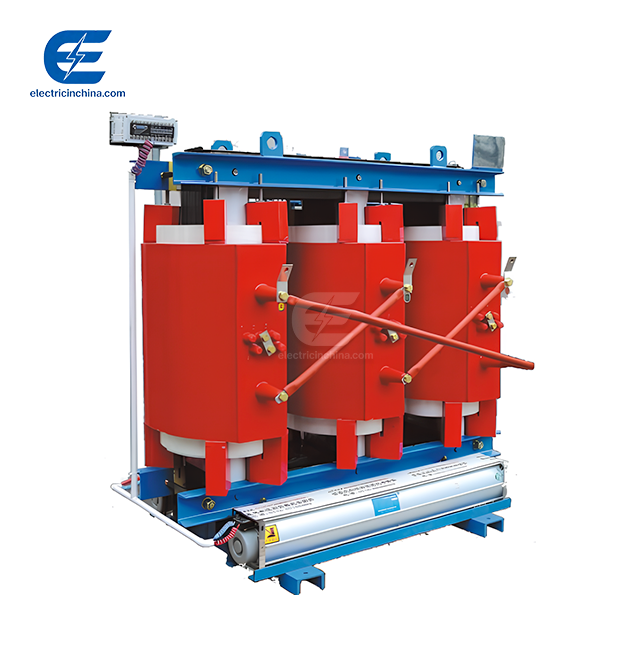
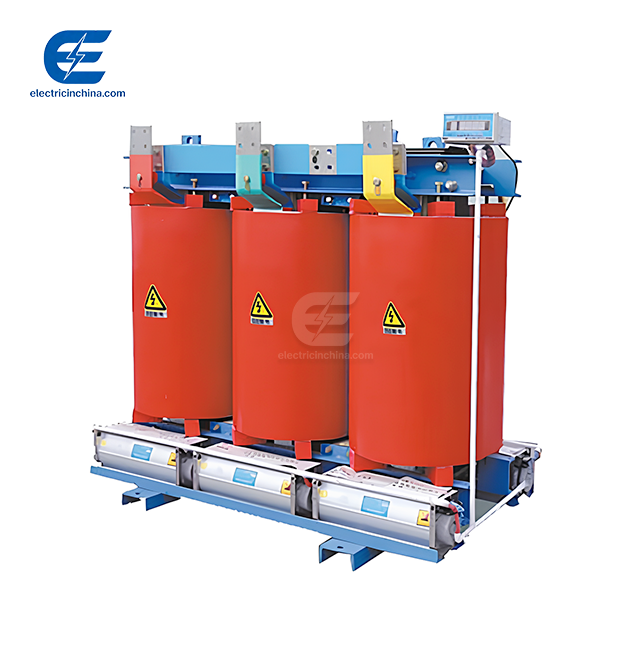
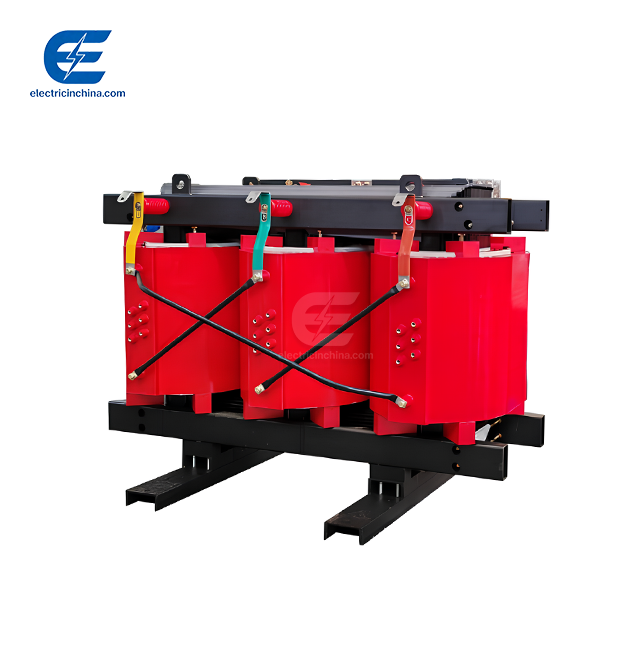
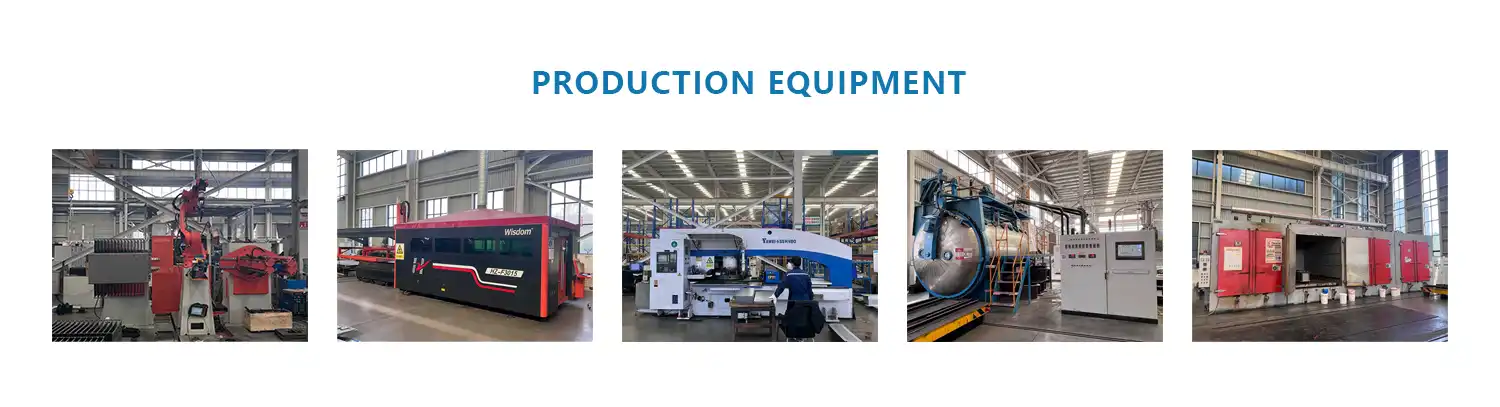
For long-term temperature performance, picking Amorphous metal dry-type transformers is the most important choice. When compared to standard units, our SCBH17 line is 70–80% more efficient at no load, making it perfect for businesses. We use 18 patents and more than 120 high-tech production machines to make these transformers, which range in power from 30 kVA to 31,500 kVA. There are 15 senior engineers and 30 intermediate workers on the technical team. Their job is to make sure that every unit meets ISO9001 standards before it is shipped.
Full-load efficiency is between 98.5 and 99.2%, which means that very little extra heat is made during high demand. The cast resin insulation system keeps out temperatures from -25°C to +40°C, and its Class H insulation rating up to 180°C gives it a large thermal cushion. Low magnetostriction in the Amorphous metal dry-type transformer core makes the operating noise drop below 45 dB. This makes the electrical rooms quieter, which is enjoyed by the people who live or work in the building.
Installation Best Practices
For effective temperature performance, make sure the system is mounted correctly and has enough airflow. Place transformers in separate electrical rooms with controlled temperatures. Do not put them in rooms with other equipment that makes heat. Keep the required distances on all sides, remembering that these gaps allow air to flow in ways that are necessary for convective cooling.
Mounting height has a small effect on how heat behaves. Floor-mounted units gain from cooler air close to the ground, while wall-mounted units may run into warm air that rises through the room. For a more true measure of the environment, we suggest putting temperature monitoring at transformer height instead of near thermostats set at normal 1.5-meter heights.
Real-Time Monitoring and Load Management
Modern protected relays keep an eye on the temperature of the windings all the time by using resistance temperature detectors (RTDs) or thermocouples that are built in during production. We set these sensors up to sound a warning at 80% of the highest rated temperature and start automatic load shedding at 90%. This keeps the system from breaking while still allowing some functions to continue during overloads.
Power quality analysis is part of load tracking, in addition to measuring current. In cases where total harmonic distortion (THD) is more than 5%, harmonic spectrum detectors show non-linear load effects. Our transformers keep THD below 3%, which protects sensitive electronics and reduces the effects of harmonic heating that lowers capacity.
Comprehensive Maintenance Protocols
Thermal troubles don't turn into failures when repair is done on time. Visual inspections every three months look for dust buildup, make sure air holes stay clear, and make sure connections are tight. Loose connections make high-resistance places that heat up a certain area. This is often shown by infrared thermography before the circuit breaks.
Megohm meters are used to measure the insulation resistance once a year to make sure that the resistance between the windings and the ground is higher than what the maker says it should be, which is usually 100 megohms or higher for good equipment. If the resistance is going down, it means that wetness is getting in or the insulation is breaking down, which needs to be looked into.
Comparing Amorphous Metal Dry-Type Transformers to Traditional Transformers in Handling Overheating
When you look at Amorphous metal dry-type transformers and standard silicon steel units next to each other, you can see how their performance is different.
Thermal Efficiency and Energy Performance
The main benefit in terms of economy comes from having much lower core losses. A 2000 kVA silicon steel transformer usually loses 4,000 watts of power when there is no load on it. This means that it always makes heat, no matter what the load level is. Our comparable Amorphous metal dry-type transformer unit cuts this down to 800 watts, which is an 80% drop that saves 28,000 kWh per year if the unit is used continuously.
Smaller but more significant gains can be seen in load losses. Better coil designs and better circuit cross-sections lower resistance, which cuts I²R heating by 10 to 15 percent compared to traditional methods. When added to lower core losses, total efficiency gains of 1.5% to 2% may not seem like much until you add up the savings over 30 years.
Operational Longevity and Maintenance Requirements
Amorphous metal dry-type transformers that are used according to their specifications can last longer than 30 years, while standard units only last 25 years. Insulation lasts a lot longer when it is kept at cooler temperatures. Based on the Arrhenius relationship for insulation life, our units, which run 20°C cooler, could last 40 to 45 years with proper upkeep, which would almost double the time it takes to get a return on investment.
Stable Amorphous metal dry-type transformer properties mean that less maintenance is needed. Silicon steel cores can get shorted laminations or lose their grain direction over time, but Amorphous metal doesn't age like silicon steel does because it doesn't have a crystal structure. Cores keep their original performance traits throughout their working life. This means that they don't lose efficiency over time as silicon steel transformers do.
Real-World Performance Data
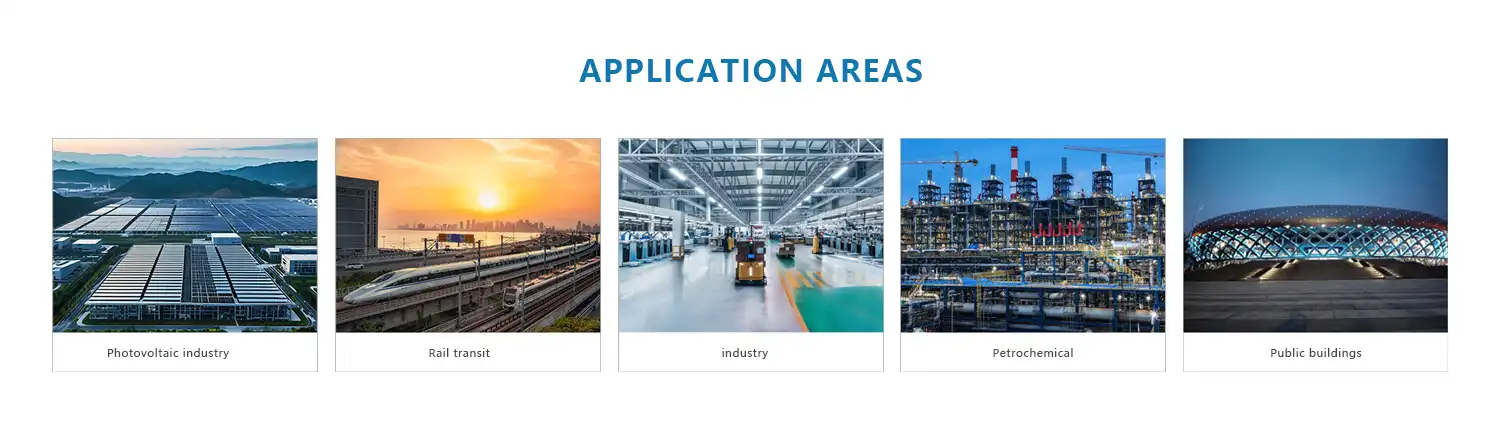
Over 20 years of production experience on hundreds of municipal and commercial projects is a strong sign of success. The Xuzhou Rail Transit Network Control Center project showed that it could be depended on when important facilities needed it and power outages could put people in danger. Our two-circuit power supply design with Amorphous metal dry-type transformers made sure that the train would keep running by providing redundancy and better temperature stability.
For commercial uses like the Xinhua Central Complex, power had to be distributed in small, efficient ways in urban buildings with limited room. For traditional transformers to work, electrical rooms would have had to be bigger or have forced air systems to handle the heat loads. Our Amorphous metal dry-type transformers met the standards for power density and kept safe working temperatures by using natural convection. This cut down on installation costs and ongoing energy use.
Procurement Considerations & Choosing the Right Amorphous Metal Dry-Type Transformer Supplier
When choosing providers, you need to look at more than just prices. You need to look at their professional skills, quality systems, and support infrastructure.
Essential Certification and Technical Expertise
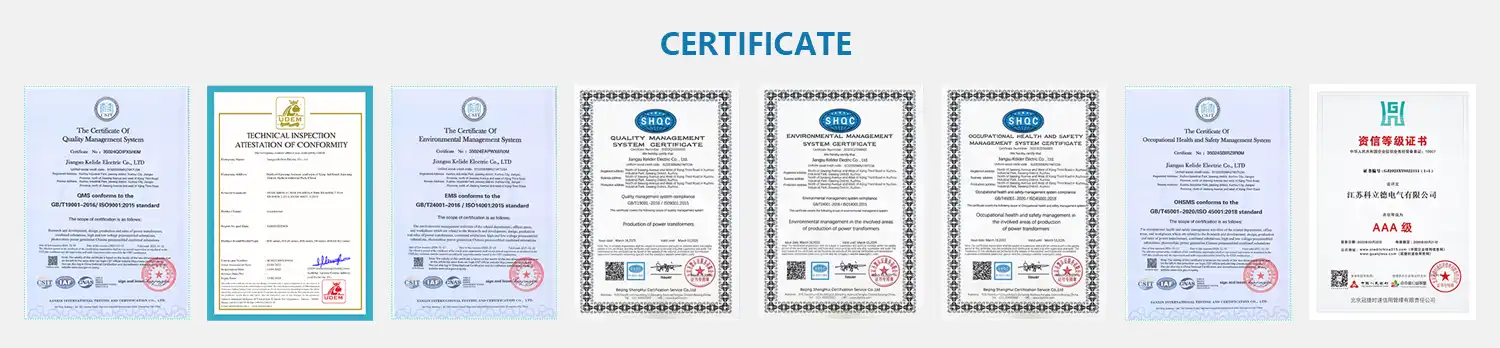
While ISO 9001 approval shows that quality management is systematic, it doesn't ensure that the products will be of high quality on their own. Our ISO 9001, ISO 14001, and OHSAS 45001 certifications are still valid, and we also have National CCC Mandatory Certification for low-voltage equipment. Our professional quality inspection lab does regular tests based on IEC 60076 standards. These tests include measuring coil resistance (within 2% of variation between phases), checking voltage ratios, measuring no-load loss and current, testing impedance voltage, and making sure temperature rises are normal.
Type testing confirms that a design will work in harsh circumstances. Impulse withstand voltage tests according to IEC 60076-3 show that the coordination of the insulation can handle lightning and switching transients. Short-circuit testing shows that the mechanical strength is high enough to handle electromagnetic forces of up to 20 times the standard current when there is a fault. For these tests, you need special tools that aren't normally used for production. This makes producers with a lot of technical resources stand out.
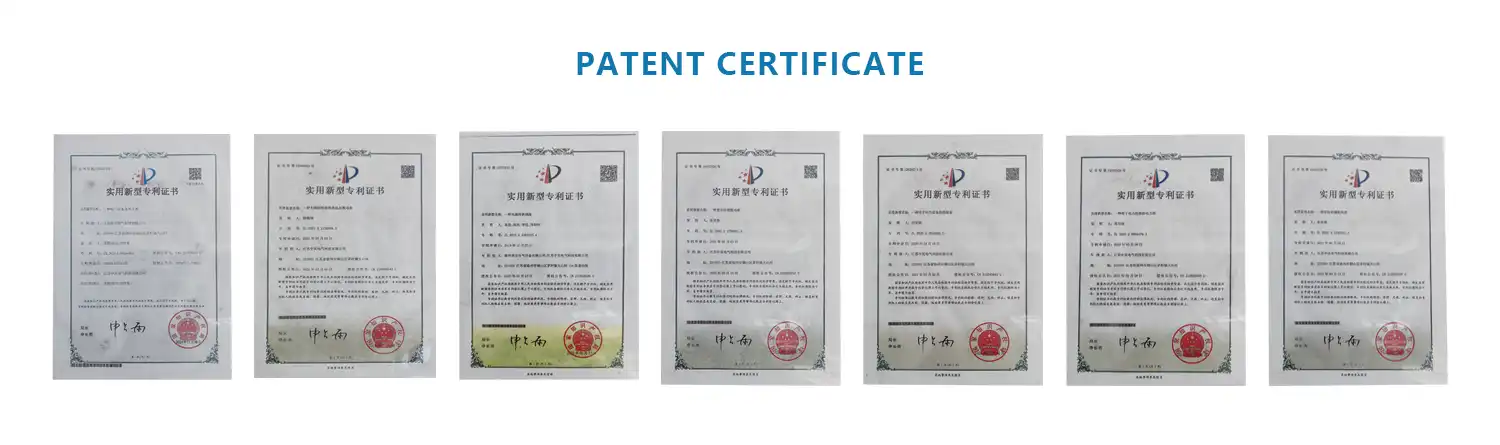
Patent collections for dry-type transformers show a drive to progress. Our 18 patents cover techniques for putting together cores, different ways of winding, and heat control systems that we've created by investing in research all the time. Technical teams with 15 senior engineers and more than 30 intermediate workers help create solutions that are tailored to the needs of each application.
Warranty Coverage and Aftersales Support
Warranty terms show how confident the company is in the product's durability. Standard guarantees cover problems for 24 months after the product is put into service, but thorough providers cover more problems and offer prompt support for the whole operating life. We offer installation help for big projects because we know that proper setup prevents claims from happening and ensures that the system works at its best from the start.
Long-term repair planning is affected by how easy it is to get spare parts. Transformers work for decades, and they might even last longer than the company that made them. Suppliers with steady production numbers keep an eye on component stocks and backward compatibility, which makes sure that repair parts are still available 15 to 20 years after the installation. We can keep this promise because we have more than 120 high-tech industrial tools that can make things.
Customization Capabilities for Project-Specific Requirements
Large projects in government, infrastructure, and industry need answers that aren't available in a store. Voltage ratios must exactly match the needs of both the utility source and the building distribution. Impedance numbers change the amount of fault current and how well the protections work together. Connection groups like Delta-Wye, Wye-Wye, and others affect how grounding works and how to reduce harmonics.
We can customize a lot of things, like tapping lengths, IP protection grades, and special changes for different environments. Amorphous metal dry-type transformers that are designed to work with inverters and be linked to the grid are helpful for photovoltaic systems. Harsh settings near the coast or industrial process plants need better corrosion protection and sealed containers.
Structured Inquiry Process
Complete recording of requirements is the first step in effective buying. Give the estimated capacity (in kVA), frequency, impedance percentage, tapping range, connection group, environmental factors (like temperature range, altitude, and humidity), IP rating needs, and any relevant standards (IEC, ANSI, etc.). Include details about the load's properties, especially any harmonic material that comes from variable frequency drives or other nonlinear equipment. Ask for specific scientific information, like certified test results, thermal estimates, and efficiency curves for different load levels. Check out the total losses at 50% and 100% maximum capacity, as well as the losses that happen when the load is on.
Conclusion
Dry-type transformers get too hot because of core losses, poor air, overheating, and harmonic distortion. New Amorphous metal dry-type transformers solve these problems with better design and new materials. The 70–80% drop in no-load losses that Amorphous metal dry-type transformer cores make possible greatly reduces heat production and raises efficiency to 98.5–99.2%. If you place it correctly with enough space between things, keep an eye on the temperature in real time, and do regular upkeep, it will last longer than 30 years. When choosing providers, give the most weight to professional knowledge that can be shown through certifications, thorough testing capabilities, and past project experience. The thermal benefits of new transformer technology directly lead to lower energy costs, higher dependability, and greater safety throughout the electrical system of your building.
FAQ
How do I verify actual energy savings compared to conventional transformers?
Conduct no-load loss testing per IEC 60076-11 standards, measuring power consumption at rated voltage and frequency. Amorphous metal dry-type transformers usually show a 70–80% drop in losses when there is no load. Use this method to figure out how much you save each year: kWh saved equals the difference in no-load loss times 8,760 hours of running each year. For procurement validation, you should ask for approved factory test records that list these measures.
What maintenance does the amorphous metal core require?
The non-crystalline structure of the Amorphous metal dry-type transformer core doesn't break down over time and doesn't need any special core upkeep. Check the tightness of the core clamping hardware once a year with infrared thermography, and keep an eye on the partial discharge levels using online tools that can spot resin degradation. Amorphous metal dry-type transformer cores don't break down over time like silicon steel cores do. Instead, they keep their original performance traits throughout their service life, which makes planning for long-term care easier.
How do these transformers perform under harmonic loads from variable frequency drives?
With K-factor values up to K-13, our SCBH17 Amorphous metal dry-type transformers can handle harmonic loads well and keep total harmonic distortion below 3%. This better harmonic performance keeps sensitive electronics safe and stops nonsinusoidal currents from heating them up even more. Test the harmonic analysis according to IEEE 519 guidelines to make sure that the performance matches the load characteristics of your building and that the temperature rise stays within accepted limits.
Partner with Tuojie for Superior Amorphous Metal Dry-Type Transformer Solutions
Tuojie has been making Amorphous metal dry-type transformers for more than 20 years. They use modern materials and strict quality control to solve problems with burning. As a top producer of Amorphous metal dry-type transformers, we've finished hundreds of successful industry and municipal projects, such as manufacturing plants, business complexes, and rail transit systems. Our SCBH17 line has 18 patents and ISO9001-certified production, so it has 70–80% less no-load losses than standard units. Email our technology team at tuojie@electricinchina.com to talk about your unique needs. We offer custom solutions ranging from 30 kVA to 31,500 kVA, along with full help from planning to commissioning, to make sure your project is as efficient and reliable as possible.
References
1. IEEE Standard C57.12.01-2020, "IEEE Standard for General Requirements for Dry-Type Distribution and Power Transformers," Institute of Electrical and Electronics Engineers, 2020.
2. IEC 60076-11:2018, "Power Transformers - Part 11: Dry-Type Transformers," International Electrotechnical Commission, 2018.
3. Hasegawa, R., "Applications of Amorphous Magnetic Alloys in Transformers and Inductors," Journal of Magnetism and Magnetic Materials, Vol. 215-216, 2000.
4. Bertotti, G., "Physical Interpretation of Eddy Current Losses in Ferromagnetic Materials," Journal of Applied Physics, Vol. 57, 1985.
5. Stone, G.C., Culbert, I., Boulter, E.A., and Dhirani, H., "Electrical Insulation for Rotating Machines: Design, Evaluation, Aging, Testing, and Repair," IEEE Press Series on Power Engineering, Second Edition, 2014.
6. Fish, J.S., "Thermal Performance and Overload Capability of Dry-Type Transformers," IEEE Transactions on Industry Applications, Vol. 35, No. 6, 1999.