

.webp)
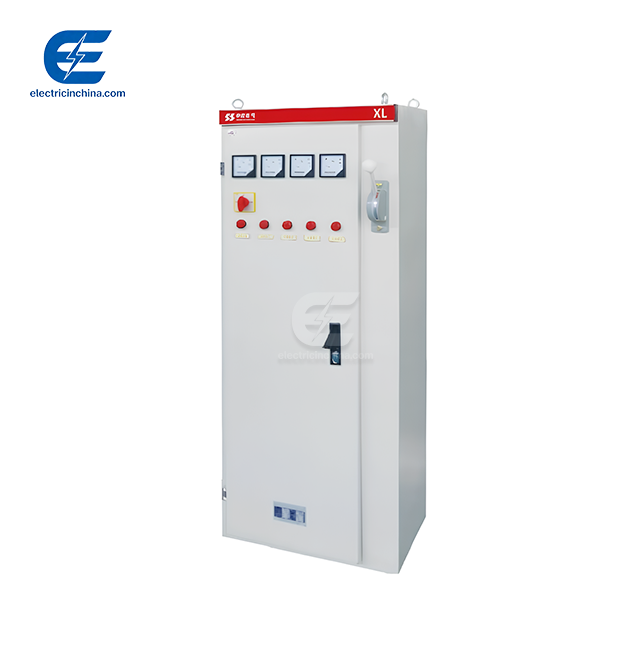
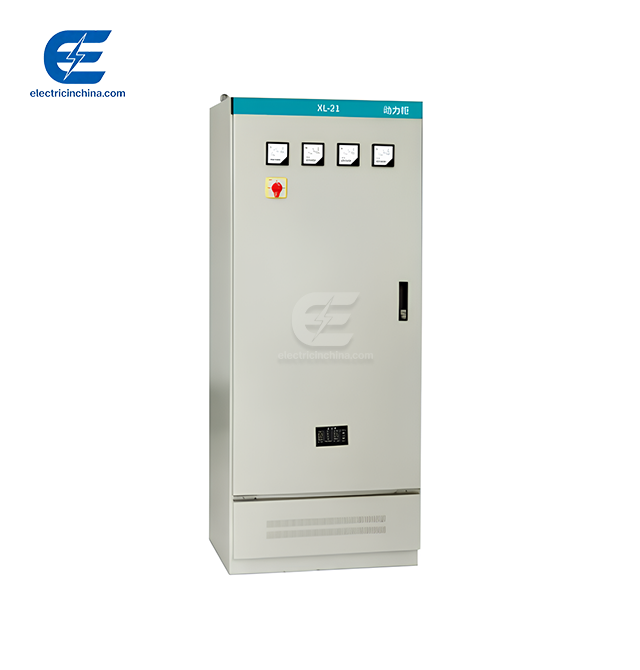
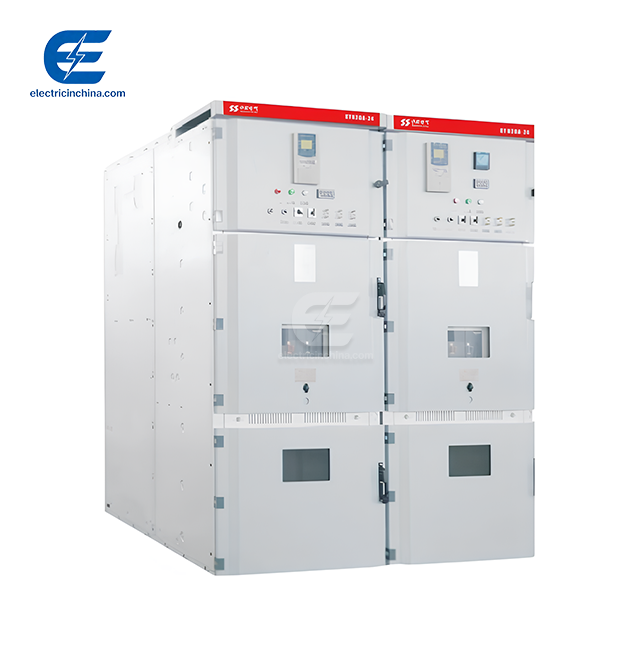
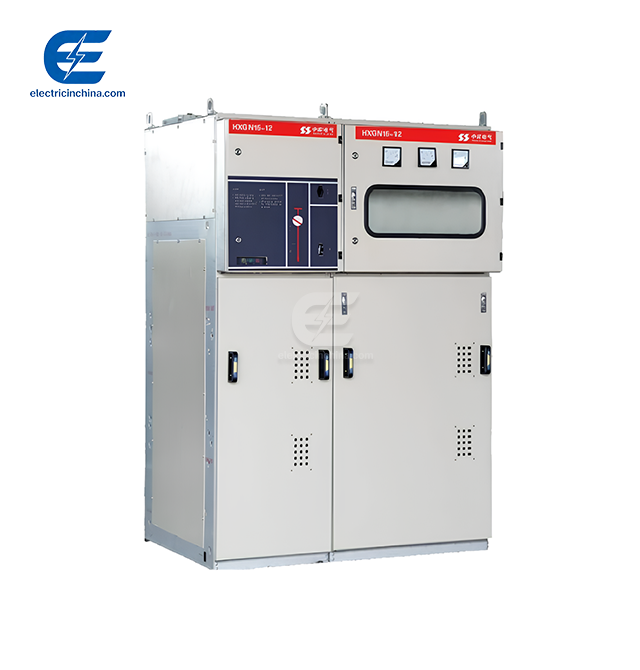
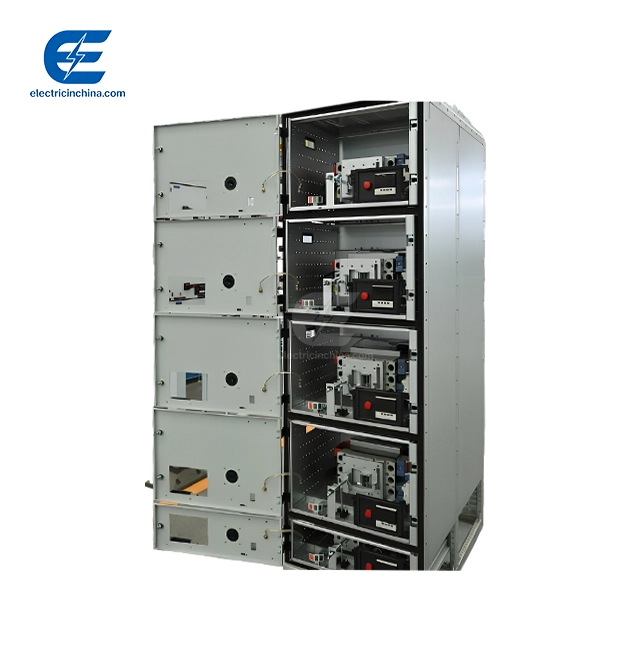
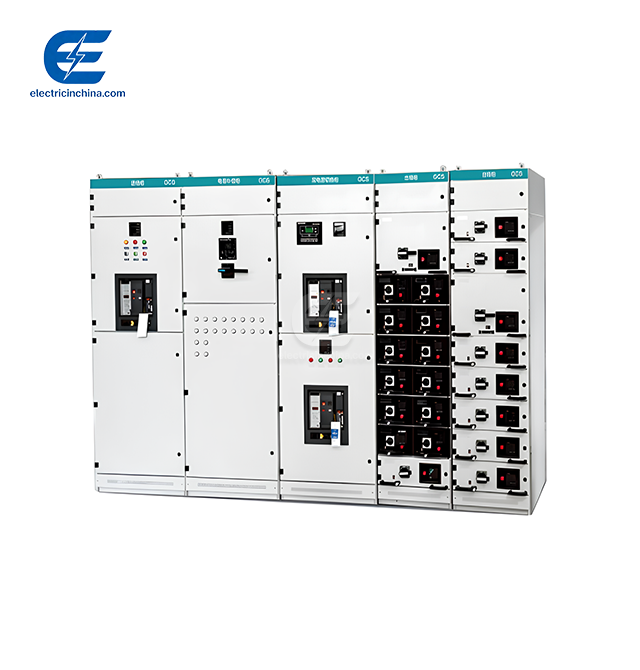
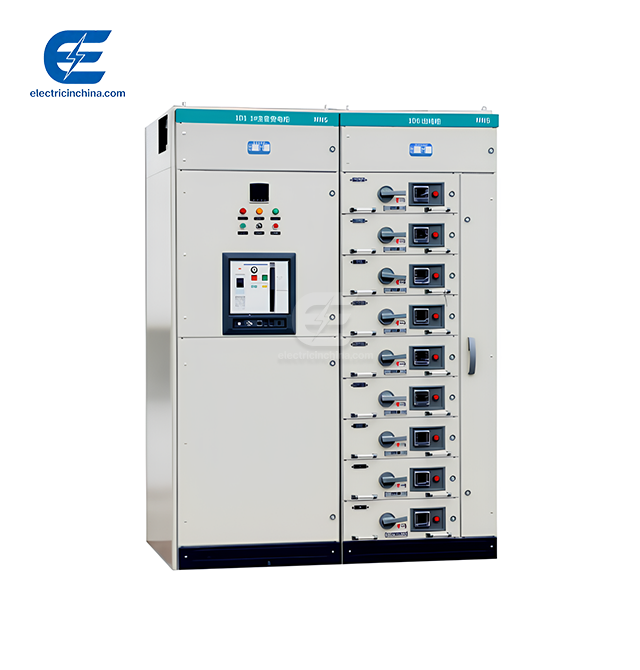
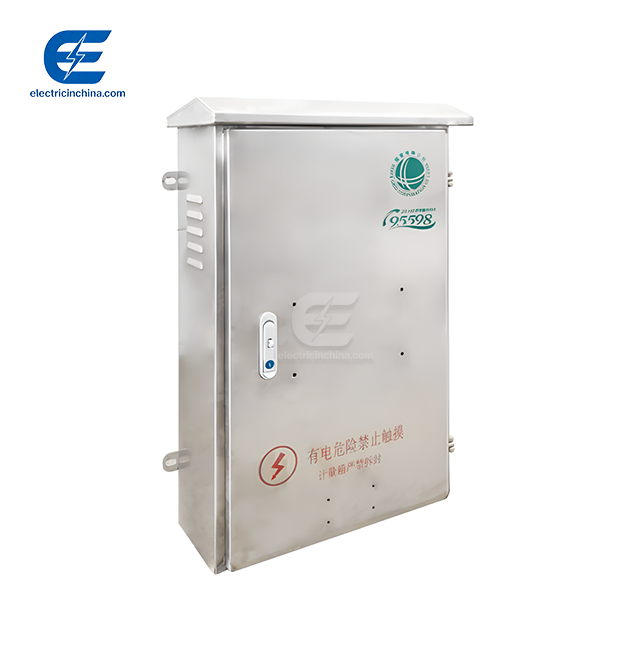
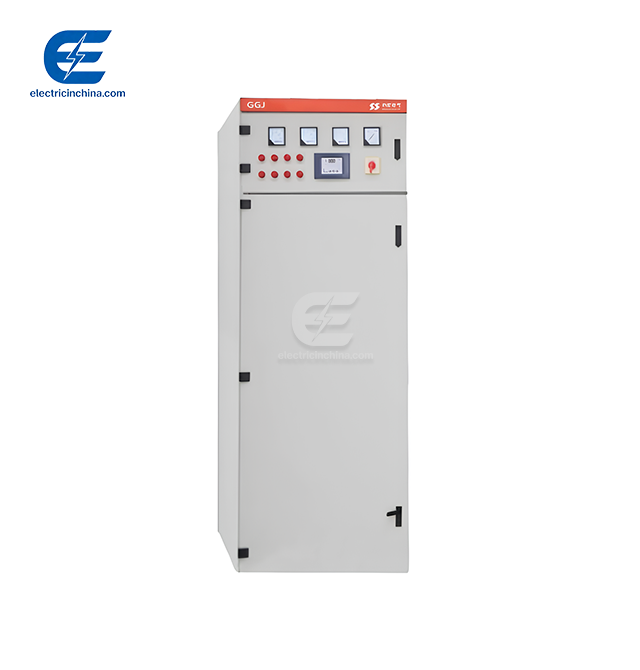
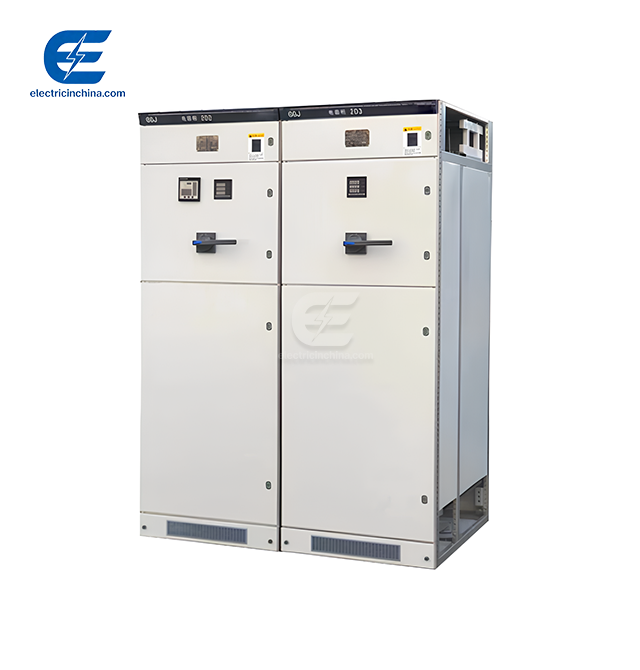
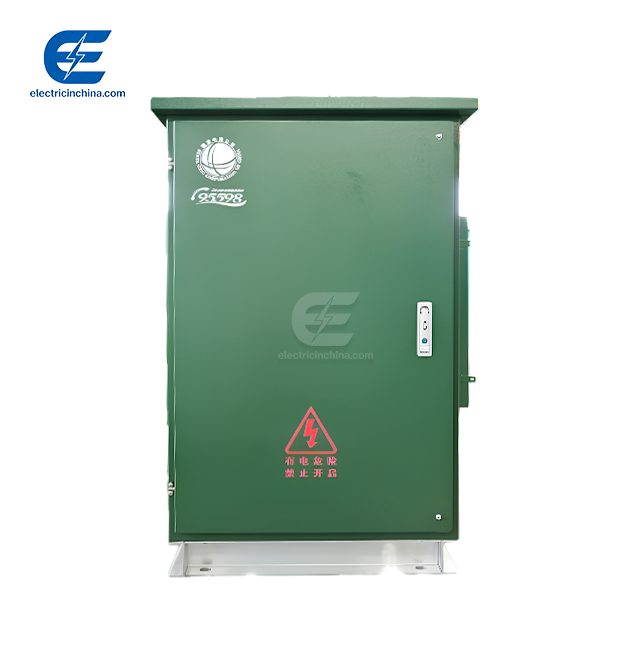
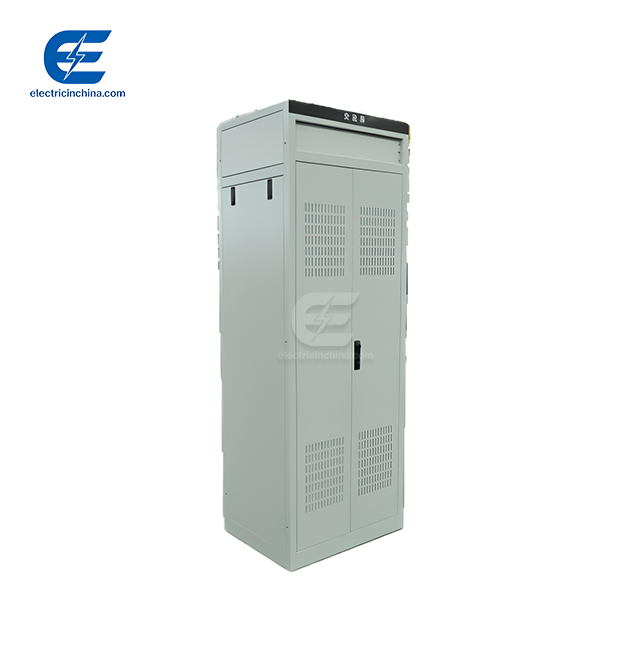
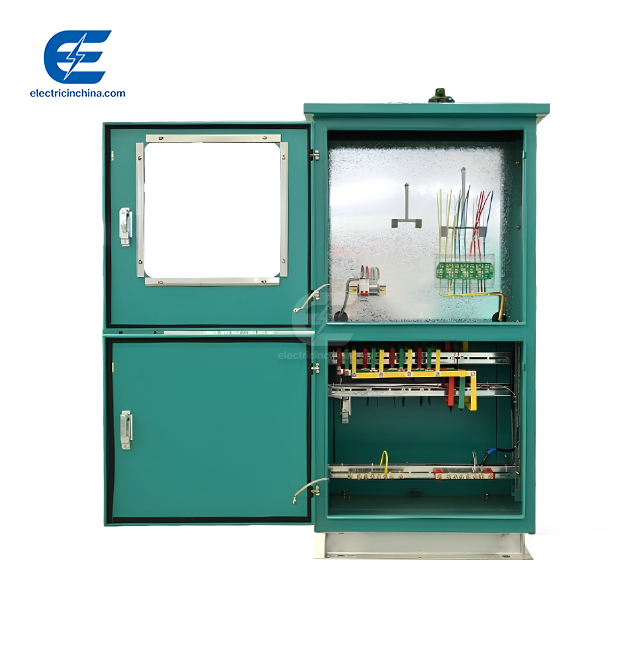
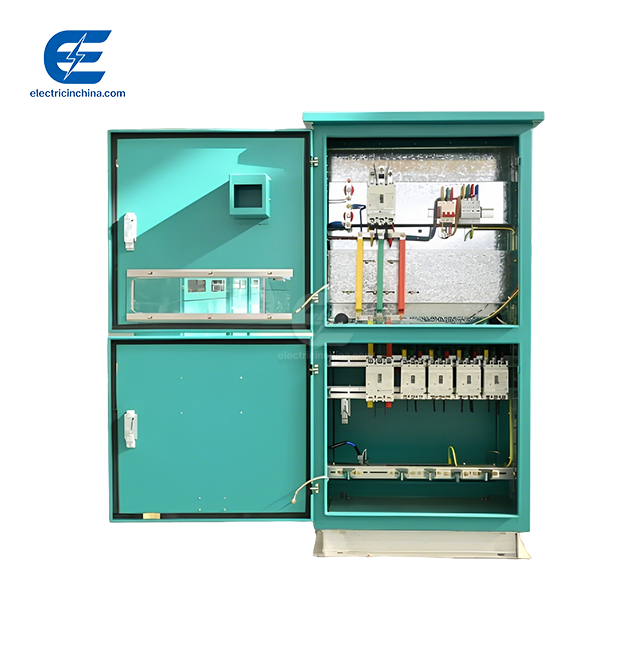
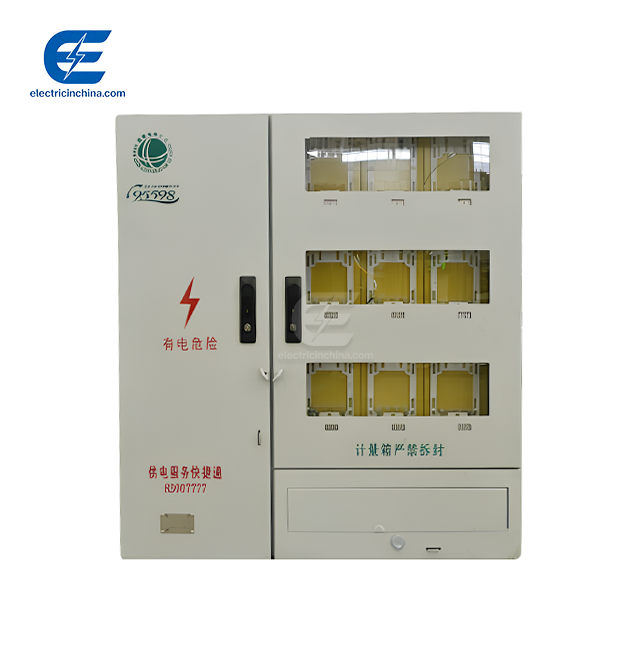
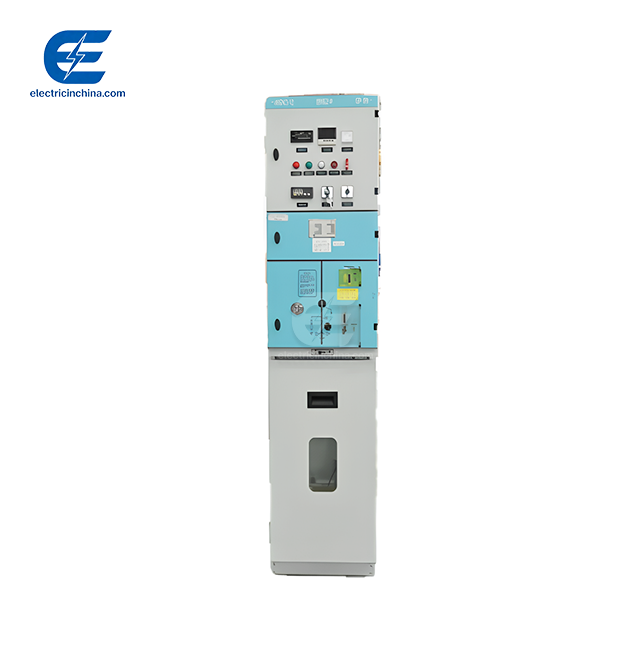
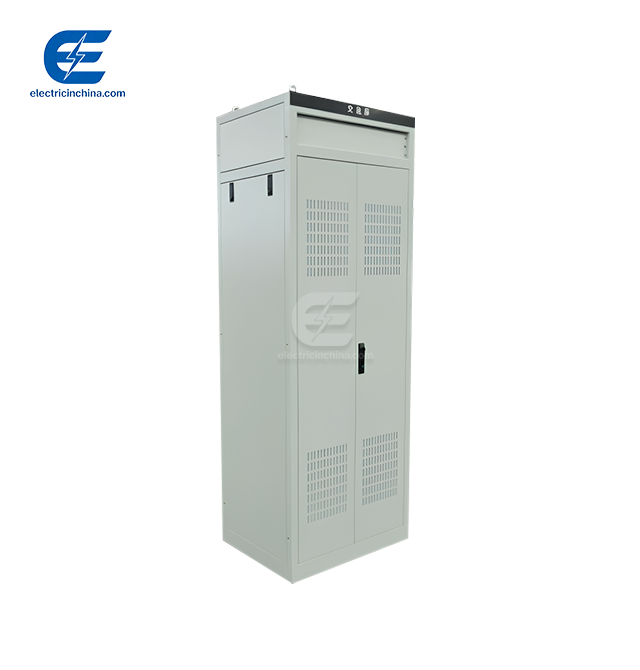
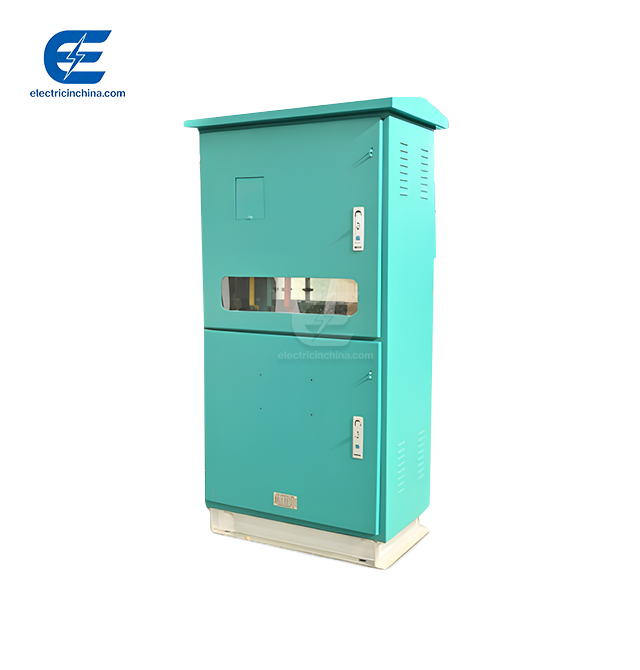
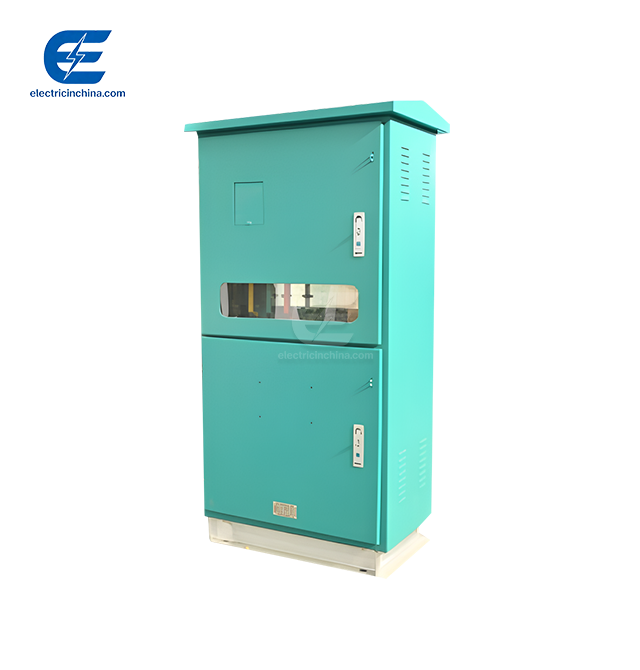
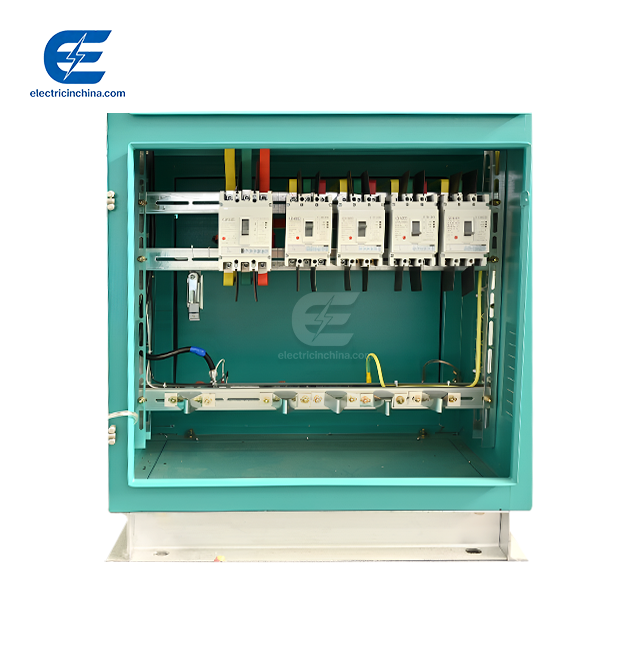
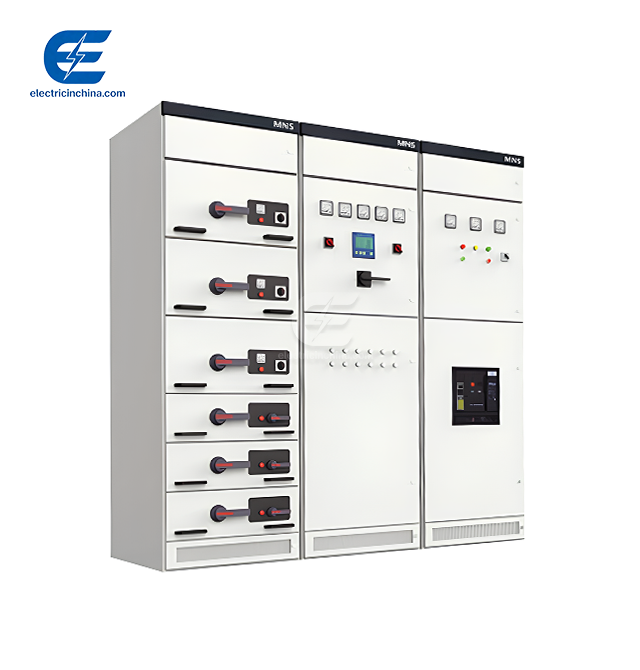
Medium Voltage Withdrawable Switchgear has to follow rules for safety, performance, and dependability that are known all over the world. For metal-enclosed switchgear, the main standards are IEC 62271-200, and for metal-clad switchgear used in North America, IEEE C37.20.2. As a result of these guidelines, arc faults are properly contained, shielding is coordinated, mechanical operations are carried out correctly, and the environment is not harmed. When working with 3kV to 36kV, equipment needs to have a certain dielectric strength, be able to handle short-circuits up to 63kA, and pass strict plant acceptance tests that include temperature rise tests and partial discharge readings.
Understanding Medium Voltage Withdrawable Switchgear and Its Significance
What Defines Withdrawable Switchgear
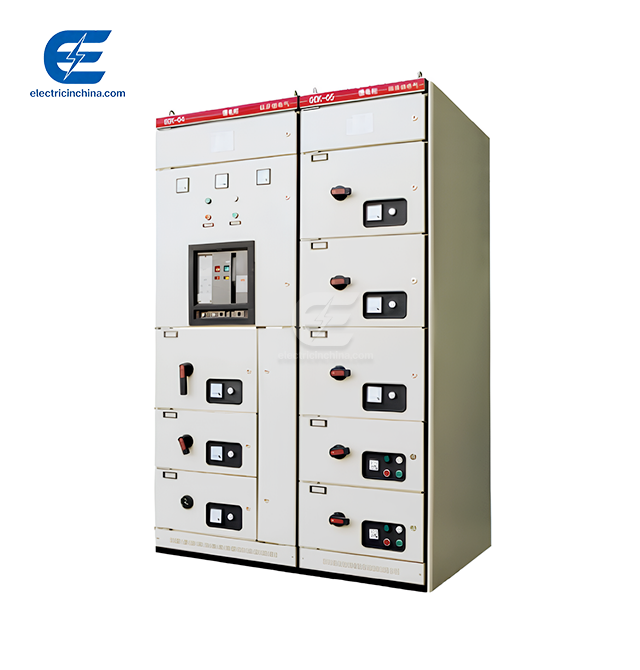
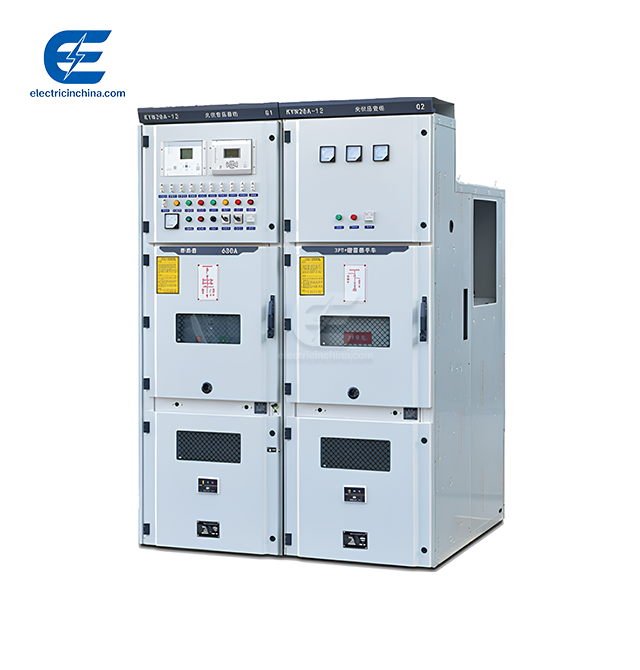
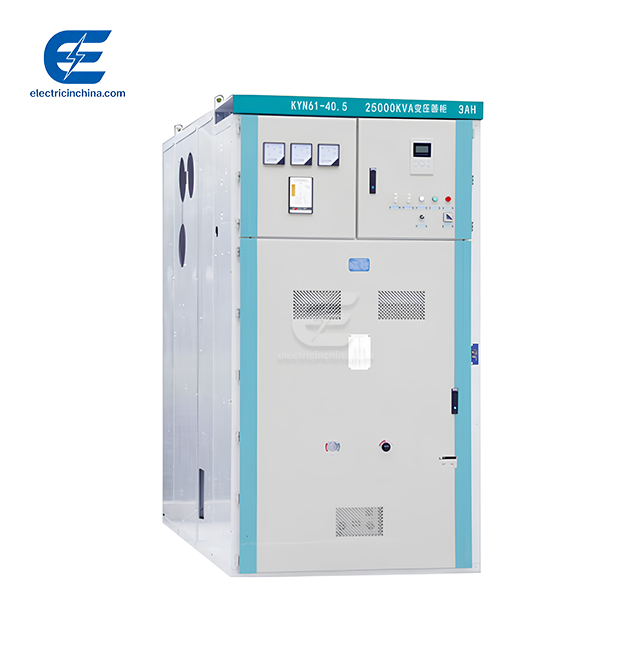
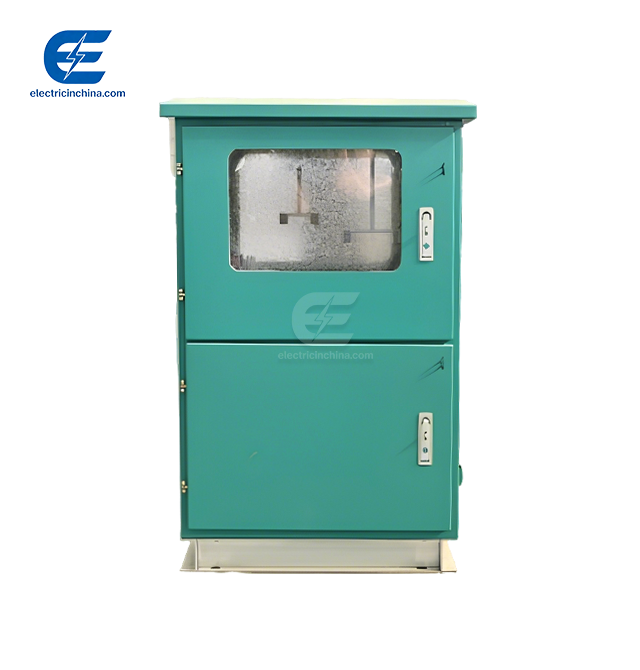
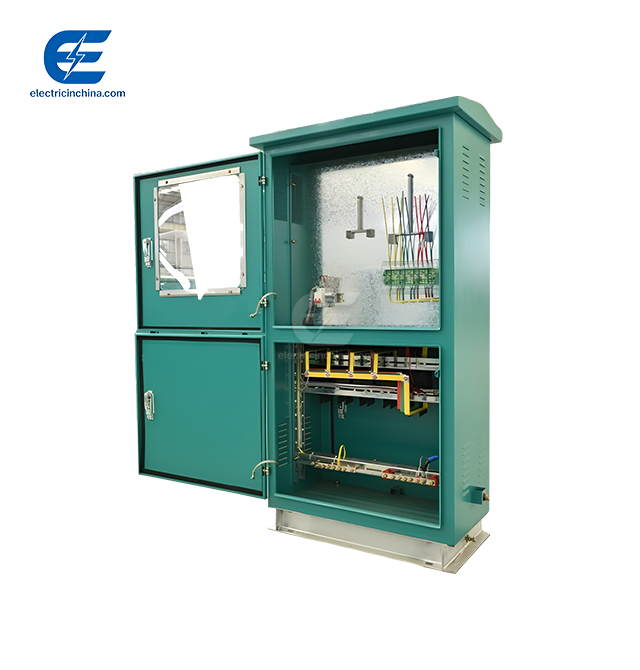
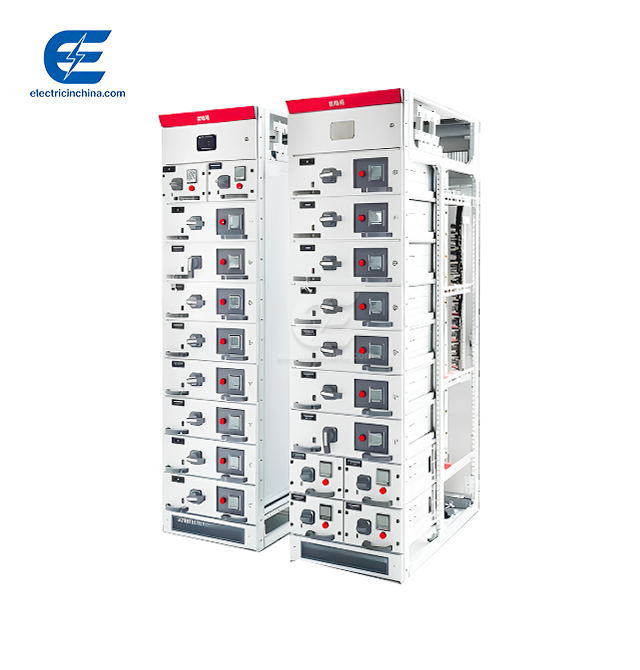
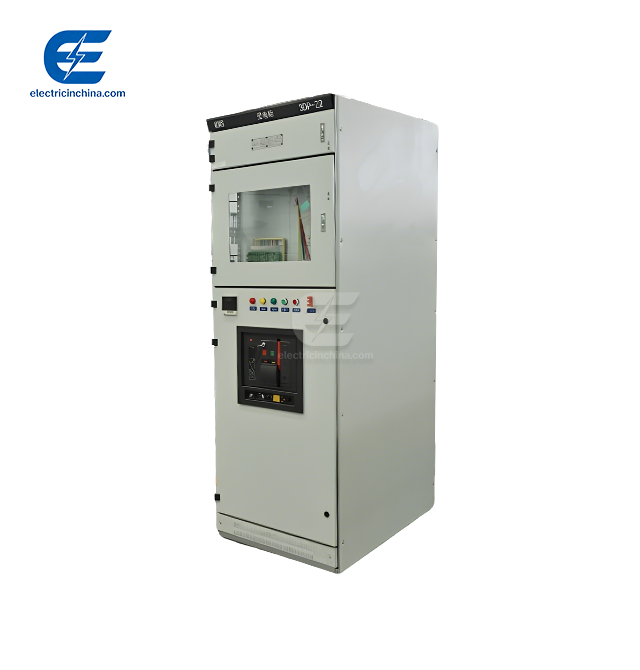
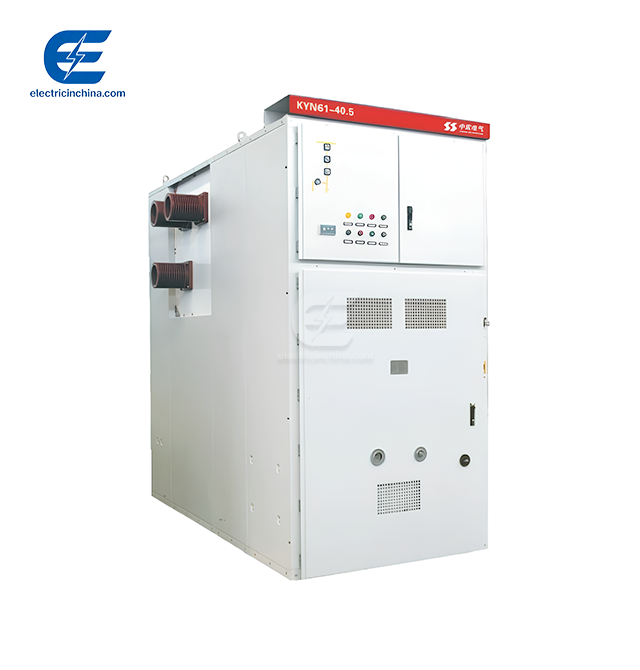
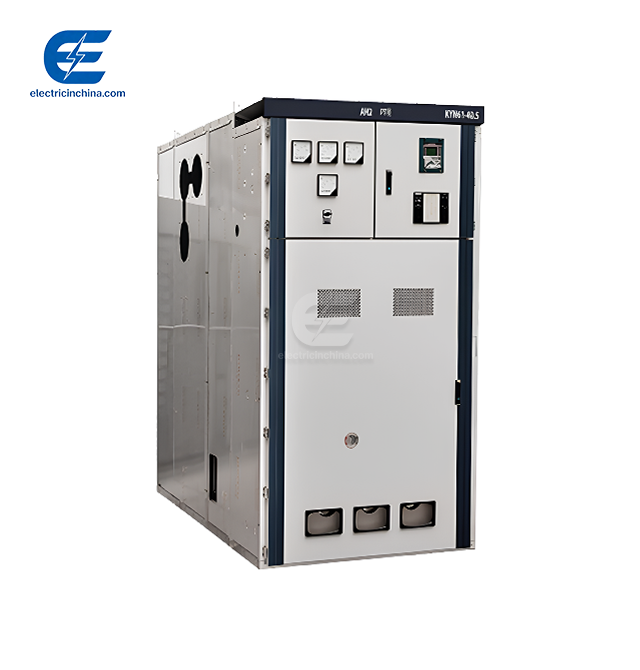
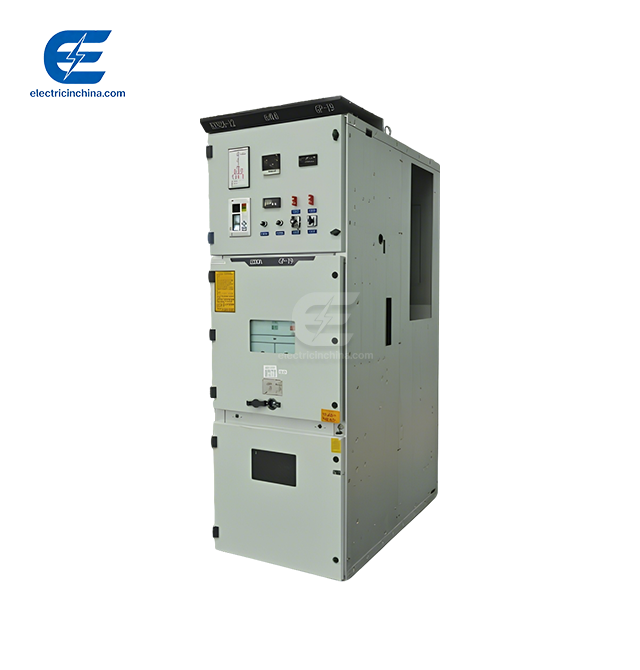
Medium Voltage Withdrawable Switchgear is a type of divided electrical distribution systems that have circuit breakers and separating devices that can be physically moved out of the way without turning off the power to nearby equipment. This design is very different from fixed systems, where parts stay in place all the time. For withdrawal, the system uses carefully designed primary and secondary break contacts that keep the links strong even after many insertion and removal cycles.
Why Standards Compliance Matters for Your Projects
Adhering to standards lowers organisational risks and increases trust in buying. When equipment meets the standards of IEC 62271-200 or IEEE C37.20.2, you can be sure that arc faults will be contained, that insulation will work together, and that the equipment will be mechanically reliable. Regulators keep a close eye on both government building projects and business real estate growth. If your equipment doesn't follow the rules, it could slow your project, cost more to review, and put you at risk of being sued. Following the rules also makes plant acceptance testing and site completion go more smoothly, which helps keep projects on schedule.
Operational Advantages in Complex Environments
Withdrawable designs are especially useful in places that need to be maintained often without stopping production. Long power outages are not acceptable in factories that run ongoing processes, data centers that support important IT tasks, or hospitals that keep life-support systems up and running. When compared to fixed switchgear systems, being able to handle circuit breakers while busbars are still live cuts down on downtime by up to 80%. Each section works on its own, so techs can separate certain circuits without affecting equipment next to them.
Overview of International and Regional Standards for Withdrawable Switchgear
IEC Standards for Global Markets
The International Electrotechnical Commission sets broad rules that are used in markets in Asia, Europe, and the Orient. IEC 62271-200 spells out the rules for Medium Voltage Withdrawable Switchgear with a rating of more than 1kV and up to 52kV. This standard describes how to build something, how to test for short-circuits, how much the temperature can rise, and how to classify an internal arc. Equipment must show that it can contain internal arc problems without an outward flame or metal release, which keeps people working near shelters safe.
High-voltage alternating-current circuit breakers are regulated by IEC 62271-100, which spells out standards for breaking capacity, making capacity, and mechanical durability. Environmental testing according to IEC 60068 makes sure that equipment can handle changes in temperature, humidity, and pressure that happen in industrial settings.
North American Standards and Certifications
In the United States and Canada, IEEE C37.20.2 is the main standard for metal-clad switchgear. This standard puts a lot of emphasis on arc resistance tests, connecting systems, and separating parts. The equipment has to be classified as Type 2B, which means it has to show that it can contain an arc fault at the stated short-circuit current levels. In addition to IEEE requirements, ANSI guidelines set performance standards for how circuit breakers work and how shielding should be coordinated.
A third-party UL 1558 approval confirms that low-voltage power circuit breaker switchgear meets safety standards. For projects that go across borders, CSA approval makes sure that the electricity rules in Canada are followed. Purchasing managers in North America should make sure that sellers have the right UL or CSA listings, not just claims of IEEE compliance.
Regional Requirements and CE Marking
For products to be sold in the European Union, they need to have a CE mark that shows they follow the relevant laws, such as the Low Voltage Directive and the Machinery Directive. EN 62271 makes sure that IEC standards are consistent with European rules and regulations. Japanese markets use JIS guidelines to figure out what kind of tools they need. When buying tools for international projects or when EPC companies need the same specs in different parts of the world, it's important to understand these regional differences.
Detailed Compliance Requirements for Medium Voltage Withdrawable Switchgear
Electrical Performance Standards
When Medium Voltage Withdrawable Switchgear is used, the system working voltage is usually between 3.6kV and 40.5kV, so the maximum voltage must match that. A critical measure is short-circuit resistance capability; equipment must be able to stop fault currents of up to 63kA for three seconds without damaging the structure. By adding 2.5 times the maximum voltage, dielectric strength testing makes sure that the insulation doesn't break down. Testing for power frequency withstand voltage and impulse voltage withstand skills according to IEC 60071-1 makes sure that equipment can handle lightning hits and switching transients that are typical in utility distribution networks.
The current carrying ability can be anywhere from 630A to 4000A, based on the needs of the application. Temperature rise testing shows that the heating of the conductors and busbars stays within safe limits when the system is running continuously at its maximum current. Contact resistance readings make sure that the values at the main circuit connections stay below 50 microhms. This keeps the connection points from getting too hot.
Mechanical and Safety Requirements
With compartmentalisation, metal walls separate busbars, circuit breakers, wire links, and control equipment into their own rooms. This separation stops faults from spreading and keeps arc flash energy in certain areas. Mechanical interlocking systems make sure that things are done in the right order. For example, they stop the circuit breaker from being inserted when the contacts are closed or taken out while the load current is flowing. Visual position signs make it easy to see the state of circuit breakers, so there's no need to guess during repair.
In arc fault containment testing, equipment is intentionally arcing inside at its maximum short-circuit current levels. For certain amounts of time, equipment must be able to hold fires, hot gases, and liquid metal without letting them escape. Testing makes sure that the structure of the box is sound, that the gasket cover works, and that the pressure release vent works. Because dead-front building doesn't leave any visible living parts, workers are safer from touching them by mistake. Automatic shuttering systems add an extra layer of safety by covering busbar connections when circuit breakers are taken out.
Environmental and Operational Resilience
The equipment has to work effectively in temperatures ranging from -30°C to +40°C and with up to 95% relative humidity that doesn't condense. In industrial settings, IP54 grades for entry protection make sure that the device doesn't let dust or water in. Specialised protective coats on steel shelters keep them from rusting in places like chemical plants and seaside sites. According to IEEE 693, seismic qualification saves equipment during earthquakes. This is especially important for building infrastructure in areas that are prone to earthquakes.
Being able to work at elevations up to 2000 meters above sea level lets installations happen in hilly areas where less dense air makes shielding less effective. Noise levels below 65dB are acceptable in business buildings and places where people are present. These outdoor requirements make sure that equipment keeps working well in a wide range of climates and places that are common in international project portfolios.
How to Evaluate Withdrawable Switchgear Compliance When Procuring
Verification of Manufacturer Documentation
Ask for approved test results that show you passed the type tests according to the standards that apply. Protocols for factory acceptance testing should include dielectric testing, checking the mechanical operation through 50 full insertion/withdrawal cycles, and making sure that the arc fault control is correct. Calibration papers for testing tools used in plant acceptance testing show that the measurements are accurate. Legal responsibility is shown by compliance statements signed by quality agents from the maker.
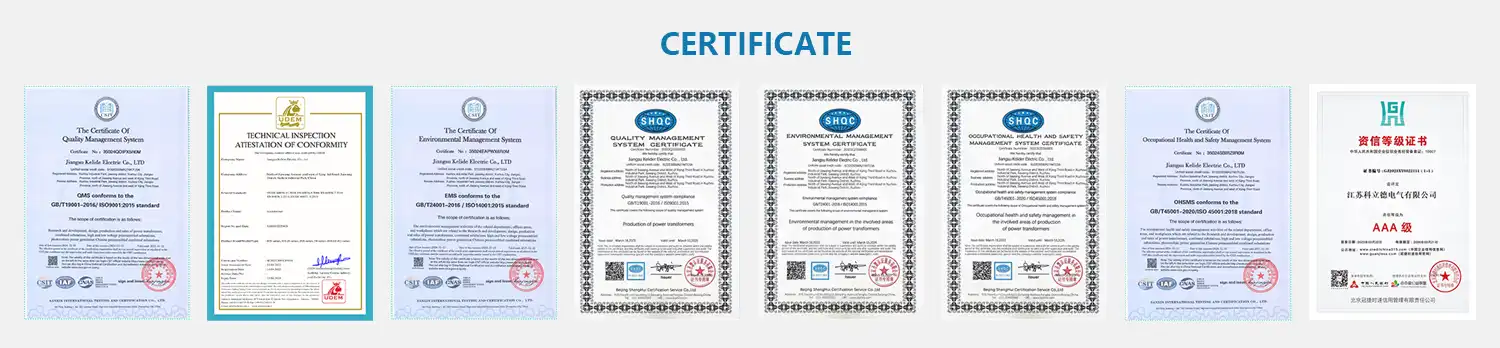
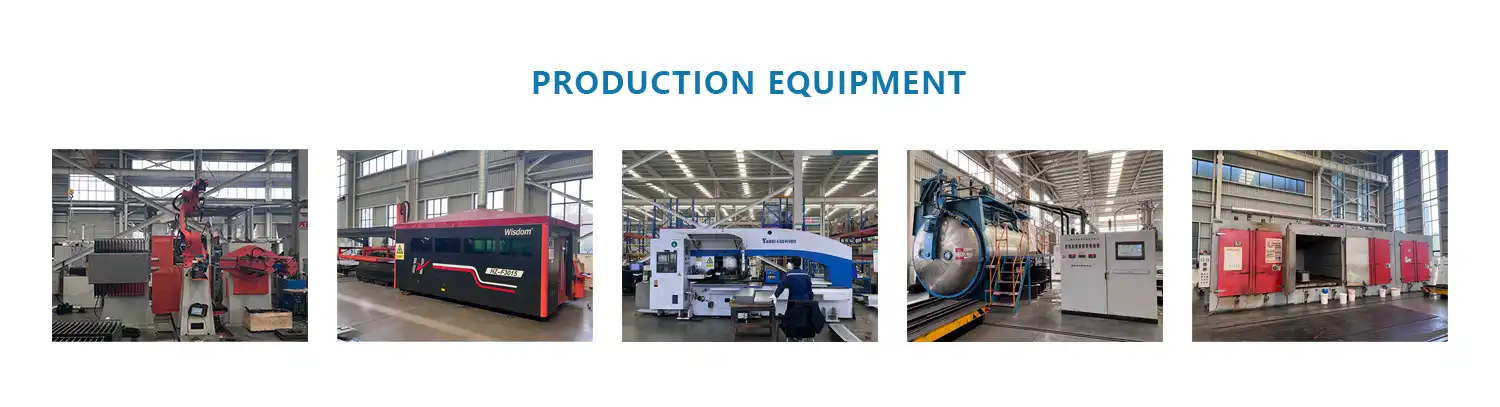
Quality system checks show that the way things are made is consistent. ISO 9001 approval means that quality management processes have been put in place. These processes include design control, output tracking, and methods for taking appropriate action. Supplier sites should have professional quality checking labs with tested tools and rooms that are kept at the right temperature. When evaluating suppliers, make sure they have modern production equipment like CNC wrapping machines, vacuum casting systems, and computer-controlled cure ovens that make sure the products are made precisely.
Comparing Withdrawable versus Fixed Switchgear Standards
Medium Voltage Withdrawable Switchgear designs have extra technical needs that aren't covered by fixed switchgear requirements. When racking is done over and over, the primary and secondary break points must keep their electrical integrity. For interlocking systems, more complex tests are needed to make sure the right order is used. Both types of equipment have to meet the same electrical performance standards. However, making withdrawable setups is more complicated and has tighter tolerance requirements. It is important to make sure that all of these rules are followed, which may mean higher starting costs but lower upkeep costs over the life of the investment.
Key Supplier Engagement Questions
Talk about guarantee coverage for withdrawable devices and contact wear, especially when you're talking about buying something. Find out if there are new parts for mechanical parts that will wear out during regular racking operations. Circuit breakers, current transformers, and control switches should all meet the appropriate standards on their own, according to the component certification paperwork. Long-term operating dependability is affected by service support features such as reaction times for emergencies and training programs for technicians.
Common startup problems for Withdrawable Switchgear can be avoided with technical help during installation and setup. Manufacturers who offer complete paperwork, such as repair guides, upkeep instructions, and lists of extra parts, show that they care about their customers' success. References from similar jobs let you check how well a seller did in similar situations, which lowers the risk of buying something.
Future Trends Impacting Withdrawable Switchgear Standards
Smart Grid Integration and IoT Capabilities
Emerging standards address the integration of monitoring sensors, communication protocols, and remote control capabilities within traditional Medium Voltage Withdrawable Switchgear designs. IEC 61850 standardizes communication networks and systems in substations, enabling real-time condition monitoring of equipment health. Temperature sensors track hotspot development, partial discharge detectors identify insulation degradation, and vibration monitors assess mechanical component wear. This data flows to centralized management systems, enabling predictive maintenance strategies that prevent unplanned outages.
Remote operation capabilities allow qualified personnel to perform switching operations from control centers rather than requiring physical presence at equipment locations. This functionality proves particularly valuable for unmanned substations or hazardous environments. Standards development continues addressing cybersecurity requirements as networked equipment introduces potential vulnerability to digital threats.
Environmental Regulations and SF6 Alternatives
Sulfur hexafluoride gas provides excellent insulation and arc quenching properties but carries high global warming potential. Environmental regulations increasingly restrict SF6 usage, driving development of alternative technologies. Vacuum interruption and clean air insulation solutions emerge as viable replacements. Standards organizations update requirements addressing these new technologies while maintaining equivalent safety and performance levels.
Manufacturers investing in SF6-free designs position themselves favorably for long-term market access as regulations tighten. Procurement professionals should evaluate supplier roadmaps regarding environmental compliance to avoid investing in technology facing potential obsolescence. Equipment designed for easy retrofit with alternative insulation media provides future-proofing flexibility.
Conclusion
Standards compliance for Medium Voltage Withdrawable Switchgear represents far more than a regulatory obligation—it directly determines equipment reliability, personnel safety, and project success. Understanding the distinction between IEC and IEEE requirements, recognizing regional certification needs, and thoroughly evaluating manufacturer compliance documentation protects your investment while ensuring operational continuity. The landscape continues evolving with smart grid integration and environmental considerations, making partnerships with technically capable, innovation-focused manufacturers increasingly important. Informed procurement decisions based on thorough standards knowledge position your organization for successful project execution and long-term operational excellence.
FAQ
What is the difference between IEC 62271 and IEEE C37 standards?
IEC 62271 series represents international standards widely adopted in European, Asian, and emerging markets, emphasizing comprehensive environmental testing and internal arc classification systems. IEEE C37 standards govern North American applications with specific focus on metal-clad construction and Type 2B arc resistance requirements. While both standard families address similar safety and performance objectives, they differ in testing procedures, classification terminology, and specific parameter definitions. Equipment intended for global deployment may require dual certification demonstrating compliance with both standard families.
Can switchgear be customized while maintaining standards compliance?
Manufacturers can customize compartment configurations, busbar arrangements, circuit breaker ratings, and control schemes while maintaining Medium Voltage Withdrawable Switchgear standards compliance. Customization must occur within tested design envelopes—alterations affecting arc containment, insulation coordination, or structural integrity require additional testing. Reputable manufacturers document customization limits and perform validation testing when modifications approach design boundaries. Procurement specifications should clearly identify required customizations early in the sourcing process, allowing suppliers to confirm compliance feasibility and testing requirements before contract execution.
How often should compliance testing occur after installation?
Annual inspections with detailed maintenance every three to five years, depending on operating conditions, represent typical recommendations. Required tests include insulation resistance measurement exceeding 1000 megohms, contact resistance verification below 50 microhms, circuit breaker timing validation, and mechanical operation assessment. Facilities experiencing harsh environmental conditions or frequent switching operations may require more frequent testing intervals. Manufacturers provide specific maintenance schedules based on equipment design and application. Proper documentation of all testing activities supports regulatory compliance and identifies developing issues before they cause operational failures.
Partner with Tuojie for Certified Medium Voltage Withdrawable Switchgear Solutions
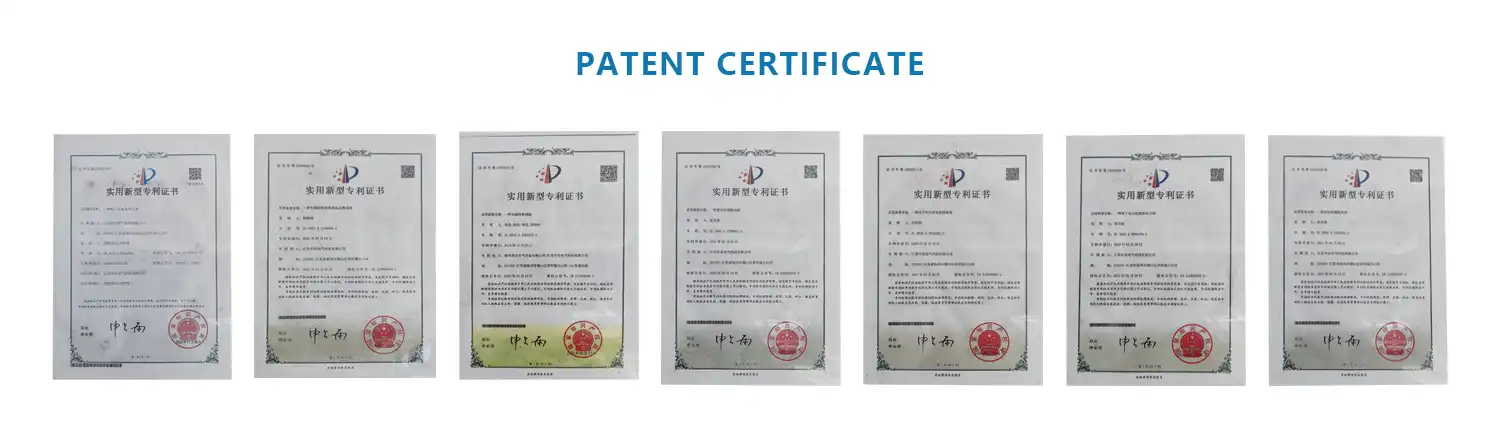
Tuojie has supplied compliant Medium Voltage Withdrawable Switchgear solutions to hundreds of critical projects, including Xuzhou Rail Transit and XCMG Group facilities, demonstrating proven expertise in demanding applications. Our manufacturing operations maintain ISO 9001, ISO 14001, and OHSAS 45001 certifications with a comprehensive CCC mandatory certification for all products. With 18 patents and over 120 sets of advanced production equipment, we deliver customized solutions meeting IEC 62271-200 and IEEE C37.20.2 standards for electrical distribution.
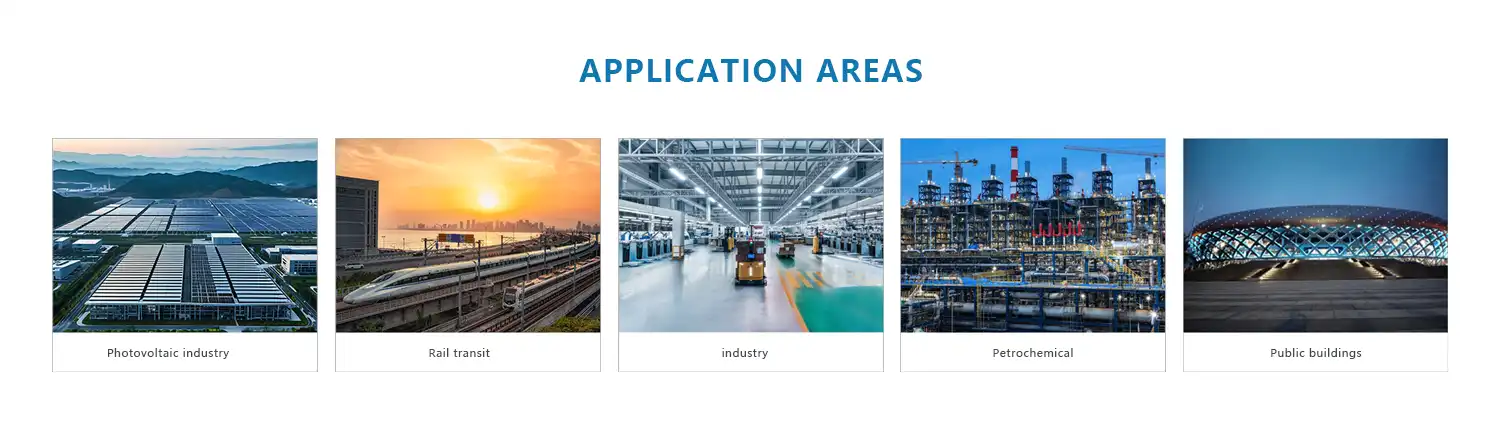
Our technical team includes 15 senior engineers and over 30 intermediate technicians providing comprehensive support from initial specification through commissioning and lifecycle maintenance. Whether you represent government infrastructure projects, commercial real estate developments, or industrial manufacturing facilities, we offer one-stop power distribution solutions backed by rigorous quality control. As a reliable medium voltage switchgear manufacturer, we implement zero-defect manufacturing principles with strict monitoring from raw material procurement through final delivery and installation.
Contact our team at tuojie@electricinchina.com to discuss your specific project requirements and receive detailed compliance documentation. Visit electricinchina.com to explore our complete product portfolio and discover how our proven track record supports your procurement objectives with technical excellence and punctual delivery.
References
1. International Electrotechnical Commission, "IEC 62271-200: High-voltage switchgear and controlgear – Part 200: AC metal-enclosed switchgear and controlgear for rated voltages above 1 kV and up to and including 52 kV," Geneva, Switzerland, 2021.
2. Institute of Electrical and Electronics Engineers, "IEEE C37.20.2: Standard for Metal-Clad Switchgear," New York, USA, 2022.
3. National Electrical Manufacturers Association, "ANSI C37.04: Rating Structure for AC High-Voltage Circuit Breakers," Rosslyn, Virginia, 2018.
4. Underwriters Laboratories, "UL 1558: Standard for Safety Metal-Enclosed Low-Voltage Power Circuit Breaker Switchgear," Northbrook, Illinois, 2019.
5. International Organization for Standardization, "ISO 9001: Quality management systems – Requirements," Geneva, Switzerland, 2015.
6. Institute of Electrical and Electronics Engineers, "IEEE 693: Recommended Practice for Seismic Design of Substations," New York, USA, 2018.