

.webp)
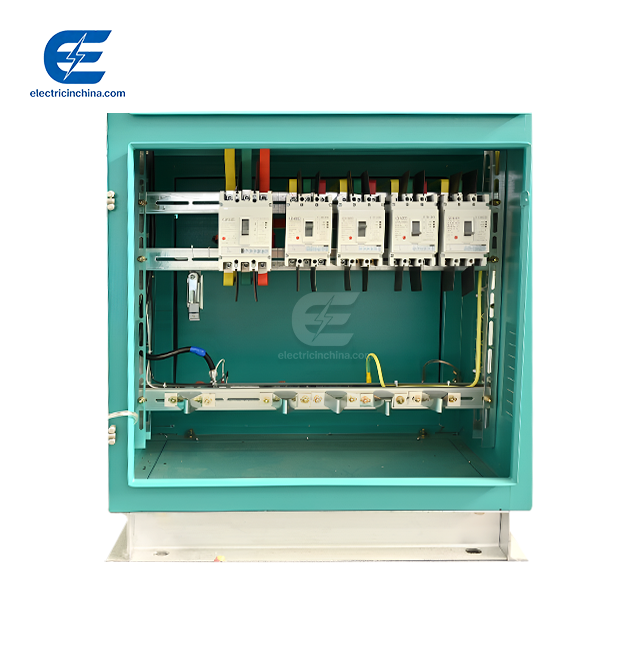
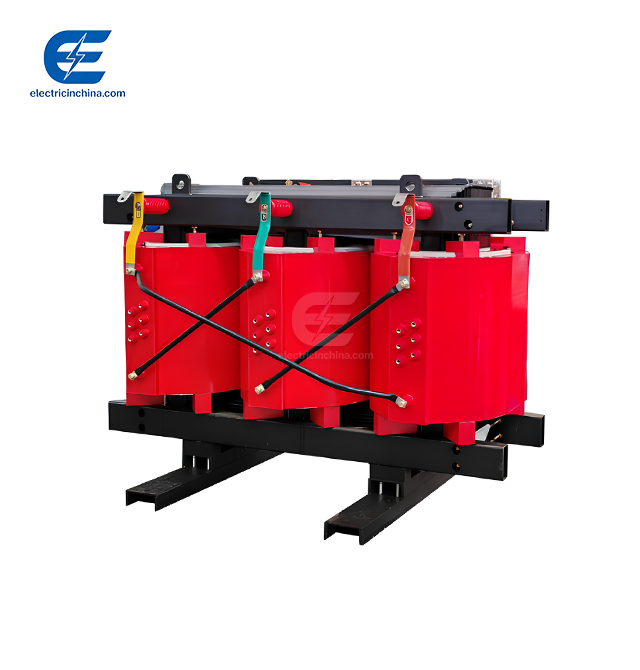
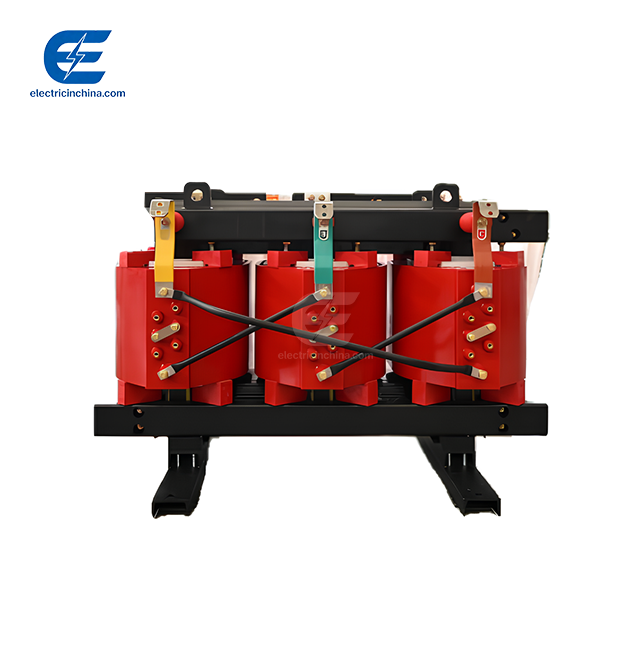
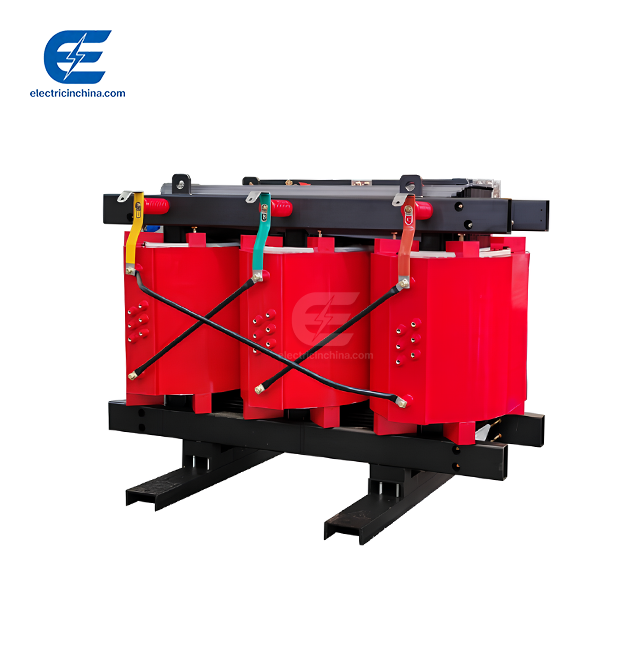
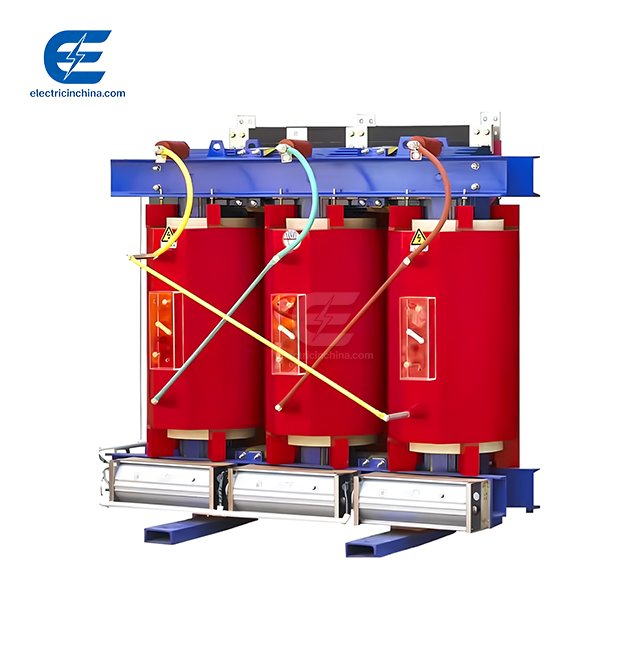
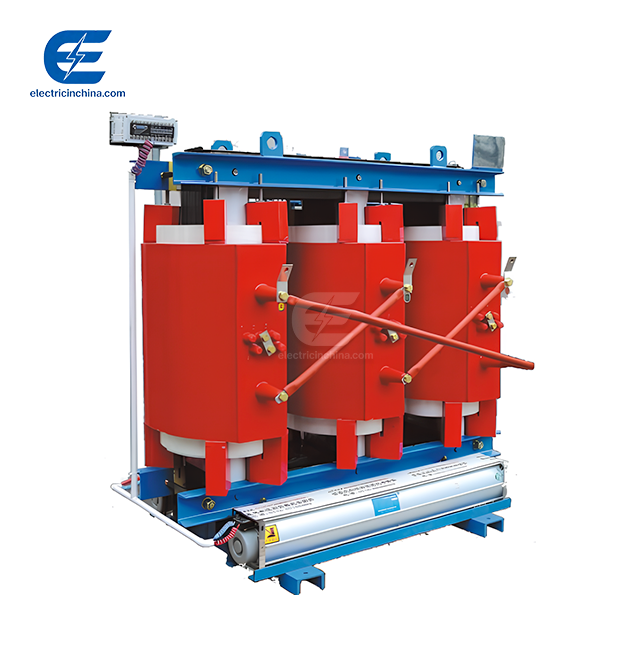
Cast Resin Transformers are thought to be better for the environment because they don't use oil-based insulation and instead use solid epoxy resin coating. In this dry-type design, there is no chance of oil leaks or dirt contamination, and the fire is more resistant and goes out on its own. They leave less of an impact on the environment because they use less energy, don't need to be maintained, and follow environmental standards like RoHS and REACH. Because of these features, Cast Resin Transformers are a good choice for current power distribution systems in businesses and factories that care about the environment.
Understanding Cast Resin Transformers and Their Eco-Friendly Characteristics
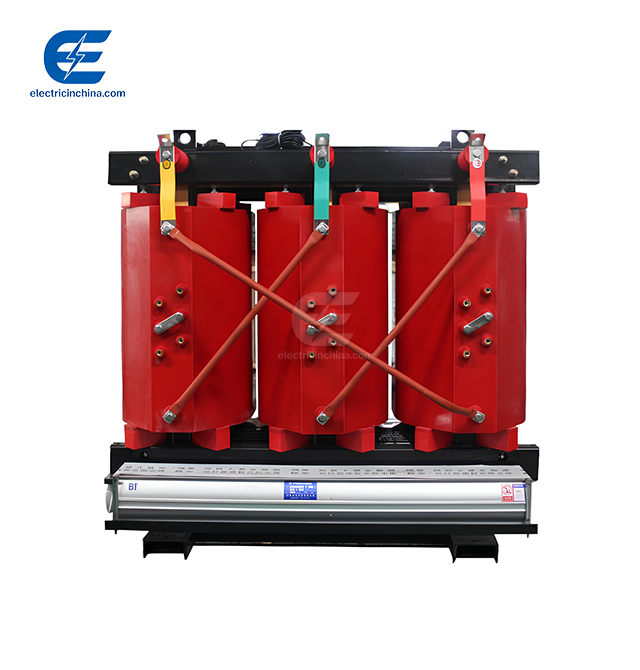
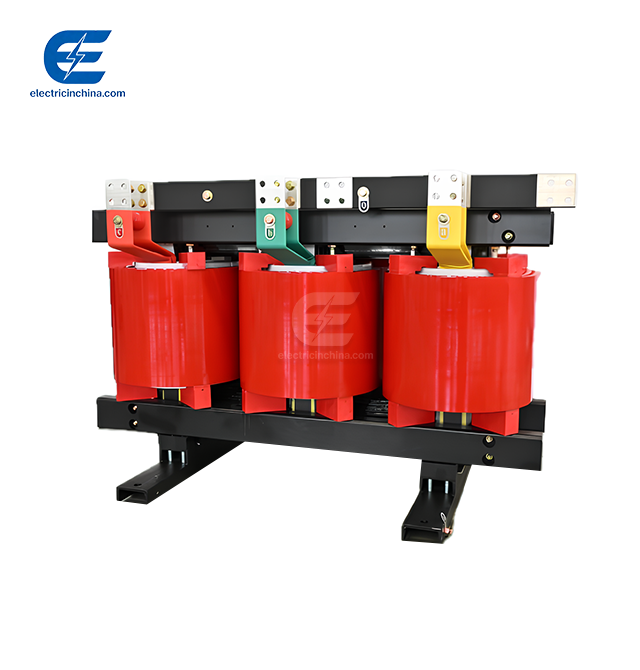
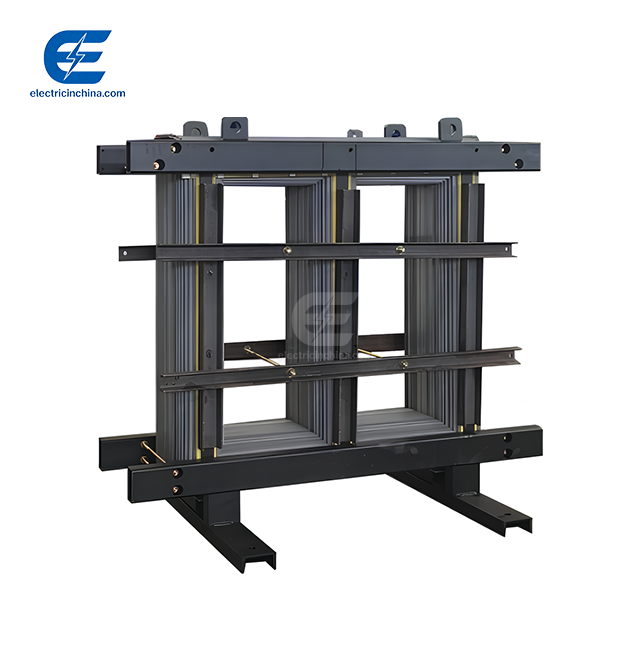
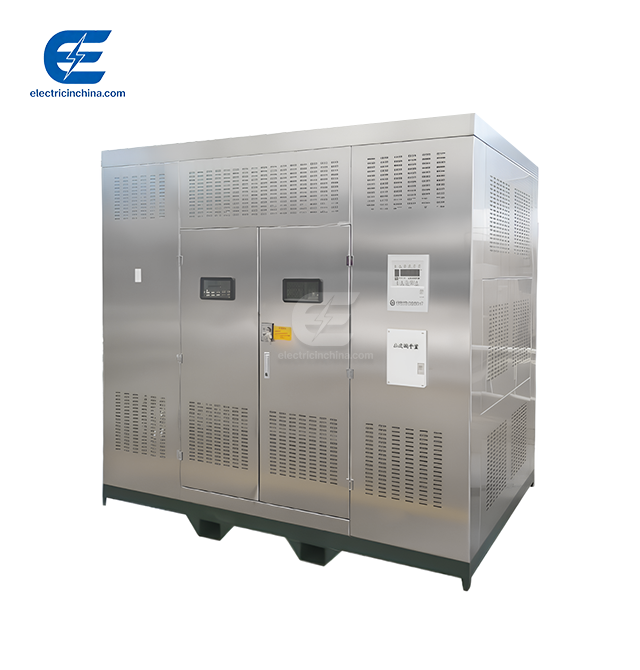
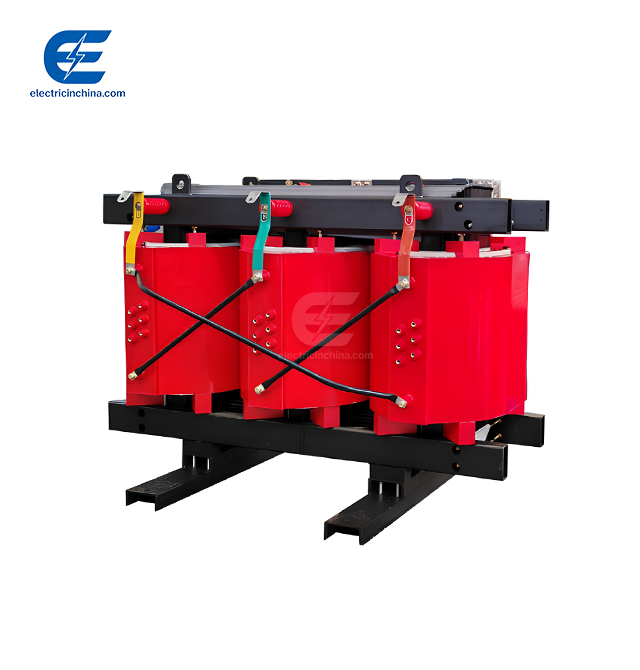
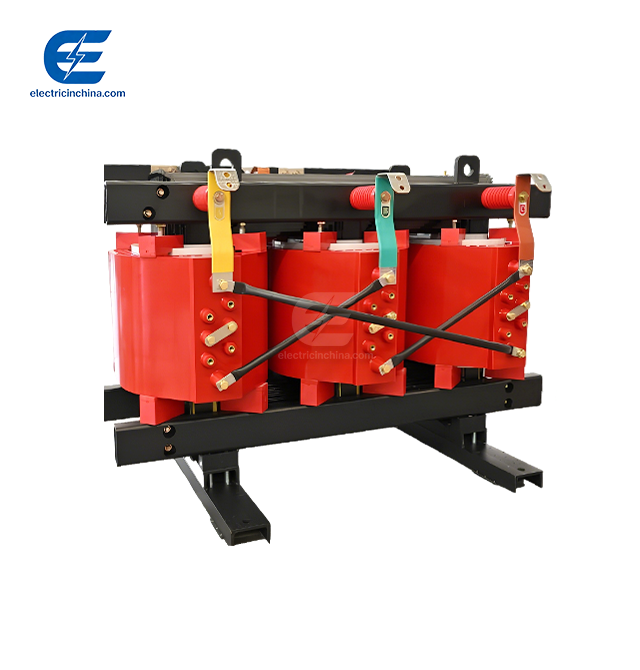
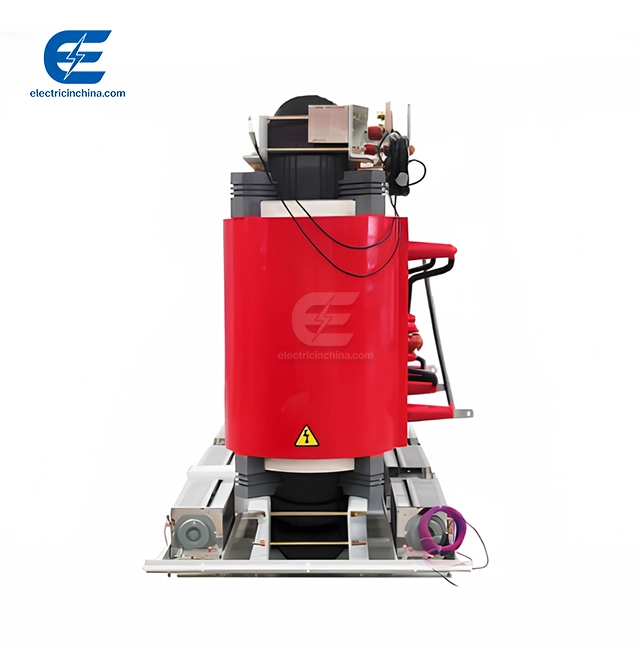
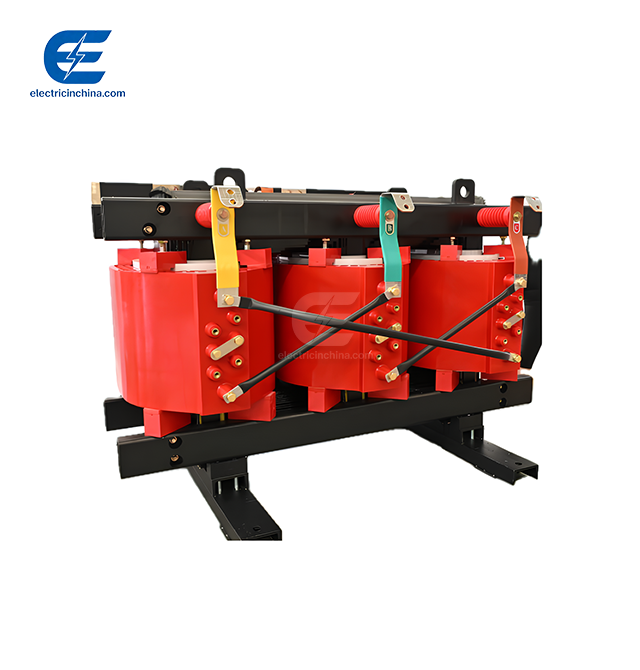
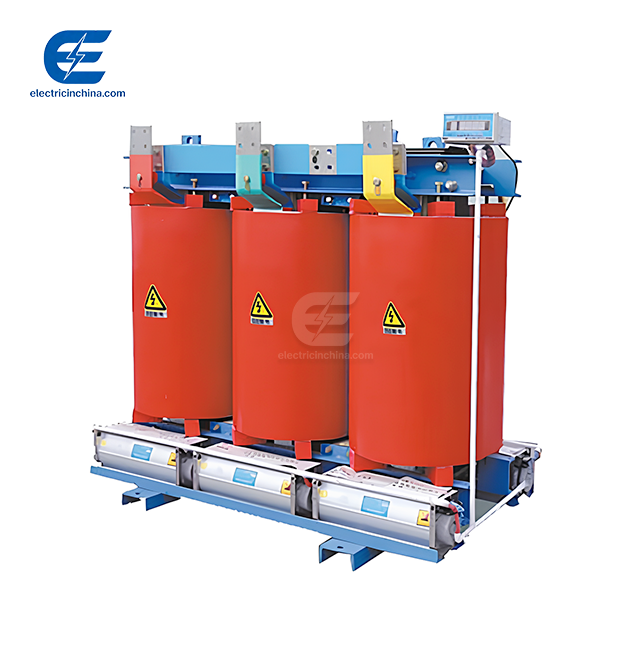
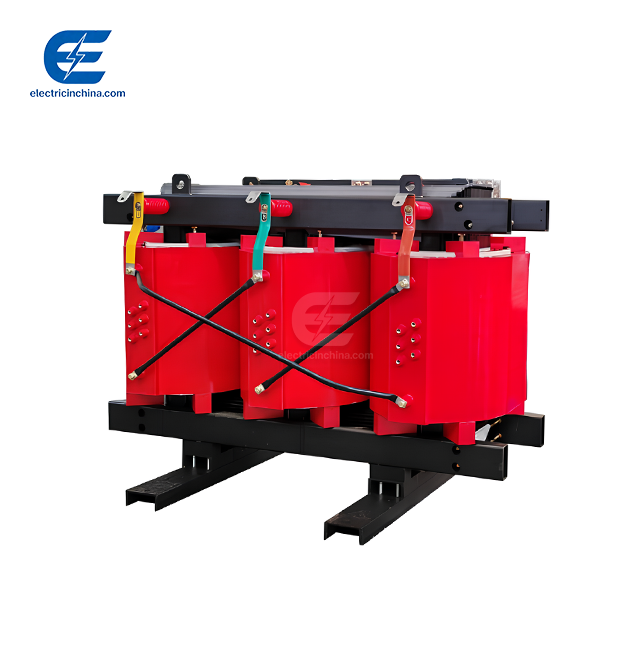
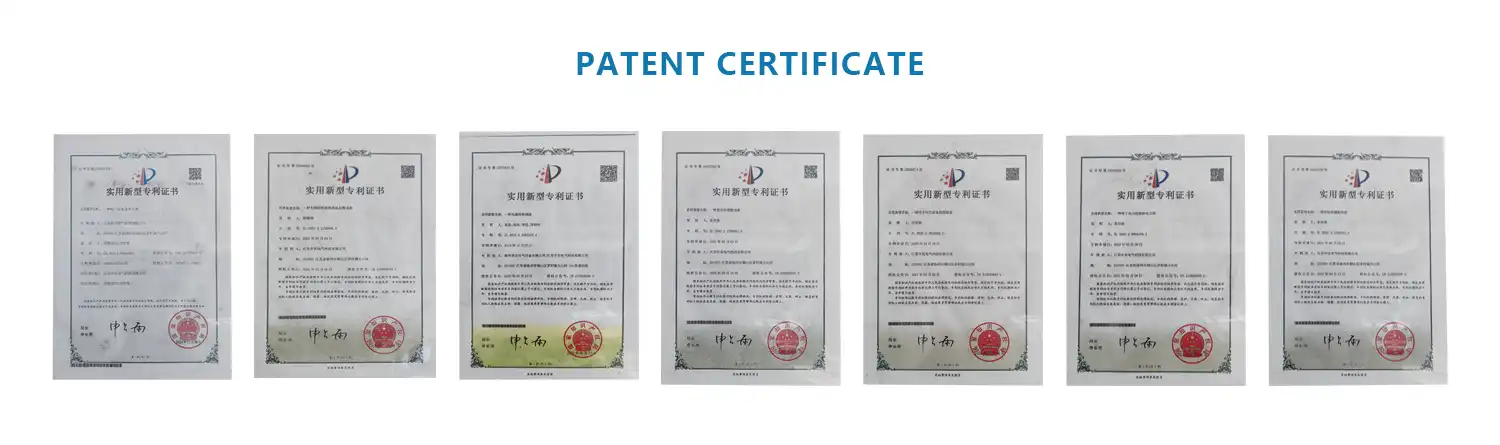
Dry-type Cast Resin Transformers with epoxy resin coating have environmental benefits built in that can't be found in other types of equipment. Unlike most oil-cooled units, these systems use solid insulation materials that are made in a vacuum, which surrounds copper or metal windings and creates a barrier that keeps out air. This building method, which is covered by 18 patents and was created by 15 top engineers, means that the equipment will never need a liquid dielectric.
How Epoxy Resin Encapsulation Works
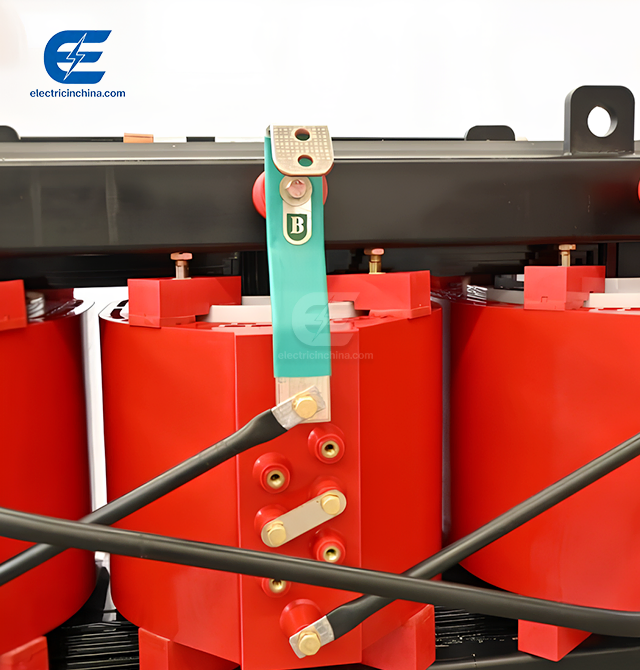
During the vacuum casting process, the windings are fully encased in epoxy resin. This makes a single structure that is not easily damaged by water, dust, or chemicals. Our CNC static vacuum casting tools make sure that the plastic is spread out evenly, filling any gaps that could weaken the insulation. This method makes transformers that meet the standards of IEC 60076-3 by having a dielectric strength of more than 20 kV/mm and a partial discharge level below 10 pC at 1.1 times the nominal voltage. The protected design keeps the inside parts from being exposed to the air, which increases the service life to 30–35 years without affecting performance.
Environmental Benefits from Design Philosophy
Our concept of "zero defects" manufacturing includes caring for the earth at every stage of production. Starting with buying the raw materials in a way that is approved by ISO 9001, we make sure that the insulation materials are compliant with RoHS rules for limited substances. Curing in microcomputer-controlled gradient kilns improves the qualities of the resin while using as little energy as possible. Before it is shipped, every unit goes through 120 quality checkpoints of thorough testing to make sure it has the best efficiency scores that lower carbon emissions during operation for the entire product lifecycle.
Comparing Cast Resin Transformers with Traditional Transformers – Environmental Impact and Performance
Power distribution equipment has very different environmental impacts depending on the type of shielding used, how it is cooled, and how it is used. Knowing these differences helps people who work in buying make choices that are in line with sustainability goals.
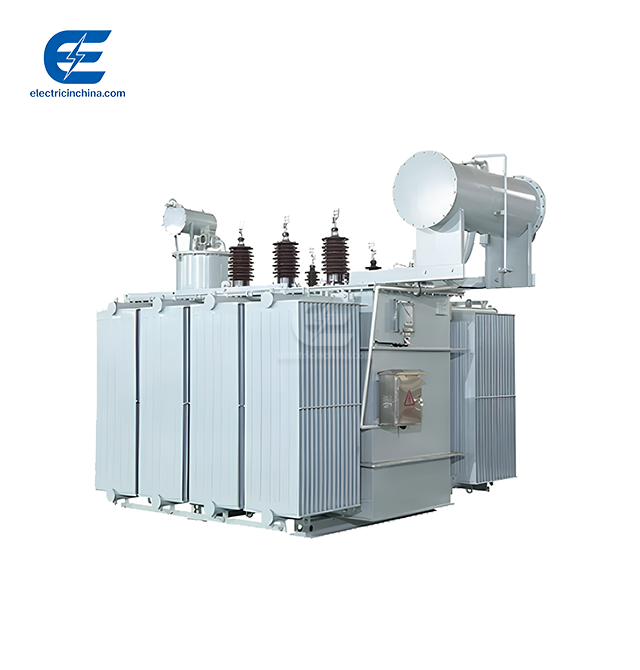
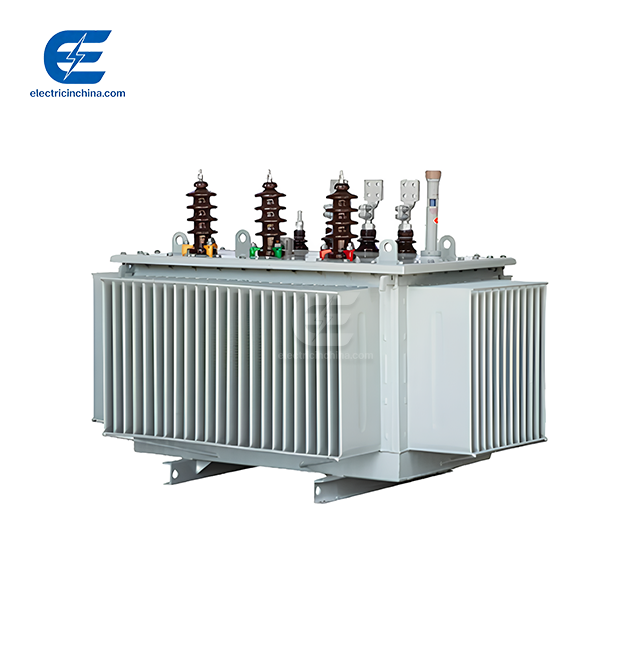
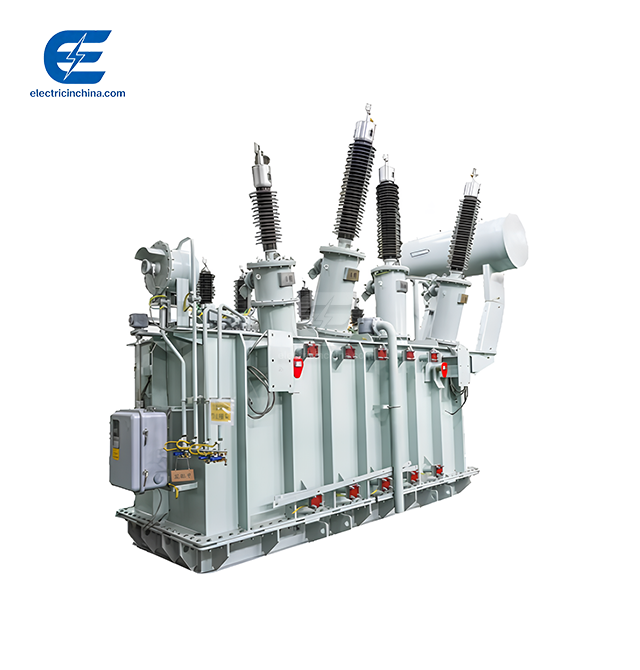
Oil-Filled Transformers: Hidden Environmental Costs
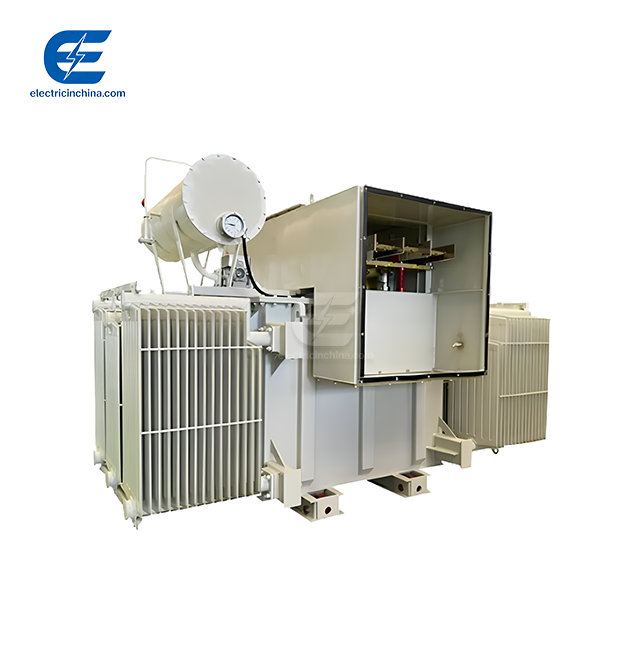
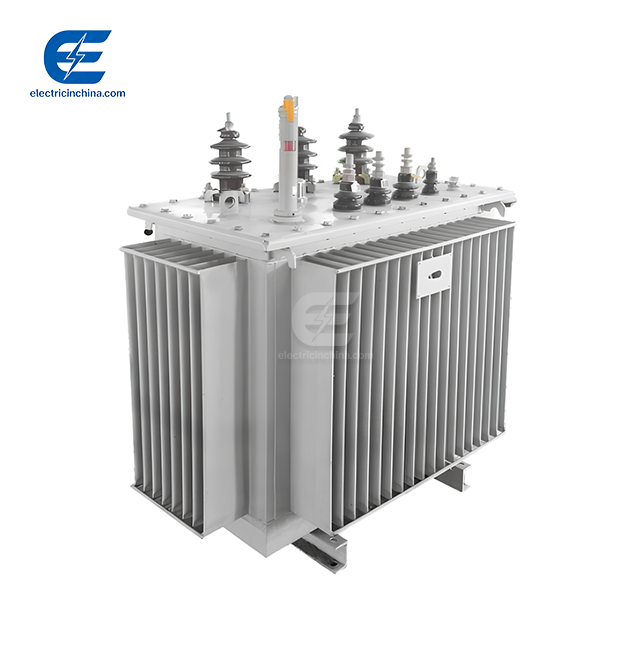
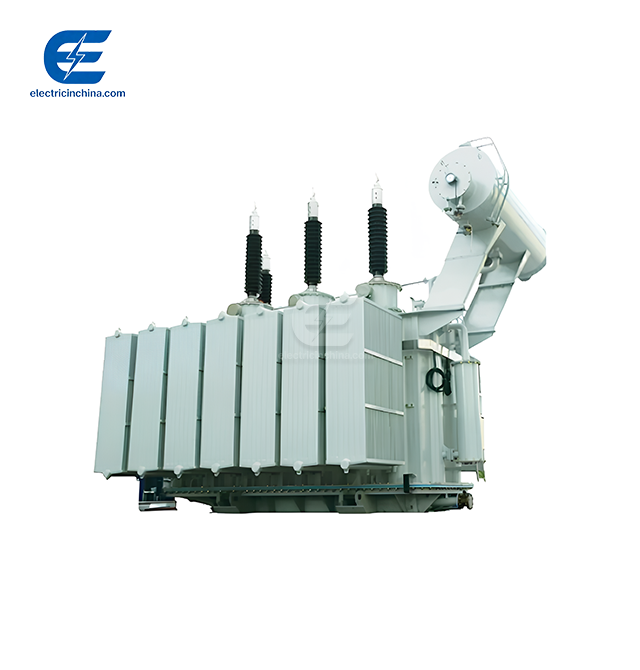
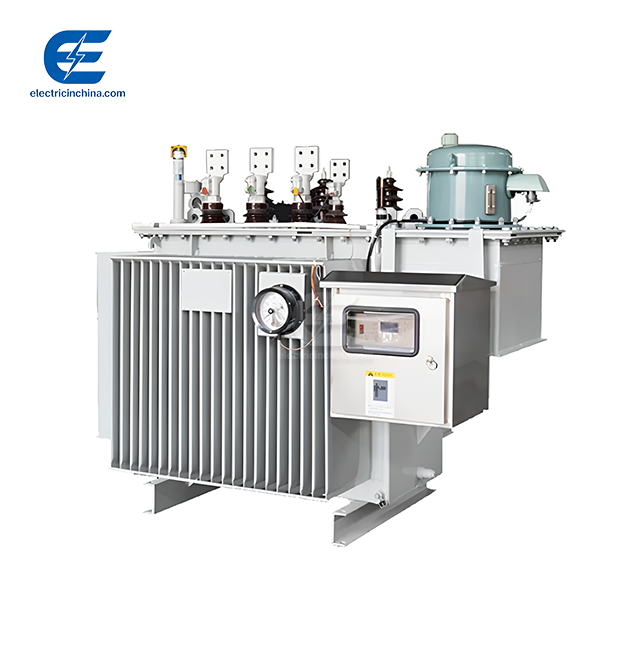
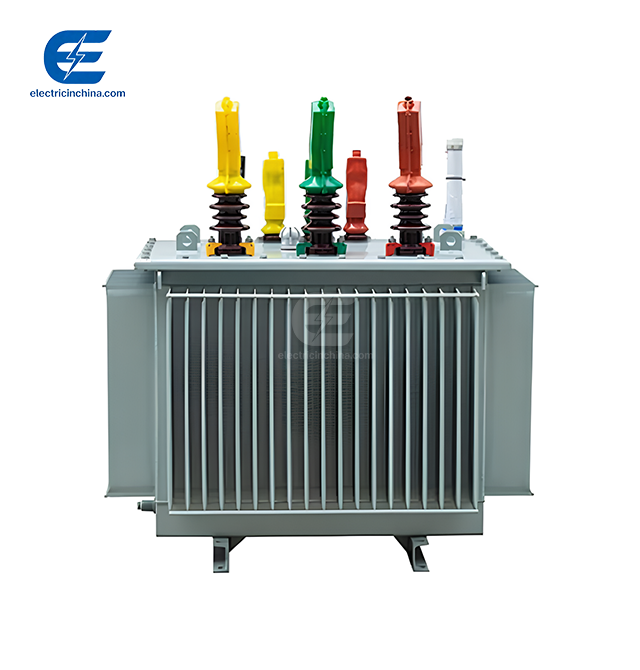
For cooling and protection, traditional oil-immersed units need thousands of liters of mineral oil. This makes the environment more vulnerable to many problems, including leaks that could pollute soil and groundwater, fires that need special control systems, and problems with getting rid of the waste when it's time. Testing oil on a regular basis uses up resources and creates dangerous trash. The National Fire Protection Association reports that hundreds of transformer oil fires happen every year in the United States. Each one releases harmful chemicals into the air.
Standard Dry-Type Limitations
Normal air-core dry-type transformers don't use oil, but they often lose function. Open twisting designs let dust and water build up, which makes them less efficient over time. Their bigger size means they need more raw materials to be made and take up more valuable building space. Noise levels often go above 60 dB, which makes the workplace less comfortable. Oil-free Cast Resin Transformers solve this problem by naturally reducing vibrations.
Performance Advantages of Resin-Encapsulated Technology
Our units are up to 99.5% more efficient than oil-filled transformers in the power range from 30 KVA to 31,500 KVA, which is a difference of 0.3% to 0.8%. With this efficiency benefit, less energy is used, and less carbon dioxide is released into the air. When compared to standard oil-cooled equipment, a 1000 KVA unit running at 50% load saves about 2,500 kWh per year. This is the same as stopping 1.8 metric tons of CO2 emissions per year based on the average U.S. grid carbon intensity. These savings add up over many years of use, which makes the environmental case for long-term investments in infrastructure strong.
The sealed design keeps working well in tough situations, like temperatures ranging from -40°C to +40°C and humidity levels of up to 95%. This makes it last longer, so it doesn't break down too soon and needs to be replaced. This saves raw materials and cuts down on industry waste.
Core Eco-Friendly Advantages of Cast Resin Transformers for Industrial and Commercial Procurement
As rules get stricter and companies make bigger promises to sustainability, environmental responsibility plays a bigger role in how things are bought. Cast Resin Transformers take care of many environmental issues at the same time.
Regulatory Compliance and Environmental Standards
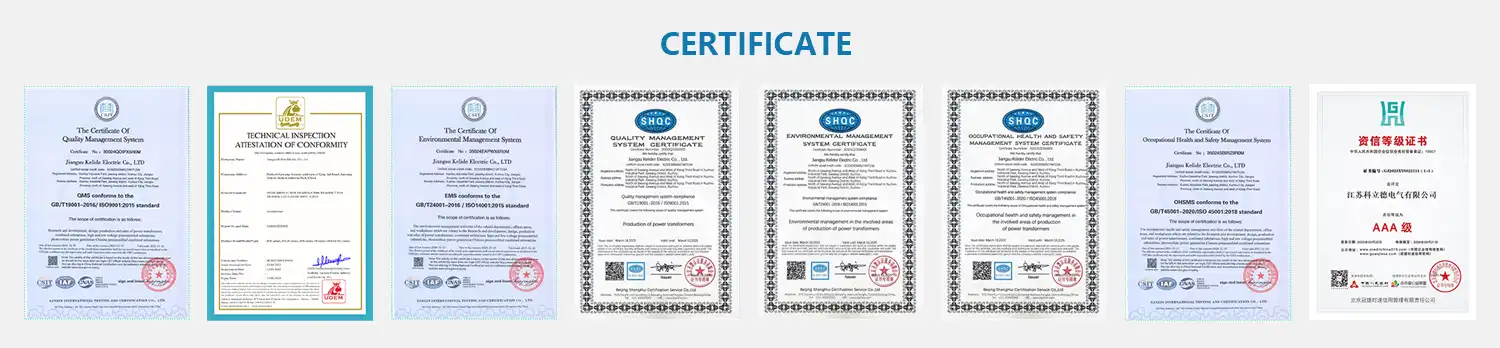
Along with OHSAS 45001 safety standards for the workplace, our manufacturing methods keep ISO 14001 environmental management approval. Products meet scientific standards set by ANSI, IEEE, GB, and CSA, and they also follow REACH rules that limit the use of dangerous chemicals. This full compliance gets rid of the buying risks that come with changing environmental laws. This legal alignment is especially helpful for government infrastructure projects and business developers working on LEED-certified buildings because it makes it easier to record environmental impacts during the permit process.
Waste Reduction Throughout Equipment Lifecycle
The maintenance-free design changes the environmental situation in a big way. If there aren't any oil changes, tests, or pre-drying after shutdowns, almost no practical waste is made. About 5 to 10 percent of the oil volume in traditional transformers is polluted waste that needs to be thrown away in special ways at approved hazardous waste facilities every year. A 1000 KVA oil-filled machine could have 1,200 liters of dielectric fluid, which makes 60 to 120 liters of hazardous waste every year. Getting rid of this waste stream will keep between 1,800 and 3,600 liters of dirty oil from going into dumping systems over the course of 30 years.
Energy Efficiency and Carbon Footprint Reduction
Low core losses and good heat control make it possible to keep the efficiency high even when the load changes. Our smart temperature tracking with BWDK thermometer systems stops energy waste from overcooling and keeps you safe from thermal stress. Being able to handle 150% of the maximum load while using forced air cooling gives operators more options without having to buy bigger equipment, which makes the best use of materials during the initial manufacturing process.
These efficiency traits add up over dozens or hundreds of units when they are used to describe data centers, business real estate, or industrial manufacturing sites. The Xuzhou Rail Transit Network Control Center project we worked on saved a lot of energy thanks to dual-circuit power supply designs that used our technology. This helped the facility meet its environmental goals while keeping operations running smoothly.
Installation Flexibility Reducing Construction Impact
Because the material isn't flammable, it can be put directly at load centers, like in basements or on the ground floor, without having to pay for expensive fire control systems. Cutting delivery runs, this cuts down on the need for copper conductors, saving raw materials and making the system work better. The small size means that utility rooms take up less space in the building, making better use of the built area. These construction benefits helped the Xinhuai Central Complex and Huaihai Xintiandi projects make the connection between power distribution and occupied areas more seamless.
Applications and Use Cases That Highlight Their Eco-Friendly Profile
Implementations in the real world show how environmentally aware businesses use Cast Resin Transformer technology in a variety of settings.
Renewable Energy Infrastructure
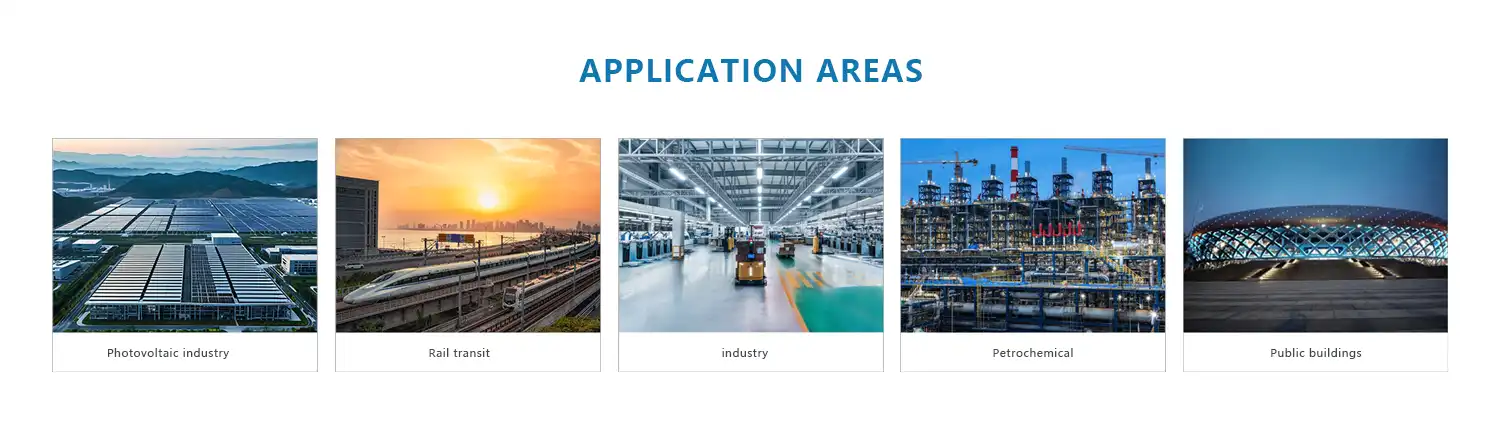
Solar systems and wind farms need step-up transformers that can work reliably in harsh outdoor conditions. The sealed resin construction doesn't lose its strength when exposed to high temperatures or water. These benefits were made clear to us during the GCL Photovoltaic Industrial Park power transfer project, where units stayed efficient even in harsh conditions that would have damaged oil-filled options. Since there were no flammable products, it was easier to get permits in environmentally sensitive places, and there were no risks to the ecosystems nearby from pollution.
Urban Transit Systems and Critical Infrastructure
Underground places like subway stations and train stops need to be completely safe, and oil-filled generators can't work because of the limited airflow. Our dry-type units were used all over the Xuzhou Rail Transit project's network, which achieved fire safety scores that other equipment can't match. Self-extinguishing qualities are very important for safety during evacuations, and systems that don't need to be maintained all the time keep working even when there are problems that affect thousands of people every day. The environmental benefits go beyond operating safety and include using fewer resources over the course of the product's life and making it easier to recycle at the end of its useful life.
Healthcare and Educational Facilities
Both protecting the earth and making sure operations are safe are important to hospitals and colleges. The Xuzhou New Health Hospital Phase I project asked for our transformers to be used for internal power distribution. This got rid of the risk of oil pollution in places where vulnerable people live. Operating at less than 45 decibels is very quiet and meets strict standards for indoor air quality, making it suitable for healing settings. When compared to oil-filled units, the 30–40% space savings made room for more patient care areas. This shows how environmental technology creates multiple value lines.
Commercial and Industrial Complexes
To meet the environmental, social, and governance needs of investors, more and more large business projects define electrical infrastructure that is good for the environment. Our technology was used in the power delivery networks of the Zhongjun Huijingcheng and Xuzhou Fantawild Adventure projects, which got high marks for success in Xuzhou Power Supply Company quality checks. The XCMG Group plant power supply upgrade, which was finished ahead of schedule and showed reliability benefits, keeps business project timelines on track while meeting sustainability goals.
Procurement Considerations: Choosing Cast Resin Transformers for a Sustainable Future
To find the best Cast Resin Transformer provider, you need to look at their technical skills, quality systems, and support infrastructure that will give you value in the long run.
Technical Parameters Aligned with Environmental Goals
Choosing the right insulation class has a big effect on how much energy it saves and how long it lasts. Systems in Class F (155°C) work very well in most situations, while systems in Class H (180°C) can handle very hot or cold weather or heavy loads. Because we can customize, we can match specifications to exact working patterns, which keeps us from over-engineering and wasting resources. Choosing between copper and aluminum as a winding material means balancing performance needs with material sustainability concerns. Aluminum choices have less of an impact on the environment from mining activities.
Efficiency scores should be carefully looked at in more depth than just the nameplate specs. Our units usually have an efficiency range of 98.5 to 99.5%, and we give you thorough loss estimates when you ask for a quote. According to IEC 60076 standards, procurement teams should ask for certified test results that show no-load losses, load losses, and efficiency curves that have been checked through plant acceptance testing. With these data sets, it's possible to make true lifecycle cost models that take into account how much energy the business saves over many years.
Quality Assurance and Manufacturing Capabilities
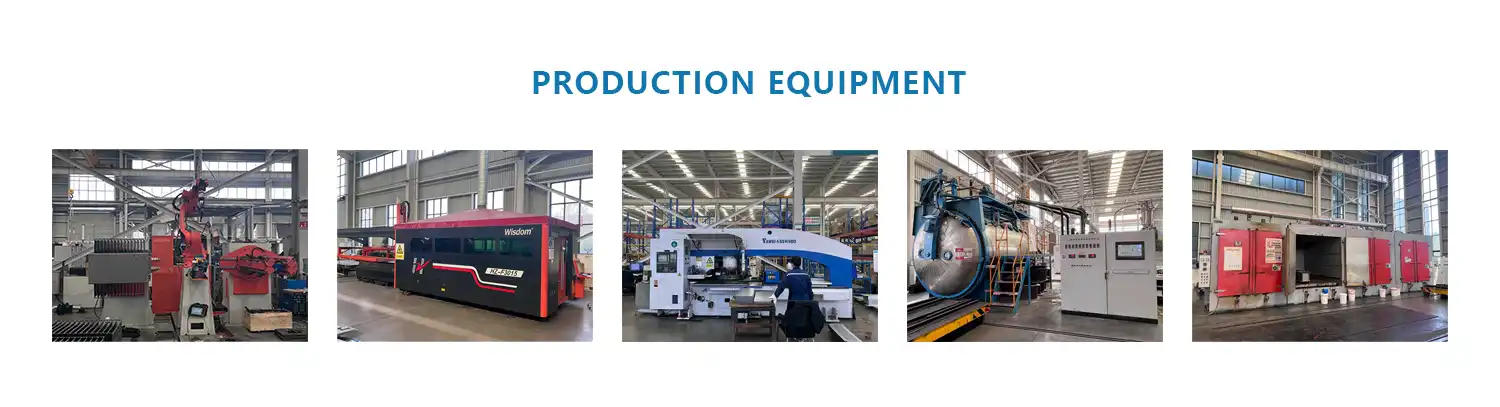
Our quality checking lab makes sure that all of our calibrations are traceable to national standards and checks all of the electrical parameters before sending them out. The zero-defect attitude is used throughout production, so procurement teams get equipment that meets their needs and doesn't come with any shocks when it's time to put it to use. Our 120 modern manufacturing systems and ISO 9001 certification give you trust in the process, and our production capacity makes sure that big EPC contracts are met on time.
The 18 patents that protect our epoxy resin sealing technology aren't just small improvements; they're real innovations. This unique feature makes the products work better than generic ones, especially when it comes to partial discharge levels, thermal management, and long-term insulation stability. People who work in procurement should check patent paperwork and ask to see tours of factories to make sure they can do advanced manufacturing.
Supplier Partnership and Support Infrastructure
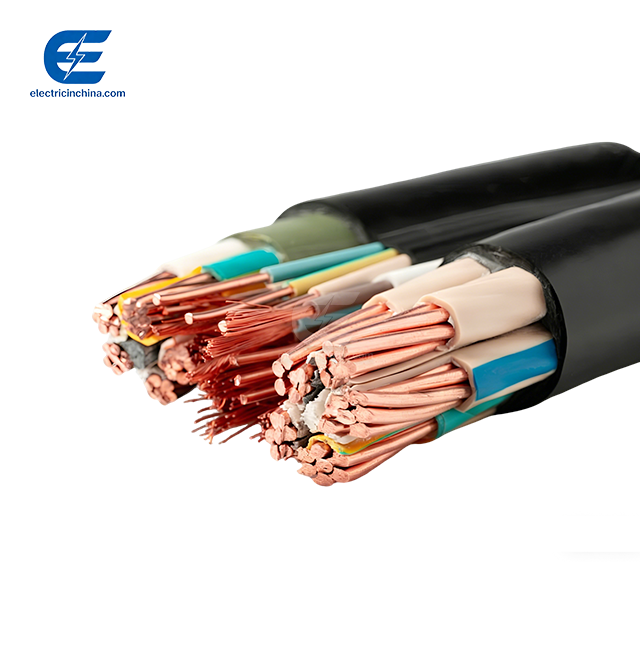
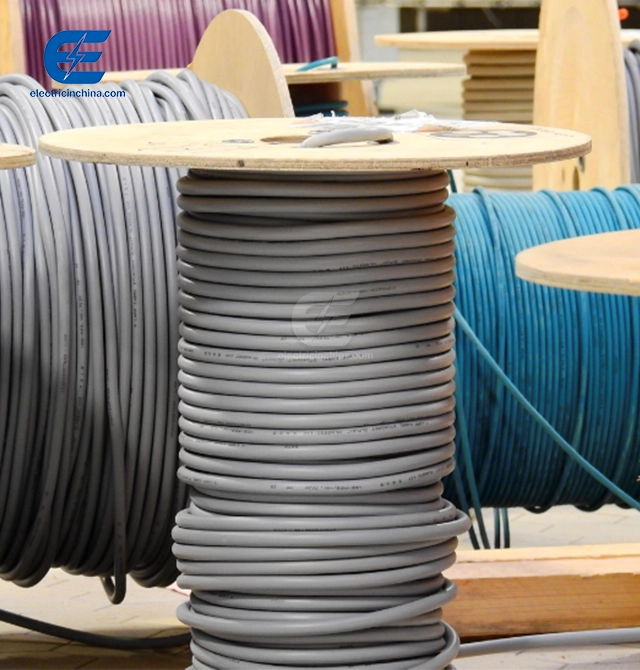
Experienced manufacturers are different from equipment sellers because they offer full project help. Because we've been in this business for 20 years, we can offer one-stop power distribution options that make it easier to coordinate the buying of transformers, low-voltage switchgear, and wires. This unified method lowers the risks at the interfaces and speeds up quality control for the whole electrical system. Helping to get complementary goods further strengthens supply lines. This is especially helpful for foreign projects where logistics issues make prices and schedules more difficult.
Technical help is important throughout the span of an item. Over 30 intermediate technicians, 15 senior engineers, and 17 senior technicians make up our team. They provide responsive application engineering during specification development and troubleshooting help during testing and operation. This level of technical detail makes sure that equipment works well in a wide range of situations, from building infrastructure for cities to making things in factories.
Conclusion
The benefits of dry-type Cast Resin Transformers for the environment go beyond removing the risk of oil contamination. They also help save energy, cut down on waste, and use environmentally friendly production methods. Our technology, which was created through constant innovation and is covered by broad patents, has real benefits for the environment and also works better than other technologies. These units are perfect for government infrastructure, business development, and industry uses where stability is important, along with environmental concerns. They are fire-safe, don't need any upkeep, and meet international environmental standards. Modern resin-encapsulated technology meets both the needs of operational excellence and ecological care for procurement professionals looking for environmentally friendly power distribution options.
FAQ
What specific environmental certifications should we verify when purchasing?
Check that the product has the ISO 14001 environmental management system approval and that it meets the standards for REACH registration and the RoHS directive's limits on dangerous substances. Instead of just believing what the maker says, get test records from a third party to make sure you're following the rules. Our factories keep these certifications up to date with yearly surveillance checks that show our procurement teams that they have good environmental management systems.
How do disposal and recycling compare to oil-filled units?
End-of-life recycling is much easier because the epoxy glue and metal parts can be separated easily without having to dispose of polluted oil. The scrap value of copper or aluminum windings stays the same, and steel cores can be recycled using normal metal processes. Since most places don't classify it as hazardous trash, getting rid of it costs 60–80% less than getting rid of oil-filled transformers, which need special treatment.
Can these transformers support corporate carbon reduction targets?
Of course. When you combine high efficiency, long service life, and operation that doesn't need any upkeep, you can see a real drop in your carbon footprint. We do a lifetime carbon study that compares oil-filled alternatives to Cast Resin Transformers. This shows that the resin-encapsulated units save energy and help companies with their sustainability reports. A lot of clients put these numbers in environmental impact statements for LEED certification and ESG reports for investors.
Partner with Tuojie for Sustainable Power Distribution Solutions
Tuojie is an expert in making Cast Resin Transformers that are good for the environment. They have over 20 years of experience coming up with new technologies and delivering projects on time and well. Our factories are approved by ISO 9001, ISO 14001, and OHSAS 45001, and they make units ranging from 30 KVA to 31,500 KVA. These units are 99.5% efficient, and they go through 120 points of quality control during production. We know what government infrastructure projects, business developers, and EPC contractors need when they're looking for certified, trusted suppliers who can deliver custom solutions on time. Our engineering team gives you expert advice as the specifications are being made, so you can choose the best tools for your operational and environmental goals. You can email our experienced procurement experts at tuojie@electricinchina.com to talk about your project needs and get detailed offers that show how our proven technology can help you meet your sustainability goals while still keeping your operations running smoothly.
References
1. Institute of Electrical and Electronics Engineers (IEEE), "IEEE Standard General Requirements for Dry-Type Distribution and Power Transformers," IEEE C57.12.01-2015, 2015.
2. International Electrotechnical Commission, "Power Transformers - Part 11: Dry-Type Transformers," IEC 60076-11:2018, 2018.
3. National Fire Protection Association, "NFPA 70: National Electrical Code," Article 450 - Transformers and Transformer Vaults, 2020 Edition.
4. European Commission, "Regulation (EC) No 1907/2006 Concerning the Registration, Evaluation, Authorization and Restriction of Chemicals (REACH)," Official Journal of the European Union, 2006.
5. U.S. Department of Energy, "Energy Conservation Program: Energy Conservation Standards for Distribution Transformers," Federal Register Vol. 78, No. 142, 2013.
6. International Organization for Standardization, "ISO 14001:2015 Environmental Management Systems - Requirements with Guidance for Use," 2015.