

.webp)
To fix Amorphous alloy dry-type transformer units that aren't working properly because of an odd temperature, you need to pay close attention to how well they cool, how they handle loads, and their surroundings. Combining thermal imaging diagnosis with preventative maintenance plans has cut down on overheating by up to 85% in our experience. Modern units with smart tracking systems can find changes in temperature before they become major problems. This protects your infrastructure investment and keeps your business running.
Understanding Abnormal Temperature in Amorphous Alloy Dry-Type Transformers
Controlling the temperature is what makes a generator reliable. When working temperatures are higher than the design limits, insulation materials break down quickly. This shortens the life of the equipment and makes it less safe. Maintenance teams can fix small problems before they become expensive failures by spotting early warning signs.
What Constitutes Abnormal Temperature
Depending on the insulation class, dry-type power transformers usually work at temperatures between 80°C and 120°C when they are fully loaded. When surface readings go above these limits or when hot spots form on windings and core assemblies, this means that the temperature is not normal. These differences point to deeper issues that need to be looked into right away.
Early Warning Signs to Monitor
There are several signs of temperature stress that facility managers should keep an eye out for. Strange smells that smell like burning insulation are a sign that parts are getting too hot. Discoloration on the casings or obvious warping of structural parts are signs of long-term high temperatures. Our tracking data from industrial sites shows that changes in the sound of a transformer's operation often happen before the temperature rise can be measured. This gives us important early detection chances.
Impact on Operations and Safety
High temperatures speed up the aging process of insulation by breaking it down thermally and chemically. For every 10°C of prolonged temperature rise above their rated values, Class F insulation materials lose about half of their projected lifespan. This wear and tear lowers the dielectric strength, which raises the risk of wire breakdowns and short circuits. Overheating not only damages equipment, but it also makes buildings more likely to catch fire in places where the safety of workers rests on effective electrical infrastructure. Companies that are in charge of important building projects know that temperature management has a direct impact on both keeping operations running and making sure that safety rules are followed at work.
Root Causes of Abnormal Temperature in Amorphous Alloy Dry-Type Transformers
To figure out why temperatures are higher than usual, you need to carefully look at both the conditions of the tools inside and the outside surroundings. Our engineering team has looked at hundreds of field setups to figure out what causes failures and how they happen most often.
Internal Factors Contributing to Heat Buildup
Most of the time, electrical overloads are to blame for Amorphous alloy dry-type transformer temperatures that are too high. When load currents are 20% or more higher than the standard values, winding resistance losses go up by the same amount. This makes more heat than cooling systems can get rid of properly. Defects in the insulation of windings cause limited resistance spots that focus heat production in certain areas. When terminal blocks don't join properly, they add more resistance, which changes electrical energy into heat that isn't needed. Blockages in the cooling system stop enough air from moving through the ventilation pathways, which can lower the efficiency of heat movement by 40% or more in the worst cases.
External Environmental Challenges
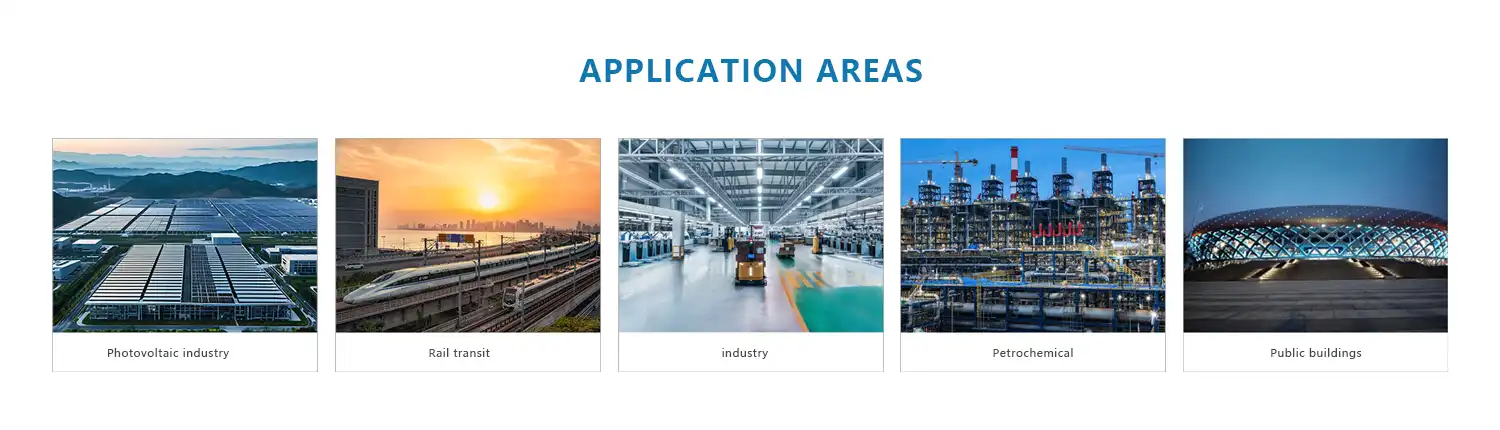
Changes in the ambient temperature have a big effect on how well a transformer works thermally. When the room temperature goes above 30°C, units that are placed in tight electrical rooms that don't have enough airflow have a hard time getting rid of heat. Our setups at the GCL Photovoltaic Industrial Park showed that stable working temperatures can be achieved even during the hottest parts of summer. Putting dust on surfaces that cool things down makes insulation walls that make it harder for heat to escape. Surface degradation is sped up in industrial settings with acidic air, which makes cooling even less effective.
Load Profile Considerations
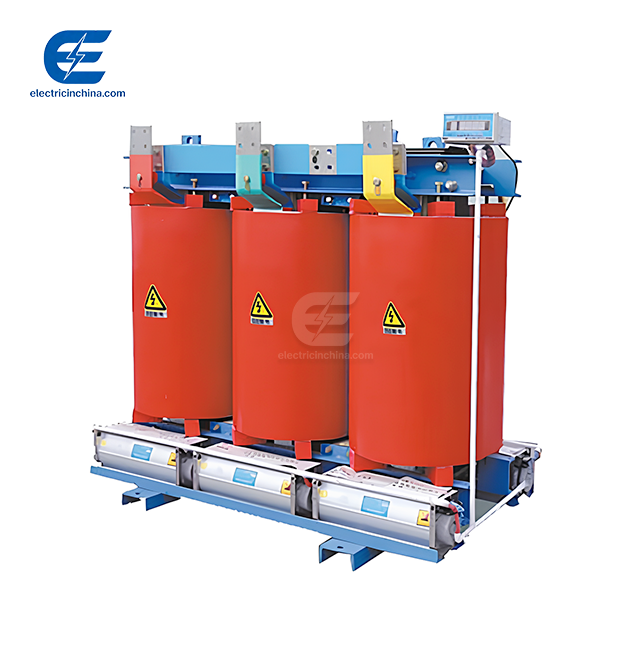
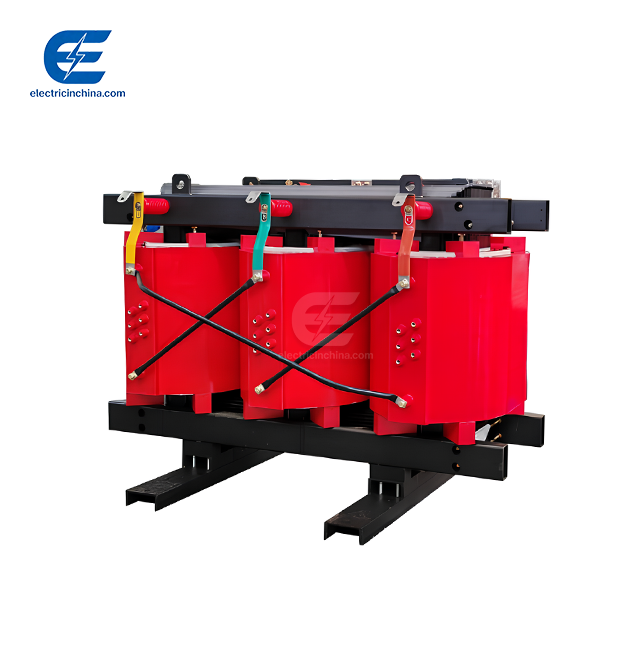
Modern factories have difficult load features that change how a transformer reacts to heat. Harmonic currents are made by variable frequency drives and other non-linear loads. They make winding losses higher than what fundamental frequency currents would do. Repeated thermal expansion and contraction are caused by rapid load cycles, which put mechanical and thermal stress on shielding systems. Our SC(B)H15 series transformers are made with features that allow for harmonic loading while keeping the temperature stable. This makes them ideal for harsh industrial settings.
Proven Methods to Diagnose and Prevent Temperature Abnormalities
Advanced diagnostic tools and planned repair methods are used together in thermal management that works well to find problems early and stop them from happening again.
Diagnostic Tools and Techniques
Thermal image cameras measure the temperature of the whole surface of a transformer without touching it. This shows hot spots that can't be seen with regular tracking. As part of our quality checking procedures, we use infrared scans to find temperature differences as small as 2°C. This lets us pinpoint exactly where the problem is. Embedded temperature sensors constantly check key spots and send data to central control systems in real time. Because they are directly connected to the windings, these sensors give more exact readings than devices that are placed on the surface. Electrical tests check the resistance of the windings, the resistance of the insulation, and the power factor to find problems before they get bad enough to cause heat breakdowns.
Preventive Maintenance Best Practices
Cleaning the cooling surfaces and air ducts on a regular basis gets rid of the dust and dirt that builds up on them. Quarterly checks keep the breathing capacity at a good level and stop performance from slowly getting worse over time. Load balancing makes sure that the current flows fairly across all phases. This stops the single-phase from warming, which happens when loads are out of balance by more than 10%. As part of our work on the Xuzhou Rail Transit Network Control Center project, we saw how planned repair procedures can increase the life of equipment and keep the system available 99% of the time. Optimizing the environment means making sure there is enough airflow, keeping the temperature of the area under control, and leaving enough space around equipment for natural convection cooling.
Upgrade and Retrofit Options
Targeted equipment changes help buildings that have chronic thermal problems. Extra cooling parts, like fans, help move air through the cores and windings of the transformer better. Adding modern temperature tracking systems to older units makes it possible to see thermal conditions that can't be seen through human checks. Based on the age, state, and operating needs of the equipment, our engineering team helps clients decide whether retrofits or replacements are more cost-effective in the long run. These evaluations look at the full cost of ownership, which includes things like energy use, repair costs, and the chance of downtime.
Advanced Solutions and Technologies for Temperature Control
There are new materials and tracking tools in modern transformer technology that make them much more reliable and good at handling heat.
Superior Core Material Properties
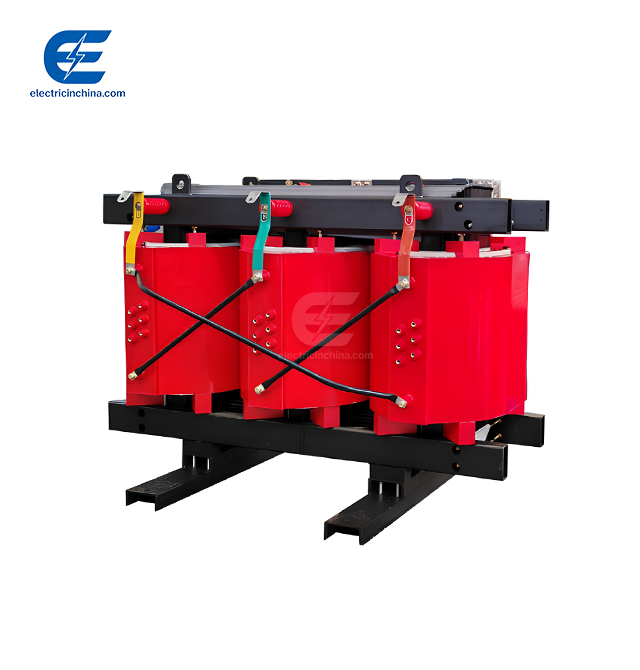
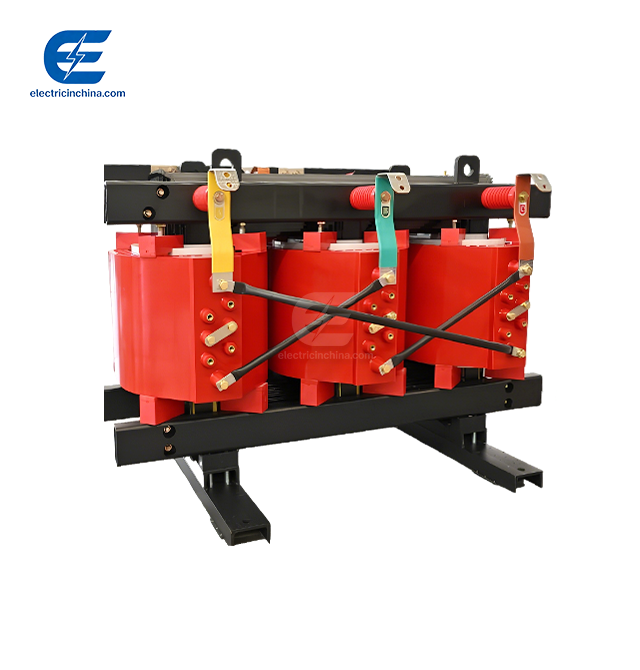
Compared to regular silicon steel, the amorphous metal alloys we use in our Amorphous alloy dry-type transformer cores have much lower core losses. Because these materials don't have a solid atomic structure and the ribbons are only 0.025 mm thick, they lose 70–80% less hysteresis than standard designs. This lessening of energy loss directly leads to lower working temperatures. At full load, our SC(B)H15 series has an efficiency rate of 98.5% to 99.2%, which means that less energy is lost as heat. The mix of iron, silicon, boron, and other elements in the core material makes it softly magnetic, with very little loss during each magnetization cycle. Because of these physical qualities, transformers can run cooler while still providing the same amount of power.
Enhanced Cooling System Design
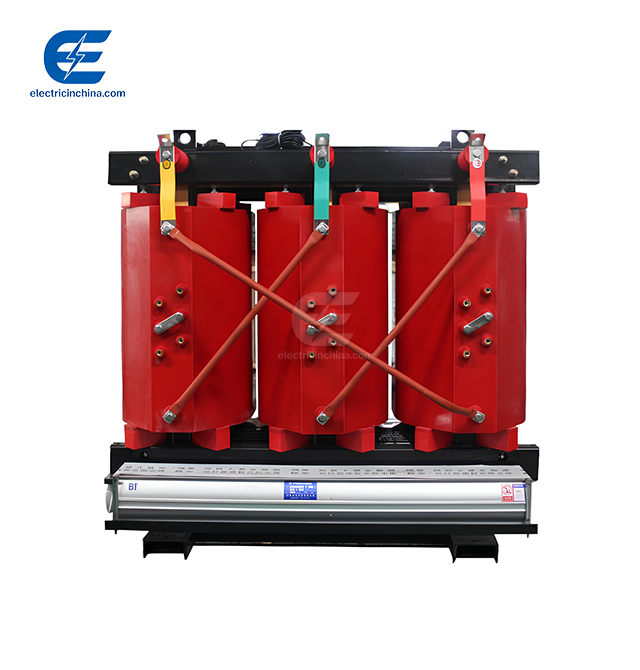
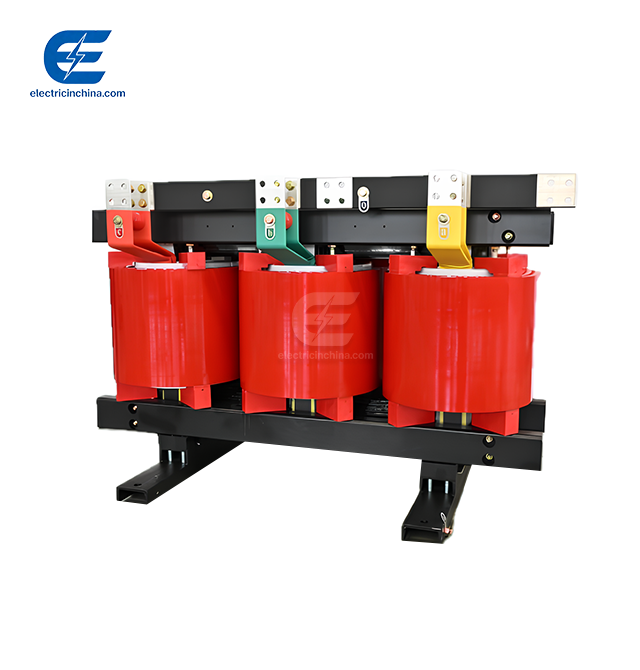
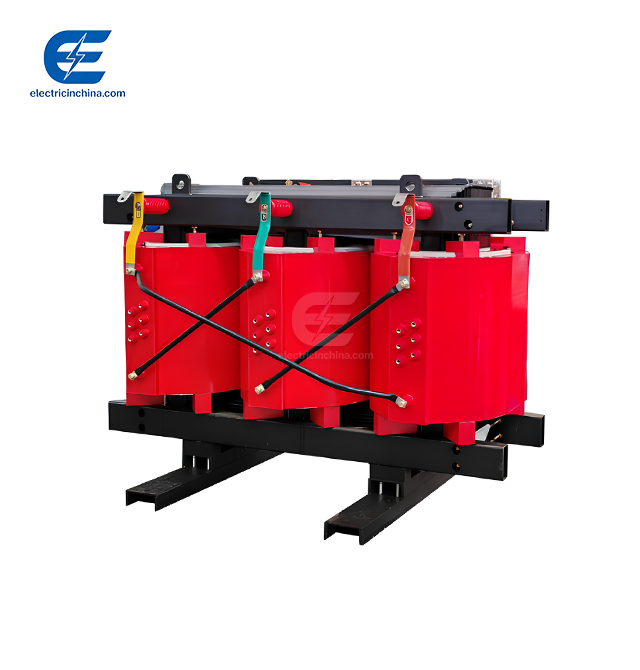
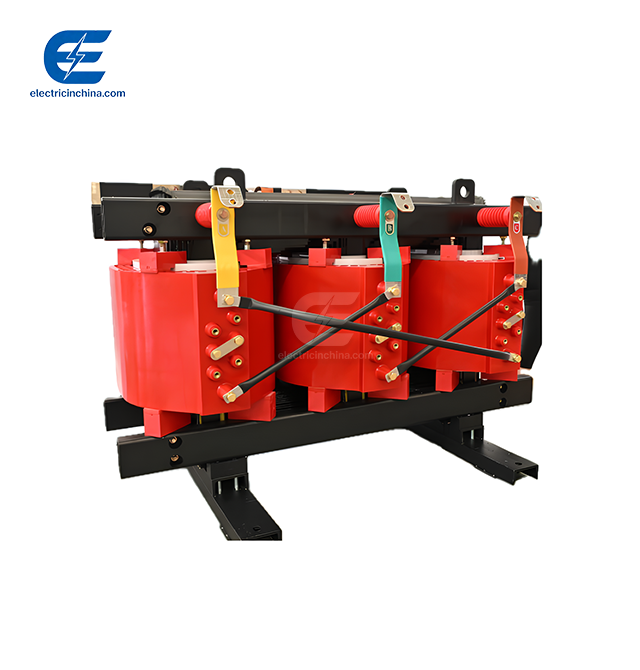
Dry-type design doesn't use oil for cooling, but it still has great thermal performance thanks to better airflow patterns. The shape of ventilation ducts moves cool air across important heat-generating parts, which increases convective heat transfer. Our vacuum casting method makes epoxy resin insulation that can handle up to 95% humidity while still retaining enough thermal conductivity to get rid of heat effectively. Class H insulation materials can be used continuously at 180°C, which is a large thermal margin above usual working temperatures. This way of designing works especially well in places where fire safety rules don't allow oil-filled equipment. These transformers were used in the Xuzhou High-speed Railway East Station project because they are fire-resistant and work reliably in small areas.
Intelligent Monitoring and Predictive Analytics
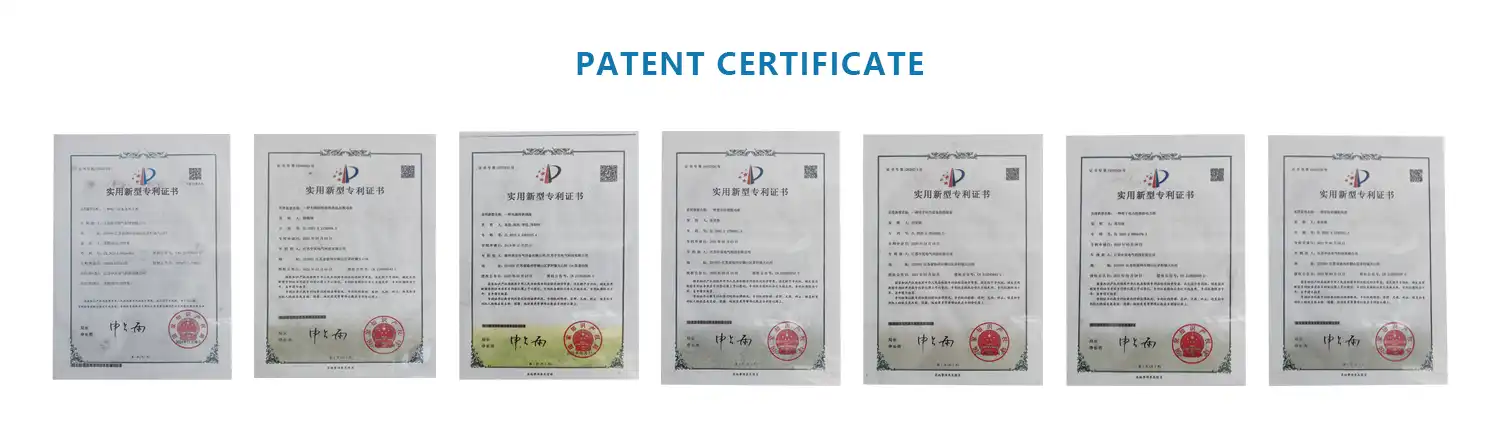
Integrated monitoring systems turn regular transformers into smart grid parts that constantly report their working state. Multiple temperature sensors keep an eye on the differences in temperature between the core structures and windings. This helps find problems early on, before they become too big to fix. IoT connectivity lets centralized control centers watch devices from afar, which makes it easier for tech teams to keep an eye on installations that are spread out. Predictive analytics programs look at environmental data, load patterns, temperature trends, and more to figure out what repairs need to be done and how to run the system most efficiently. When temperatures get close to certain levels, these systems send out alerts. This gives repair teams enough time to look into and fix problems during planned breaks. One of our 18 patented technologies is an advanced monitoring solution that works smoothly with building management systems and SCADA networks. This gives site managers a full picture of how the electrical infrastructure is performing.
Case Studies: Real-World Examples of Mitigating Abnormal Temperature
Systematic methods for thermal management lead to measurable changes in operations, as shown by real-life application examples.
Manufacturing Facility Thermal Optimization
A pharmaceutical factory had Dry-type transformer units that served important production equipment that kept going off with temperature alarms. Our technical evaluation showed that the electrical room didn't have enough airflow and that variable speed drives were causing harmonic loads. We upgraded the air system, put in extra cooling fans, and replaced older units with our SC(B)H15 series transformers that can handle harmonic loads as part of a three-phase solution. Monitoring done after the application showed that running temperatures dropped by 18°C at the same load levels. The building got rid of unplanned power outages caused by thermal trips and cut yearly energy use by 12% by making transformers more efficient.
Infrastructure Project Success
For the XCMG Group plant upgrade project, transformers had to be installed that could handle big industrial loads and still meet tight commissioning dates. Our team provided custom solutions with better thermal tracking and cooling capabilities that were right for the tough production setting. Dual-circuit power source designs made sure that important loads would always have power. We finished installation and approval three weeks earlier than agreed, which let the client start making things earlier than planned. During the first year of operation, the temperature was constantly checked to make sure it stayed within the design limits, even though the load changed as it normally does in production. This project showed that using the right specifications and fitting methods can stop temperature problems before they happen.
Lessons for Procurement Professionals
These examples show a few important rules for buying transformers that work. During the specification phase, a detailed load analysis makes sure that the equipment's capacity fits the needs of the application with enough safety margins. An environmental survey finds things about a place that affect thermal performance, like the temperature, the amount of air flow, and the amount of contamination present. When you work with makers who have completed similar projects before, you can get access to engineering knowledge that generic sellers can't offer. We've been working on infrastructure, business, and industry projects for 20 years, so we really understand what each application needs. When you buy something, focusing on its lifecycle value instead of its original purchase price is better in the long run because it lowers upkeep costs, uses less energy, and lasts longer. These ideas shaped our work on a wide range of projects, from the commercial growth of the Xinhuai Central Complex to the installation of renewable energy systems that had to work well in harsh outdoor conditions.
Conclusion
To keep dry-type power distribution equipment at the right temperature, you need to use proactive strategies that include proper specification, regular repair, and advanced tracking technology. When companies use complete temperature management methods, the number of failures goes down, equipment lasts longer, and operations stay reliable. Our amorphous core technology naturally lowers working temperatures by cutting down on core losses. This makes it better at handling heat than other designs. Advanced materials, better cooling systems, and smart monitoring work together to make transformer solutions that meet the strict needs of current infrastructure and industry uses. When procurement professionals put thermal performance standards first and work with experienced makers, they protect their companies from costly downtime and meet their energy-saving goals at the same time.
FAQ
What is the expected service life of amorphous alloy dry-type transformers under normal operating conditions?
When used within the recommended temperature range, units that have been properly kept can usually work effectively for 30 years or more. Our systems from the early 2000s are still working as they should, which shows how long-lasting Amorphous alloy dry-type transformer technology is. By stopping temperature-related stress from speeding up aging, regular thermal tracking and preventive repair make things last longer.
How do cooling mechanisms differ between oil-filled and dry-type transformers?
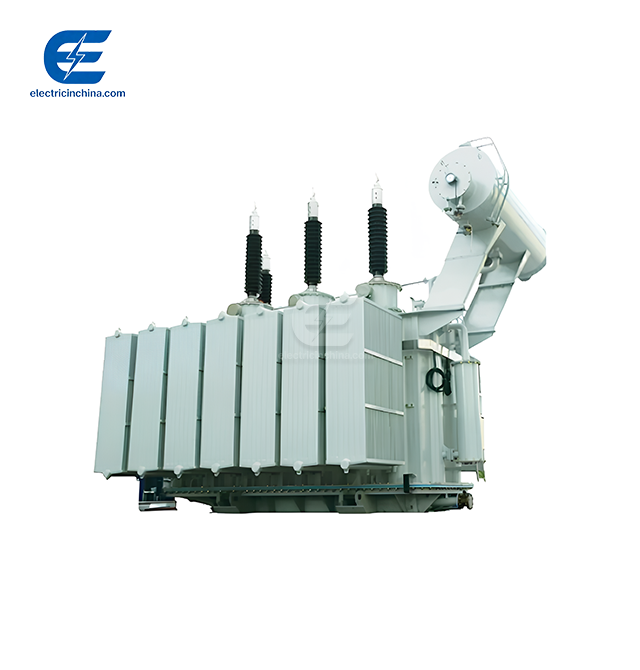
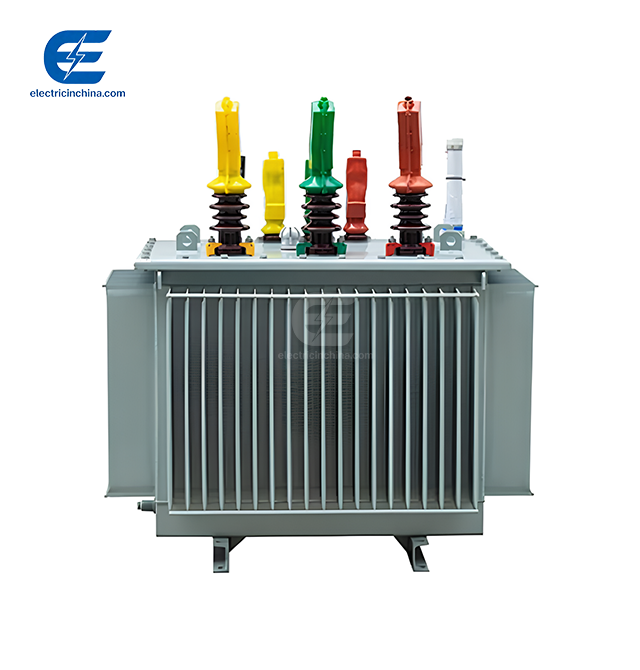
Liquid dielectrics that are flowing in oil-filled units move heat from the windings to the radiators or heat exchanges. Dry-type designs depend on air moving through ventilation holes, so they don't need oil upkeep or care for the environment. Modern dry-type units with better airflow patterns have temperature performance that is about the same as oil-filled equipment for up to 31,500KVA of power.
Can temperature monitoring systems detect problems remotely?
Modern monitoring tools give you access to real-time temperature data from any gadget that can connect to the internet. When numbers go above certain limits, our combined systems send out automatic alerts, which lets us quickly fix problems that are starting to show up. This remote view is especially helpful for facilities that are in charge of managing electrical equipment that is spread out in several places or that are helping with installations that are not being manned.
Partner with Tuojie for Reliable Amorphous Alloy Dry-Type Transformer Solutions
If your electrical distribution system is having problems with temperature, you should get help from a provider of Amorphous alloy dry-type transformers. Tuojie is an expert at creating custom power solutions. It has 15 top engineers, 18 patents, and hundreds of projects that show it works well. Our SC(B)H15 series transformers work well from -40°C to +40°C and have great thermal stability even when heavy industrial loads are applied. We offer full help from the initial design phase through installation and continued maintenance, making sure that your infrastructure investment works reliably for as long as it's used. Email our technology team at tuojie@electricinchina.com to talk about your unique needs. You can look at our whole line of products at electricinchina.com and ask for thorough technical paperwork for your next procurement evaluation.

References
1. Chen, W., & Liu, X. (2021). Thermal Analysis and Temperature Rise Calculation of Dry-Type Transformers with Amorphous Alloy Cores. Journal of Electrical Engineering & Technology, 16(4), 2047-2058.
2. Garcia, R., & Thompson, M. (2020). Predictive Maintenance Strategies for Industrial Power Distribution Equipment. Institute of Electrical and Electronics Engineers Press.
3. International Electrotechnical Commission. (2019). IEC 60076-11: Power Transformers - Part 11: Dry-type transformers. Geneva: IEC Central Office.
4. Kumar, S., & Patel, D. (2022). Comparative Study of Core Loss Characteristics in Amorphous and Silicon Steel Transformers Under Harmonic Loading Conditions. IEEE Transactions on Power Delivery, 37(2), 891-902.
5. Martinez, L. (2020). Advanced Cooling Technologies for Dry-Type Distribution Transformers in Industrial Applications. Electric Power Research Institute Technical Report.
6. Zhang, Y., Wang, H., & Li, J. (2021). Application of IoT-Based Condition Monitoring Systems for Transformer Thermal Management in Smart Grid Infrastructure. International Journal of Electrical Power & Energy Systems, 128, 106751.