

.webp)
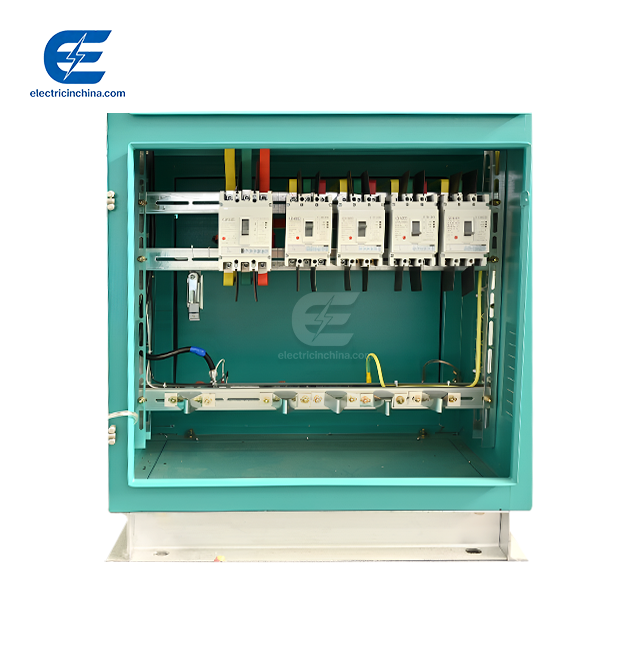
Through careful material selection, laminated design, and meticulous production, Transformer iron cores lower magnetic losses. The core guides the magnetic flux between the windings while reducing the loss of energy as much as possible. Grain-oriented silicon steel has a magnetic permeability of more than 1800 H/m, which lowers hysteresis losses during magnetization cycles. Electrically isolating flux paths, thin laminated sheets (usually 0.23-0.35 mm thick), cut eddy current losses by a huge amount. Advanced designs use 45° angle joints and multi-step laminations to improve flux distribution and keep efficiency rates above 99.5% while getting core loss density below 1.0 W/kg at 1.7T and 50Hz.
Understanding Magnetic Losses in Transformer Iron Cores
Magnetic losses have a direct effect on your prices and the life of your equipment. These losses cause heat, lower performance, and make power delivery systems break down earlier than they should. Knowing where they come from helps buying teams choose parts that will work well for a long time.
The Three Primary Loss Mechanisms
Hysteresis losses happen because magnetic regions inside the core material don't want to move around during each AC cycle. The energy needed to magnetize and demagnetize the core material over and over again is turned into heat. The choice of material is very important here. Having between 2% and 4% silicon content lowers hysteresis by lowering coercivity and making the magnetic domain structure wider.
When the magnetic field changes, it causes currents to flow through the conductive core material. This is called eddy current losses. These unwanted currents run across the desired magnetic flux path, creating resistive heating that is equal to the square of the frequency times the thickness. By dividing the core into electrically separate sheets, lamination successfully stops this effect. This does this by pushing eddy currents into smaller paths with higher resistance.
Complex magnetic domain wall movements and microcurrents at grain boundaries cause losses that don't make sense. Even though they are not as big as hysteresis and eddy current losses, they become important in high-frequency situations. Modern ways of making things, like controlled heating and surface treatment, cut down on these losses by improving the structure of the grains and smoothing out the surface.
How Operational Parameters Influence Loss Profiles
Loss rate is directly affected by frequency. When the frequency is changed from 60Hz to 50Hz, eddy current losses go up by the same amount. This means that smaller laminates or higher electrical resistance materials are needed. The magnetic flow quantity is also very important. When you run cores close to saturation, hysteresis losses go up by a factor of ten. This means that you need to use modest design margins for uses where voltage changes.
Loss processes and material features are both changed by temperature. When working temperatures are high, electrical resistivity goes down, which makes eddy current losses worse. At the same time, insulation layers between laminations break down. Thermal management through proper loading and ventilation techniques keeps the core's efficiency high for many years.
Key Principles Behind Magnetic Loss Reduction in Transformer Iron Cores
Core efficiency is based on material science and the accuracy of the manufacturing process. When you choose different types of silicon steel, amorphous metals, and building methods, the total cost of ownership and energy economy will be different in a way that you can measure.
Advanced Material Selection Strategies
Because it has linear magnetic qualities, grain-oriented electrical steel is most often used in Transformer iron core construction. Specialized rolling methods give materials their Goss appearance. This pattern lines up crystal grains along the direction of rolling, making a more favorable magnetization path. This uneven structure lowers the amount of magnetizing current needed by 30–50% compared to materials that aren't aligned. This means that there are fewer no-load losses and a better power factor.
Our cores at Xuzhou Tuojie International Trade Co., Ltd. are made of high-quality grain-oriented silicon steel that is more than 1800 H/m magnetic. The 3% silicon content strikes the perfect mix between magnetic properties and the ability to be worked mechanically. Before going into production, our material goes through a strict arriving review that checks the accuracy of the grain orientation, the resistance of the surface to insulation, and the size tolerances.
The newest and best distribution transformers are made of amorphous metal alloys. These quickly-cooled materials don't have a crystalline structure, so there are no grain limits to stop the movement of the domain walls. Because of this, hysteresis losses are about 75% lower than with regular silicon steel. Because they are more expensive and brittle, though, they need to be handled in a certain way, and the economics of each application need to be looked at carefully.
Lamination Design and Assembly Techniques
Eddy currents can't form where there are thin laminations. Standard power transformer cores use sheets that are 0.27 to 0.35 mm thick, but high-frequency uses may need sheets that are 0.1 to 0.23 mm thick. Each sheet is covered with an insulation layer, usually phosphate or varnish, which keeps the sheets mechanically strong while they are being stacked.
The shape of the joints has a big effect on how well the magnets work. Step-lap and interleaved joints spread the flow across several laminations, which lowers joint losses and absorption in one area. By using 45° miter joints, we can make almost continuous flux lines. This reduces the resistance gap that causes noise and heating in certain areas. For this kind of precise engineering, you need high-tech cutting tools and quality control systems that check the position of the joints to within 0.05 mm.
Losses and sound quality are both affected by the stacking pressure and locking method. Through the magnetoelastic effect, too much pressure can cause mechanical stress that weakens magnetic qualities. When the binding isn't tight enough, shaking and movement happen, which makes noise and speeds up the wear on the insulation. Our microcomputer-controlled assembly clamps use measured pressure and watch for changes in dimensions in real time to make sure the best mechanical integration.
Surface Treatments and Protection Systems
Rust protection makes things last longer in humid or seaside areas. Degreasing, phosphate conversion coating, and dual-layer epoxy finishing are all parts of our complete treatment process. This system can stand up to 1000 hours of salt spray tests, so it can protect sites anywhere from substations on the coast to facilities in the mountains.
Types of Transformer Iron Cores and Their Impact on Magnetic Losses
The effectiveness, size, weight, and cost are all affected by the core design. Understanding differences in structure helps procurement teams match technology needs with application needs and price limits.
Laminated Core Configurations
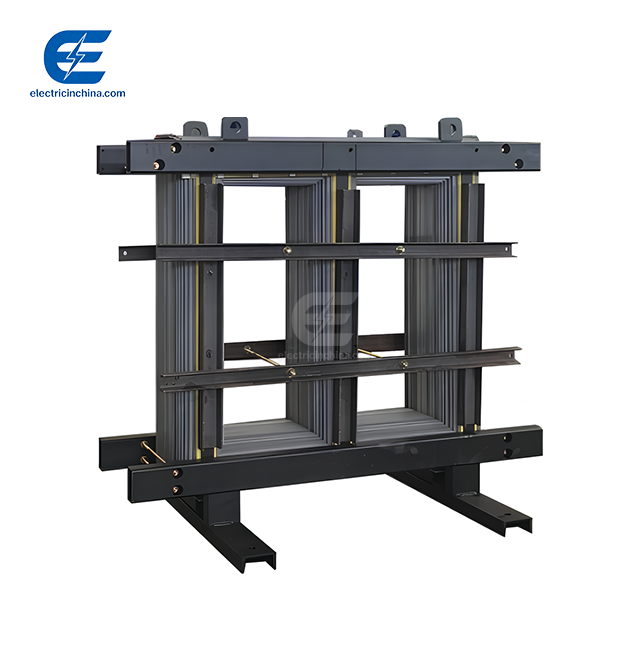
Shell-type cores have magnetic material on many sides that encircle the windings. This gives the windings great mechanical support and short flux paths. This setup works well in high-power situations where mechanical strength during faults is most important. The extra material makes the core heavier and more expensive, but it makes it better at withstanding short-circuits.
Core-type designs put windings around limb parts, which makes the magnetic lines longer while using less material and making the design simpler. This method is mostly used for distribution transformers where saving money and making upkeep easier are more important than the small performance gains of shell-type construction. Our production skills cover both systems, so you can make changes based on your operating system.
Wound cores use long strips that are shaped into torus or rectangular forms without breaking the structure that is oriented along the grain. This gets rid of all joint losses, making the no-load losses as low as they can be. Specialized winding tools and careful tension control are needed for the production process. We use CNC automatic winding machines and gradient curing ovens to make wound cores that are very accurate in size and have magnetic properties that are the same across the whole cross-section.
Material Comparison: Silicon Steel vs. Amorphous Alloys
Silicon steel Transformer iron core units are reliable in a wide range of situations. The mechanical strength of the material makes it easier to work with during production and installation. Magnetic aging is very slow over decades, and cores that are properly built will keep performing at their best for 30 to 40 years. Our grain-oriented silicon steel cores have a core loss density of less than 1.0 W/kg at 1.7T and 50Hz, which meets international efficiency standards and is very cost-effective.
Compared to regular silicon steel, amorphous cores cut no-load losses by 60–80%. This makes them a good choice for continuous-duty distribution uses where energy costs are a big part of the total cost of ownership. The very thin ribbon structure (about 0.025 mm thick) effectively blocks eddy currents but makes production difficult. To control sound emissions, brittleness needs to be handled carefully, and magnetostriction needs to be clamped in a certain way. Our engineering team looks at application types and suggests amorphous options when the extra cost is worth it for the energy savings.
Solid Core vs. Laminated Construction
In certain situations, like current transformers and high-frequency inductors, where flux density is low and size is more important than efficiency, solid cores are used. Joint losses are eliminated by the continuous magnetic path, but eddy currents become the main way that losses happen. Frequency limits mean that solid cores can only be used in certain areas that aren't good for power transfer.
Air-core transformers don't use any magnetic material at all; instead, they use the structure of the windings to make coupling. This keeps the core from losing energy, but it needs a lot more windings to have the same inductance. Radio frequency circuits, resonant systems, and other cases where galvanic separation without magnetic saturation is more important than size or efficiency are the only places where it can be used.
Practical Considerations for Procuring Low-Loss Transformer Iron Cores
A good procurement process combines technical requirements, the supplier's skills, and a study of the total cost. By clearly defining your needs and carefully reviewing vendors, you can be sure that your investment will work as expected for as long as it is in use.
Specifying Core Requirements Accurately
The working flux density and frequency determine which material type to use. IEC guidelines say that grain-oriented silicon steel types M4–M6 are the most cost-effective for 50Hz distribution transformers working at 1.6–1.7T. Higher grades cut down on waste but raise the cost of the materials. The point where the costs of materials and energy meet varies on where you live and how much equipment is used.
When making geometric specs, you have to think about things like winding gaps, insulation needs, and thermal expansion. Core window sizes determine the largest copper cross-section and heat-dispersion capacity. During the design process, our technical team works with you to make sure that the core shape you specify meets all electrical and mechanical needs with enough safety margins. They do this by giving thorough drawings and thermal calculations.
Evaluating Supplier Technical Capabilities
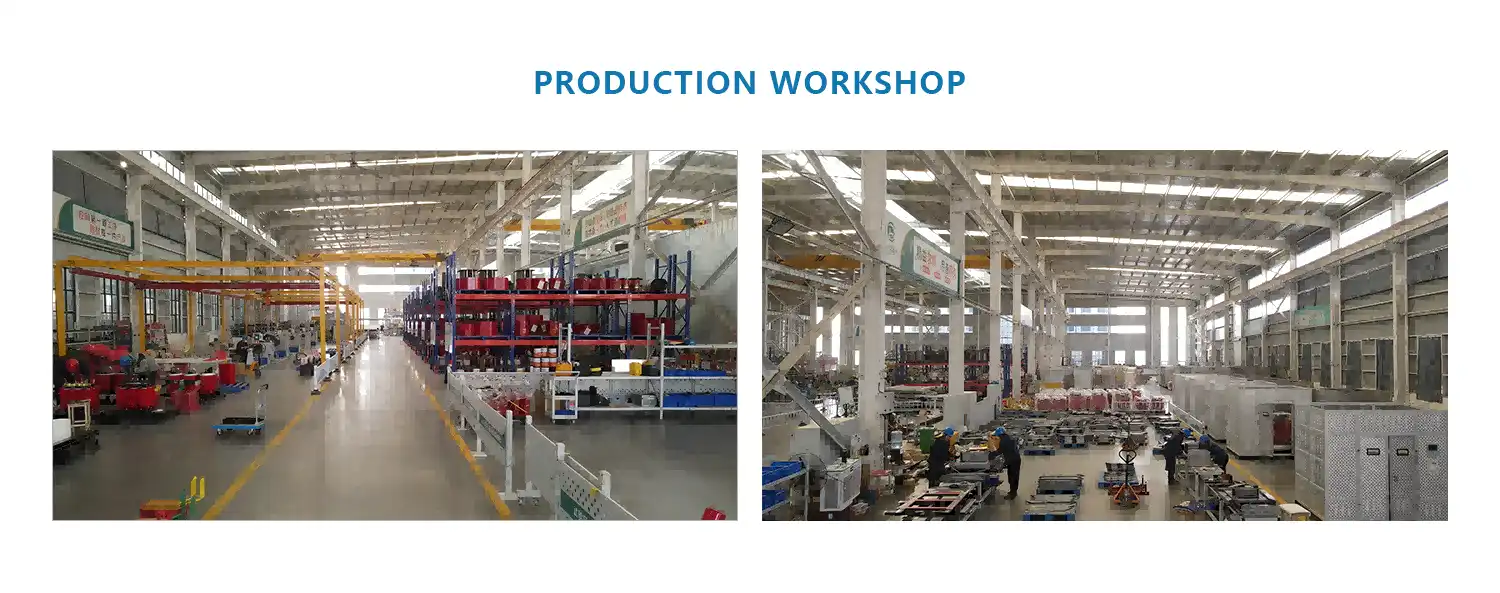
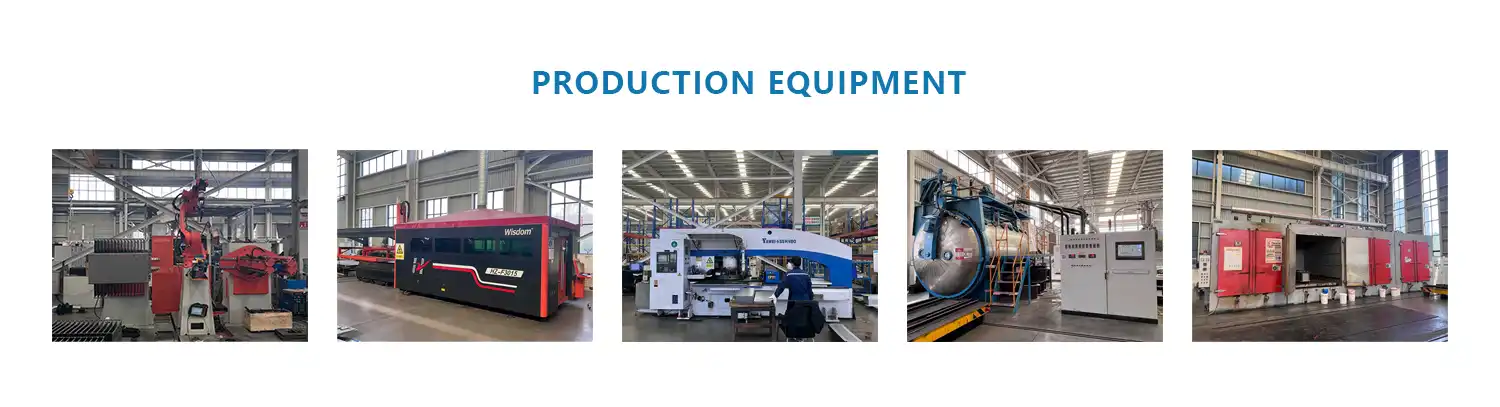
Product quality is directly affected by the tools used to make things. CNC automatic winding machines make sure that wound cores have constant tension and are the right size. Precision cutting systems make laminations that don't have burrs and have straight sides that stack evenly. Our building has more than 120 sets of high-tech tools, such as microcomputer-controlled gradient curing ovens that help with stress release annealing and stop grain growth that would weaken magnetic properties.
When uses don't follow standard patterns, technical knowledge is important. There are 15 senior engineers and more than 30 intermediate workers on our team. They are experts in mechanical engineering, electromagnetic design, and heat analysis. This depth lets us make custom solutions for tough situations, like seismic zones that need stronger mechanical support, high-altitude installations that need designs that take into account the effects of pressure, or offshore platforms that need marine-grade corrosion protection.
Economic Analysis and Total Cost of Ownership
The initial buying price is only one part of the total costs over the life of the item. Because no-load losses use energy 24 hours a day, seven days a week, no matter how full the transformer is, they are the main cause of running costs. By figuring out the present value of energy costs over the 20–30-year life of the equipment, it is often clear that expensive cores with smaller losses offer better economic returns, even though they cost more up front.
Lead time changes the plan for projects and the cost of keeping supplies on hand. Standard core designs usually ship between 4 and 6 weeks, but custom-engineered solutions might need 8 to 12 weeks for testing and development. Our large stock of popular sizes lets us respond quickly to urgent needs, and our production capacity lets us handle big EPC projects without sacrificing quality or delivery dates.
Case Studies & Success Stories: Real-World Impact of Optimized Iron Cores
Implementations in the real world show that better core design leads to measurable practical gains. These cases show how our customers get real-world value in a wide range of situations.
Critical Infrastructure: Xuzhou Rail Transit Network Control Center
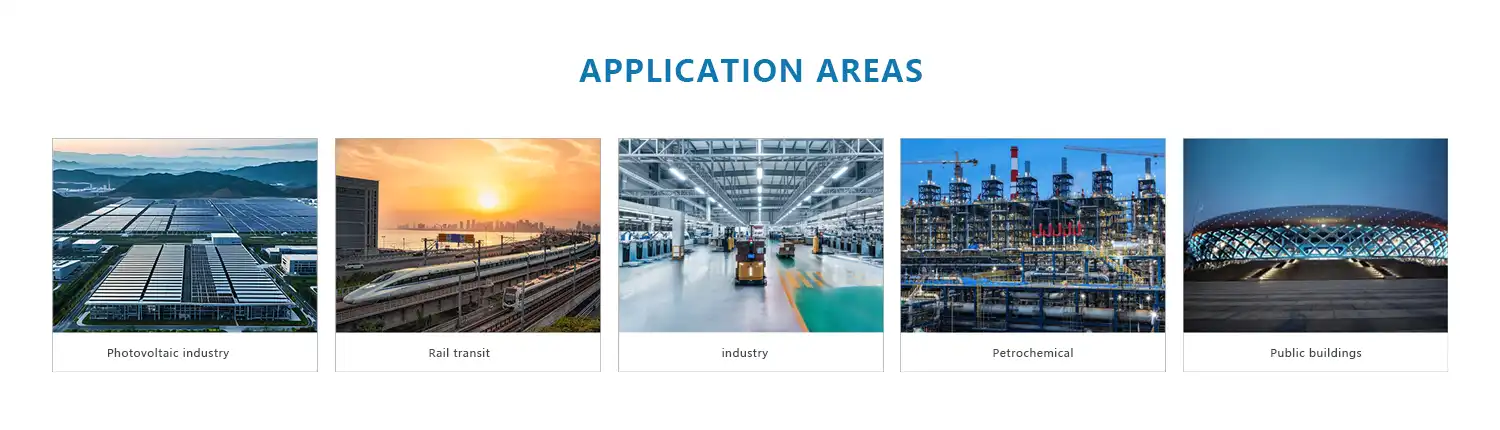
When it comes to rail transportation, dependability is key. For the Xuzhou Rail Transit Network Control Center project, they needed a dual-circuit power source design that could fail over without any problems. We made unique Transformer iron cores that can respond quickly to changes in voltage and fault situations. The system can handle fault currents of more than 63kA while keeping the dimensions stable and the electrical performance high. Xuzhou Power Supply Company gave the project a quality rating award because of our cores. This proved our technical method and manufacturing excellence.
Industrial Upgrades: XCMG Group Factory Power Supply
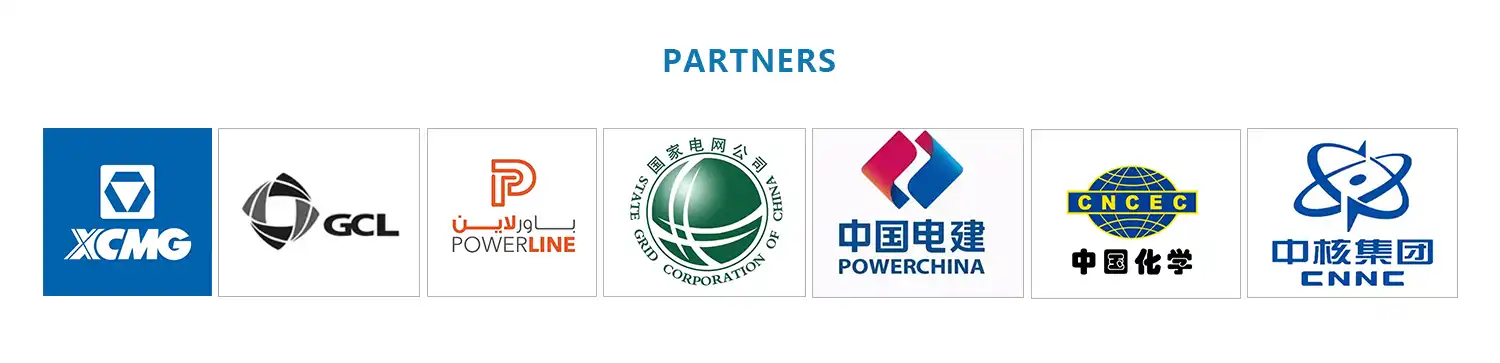
Manufacturing centers are always working with different loads. The XCMG Group plant power supply upgrade project needed Transformer iron cores that could handle harmonic distortion from variable frequency drives and handle heat better. We finished the engineering, production, and shipping ahead of time so that the client could start doing business right away. The changes to the efficiency of the transformer cut down on the amount of energy used each month, which led to ongoing operational savings that were higher than expected.
Commercial Development: Xinhuai Central Complex
For mixed-use projects to work, the designs need to be small and quiet when the areas are already being used. As part of the Xinhuai Central Complex project, basement substations had to meet strict noise and room requirements. Our improved Transformer iron core design and way of fastening led to noise levels below 55dB, which helped keep relationships with the neighbors while providing stable power for the building's lights, HVAC, lifts, and specialized equipment. The project showed how modern core technology can help integrate infrastructure in areas with a lot of people.
Renewable Energy: Wind Farm Integration
Transformers in wind turbines are constantly vibrating, and the load is switching on and off a lot. For offshore wind sites, we designed Transformer iron cores with better clamping designs and vibration-resistant insulation systems. The cores keep their magnetic properties even when they are exposed to salt spray and big changes in temperature. Multi-year practical data show that efficiency stays the same throughout seasonal loading patterns. This supports our design approach for demanding renewable energy applications.
Conclusion
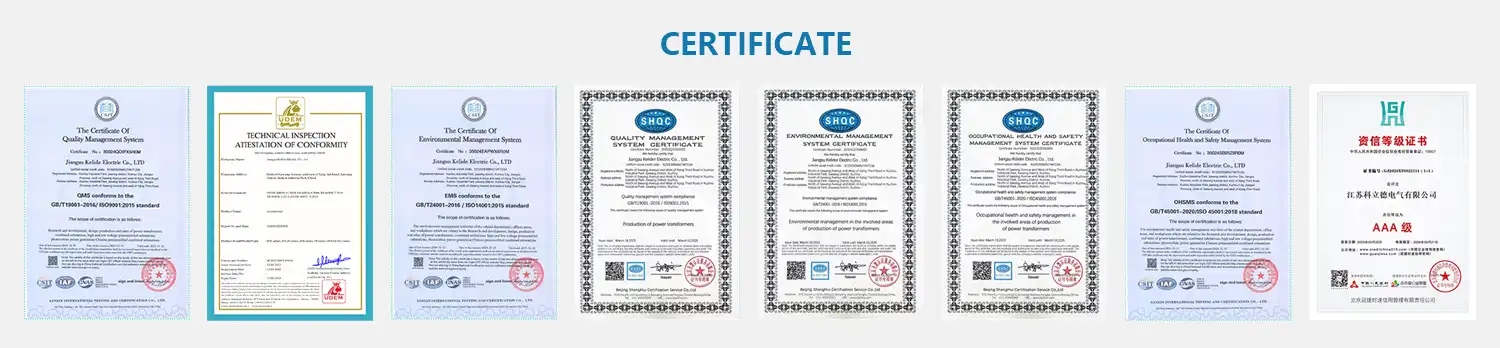
Cutting down on magnetic losses needs knowledge from the fields of material science, precision manufacturing, and application engineering. Transformer iron cores made of grain-oriented silicon steel, thin laminations, optimized joint design, and high-quality production methods keep energy from escaping while increasing durability. The choice between silicon steel and amorphous materials relies on how much the materials cost at first and how much energy they save over time, taking into account your particular application. To do procurement right, you need to make clear specifications, carefully evaluate suppliers, and work with makers who are highly skilled. We can deliver Transformer iron cores that meet or beat performance standards while staying on schedule and within budget, thanks to our 18 patents, state-of-the-art tools, experienced engineering team, and ISO9001-certified quality systems. We have a lot of project experience with renewable energy installations, industrial facilities, key infrastructure, and business developments. This shows that we can help you with your toughest power distribution problems.
FAQ
What makes laminated cores more efficient than solid designs?
Thin pieces of magnetic material are electrically isolated by laminated construction, which forces eddy currents into narrow paths with high electrical resistance. This lowers the size of the flowing current and the resistive warmth that comes with it. Eddy currents can flow freely through bigger cross-sections when the core is solid. This causes losses that rise in a way that is related to the square of the frequency and the size of the core.
How do I verify core quality before accepting delivery?
Ask for certified test results that show how the magnetic properties were tested according to IEC 60404 standards using the Epstein frame or single-sheet testing methods. Check that the core loss density at the given flux density and frequency meets the requirements for purchase. Check for proper lamination stacks, joint alignment, and the stability of the surface coating. Measurements of length, width, and height should prove geometric limits. Manufacturers with a good reputation give a lot of paperwork, like licenses for the materials used, records of the process controls, and the results of the final review.
Does core type significantly affect transformer lifespan?
Core design affects temperature stress, mechanical stability, and the rate at which things break down in the world. Laminated cores that are properly made and have good clamping and rust-prevention methods usually last 30 to 40 years. Not properly clamping prevents vibrations that damage insulation, and not properly treating the surface speeds up rust in damp places. Choosing the right material is important. For example, grain-oriented silicon steel doesn't change magnetically over time, but some amorphous metals need to be carefully managed at high temperatures to keep them from becoming weak.
Partner with Tuojie for Superior Transformer Core Solutions
To get the most out of your transformer, you need to work with a reputable Transformer iron core maker. Xuzhou Tuojie International Trade Co., Ltd. has been in business for more than 20 years and has state-of-the-art production facilities that allow it to make Transformer iron cores that are exactly what you need. Our grain-oriented silicon steel cores have a magnetic permeability of over 1800 H/m and a core loss rate of less than 1.0 W/kg. These cores set new standards for use in power transformers and distribution networks. We have 18 patents, ISO9001 certification, and have completed hundreds of important infrastructure projects successfully. Our technical knowledge and high manufacturing standards can help you turn your power distribution problems into competitive benefits. Our team of 15 senior engineers is ready to help you with your project from developing specifications to execution, whether you need standard inventory items or fully customized Transformer iron core solutions for harsh settings. Get in touch with our experts at tuojie@electricinchina.com right away to talk about how our cutting-edge core technology can lower your energy costs, make your tools last longer, and make your whole system more reliable.
References
1. Amoiralis, E.I., Tsili, M.A., and Kladas, A. G. "Transformer Design and Optimization: A Literature Survey." IEEE Transactions on Power Delivery, Vol. 24, No. 4, 2009.
2. Kulkarni, S.V. and Khaparde, S. A. "Transformer Engineering: Design, Technology, and Diagnostics." Second Edition, CRC Press, 2013.
3. Slemon, G. R. "Equivalent Circuits for Transformers and Machines Including Non-Linear Effects." Proceedings of the Institution of Electrical Engineers, Vol. 100, 1953.
4. Moses, A. J. "Energy Efficient Electrical Steels: Magnetic Performance Prediction and Optimization." Scripta Materialia, Vol. 67, No. 6, 2012.
5. Hasegawa, R. "Present Status of Amorphous Soft Magnetic Alloys." Journal of Magnetism and Magnetic Materials, Vol. 215-216, 2000.
6. IEC 60076-1:2011. "Power Transformers – Part 1: General." International Electrotechnical Commission, Geneva, Switzerland.