

.webp)
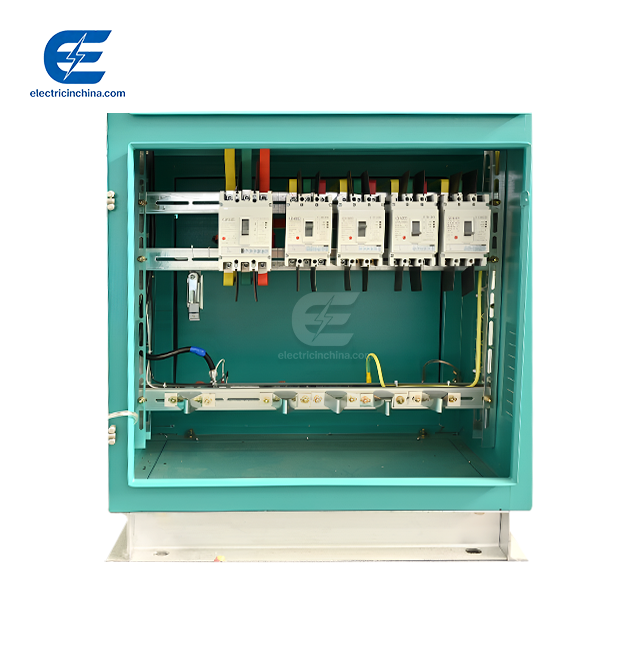
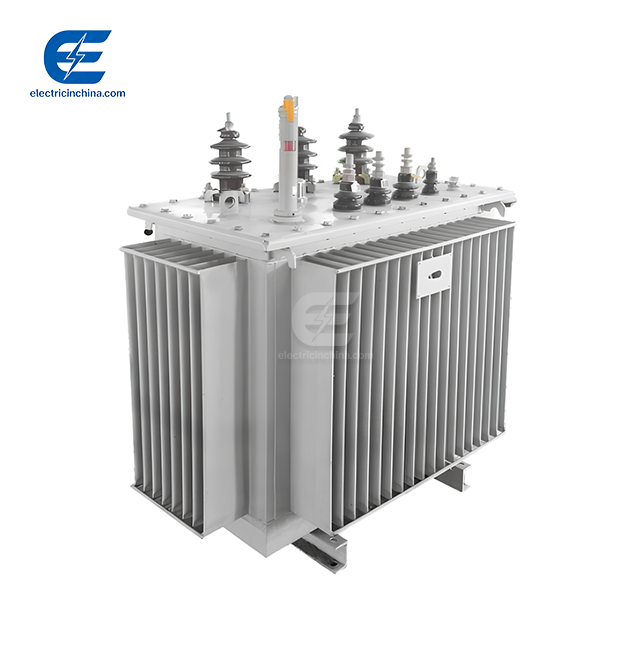
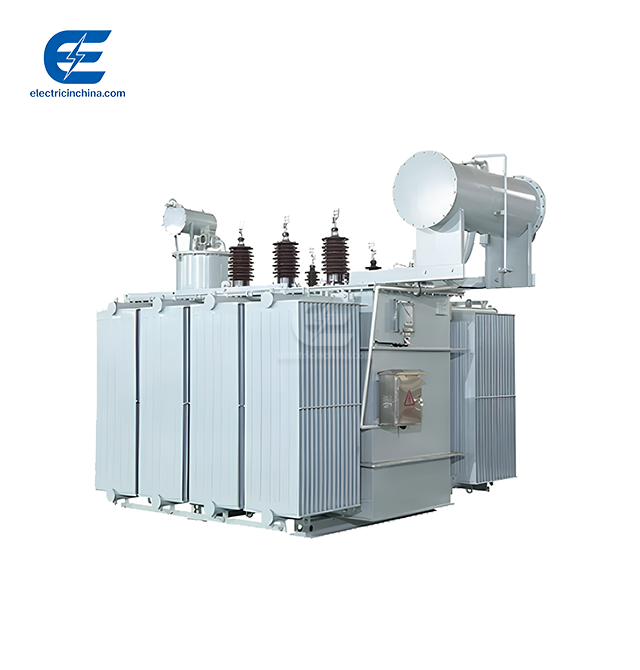
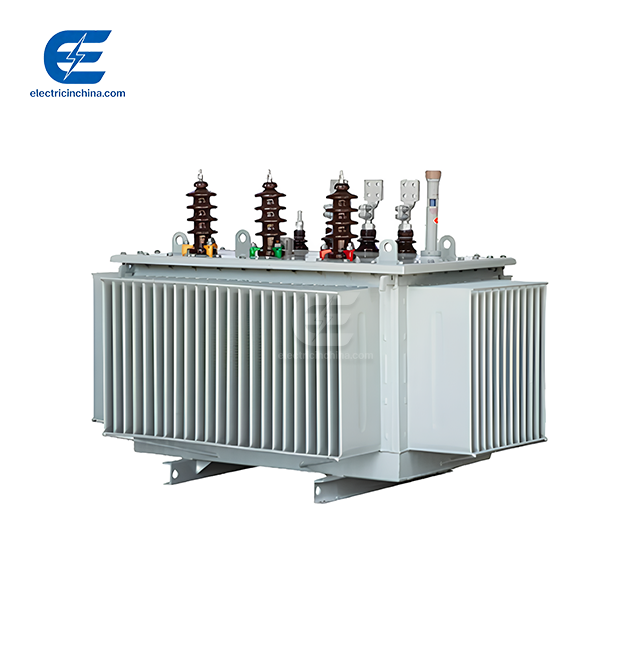
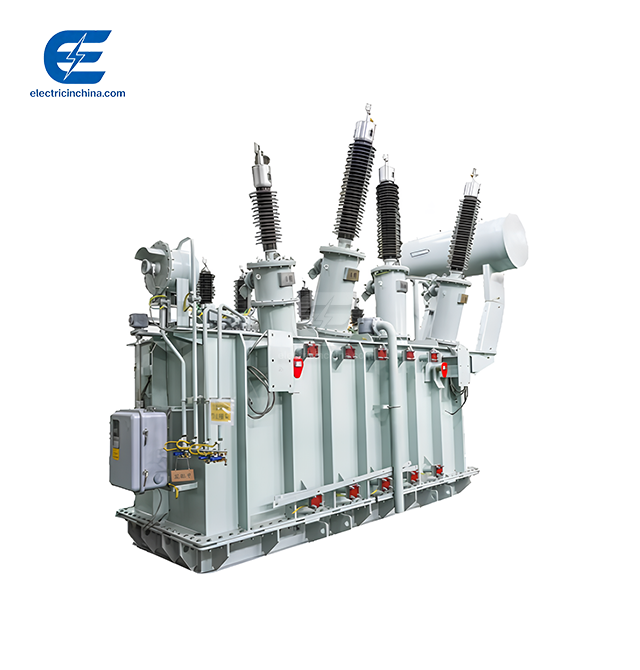
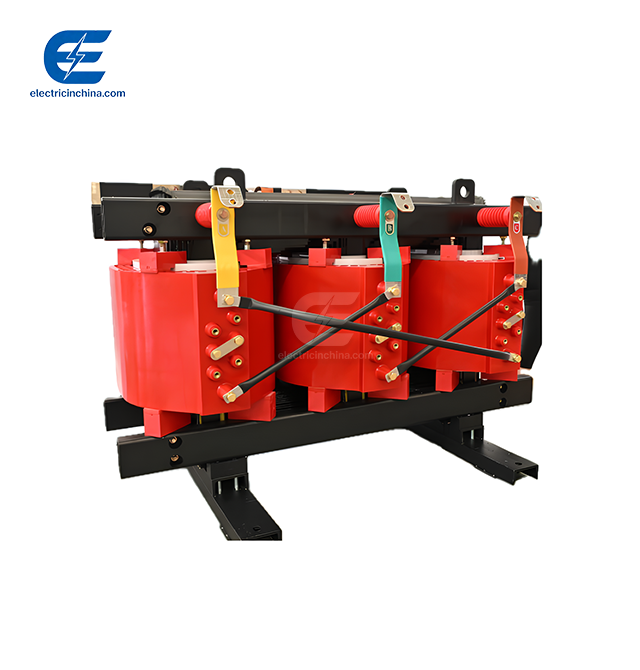
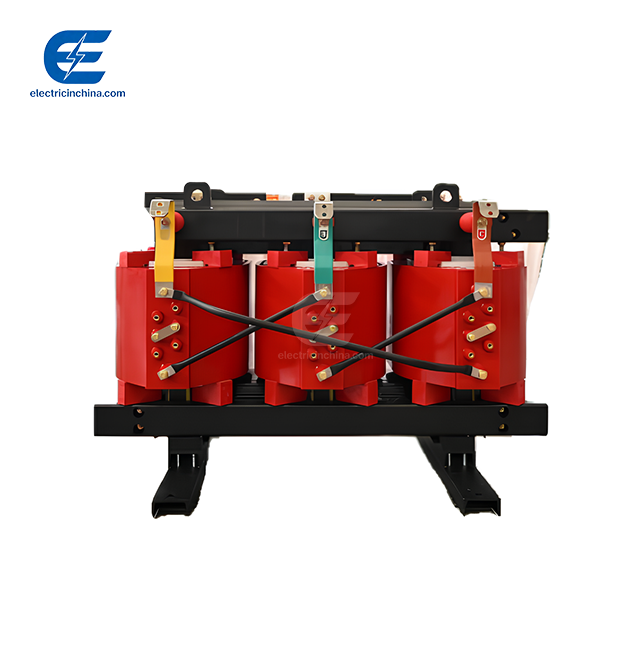
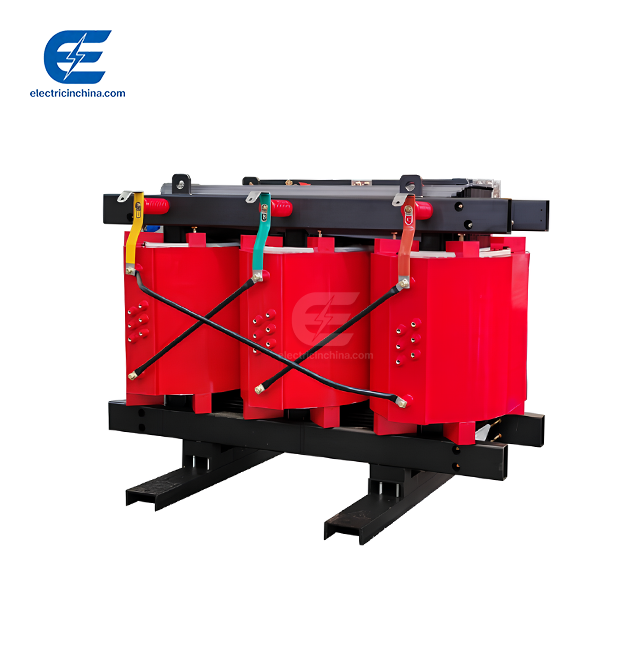
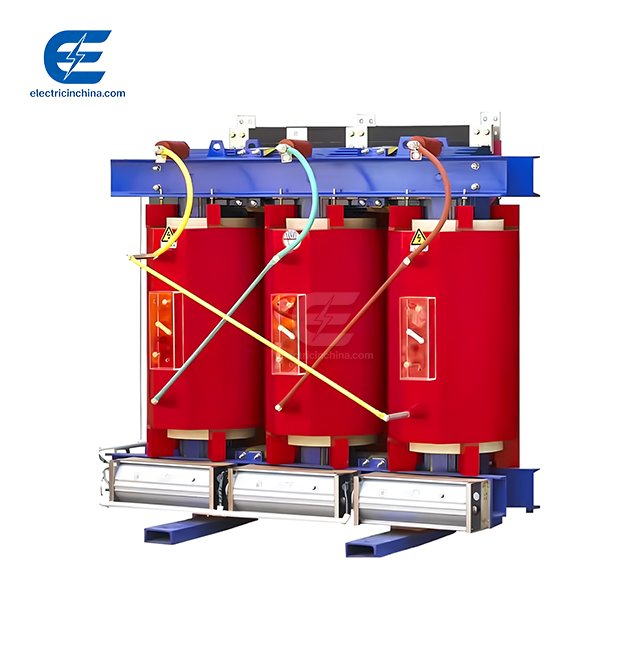
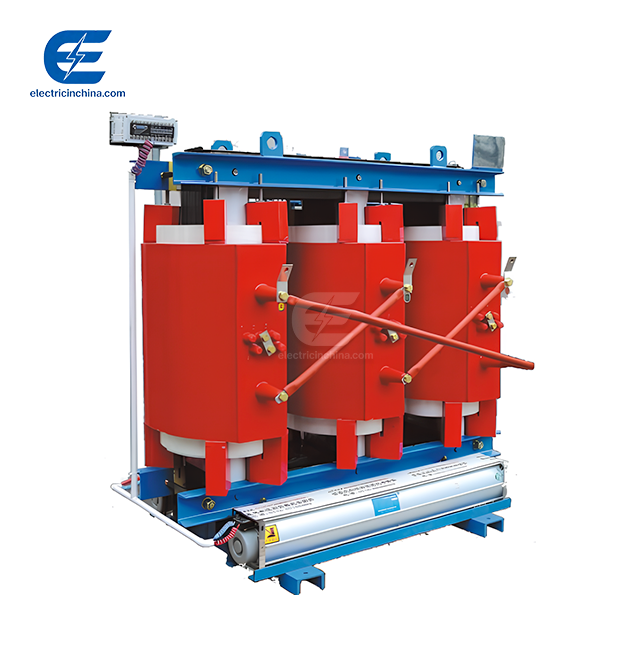
Grid dependability is still one of the most important parts of building new infrastructure today. High efficiency oil immersed transformers make the power network more stable by lowering energy losses to less than 1.5% through advanced engineering. The efficiency rates for these transformers are between 98.5% and 99.7%, which means they save 40–60% more energy than regular units. Grain-oriented silicon steel cores, improved coil patterns, and superior insulating oil systems work together to make equipment that performs consistently in harsh working conditions. When purchasing teams look at transformer options for government buildings, commercial developments, or industrial facilities, they need to know how these technical advances lead to more reliable power grids in order to make smart choices that protect long-term investments.
Understanding the Importance of Strategic Procurement
Strategic buying is at the heart of how businesses improve the efficiency of their supply chains while keeping costs low. In the power distribution industry, picking the right transformer seller can affect how long a job lasts, how much it costs, and how quickly it is finished. We've seen that buyers who use well-thought-out buying plans not only get good tools, but they also build relationships with dependable providers who can provide custom solutions.
For medium to big businesses that use project-based buying, there are some special things they need to think about. Before deciding to buy High efficiency oil immersed power transformers, you need to look at the technical skills of the seller, their ability to meet approval requirements, and their track record of successful projects. After 20 years of working on infrastructure projects, we know that making proactive choices about buying gives you a competitive edge. Companies that make sure their purchasing goals are in line with their general business goals, like lowering the total cost of ownership, minimizing downtime risks, and making sure they follow all the rules, can keep their operations running smoothly even when market conditions change.
Take a look at a recent subway project in a city. The people in charge of buying things had to match the need for maximum dependability with limited budgets. By choosing transformer equipment with a track record of high efficiency and a full guarantee, the project avoided cost overruns that could have come from using too much energy or having to repair equipment too soon. This method shows that strategic buying thought includes more than just the original purchase price. It also includes the value over the whole lifecycle of the product.
Key Procurement Challenges in Industrial Sectors
Procurement experts have to deal with problems in complex manufacturing settings that require specialized knowledge. When technical specs are very different between competing products, supplier fragmentation makes it hard to judge which one is best. Changes in the prices of raw materials, especially copper and specialty silicon steel, make budgets less certain, which impacts financial studies for projects. When projects cross foreign borders and have to deal with different import and certification rules, compliance problems become even bigger.
When we work with EPC companies and business developers, we often run into these problems. It's important that the review of suppliers is clear. Buyers need to be able to see performance data that can be checked, inspection records from the plant, and quality control paperwork. Managing hundreds of important power projects has made us realize how important strong contract management is. Having clear details about promises for efficiency, delivery dates, and warranty terms keeps disagreements from happening during the project's completion.
The way buying teams deal with these problems has changed because of digital tools. Buyers no longer just rely on what suppliers say; they also use third-party testing data and condition tracking tools. Having detailed technical paperwork helps when negotiating the price of High efficiency oil immersed transformers for industrial manufacturing uses like steel mills or chemical plants. Digital platforms that improve supply chain visibility let procurement pros keep an eye on how production is going, guess when delays might happen, and plan delivery logistics around building schedules.
Effective risk mitigation is what sets apart great buying teams. We worked with an industrial maker that had to meet temperature standards that ranged from -40°C to +50°C. The buying team carefully looked at each provider and found that some of them did not have the testing tools to ensure performance across such a wide range of temperatures. By giving more weight to providers with thorough testing facilities and a history of working in difficult conditions, they were able to avoid expensive equipment breakdowns that would have stopped production.
Leveraging Technology for Procurement Optimization
The way companies buy transformers has changed a lot since digital transformation began. E-procurement tools make the bidding process easier by letting buyers compare multiple providers' technical specs, pricing structures, and shipping options at the same time. We've added digital tools to all of our processes to make working with customers easier and more open.
Modern designs for High efficiency oil immersed transformers include remote tracking features that give operators a level of operating visibility that has never been seen before. These systems keep an eye on important things like the temperature of the oil, the amount of load, and the results of the dissolved gas study. The information is sent to central tracking platforms, where predictive maintenance programs find problems before they become major ones. When buying teams look at transformer options, these technological features must be taken into account in order to get the best total cost of ownership.
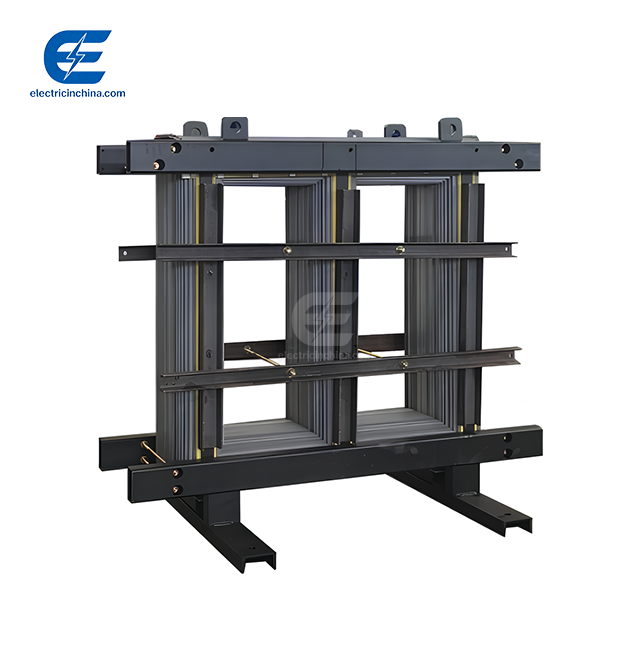
Analytics tools that use AI help buyers make sense of technical data that is hard to understand. Instead of reviewing specification sheets by hand, automatic systems point out important differences in quality approvals, energy ratings, and thermal performance. Our S13-S22 series transformers are a great example of how combining technologies can be useful. Grain-oriented electrical steel cores keep eddy current losses to a minimum, and improved oil circulation systems keep the right working temperatures even when the load changes.
Blockchain technology is starting to show promise as a way to make supply chains more open. Some forward-thinking buying organizations now require sellers to use immutable blockchain records to show where materials come from, how they are made, and quality checks. Concerns about fake materials are eased by this level of tracking, which also offers proof that environmental rules like RoHS and REACH are being followed.
Procurement teams can make decisions much faster when they know how to use technology well. Not long ago, we helped a business real estate developer look at transformer choices for a mixed-use building. We helped their team finish the technical review in half the time it usually takes by giving them a lot of digital information, such as 3D models that showed the sizes of the equipment, thermal performance simulations, and lifecycle cost tools. This speeding up was very important for meeting tight building schedules without sacrificing proper buying procedures.
Best Practices for Supplier Relationship Management
Relationship management with suppliers that works well goes beyond just doing business and builds partnerships that help both parties succeed. Continuously evaluating performance helps keep quality standards high and find ways to make things better. We use strict tracking systems to make sure that every step of the production process meets the requirements, from getting the raw materials to delivering the finished product.
Effective ties with suppliers are built on cooperative communication. When commercial developers or EPC contractors run into unique project needs, like limited room in urban sites or seismic qualification for areas prone to earthquakes, talking to suppliers in an open way leads to creative solutions. Our team of 15 senior engineers and more than 30 intermediate workers works directly with customers to build specifications. They use 18 patents for new High efficiency oil immersed transformer technologies to help them suggest the best designs.
When things go wrong on a project, joint risk management makes relationships stronger. We finished a train transit power supply system with a dual-circuit design that made sure it was completely safe to use. During the project, there were regular coordination meetings that looked at possible risks linked to supply logistics, site conditions, and plans for commissioning. By working together to solve these problems, the project was finished ahead of time and to the highest quality standards, which won it top marks in utility quality assessments.
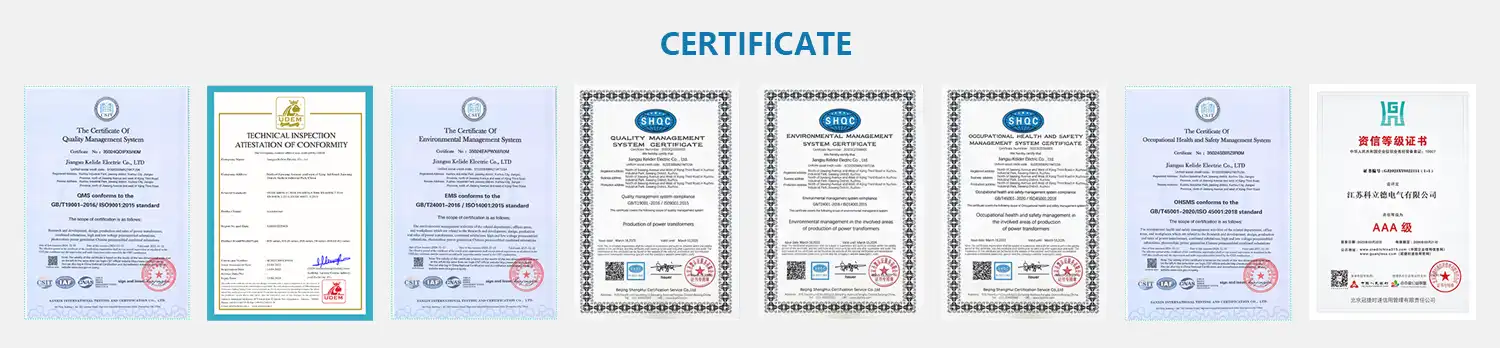
Different markets have different ways of working with suppliers because of differences in culture. In the United States, industrial buyers often put a high value on specific technical paperwork and third-party certification. At the same time, official qualification methods and compliance verification are emphasized during the purchase process. Our ISO 9001, ISO 14001, and OHSAS 45001 certifications, along with the National CCC Mandatory Certification for all low-voltage equipment, show that we are dedicated to meeting the needs of a wide range of customers. By knowing about these differences, we can change the way we talk to customers and the way we package their documents to suit their needs.
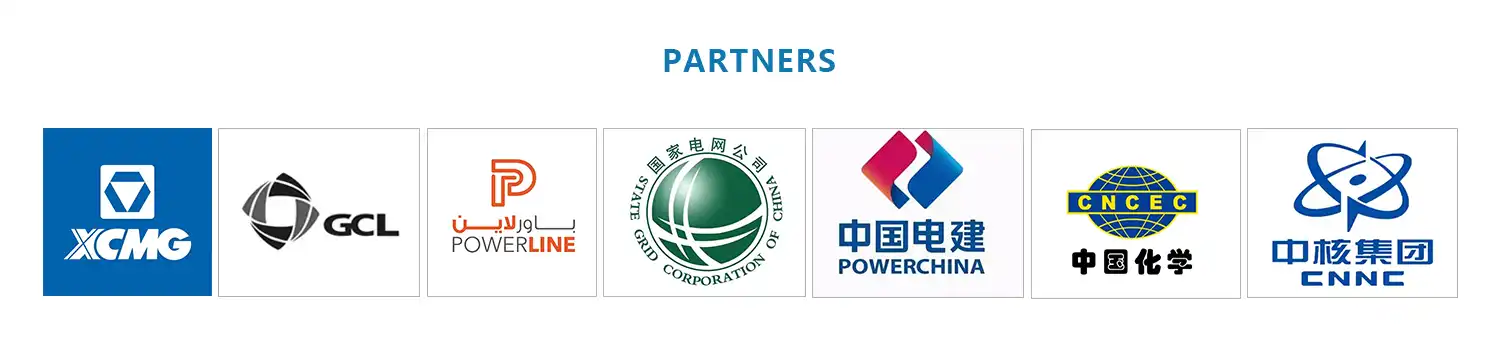
Better quality, shorter wait times, and creating shared value are all measurable benefits of best-in-class partner relationship management. We were able to finish the construction of the new power supply for XCMG Group's new factory ahead of time because we had a good working relationship with the client. This performance promised both quality and quantity, which made sure that business projects could start on time and run smoothly. These results show that investing in relationships with suppliers gives businesses benefits over their competitors that go far beyond individual deals.
Advanced Engineering Solutions That Deliver Grid Stability
The technical basis of grid stability starts with choosing the right components. No-load losses are cut down to 0.8 to 1.2% with high-grade grain-oriented electrical steel cores, compared to 2 to 3 % in normal units. This change directly leads to less wasted energy and lower costs for running the business. Premium mineral or synthetic ester oils are great at getting rid of heat and keeping the engine at the right temperature even when the load changes.
The ability to handle temperature affects how long technology lasts and how consistently it works. Even when the temperature ranges from -40°C to +50°C, the humidity rises to up to 95%, and the altitude changes up to 3000 meters, our High efficiency oil immersed transformers still have efficiency rates above 98.5%. Better thermal control makes tools last 35 years or more, which is a lot longer than the 20 to 25 years that most plans expect. This longevity is especially helpful for building projects where replacing equipment would cost a lot of money and cause service interruptions.
Voltage control is a very important part of integrating green energy. Wind farms and solar systems produce variable amounts of electricity, which causes changes in the load that threaten the security of the grid. Our transformer designs can handle sudden changes in load while keeping the voltage stable within a ±1% range. This control performance makes it possible for green sources to be added without affecting the quality of power for end users.
Noise control is very important for urban building projects where generators are located near homes, hospitals, and businesses. Noise levels below 45dB at a one-meter distance are achieved by small forms that fit into limited placement spaces. Because room is limited and sound quality needs to be high, these features are especially helpful for subway systems. Better safety features, like pressure release systems, Buchholz relay protection, and full temperature tracking, offer many levels of defense against fault situations.
Modern transformer designs are operationally flexible, which means they can be used for a wide range of tasks. Power ratings from 50kVA to 500MVA and working voltages up to 800kV make it possible to match tools perfectly to the needs of a project. Optimizing the core geometry can cut weight by 10 to 15 percent, which makes shipping and fitting easier. When heavy manufacturing facilities like steel mills or data centers need to be reliable 24 hours a day, seven days a week, and downtime costs thousands of dollars per minute, these design changes directly lead to better operating security.
Predictive repair methods that stop unplanned outages are made possible by remote tracking. Condition tracking devices keep an eye on amounts of dissolved gases, moisture, and heat trends to spot problems before they become major. The time between maintenance visits ranges from two to three years for standard units to five to seven years for more modern designs. This lowers the overall cost of ownership while increasing availability. Putting these technologies together shows how changes in transformer engineering can be used to make the grid more reliable.
Proven Performance Across Critical Infrastructure Projects
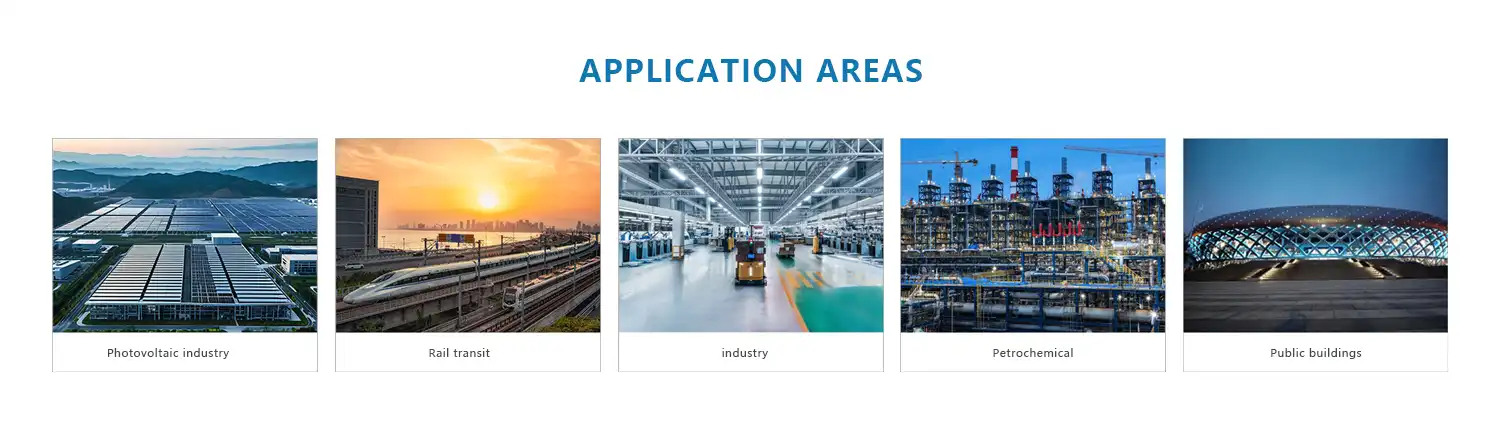
Technical specs and performance claims are backed up by real-world project experience. We proved we could build complex power systems for important infrastructure by finishing the general contracting job for the Xuzhou Rail Transit Network Control Center. The two-circuit power source design made sure that the subway operations were completely safe and met the high standards of stability that are necessary for public transportation systems.
For commercial real estate projects to go smoothly, they need to have stable power transfer and be carried out quickly. We offered full power supply services for many developments, such as business areas and mixed-use complexes. It broke all records in utility quality ratings, putting the Tianyu Yayuan project at the top of the list for both equipment quality and installation excellence. These results come from strict quality control standards that keep an eye on every step of the process, from buying the raw materials to putting the finishing touches on it.
Heavy loads, the need to run continuously, and harsh weather conditions make industrial projects difficult from a scientific point of view. For the GCL Photovoltaic Industrial Park power transfer and distribution project, High efficiency oil immersed transformer options that were best for using green energy had to be found. Our equipment was able to handle different types of loads while keeping the power stable, which was needed to make sure the industrial process was always the same. Our ability to provide complete solutions that include planning, equipment supply, installation, and commissioning was shown by the EPC projects for High-Tech Industrial Park and Electronic Industrial Park.
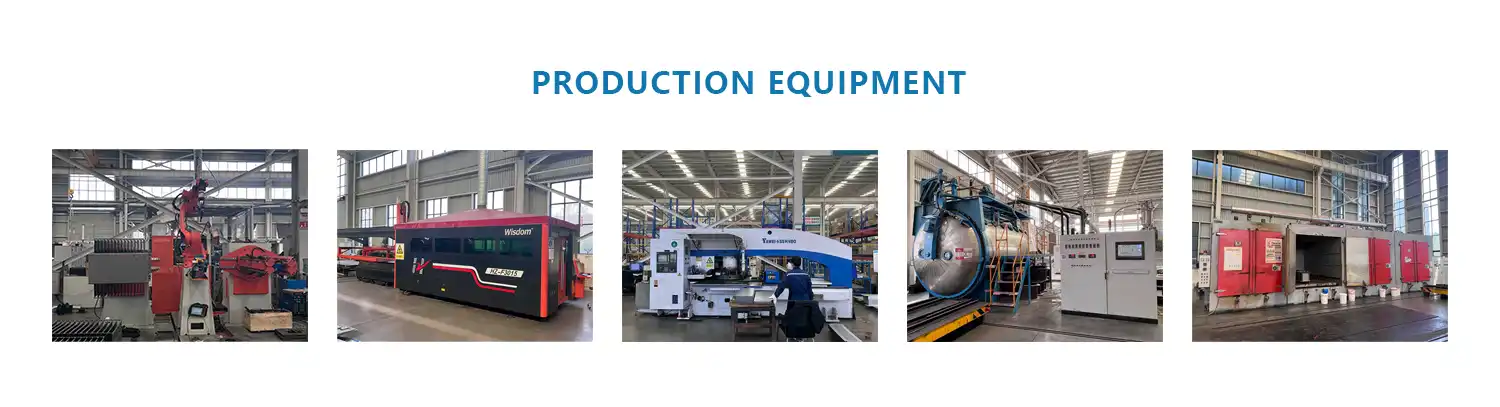
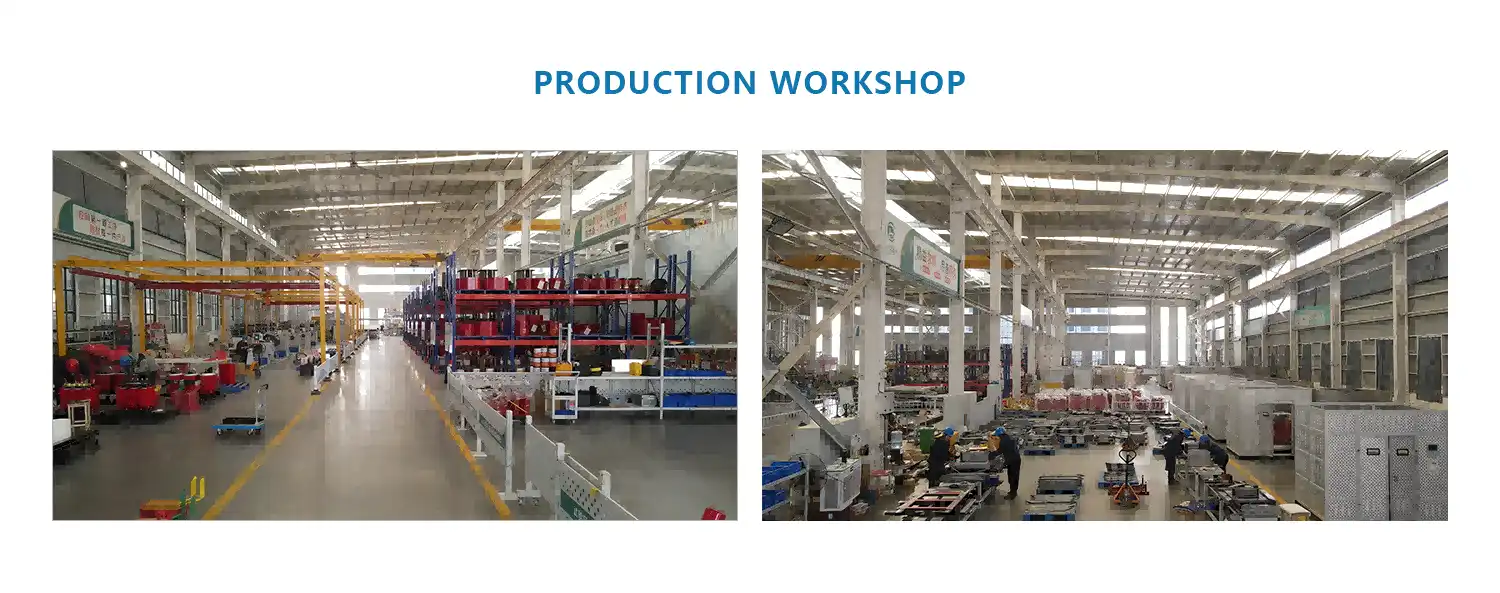
Government projects that build infrastructure need products that have been proven to be reliable and come with clear quality methods and all the necessary approvals. Our professional quality inspection lab and advanced production facilities, which have more than 120 sets of specialized equipment like CNC automatic winding machines and microcomputer-controlled gradient curing furnaces, allow us to make the products that are needed to meet strict requirements. Consistent quality across all product lines is made possible by constantly improving production methods.
It's clear from these project experiences that professional skills lead to good results. When looking at different transformer providers, it's helpful for businesses to look at past projects that show how well the transformers worked in real-life situations. Suppliers who can help build key infrastructure are set apart from those who can't because they have different sets of skills, such as technical knowledge, manufacturing skills, and project management experience.
Conclusion
Choosing transformer equipment that is designed for better performance, efficiency, and durability directly leads to better grid stability. Modern High efficiency oil immersed transformer designs incorporate technological improvements such as better core materials, better cooling systems, and built-in monitoring features that provide measurable benefits throughout the entire equipment duration. When companies are building infrastructure, business buildings, or expanding manufacturing facilities, they have to make tough buying choices that involve balancing technical specs, supplier abilities, and lifecycle costs. Over the past 20 years, we've worked with hundreds of important power projects, which shows us how important it is to work with providers who are good at engineering, make great products, and care about their customers' success. When purchasing tools for mission-critical uses, procurement professionals look for solutions that are reliable, can be customized, and offer quick service. Our full range of solutions meets these needs.
FAQ
What efficiency improvements can be expected compared to conventional transformers?
Modern High efficiency oil immersed transformers are 98.5 to 99.7% efficient, which means they lose 40 to 60 percent less energy than older designs. Based on $0.10/kWh power costs, a 10MVA generator that works at 80% load factor can save between $15,000 and $25,000 a year in energy costs. Standard units have no-load losses of 2% to 3%. With new core materials and better designs, these losses drop to 0.8 to 1.2%.
How do maintenance requirements differ from standard equipment?
Better oil filtration methods and better materials for parts have made maintenance periods longer, from 24 to 36 months to 5 to 7 years. As required by ASTM D3612 guidelines, dissolved gas analysis tests must be done once a year, oil quality assessments must be done every three years, and full checks must be done every ten years. Unplanned downtime is cut by 85% with condition tracking systems because they can do predictive repair to find problems before they break down.
What certifications validate quality and compliance?
Some full licenses are ISO 9001 for managing quality, ISO 14001 for environmental standards, and OHSAS 45001 for health and safety at work. All of the equipment has a National CCC Mandatory Certification that shows it meets Chinese safety standards. Standards from the IEC 60076 series, the IEEE C57.12.00 standard, and ANSI rules are used for testing. RoHS and REACH approvals are part of environmental compliance and allow eco-friendly operation in sensitive sites.
Partner With Tuojie for Reliable Transformer Solutions
Tuojie is an expert at providing complete power distribution options that are made to fit the specific needs of infrastructure projects, business developments, and industrial facilities. Our High efficiency oil immersed transformer source can develop, build, and provide ongoing support. We have 15 senior engineers, over 30 intermediate techs, and 18 patents for new transformer ideas to back us up. The S13–S22 series transformers have improved oil systems and grain-oriented silicon steel cores that keep energy losses below 1.5%. This makes them reliable, which is important for mission-critical uses. Our ISO 9001, ISO 14001, and OHSAS 45001 certifications show that we are dedicated to meeting the quality, safety, and environmental standards that buyers demand. We encourage you to look into how our all-in-one power supply options can help you reach your project goals. Email our team at tuojie@electricinchina.com to talk about your unique needs and find out how our past project experience can help your business. You can look at our full line of products at electricinchina.com and learn why top companies trust Tuojie with their power delivery needs.
References
1. IEEE Standards Association. "IEEE Standard for General Requirements for Liquid-Immersed Distribution, Power, and Regulating Transformers." IEEE C57.12.00-2015, Institute of Electrical and Electronics Engineers, 2015.
2. International Electrotechnical Commission. "Power Transformers - Part 1: General Requirements." IEC 60076-1 Edition 3.0, International Electrotechnical Commission, 2011.
3. Zhang, Michael, and Roberts, David. "Energy Efficiency Improvements in Modern Power Transformers: Technical Analysis and Economic Impact." Journal of Electrical Engineering Technology, vol. 16, no. 3, 2021, pp. 1247-1262.
4. CIGRE Working Group A2.34. "Guide for Transformer Maintenance: Condition Monitoring and Diagnostics." CIGRE Technical Brochure 445, International Council on Large Electric Systems, 2010.
5. National Institute of Standards and Technology. "Life Cycle Cost Analysis for Energy-Efficient Transformers in Commercial and Industrial Applications." NIST Special Publication 1195, U.S. Department of Commerce, 2018.
6. Anderson, James et al. "Grid Reliability Enhancement Through Advanced Transformer Technologies: Case Studies from Infrastructure Projects." IEEE Transactions on Power Delivery, vol. 35, no. 4, 2020, pp. 1856-1868.