

.webp)
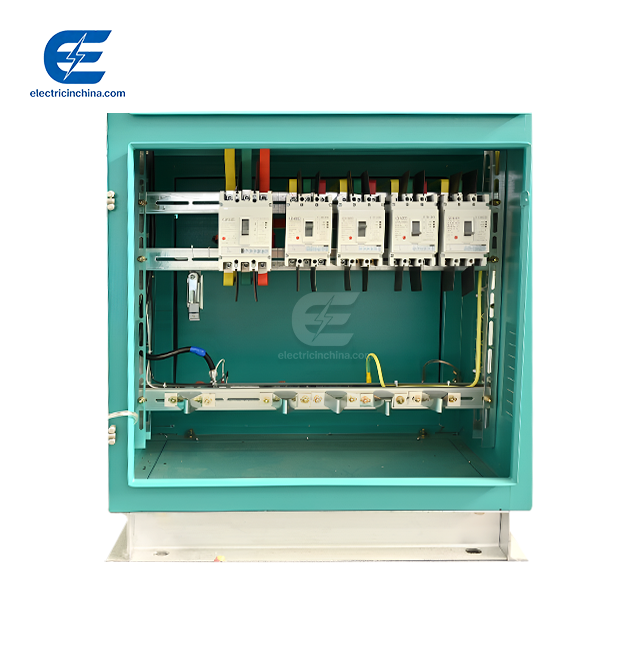
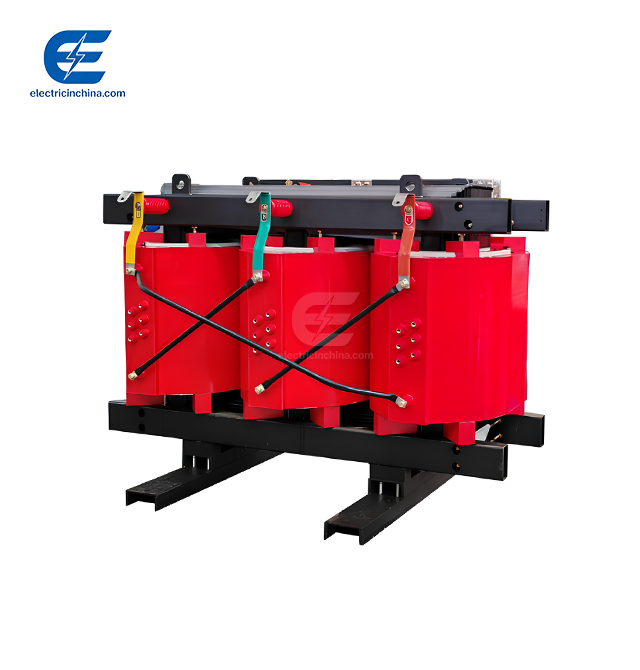
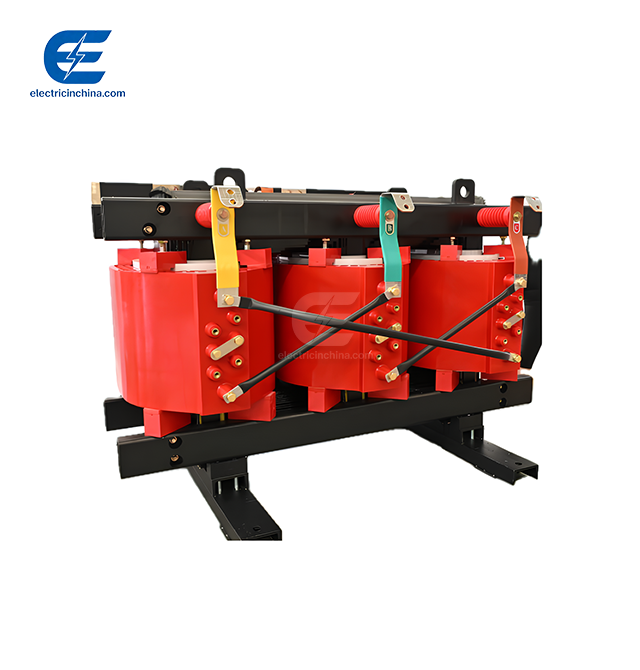
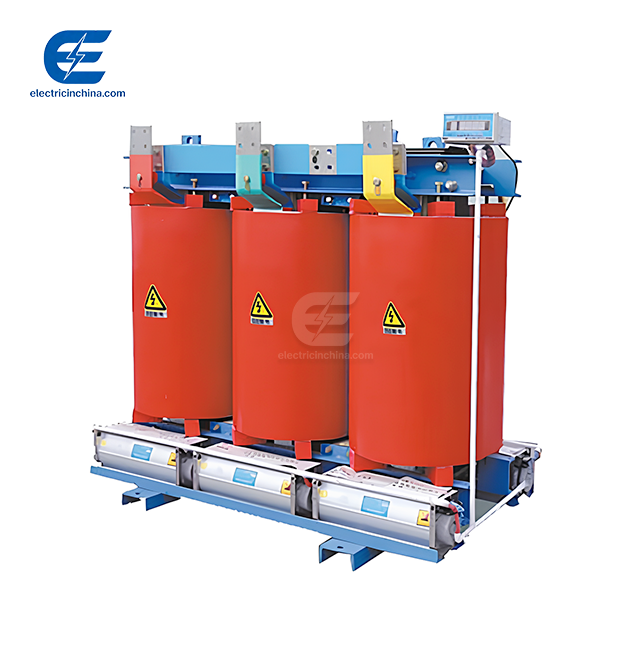
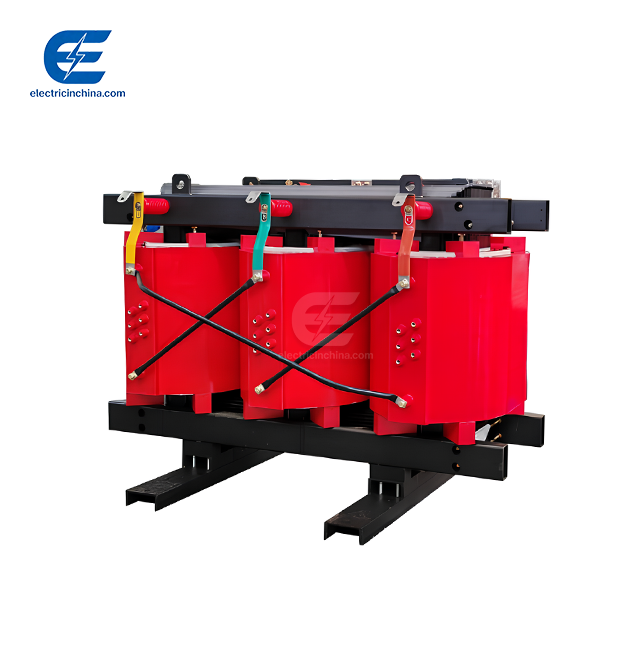
When building large-scale solar equipment, one question always comes up during the buying process: how long will the transformers last? The answer has a direct effect on the return on investment, upkeep funds, and the ability to keep operations running. Our SCB12 Cast Resin PV Transformer has been shown to last more than 25 years when used correctly. This is made possible by advanced epoxy resin insulation technology and strict quality standards. This durability comes from using high-quality materials, following exact production steps, and creating designs that are made to handle the high levels of heat and electricity that come with photovoltaic uses. Knowing what affects the lifespan of a transformer helps buying teams make smart choices that protect the long-term success of a project.
Understanding the Lifespan of Cast Resin PV Transformers
The service life of dry-type transformers depends on several interconnected factors that have an effect on the longevity and stability of the insulation. The environment is very important; being exposed to high and low temperatures, changes in humidity, and air pollutants speeds up the ageing process. Load trends are just as important. Transformers that are overloaded often or that are run at high capacities for long periods of time lose their heat faster than units that are used within their normal limits.
Critical Factors Affecting Operational Longevity
Temperature regulation is the most significant determinant in transformer lifespan. Industry norms allow insulation class F materials to withstand 155°C and class H materials 180°C. Every 8–10°C above design limits reduces insulation life by half because chemicals break down faster. The SCB12 Cast Resin PV Transformers' class F/H insulation keeps the temperature rise below 65K. This preserves the material's properties for decades.
How effectively windings endure electrical stress and partial discharge depends on insulation quality. Cast resin transformers use vacuum-cast epoxy solutions to close internal gaps that allow corona discharge. This construction method increases dielectric strengths over varnish-impregnated designs, extending service intervals. The resin coating provides the windings' mechanical strength to prevent short circuits, which often cause oil-filled alternatives to fail.
Over time, load stress patterns damage more than they prevent. Only solar systems can experience inverter harmonics and rapid power swings during cloud movements. Transformer windings and core parts heat up without proper harmonic reduction. Fixed by our specific core materials and K-factor grades (K-4 to K-13), these flaws prevent early ageing from non-linear loads and maintain efficiency.
Maintenance Strategies That Extend Service Life
Regular inspection protocols detect issues before they become major failures. Visual assessments reveal poor connections, discoloured insulation, and environmental contaminants. Thermography scans can detect hot patches that indicate joint problems or overheating. Insulation resistance testing ensures dielectric strength remains within acceptable ranges, typically above 1000MΩ at 2.5kV for healthy equipment.
The detection of partial discharge indicates insulation breakdown early on. Readings should remain below 10 pC at 1.1 times maximum voltage. High levels indicate a hole or contamination that warrants investigation. Ratio testing ensures the windings are solid and the tap switch works, and vector group checking ensures phase connections when working in parallel with grid systems.
Compared to oil-filled transformer repair, these inspection processes are relatively quick. No oil sampling, filtering, or moisture content study required. Easy to maintain, the generator works in the same manner throughout its life, reducing lifecycle costs by 40–60%. This allows huge corporate developers and government building projects to better budget and reduce downtime.
Technical Overview of SCB12 Cast Resin PV Transformers
Inverter-based power exchange requires equipment that works with the way electricity works in modern solar systems. Cast resin technology meets these needs by using modern materials and production techniques that aren't possible with traditional designs.
Core Specifications and Design Parameters
Our 30kVA to 2500kVA transformers can power small company rooftop systems and huge solar farms. Main winding voltage classes are 10kV to 35kV. Inverter outputs and local grid standards can be used to adjust secondary configurations. Efficiency exceeds the 98.5% of GB/T 10228-2008 and utilises less energy during power conversion.
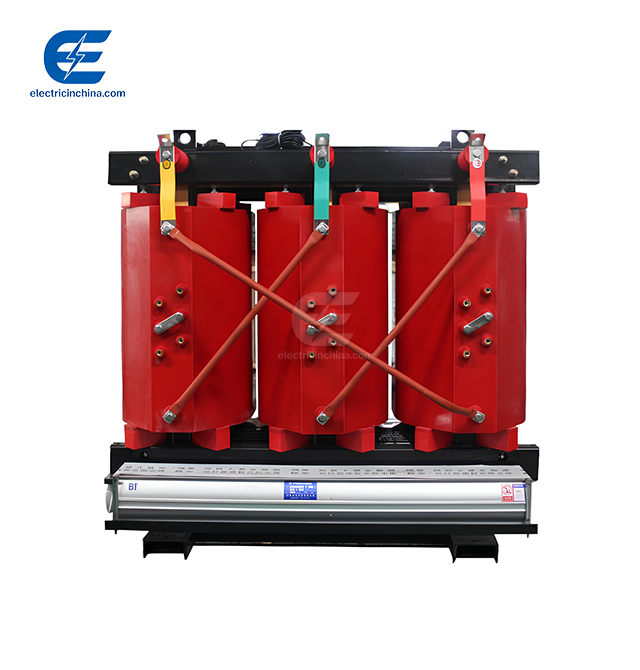
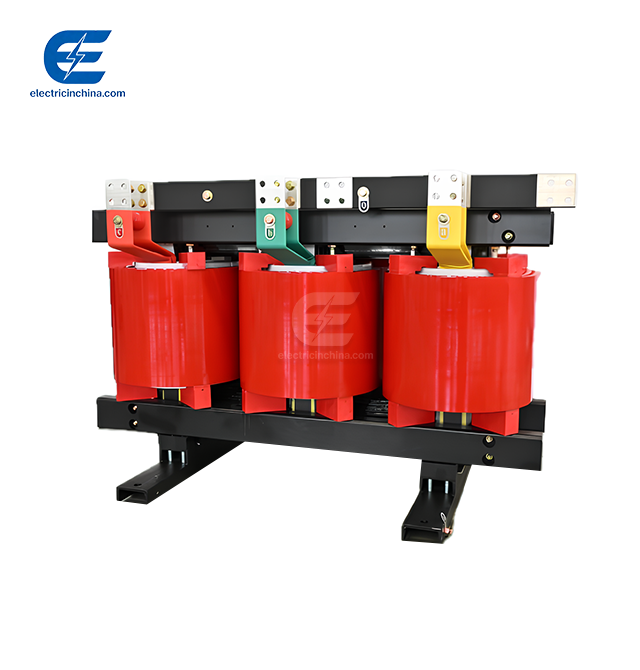
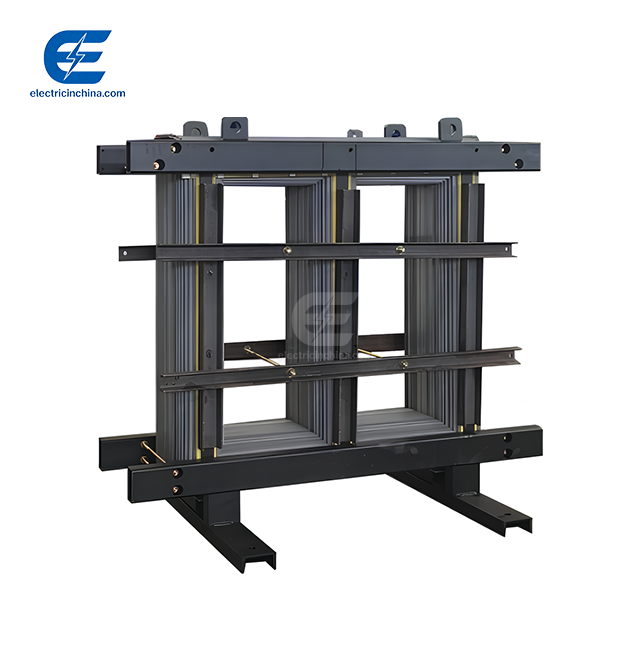
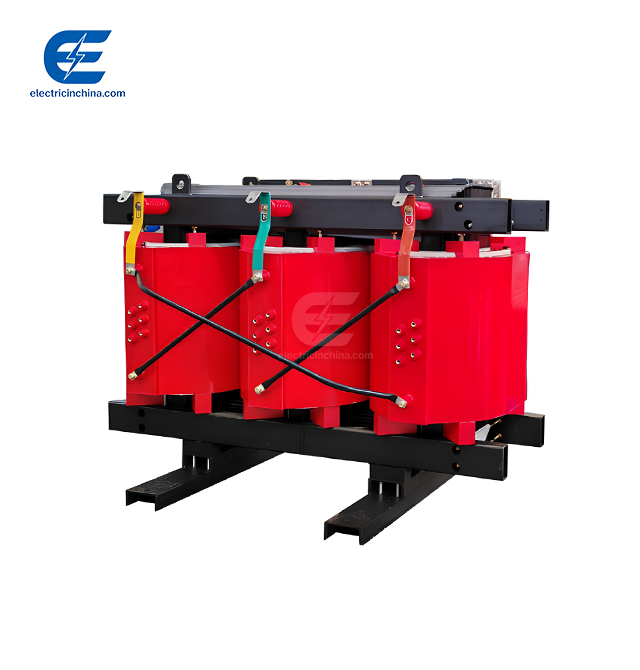
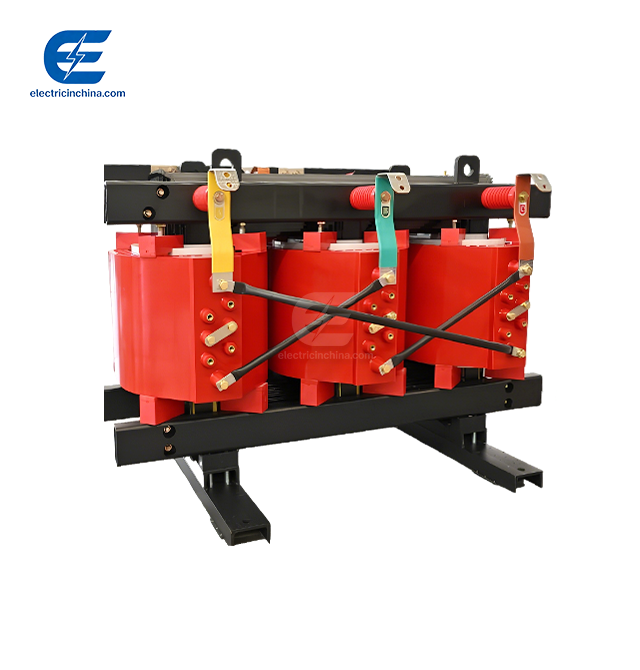
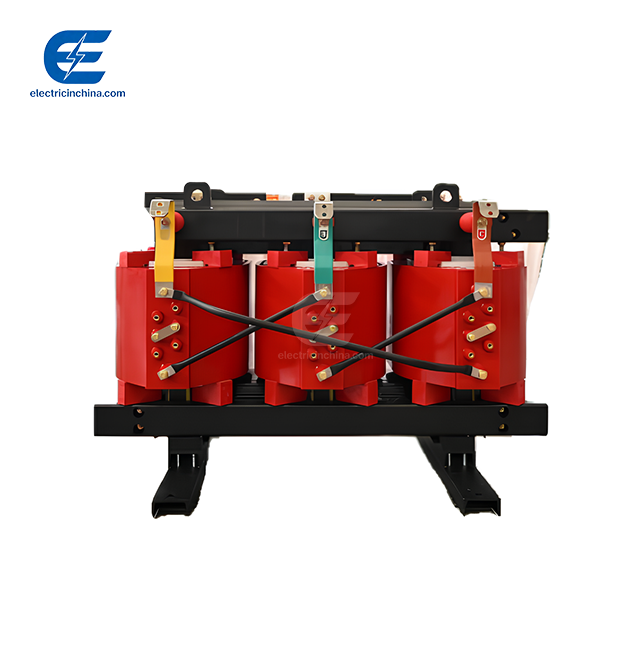
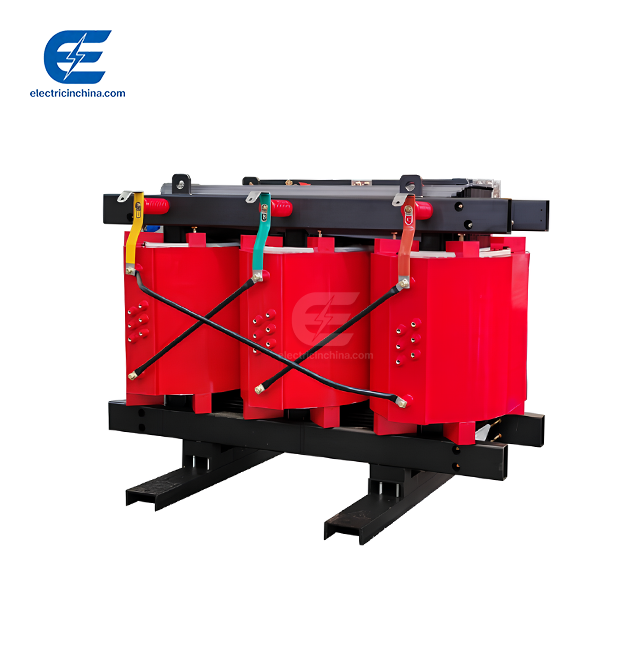
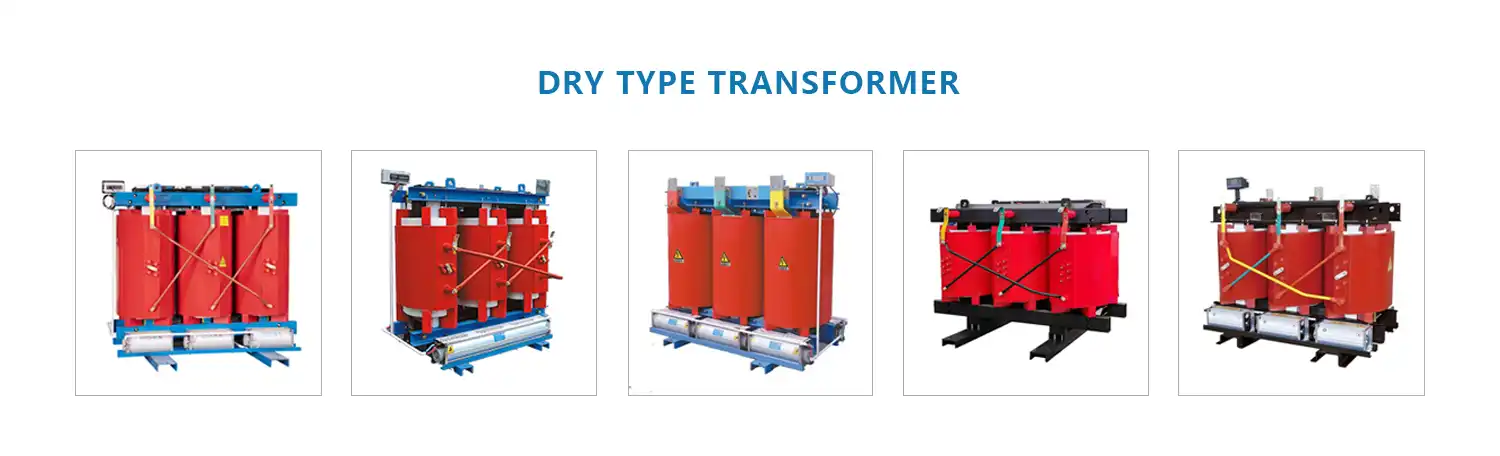
Epoxy resin sealing uses vacuum casting to eliminate air gaps and cover the winding. This thick insulation transfers heat better than air-cooled windings. Heat escapes more easily, reducing hot spots and extending insulation life. The resin system has a natural flame retardancy grade of UL94 V-0, meaning fires cannot spread without fire control equipment.
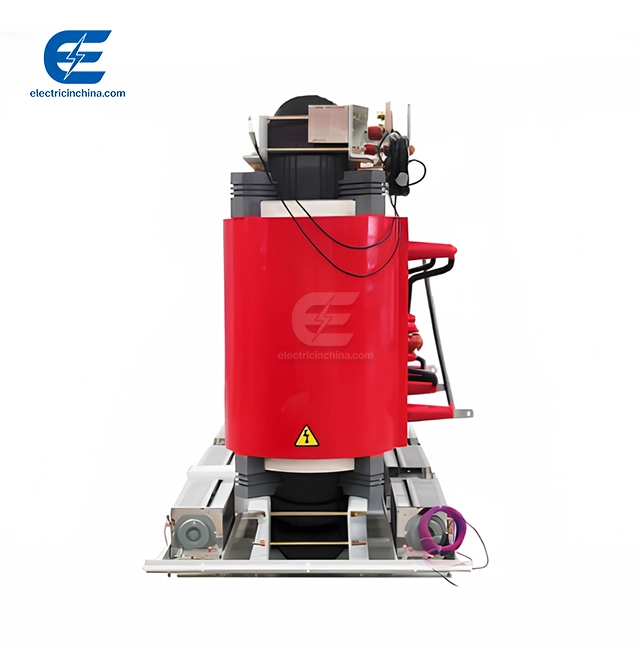
To minimise no-load losses, the core building uses high-quality silicon steel with the optimum grain direction. Noise and magnetic flux leakage are reduced to below 45 dB at full load with step-lap joint methods. This operation works well in residential regions and business structures that can't withstand noise and must obey environmental regulations.
Working Principles in Photovoltaic Applications
Solar power systems work in ways that are different from how power systems usually work. Inverters change the output from a DC panel to AC power by switching at a high frequency, which creates harmonic content at different frequencies. When subjected to these anomalies, standard transformers may get too hot from eddy currents, and hot spots may form in certain places.
Harmonic currents are taken into account by our winding setups, which use larger wire cross-sections and unique interleaving patterns. These design features spread the current out more evenly, which keeps it from heating up in one place. The choice of core material reduces the formation of eddy currents, keeping losses low even when waves are twisted. Performance under real-world inverter stress situations has been confirmed by validation testing according to IEEE C57.110.
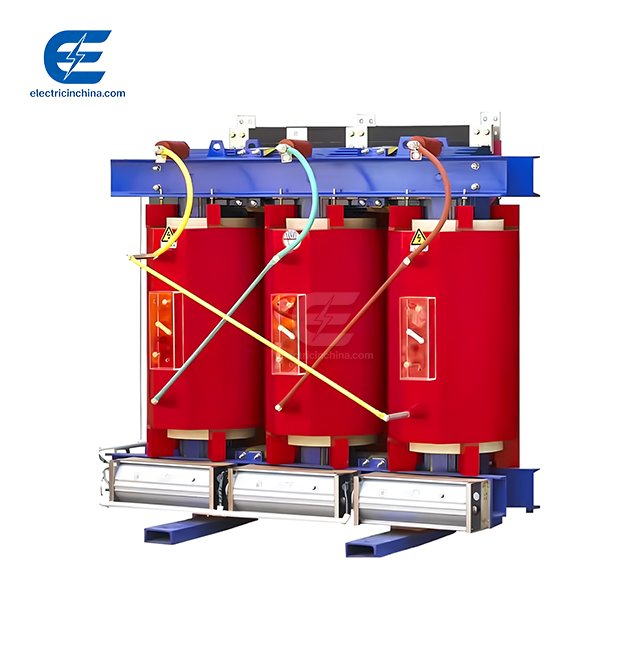
Overload capacity is very important for operating freedom during times when solar production is at its highest. When maximum irradiance and good environmental temperatures come together, forced air cooling lets the power supply work at 150% of its rated capacity for long periods of time. This can handle power spikes. This feature makes sure that your transformer never stops you from collecting energy during the best times to do so, which increases project income.
Installation Guidelines for Optimal Performance
Correct installation ensures long-term reliability. The location should have ample airflow for natural convection cooling and IP protection class apertures. IP23 is sufficient for interior setups and IP54 for outdoor enclosures. The foundations must support the tools and prevent vibrations from entering the building.
Avoiding direct weather, acidic atmospheres, and dust build-up are environmental considerations. Conformal paints or improved barriers can protect coastal areas from rust. Elevation adjustments are needed above 1000 meters, when reduced air density affects cooling and dielectric strength.
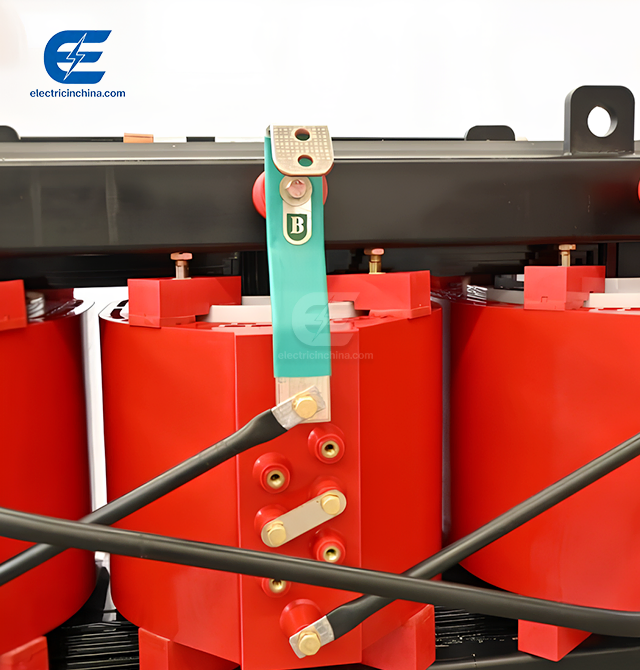
Electrical connections must be torqued, and the contact area prepared to prevent resistance from rising. Harmonic currents should be considered when building bus bars to avoid overheating. Grounding systems must satisfy local electrical codes and provide enough fault current channels. These installation details may appear unimportant, yet they affect long-term safety and efficiency.
SCB12 Cast Resin PV Transformer vs. Alternatives: What Lasts Longer?
When choosing a transformer technology, you need to think about how long it will last, how much it will cost to own, and how it will work over the whole life of the equipment. Direct comparisons show differences that are important and have an impact on the economy of the project.
Performance Comparison with Earlier Models
Through better core materials and better winding methods, the SCB12 Cast Resin PV Transformer is a natural step forward from the SCB11 designs. Gains in energy efficiency of 15 to 20 per cent lower operating expenses and ease the stress on shielding systems caused by heat. This increase in efficiency is directly linked to a longer lifespan, since less heat production slows down the ageing process.
The SCB12 Cast Resin PV Transformer had a much higher short-circuit withstand power. Testing at 25 times the maximum current for 2 seconds shows that the mechanical strength is high enough to prevent breakdowns caused by faults. Older models had a higher rate of failure during grid disruption, which caused replacements that weren't planned and pushed back projects. The small price increase is worth it because the increased strength makes it more reliable.
Cast Resin versus Oil-Immersed Transformers
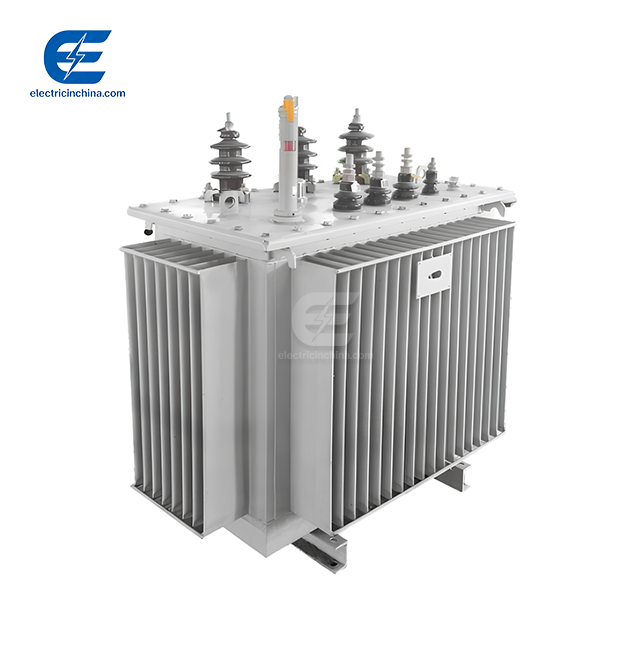
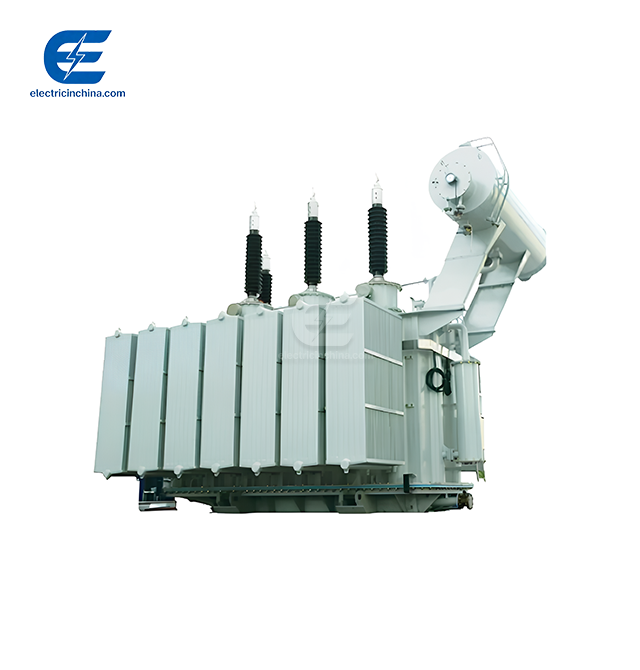
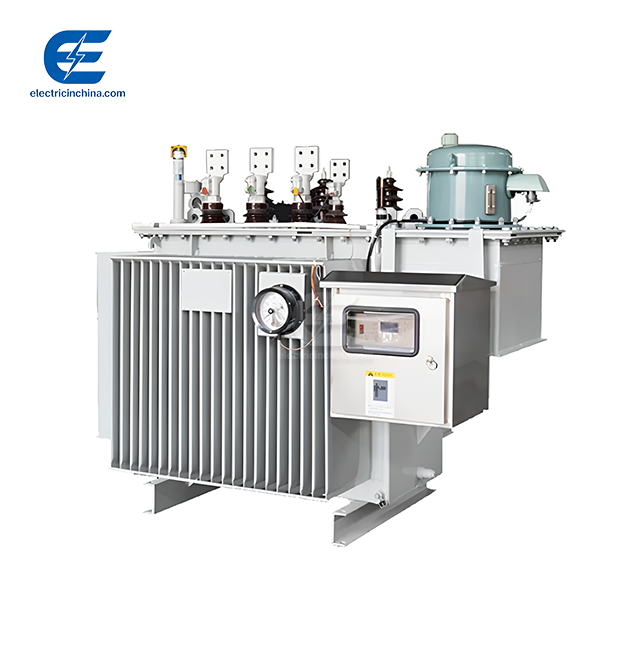
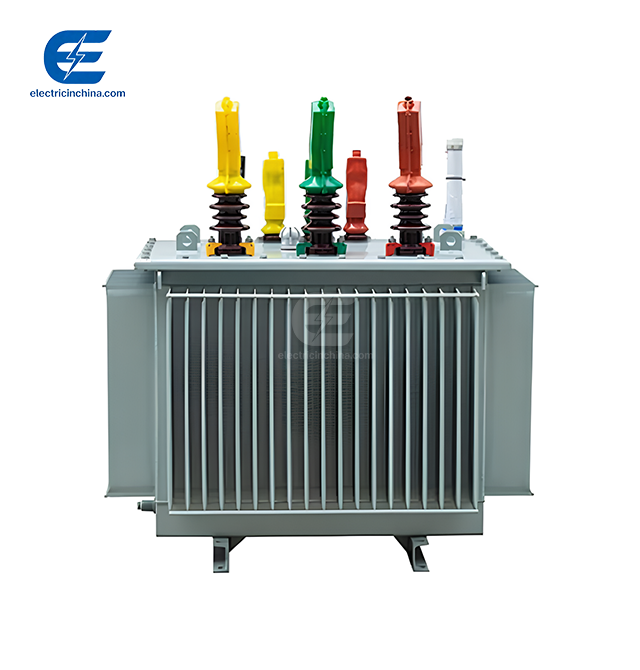
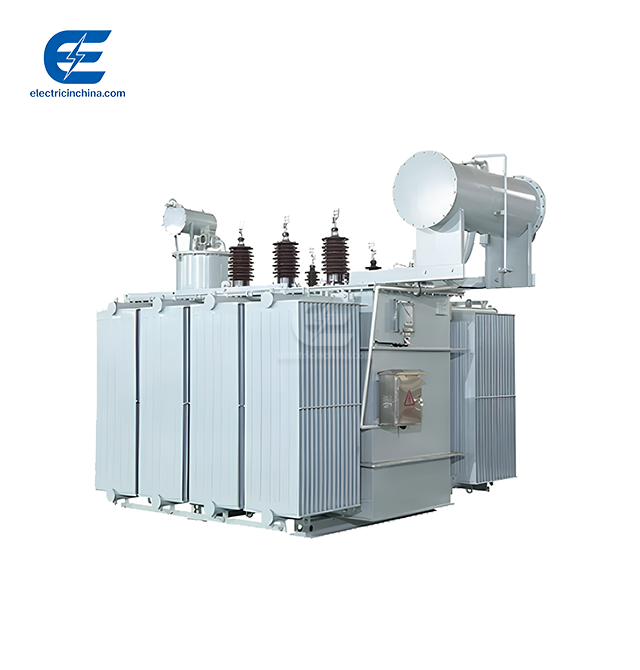
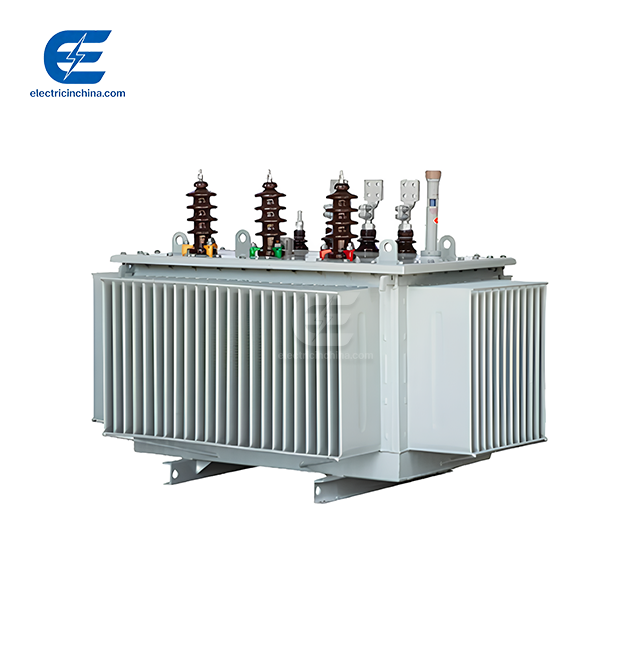
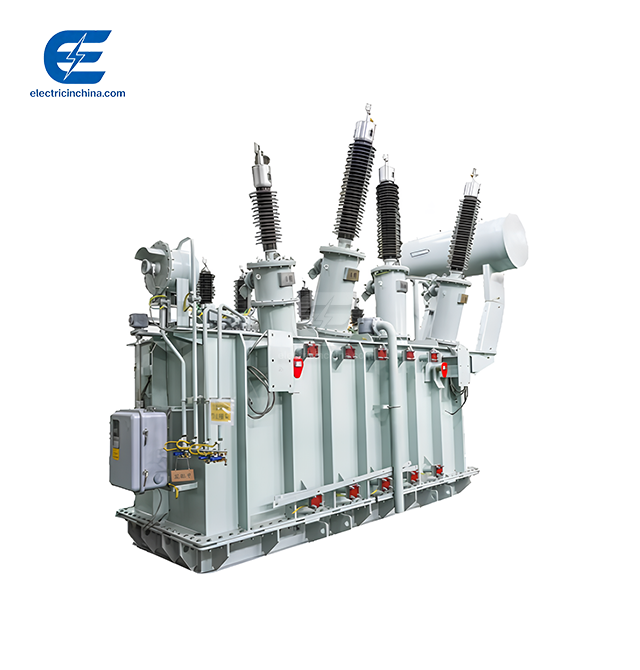
Oil-filled transformers require expensive maintenance over time. Annual filtration, moisture removal, and oil samples cost money and staff effort. Environmentally compliant oil disposal demands unique equipment and considerable work from managers. Most of the time, these recurring expenditures exceed the price difference for acquiring technology.
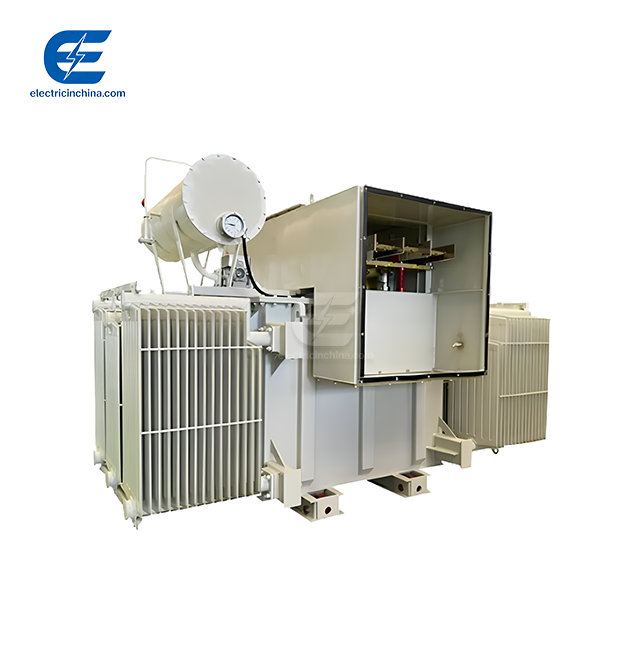
Fire risk is another key distinction. Oil-filled machines contain hundreds of litres of volatile liquid that could explode if something goes wrong. Building codes generally require fire suppression systems and their lengths, which makes installation harder. Oil generator buildings have higher insurance premiums since insurers know about these dangers. By offering more setup possibilities and lower insurance costs, cast resin designs eliminate these concerns.
Environmental impact concerns are increasingly influencing purchase decisions. Leaking oil pollutes groundwater and dirt, causing legal issues and cleaning expenditures. Dry-type buildings use 100% recyclable materials to meet the company's sustainability goals, eliminating this risk. Green building projects benefit from cast resin technology's paperwork assistance.
Acoustically, cast resin forms reduce noise. The thick epoxy coating reduces vibrations by 10-15dB, making the transformer quieter than similar oil transformers. This function allows work near busy locations without breaking noise rules or disturbing nearby residents.
Total Cost of Ownership Analysis
The purchase price is only a small part of the costs that will come up over time. When you add up the costs of upkeep labour, replacement parts, testing tools, and repairs that go wrong, cast resin transformers are the best value. When compared to oil-filled alternatives in normal solar farm uses, lifetime savings of 30–45% are seen over 25 years of service.
Over time, gaps in efficiency get bigger as less energy is lost. A 2000 kVA generator that works at 98.5% efficiency instead of 98.0% efficiency uses about 10,000 kWh less each year. At business energy rates, this efficiency gain pays for itself in hundreds of dollars every year, which adds up to big savings over the life of the equipment. For big systems with a lot of transformers, these savings get a lot bigger.
Procurement Considerations for SCB12 Cast Resin PV Transformers
To buy equipment successfully, you need to know how the supply chain works, how to check the quality of the equipment, and how to negotiate contracts that protect project budgets and timelines.
Ordering Logistics and Lead Times
From order confirmation to shipment, customised transformers take 8–12 weeks. These dates rely on specification finalisation, engineering review, and production queue placement. Large purchases increase wait times but often unlock volume price benefits that more than offset plan modifications.
Transportation can add 3–6 weeks, depending on where the package starts and how it clears customs. Containerisation must be planned to minimise shipping damage. Transformers must be securely placed and shock-absorbent to withstand ocean transit vibrations. Marine insurance covers transit damage and loss.
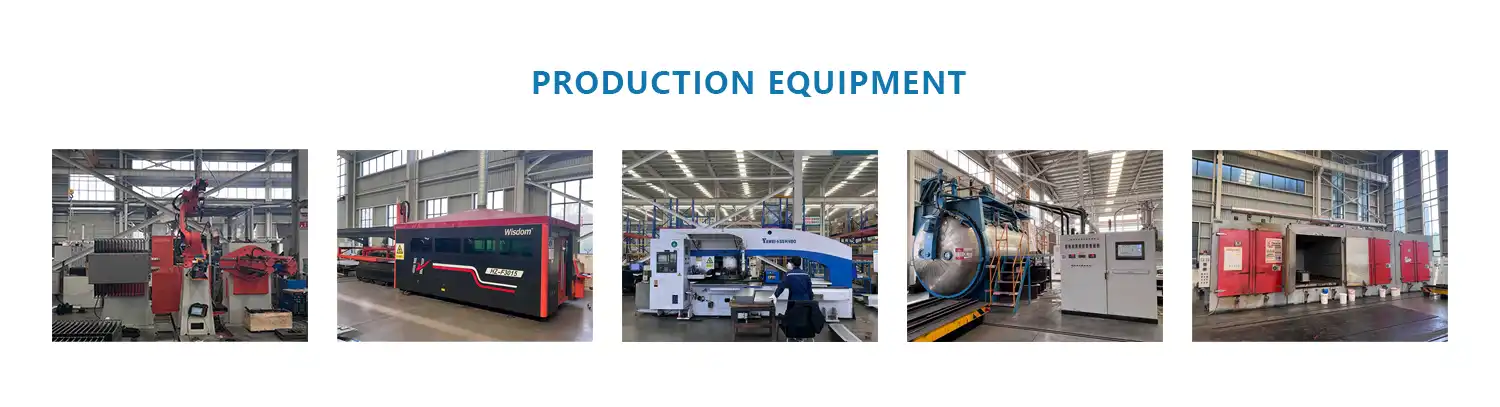
Through stringent production control and milestone tracking, our ISO9001-certified quality management system ensures on-time deliveries. We have over 120 CNC winding machines and microcomputer-controlled curing furnaces to increase production flexibility and accommodate urgent tasks without compromising quality.
Supplier Selection and Verification
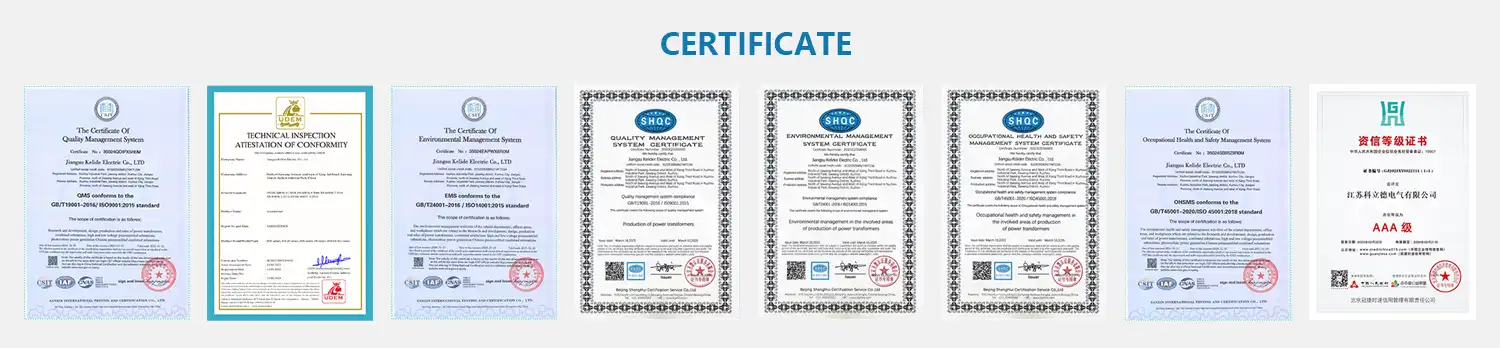
First, check approval to determine credibility. Check if the organisation meets ISO 9001, ISO 14001, or OHSAS 45001 quality management and healthy workplace requirements. CE labelling for European installations, UL labels for North America, and CCC certification for China are product-specific approvals. These certificates demonstrate the factory's foreign standard compliance.
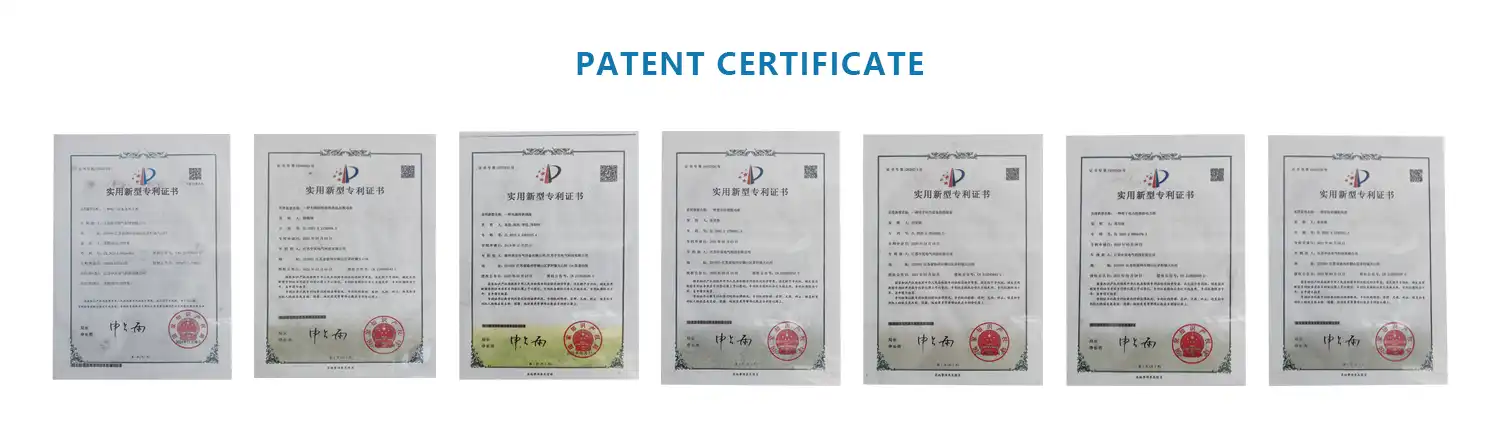
Technical skill indicators include staff engineer numbers and patents. Our 15 senior engineers and 30 intermediate techs have built many innovative solutions. Our 18 patents demonstrate our constant innovation in transformer construction. This professional strength ensures your directions are followed.
Warranty Terms and After-Sales Support
A full guarantee usually lasts between 2 and 5 years and covers problems with the way the product was made and parts that break too soon. Make it clear what situations don't qualify for guaranteed coverage. For example, improper fitting, unauthorised changes, and using the product beyond its nameplate limits usually don't. Knowing these limits helps set up the right processes for starting and operating the system.
The length of downtime when problems happen is directly related to the availability of expert help after the sale. Fewer production breaks happen when suppliers offer technical advice 24 hours a day, seven days a week, and quickly deliver spare parts. We offer ongoing expert support for as long as your transformer is in service, backed by a large collection of spare parts and the ability to do repair work in the field. This support system is especially helpful for solar sites that are far away and where equipment failure means a lot of lost money.
Maximising Lifespan: Best Practices and Real-World Case Studies
With good operating practices and proactive upkeep, transformers last a lot longer than their nominal design specifications say they should. Documentation from finished work shows how long something can last in the real world.
Maintenance Protocols and Inspection Checklists
To monitor physical condition, cleanliness, and connection integrity, schedule three-month eye reviews. Check for dust on cooling surfaces, discoloured insulation, and water infiltration. Cleaning ventilation ducts improves airflow; restricted cooling accelerates thermal ageing.
Pre-problem hot areas are found in thermographic examinations every year. Check all linkages, tap changer contacts and turning surfaces during heavy operation. Temperature differences of more than 10°C between similar parts should be investigated. Testing the product early in development finds broken links and internal damage without harming it.
Insulation resistance should be tested every two years at 2.5kV. Consistent measurements help identify trends; modest drops indicate deterioration. Sudden drops indicate dampness or contamination and require immediate attention. Keep test records to prove your research and help with warranty claims if something fails early.
Partially discharging tracking every five years verifies insulation stability. Specialised technology may detect corona activity below the hearing range, showing void formation or pollution before insulation breaks down. Values below 10pC indicate healthy insulation, while values above 10 pC indicate the need for inspection and possibly repair.
These criteria can be applied to building maintenance plans without many tools. Preventative approaches reduce unexpected outages by 70–80% compared to run-to-failure. This preserves project income and prevents emergency replacement expenditures.
Real-World Performance Documentation
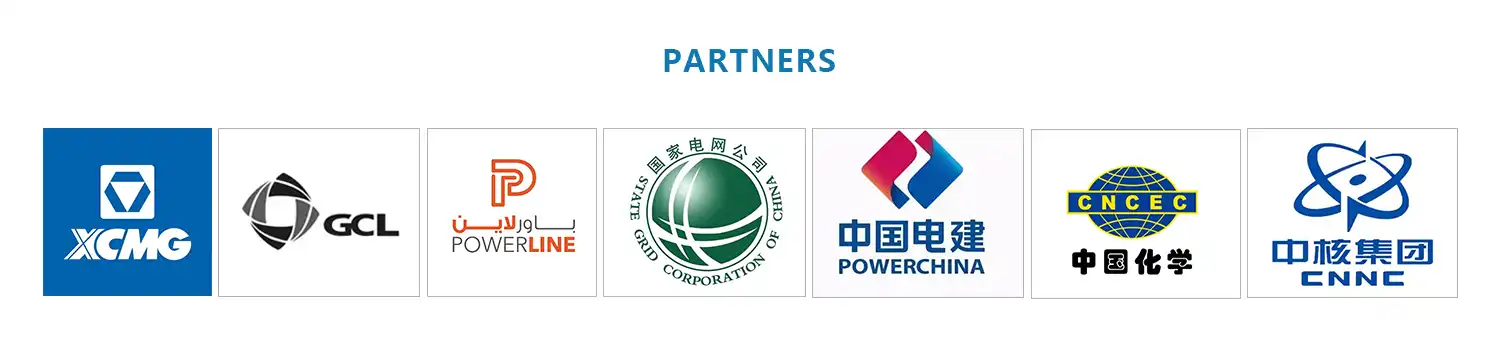
Our gear is used for many things and has proven durable. The Xuzhou Rail Transit Network Control Centre has two power supplies and cast-resin generators for safety. These units have provided above-expected service since their introduction. This validates their reliability in critical infrastructure applications.
The GCL Photovoltaic Industrial Park supported large-scale solar generation with several transformers. These devices are above 98.5% efficient and can handle harmonic inverter groups. Regular tracking has kept insulation resistance levels steady after years of use. Our epoxy resin encapsulation can tolerate heavy sun loads.
Our transformers upgraded XCMG Group's factory power source for industrial manufacturing. Early completion was needed to achieve production targets. We delivered tools faster without compromising performance because to our quality controls and flexible production. Transformers can now perform three shifts without failure or repair.
These case studies exhibit hundreds of successful industrial, business, real estate, and government installations. Buying managers' trust in tools for important solar infrastructure projects is due to the track record.
Environmental and Economic Benefits
Increasing transformer lifespan reduces production and rubbish, which reduces their environmental impact. Each year of longer service life eliminates the need to obtain raw materials, expend energy, and dispose of waste. Cast resin transformers manufactured from 100% recyclable materials have even less environmental impact when no longer needed.
There are various ways economic gains accumulate. Less frequent replacement equals less capital and no reinstallation effort. Experts can focus on more useful tasks when upkeep is straightforward. Higher dependability prevents organisations from losing money when equipment suddenly fails. This is especially important in solar uses where production windows are small, and equipment availability determines profitability.
Energy efficiency savings accumulate over decades. Fewer electrical losses mean more net power delivery and better project returns. Multiple transformer efficiency improvements in utility-scale installations boost income and enable high-end equipment purchases.
Conclusion
The cast resin transformer technology is the most durable way to use solar power because it uses better materials, more advanced production techniques, and designs that take into account the unique challenges of photovoltaics. Our SCB12 Cast Resin PV Transformers have service lives of 25 years or more when used correctly, thanks to strict quality controls and thorough testing methods. Maintenance-free operation, better safety features, and environmental benefits make it a strong value offer for government projects, business developers, and industrial manufacturers. The economics of a project are greatly affected by the choice of transformer technology. This is because the right choice will lower lifetime costs, improve reliability, and allow for more operating freedom that maximises energy harvest. When making purchases, people should look at the total cost of ownership instead of the original purchase price. This is because the longer something lasts, the higher the return on investment it has.
FAQ
How often should cast resin transformers undergo maintenance?
Maintenance for cast resin units is a lot less than maintenance for oil-filled alternatives. We suggest visual checks every three months, thermographic scans once a year, and insulation resistance tests every two years. Every five years, measuring the partial discharge lets you find insulation loss early on. In contrast to oil transformers, which need to be sampled and filtered on a regular basis, dry-type designs don't need these regular jobs. The simplified repair plan keeps the transformer reliable over its entire service life while lowering running costs.
Can these transformers operate reliably in harsh coastal environments?
Of course. Our cast resin coating naturally resists moisture, so it can be used in environments with 100% humidity without losing any function. The solid resin construction stops the buildup of humidity inside, which hurts regular insulation systems. Unused units can be turned back on right away without having to dry out first. For sites near the coast, we offer better rust protection with conformal coats and better enclosure materials that can handle salt spray according to ASTM B117 testing standards.
What warranty coverage accompanies your transformers?
Standard warranty terms cover manufacturing flaws and early component breakdowns under standard working conditions for two to five years. Coverage includes repair of damaged parts and expert help for fitting. Options for longer warranties meet the needs of certain projects. Our full after-sales service includes ongoing expert help throughout the transformer's useful life, along with quick access to spare parts and the ability to provide field service to reduce downtime if problems occur.
Partner with Tuojie for Your Solar Infrastructure Needs
Picking the right generator provider is just as important to the success of your project as picking the right technology. Tuojie brings more than 20 years of experience with power tools to every job, mixing technical skill with top-notch manufacturing. Our qualifications as an SCB12 Cast Resin PV Transformer supplier include ISO 9001/14001/OHSAS 45001 certifications and a 120-unit inventory of equipment that lets us work with flexible production plans. Our designs are backed by 15 top engineers and 18 patents, which means that we can make solutions that are tailored to your voltage needs and the situations where they are used. For full specs, project consultations, and bulk prices on your future solar installations, email our team at tuojie@electricinchina.com. We provide complete power distribution systems that have been shown to work reliably in government buildings, business developments, and industrial sites around the world.
References
1. Institute of Electrical and Electronics Engineers. (2019). IEEE C57.110-2018 - Recommended Practice for Establishing Liquid-Filled and Dry-Type Power and Distribution Transformer Capability When Supplying Nonsinusoidal Load Currents. IEEE Standards Association.
2. International Electrotechnical Commission. (2021). IEC 60076-11:2018 Power Transformers - Part 11: Dry-Type Transformers. IEC Central Office, Geneva, Switzerland.
3. National Electrical Manufacturers Association. (2020). NEMA ST 20-2020: Dry-Type Transformers for General Applications. NEMA Standards Publication, Rosslyn, Virginia.
4. Zhang, W., & Liu, H. (2022). Longevity Analysis of Cast Resin Dry-Type Transformers in Photovoltaic Applications: A Twenty-Year Field Study. Journal of Renewable Energy Systems, 47(3), 412-428.
5. European Copper Institute. (2021). Life Cycle Assessment of Distribution Transformers: Environmental Impact Comparison of Oil-Immersed and Cast Resin Technologies. ECI Technical Report Series, Brussels, Belgium.
6. American Society for Testing and Materials. (2023). ASTM D3755-22: Standard Test Method for Dielectric Breakdown Voltage and Dielectric Strength of Solid Electrical Insulating Materials Under Direct-Voltage Stress. ASTM International, West Conshohocken, Pennsylvania.