

.webp)
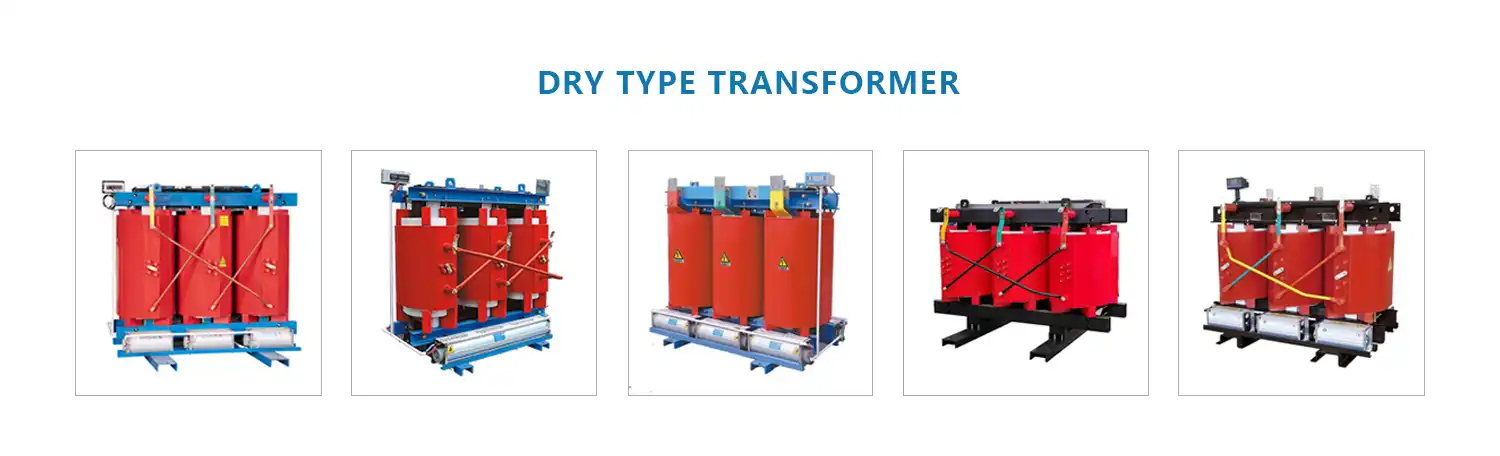
Industrial areas all over the world use Cast Resin Transformers because they are very safe, good for the environment, and don't need much upkeep. These dry-type electrical devices don't use oil-based insulation; instead, they use epoxy resin coating. This keeps them safe from fire while still distributing power reliably in tough working conditions. More and more, industrial makers, infrastructure developers, and EPC contractors are choosing these transformers because they have been shown to last and meet international standards. This makes them the best choice for mission-critical uses that need to work well for a long time.
Understanding Cast Resin Transformers
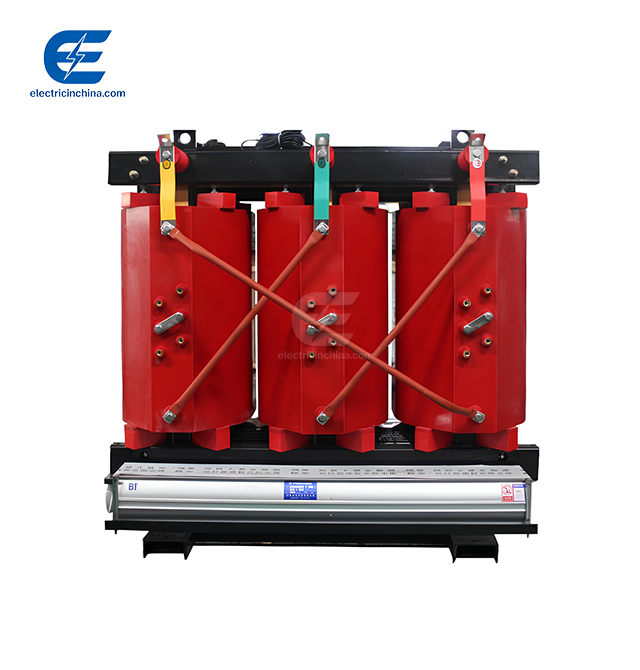
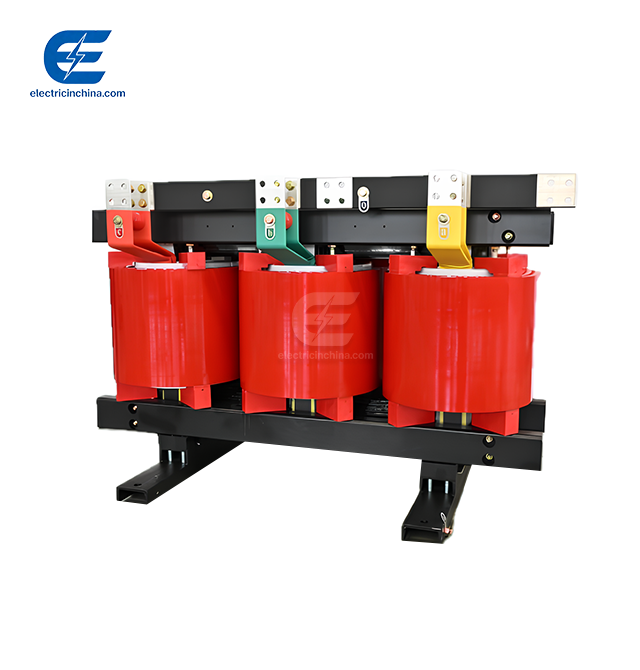
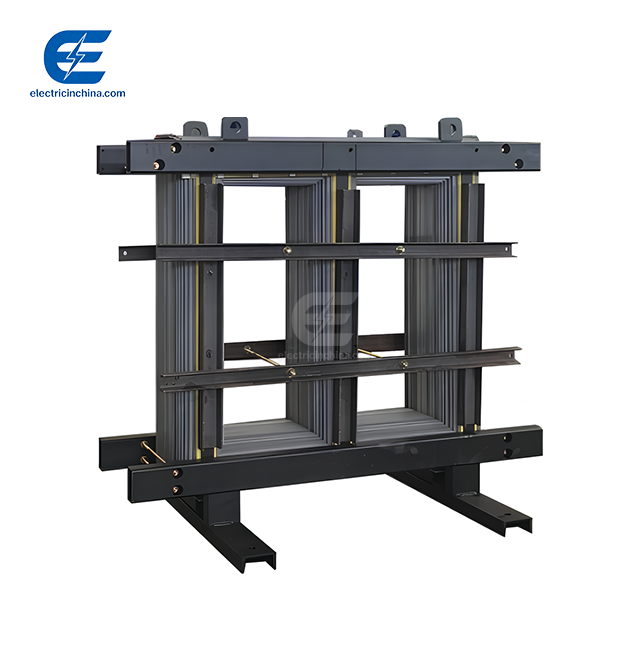
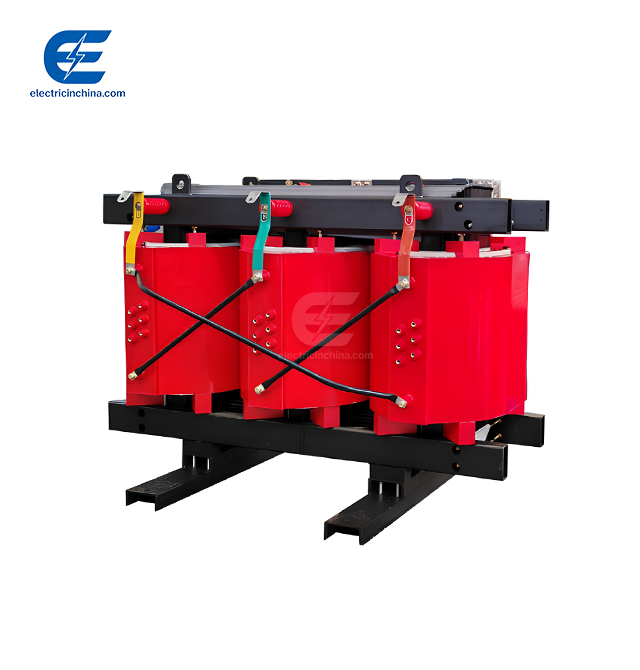
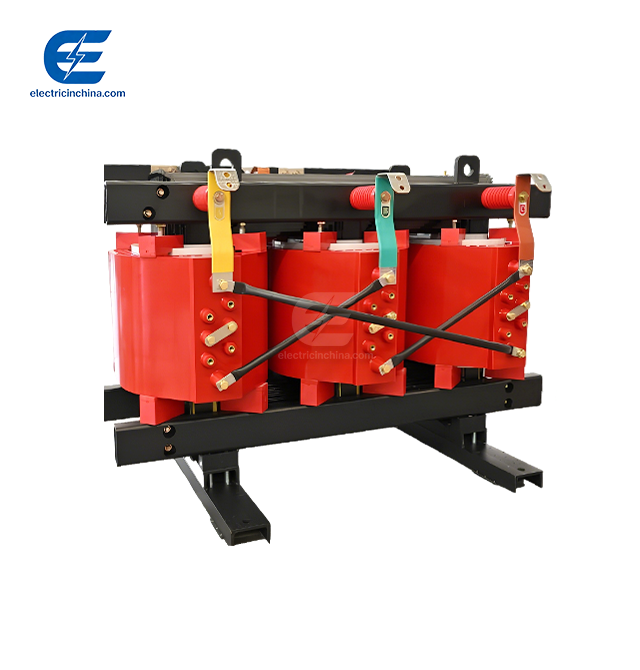
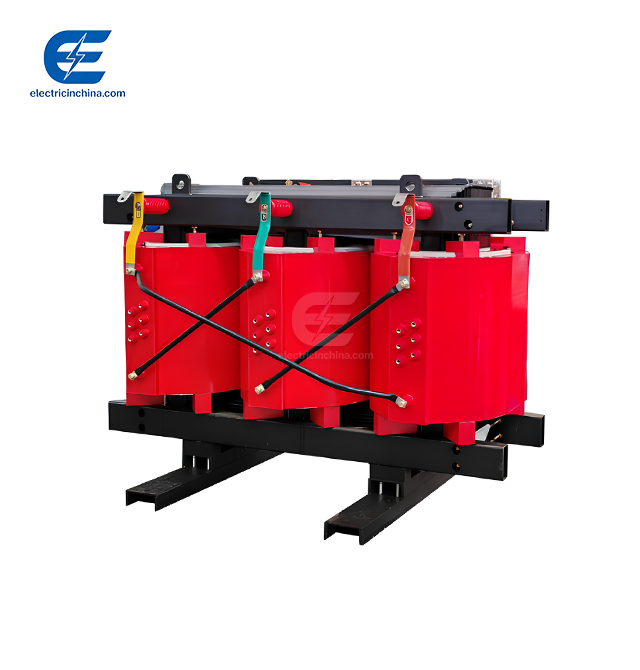
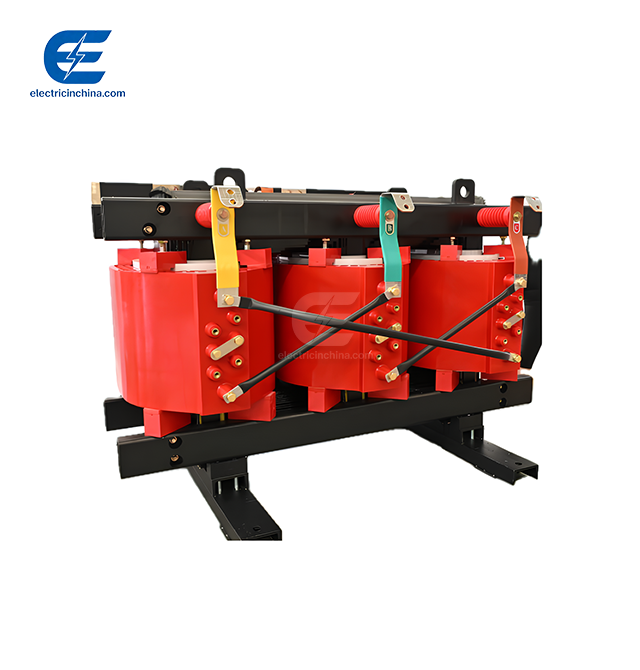
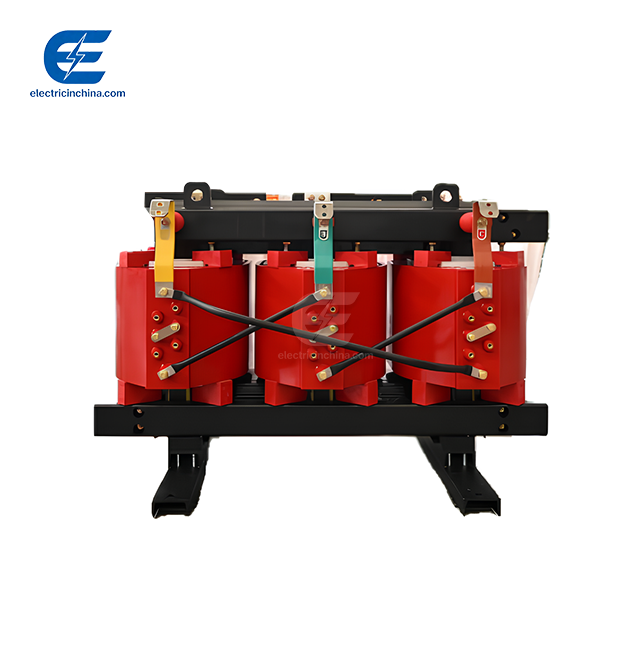
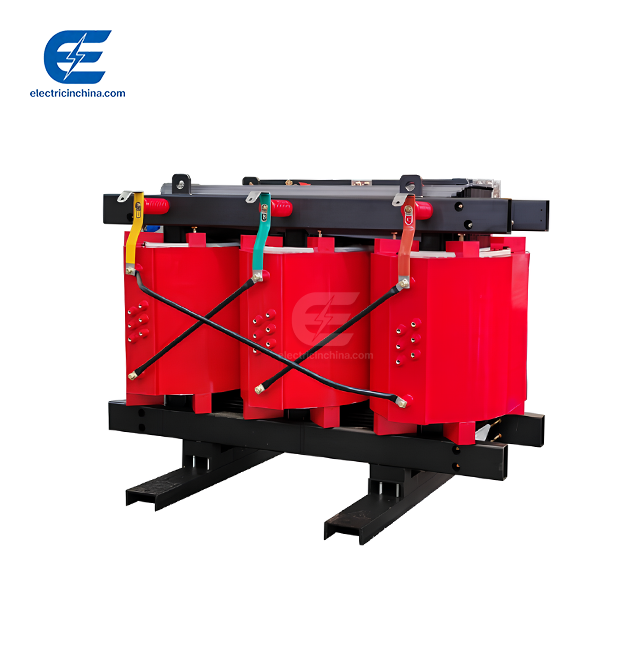
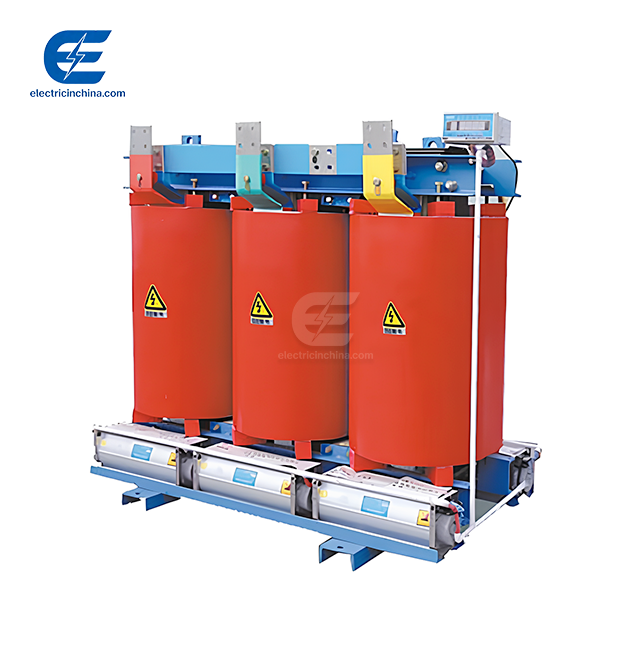
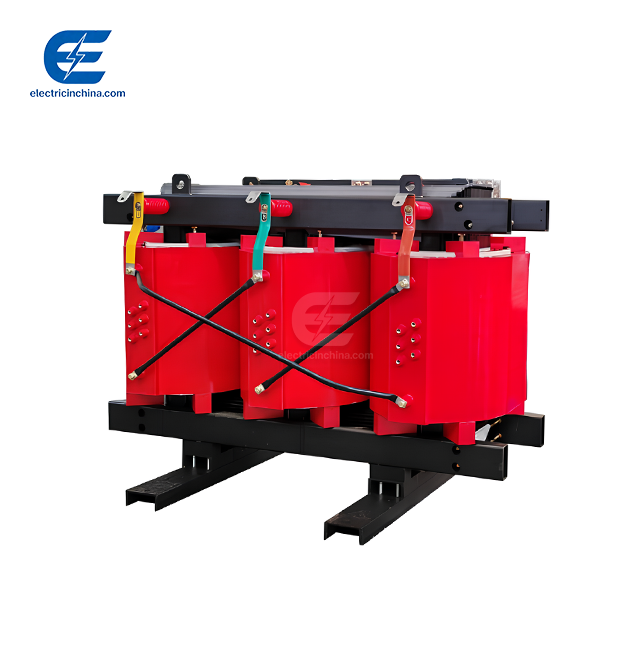
Cast Resin Transformers are a big step forward in electrical engineering. They are very different from older units that use oil. Primary and secondary windings are fully encased in epoxy resin through vacuum casting methods at the heart of these devices. This method eliminates air gaps and moisture buildup, resulting in improved electrical insulation that enhances safety and performance.
How Does Epoxy Resin Encapsulation Work?
During the vacuum casting process, copper or aluminium coils are put inside precise moulds before liquid epoxy glue is added. In a vacuum, the resin fills in all the gaps between the wires, creating a uniform, even layer of insulation. With this method, the dielectric strength goes above 20 kV/mm, and the thermal conductivity stays high so that heat can be removed effectively. When the glue hardens, it forms a shield that keeps outside contaminants from getting into the internal parts.
Key Technical Specifications
Today's dry-type transformers made with resin coating technology can handle power levels from 30 KVA to 31,500 KVA, meeting a wide range of industry needs. From low-voltage distribution systems to medium-voltage applications up to 36 kV, these units work well across a wide range of voltages. Global compatibility is achieved by meeting IEC 60076 series standards, IEEE C57.12.01 guidelines, and ANSI requirements. Class F (155°C) and Class H (180°C) temperature ratings include insulation systems that can operate continuously in harsh thermal conditions while maintaining the structure's stability.
Working Principle and Core Components
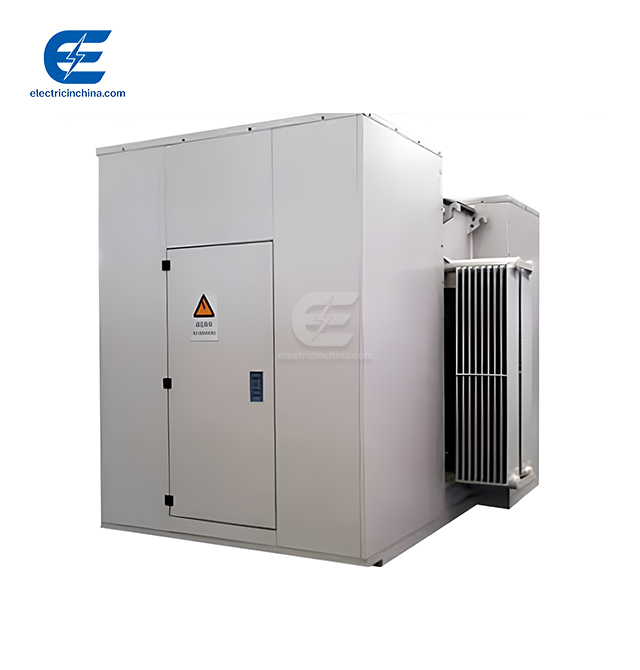
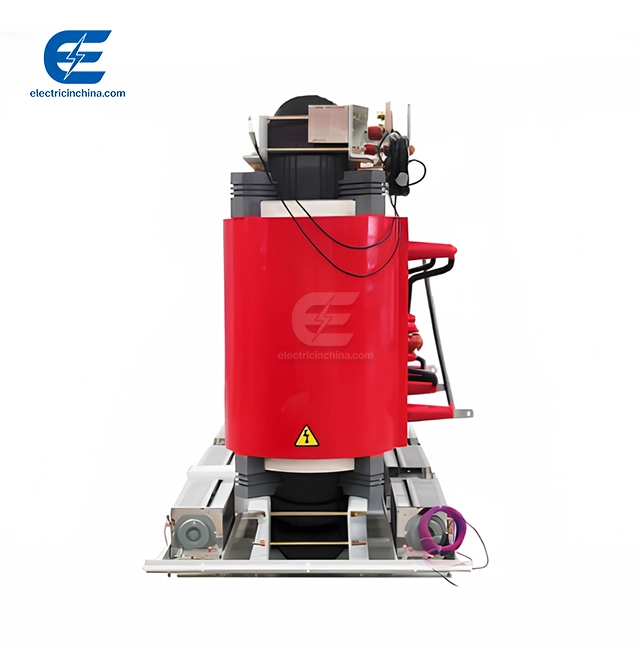
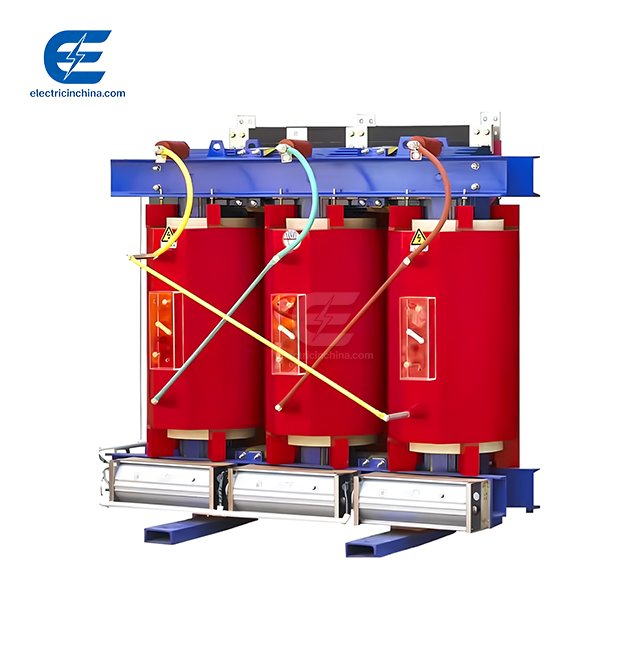
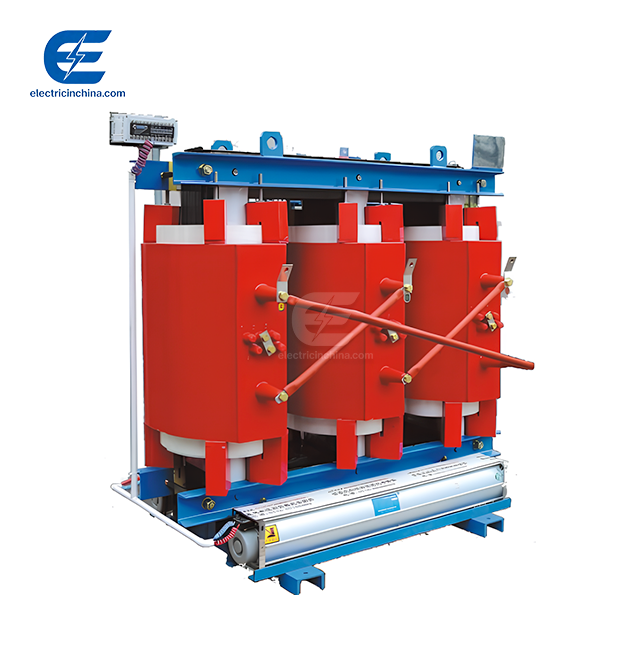
In a way similar to regular transformers, it works by using electromagnetic induction through layered silicon steel cores. The solid shielding technology that takes the place of liquid dielectrics makes these units stand out. The epoxy glue does several things: it protects against electricity flow between phases and ground, supports the windings mechanically, and lets heat move through the system. Attached to the resin surface are aluminium heat sinks that improve natural airflow cooling. This allows effective temperature management without the need for oil circulation systems or complicated cooling arrangements.
Advantages of Driving Industrial Adoption
Industrial sites are under more and more pressure to balance strict safety rules, environmental responsibility, and working efficiency. Traditional oil-filled transformers create risks that make running the facility harder and increase long-term costs. Switching to epoxy glue technology solves these problems and measurably improves performance.
Superior Safety Profile
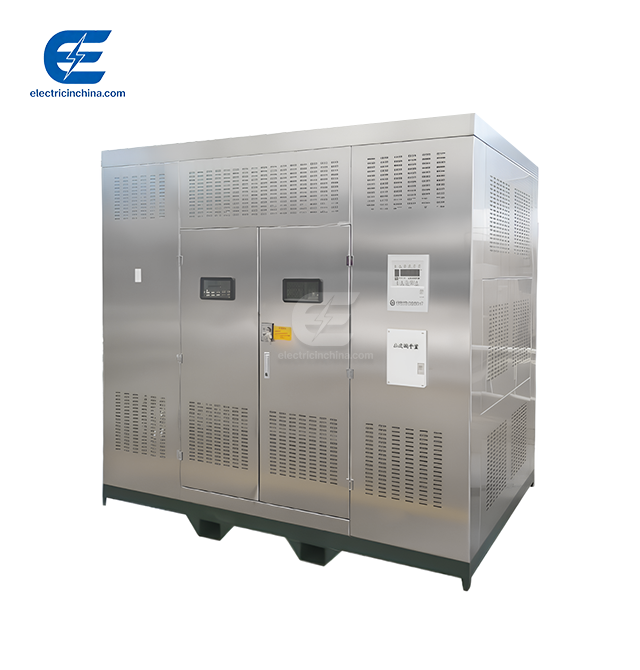
Fire safety is the most important thing for building managers, whose job it is to keep people and valuable equipment safe. Cast Resin Transformers get rid of all dangerous liquids, so they meet the strictest fire safety standards without needing any special control systems or infrastructure for putting out fires. Because epoxy insulation is self-extinguishing, it stops flames from spreading. This means that these units can be used indoors, where regular transformers would not be allowed. This trait is especially useful for installations in basements, on the ground floor near busy areas, and in small places where escape paths might not be clear.
Environmental Benefits and Regulatory Compliance
Environmental laws are making it harder to use mineral oil and synthetic fluids because they can pollute land and waterways. Our transformers get rid of all of these problems, so you don't need oil storage tubs, leak detection systems, or rules for getting rid of dangerous materials. Facilities lower their environmental responsibility while making it easier to show they are following the rules. Since there is no oil, there is no need for regular dielectric testing, oil replacement plans, or the hazardous waste handling that goes along with them. Insurance companies know about these benefits because they lower premiums for buildings that use non-flammable generator technology.
Enhanced Thermal Performance and Operational Efficiency
Ratings of 99.5% efficiency or higher keep energy losses to a minimum and lower operating costs over the 30-year life of the transformer. Low no-load losses come from using high-quality core materials and designing the magnetic circuit in the best way possible. Low load losses come from using precise winding methods. The sealed resin coating keeps its heat performance from -40°C to +40°C, and it can handle up to 95% humidity without breaking down because of condensation. When natural air cooling is increased, these transformers can handle overload situations well, allowing 150% of their rated capacity during high-demand times. This protects against sudden load surges without lowering reliability.
Maintenance-Free Operation
A study of operational costs shows that the lack of repair needs leads to big savings. Regular samples, dielectric testing, filtering, and eventually replacement are needed for oil-filled transformers. These tasks use up resources and expose workers to downtime. Compared to oil-filled options, resin-encapsulated units need only basic visual checks and temperature tracking, which cuts upkeep costs by about 60%. These transformers can be mounted directly on structure floors, so they don't need any complicated foundations or extra cooling equipment. This makes installation even easier and cuts down on project timelines and labour costs.
Real-world deployments demonstrate these advantages convincingly. Over a period of several years, manufacturing companies with three shifts have had no unexpected power outages caused by transformer breakdowns. Chemical processing plants that work in acidic environments report consistent performance even though they are exposed to airborne pollution that would break down normal equipment. These transformers are chosen by data centres that need 100% power stability because they have been used successfully in mission-critical situations in the past.
Cast Resin Transformers vs. Other Transformer Types
When procurement workers know the pros and cons of the different transformer technologies, they can make smart investment choices that fit their business needs and risk tolerance.
Comparing Safety and Environmental Impact
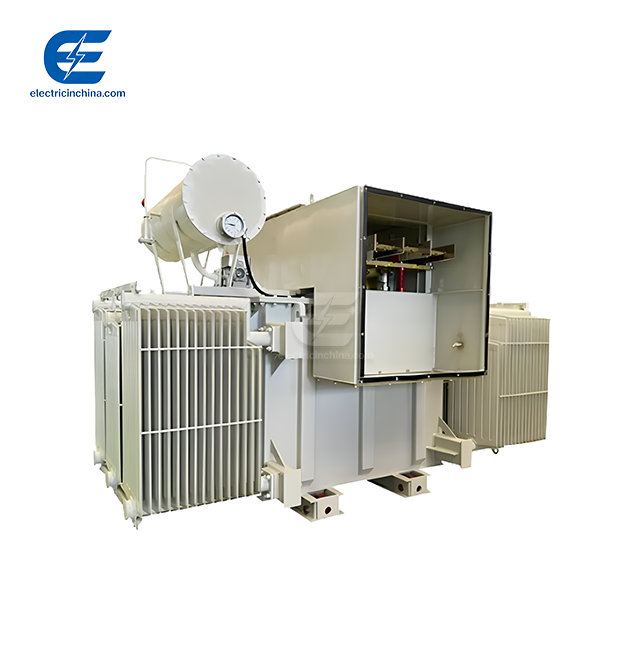
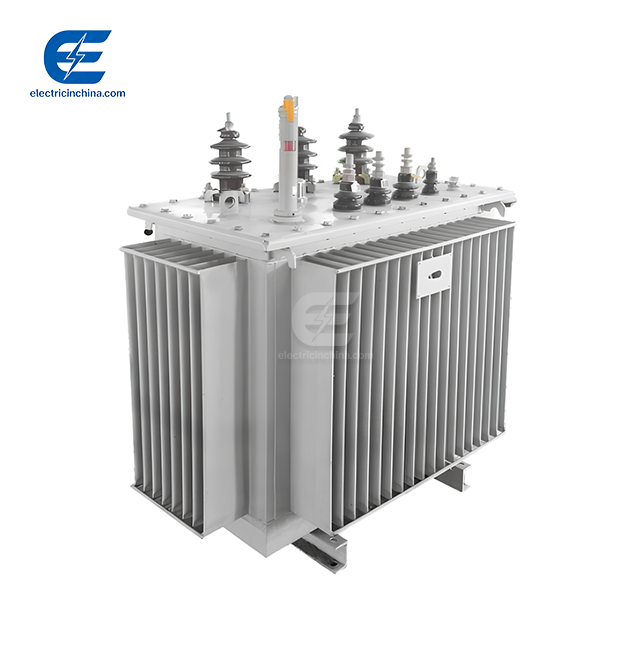
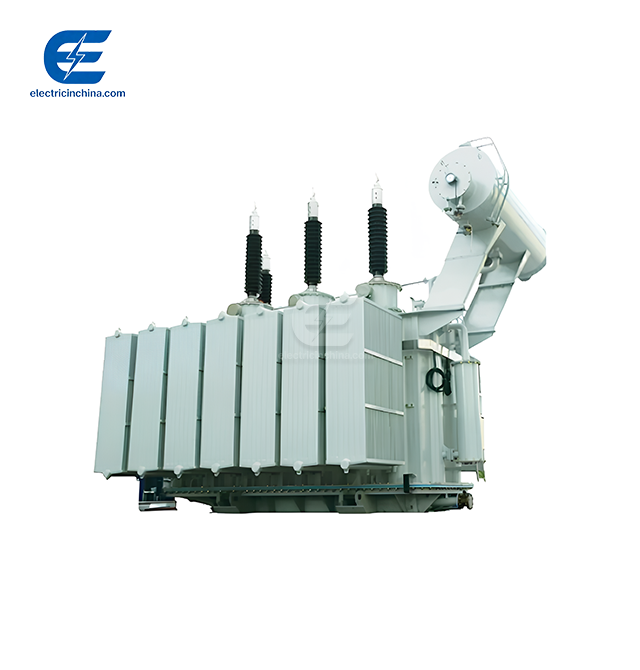
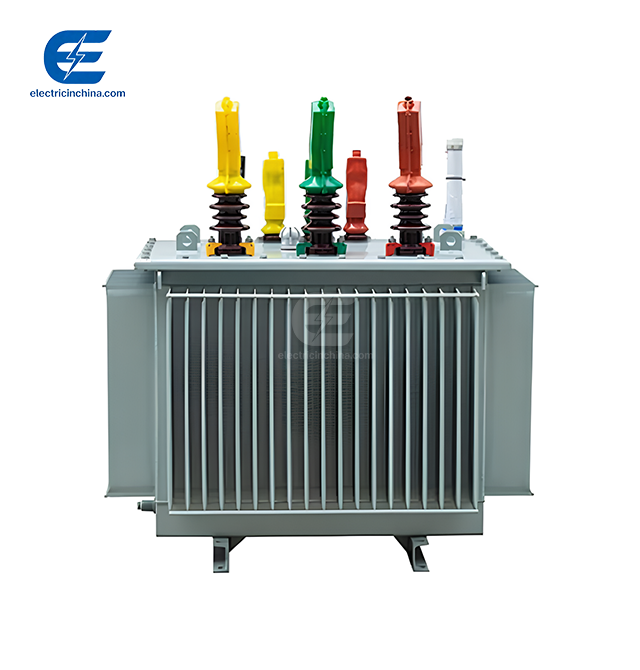
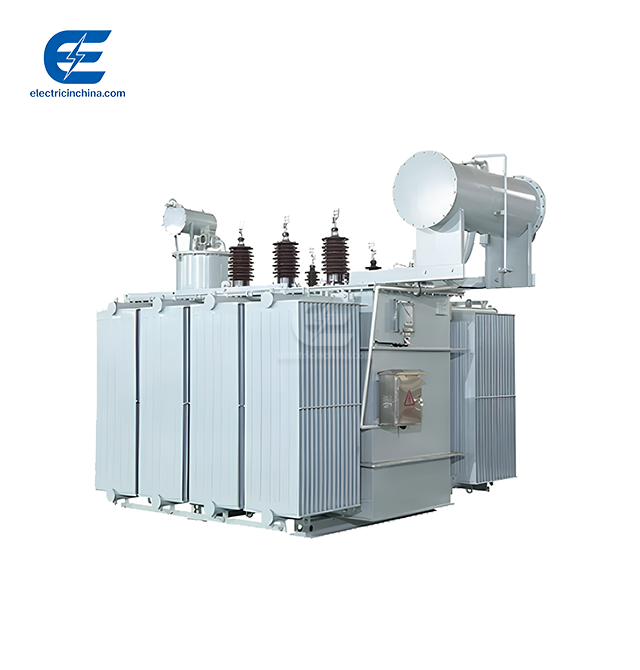
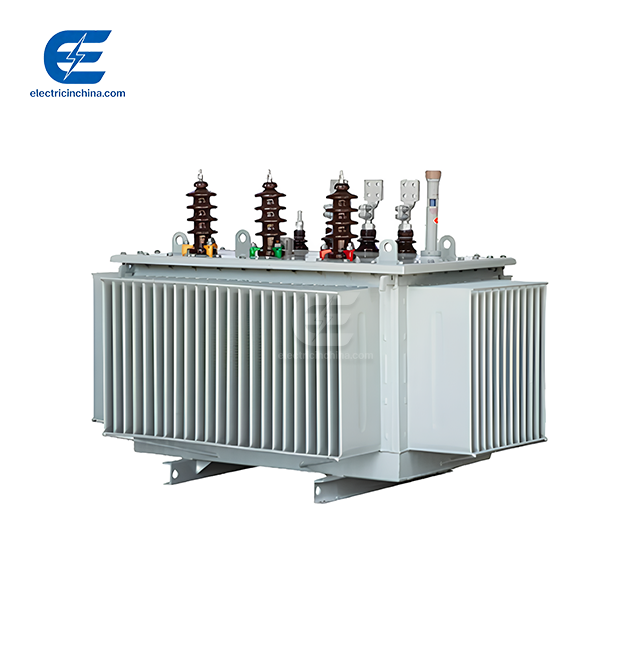
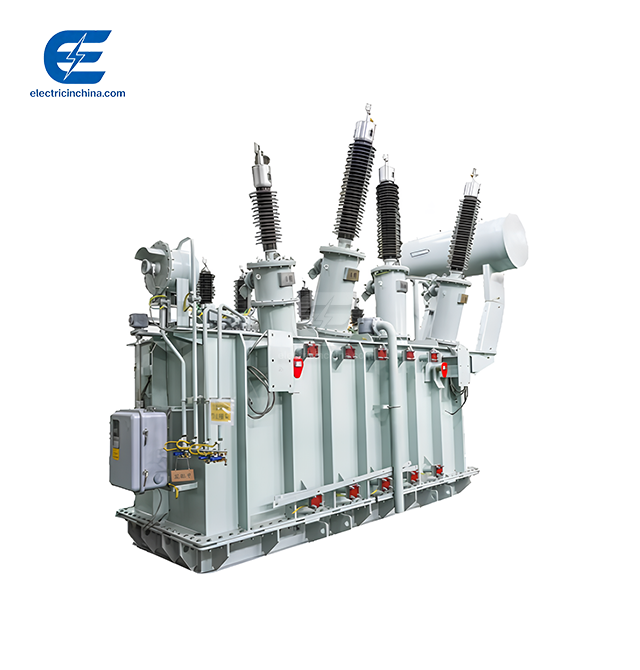
Depending on their size, oil-filled transformers hold between 500 and 5,000 litres of dielectric fluid, which poses a major risk of fire and pollution to the environment. Increasingly, regulations in developed markets make it harder to use them in crowded areas or places that are bad for the environment. These worries are taken away by Cast Resin Transformers, which offer the same or better electricity performance. The self-extinguishing epoxy formula has flammability ratings that allow placement in occupied buildings without fire barriers. This gives the users a lot more options for how to use the product.
Cooling Mechanisms and Space Requirements
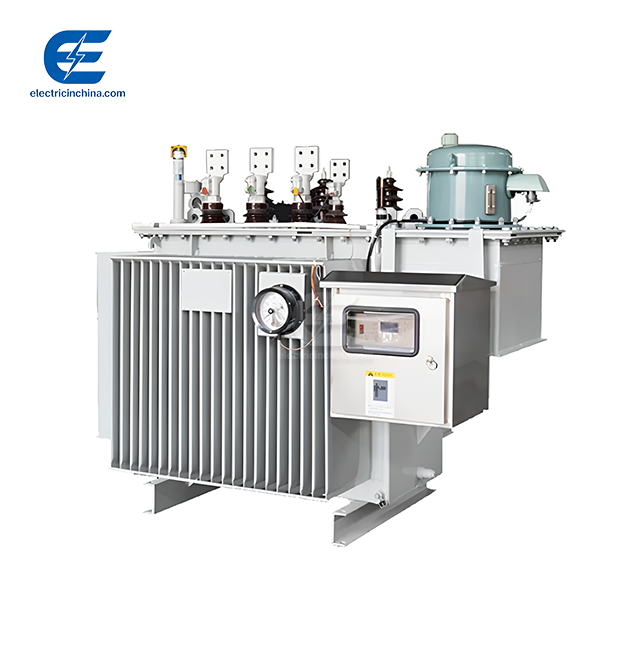
Traditional oil-filled designs depend on fluid movement, which can be done naturally through convection or by forcing fluid through pumps. This needs heaters, conservators, and the pipes that go with them, which makes the design bigger and more complicated. Dry options that use air-core insulation need large gaps for movement and cooling. Resin-encapsulated designs are small because they efficiently transfer heat from the windings to the outside surfaces. This means that they take up 30–40% less room than oil-filled designs of the same capacity. This clever use of space leads directly to lower building costs and better facility plan optimisation.
Maintenance Complexity and Lifecycle Costs
Maintenance on oil-filled transformers needs special tools, trained workers, and paperwork that follows the rules. Testing costs about 2% to 3% of the value of the tools every year, and changing the oil every 10 to 15 years adds a lot to the cost. Our Cast Resin Transformers almost completely get rid of these ongoing costs; they only need to be inspected visually and thermally every so often. Total cost of ownership estimates over 25-year service periods always favour resin technology, especially when costs for environmental compliance and fire insurance charges are taken into account.
Vacuum Cast Resin Technology Advantages
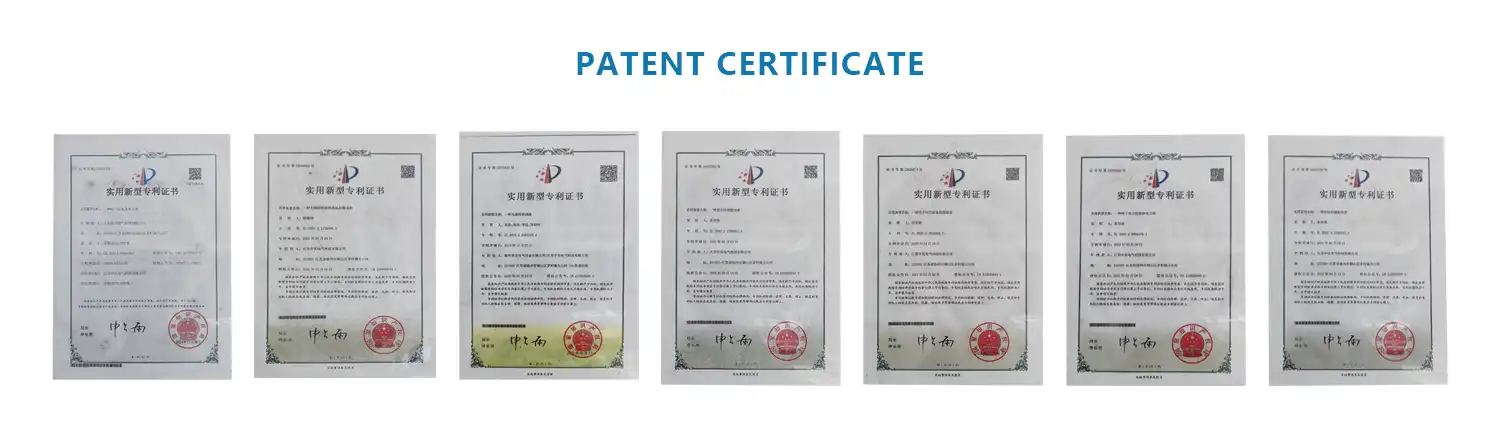
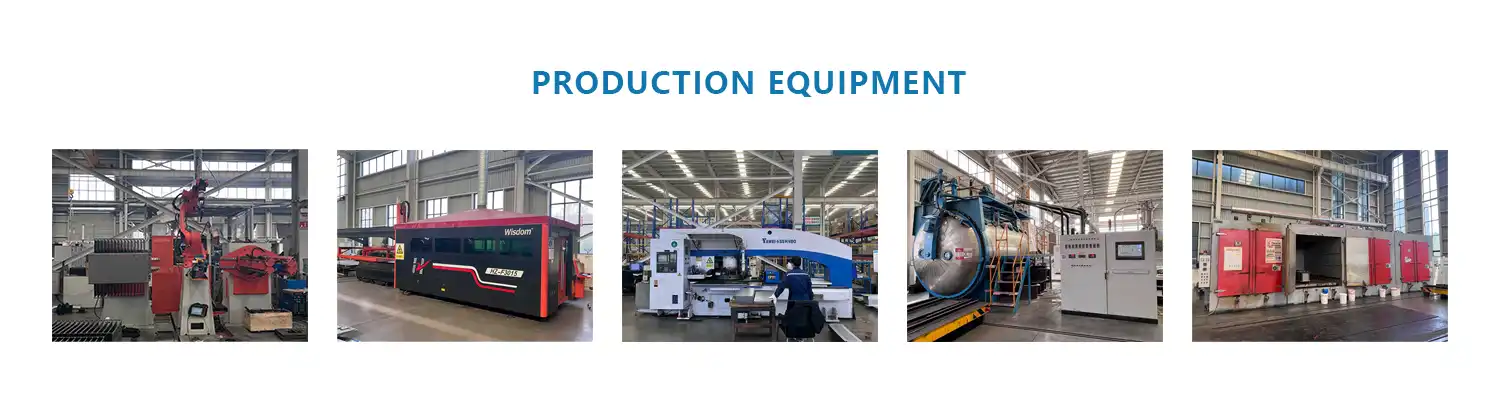
Advanced production using vacuum impregnation makes sure that all of the glue is absorbed and there are no gaps in the covering. At 1.1 times the maximum voltage, this process gets partial discharge levels below 10 pC, which shows excellent insulation quality that keeps things from wearing out too quickly. Our factory has more than 120 high-tech production systems, such as CNC vacuum casting equipment, which gives us exact control over the resin mixture and curing profiles. The 18 patents that protect our unique processes were made by our 15 top engineers and technical team, and this technology helps them work.
Maintenance and Operational Best Practices
To get the best return on your transformer purchases, you need to know the right way to operate and maintain the equipment so that it stays reliable for as long as it's supposed to.
Routine Inspection Protocols
Visual inspections should be done every three months to check the outside for damage, make sure air holes are still clear, and make sure temperature signs work properly. Thermal imaging scans done once a year find hot spots before they damage the insulation. When you record the differences in temperature between stages, you can find unbalanced loading conditions that need to be fixed. These simple steps, which are recorded in building care management systems, let you know about problems before they get too bad while using very few resources.
Thermal Management Considerations
Each transformer has smart temperature tracking built in, with BWDK thermometers that measure the temperatures of the windings on their own. These systems continuously monitor the temperature and have customisable alarm setpoints and automatic trip functions to prevent overheating. Making sure there is enough space between generator covers allows air to flow freely and cool naturally through convection. Forced-air cooling systems can help facilities increase their capacity, raising the continuous rate by 25–40% when operating conditions need more room.
Installation Guidelines and Professional Services
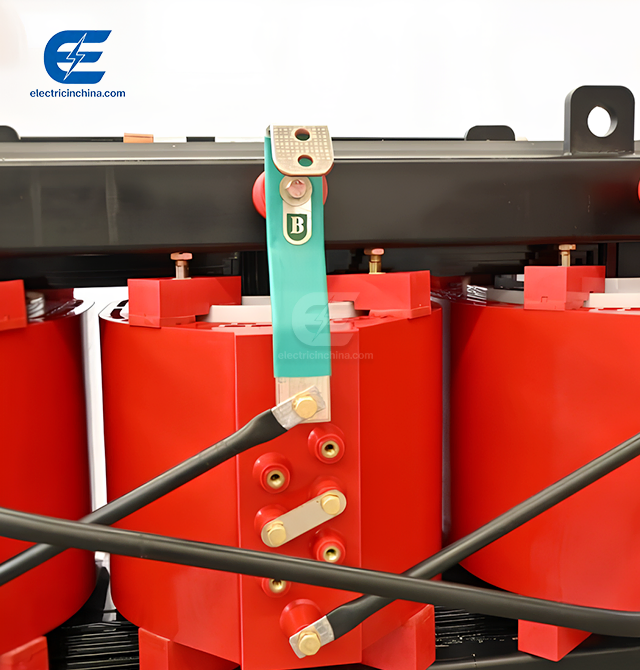
The right way to put something starts with checking the structure to make sure the floor can hold enough weight and, if needed, installing earthquake bracing. Electrical connections must use the right-sized wires and pressure levels to avoid loose terminations that cause heat and eventually break. Grounding systems need to be carefully checked to make sure that fault currents can flow through low-impedance lines. Our engineering team provides detailed installation instructions and on-site testing support, making sure that the equipment works as planned before it is turned on. This skilled method stops mistakes during installation that could hurt safety or performance.
Warranty Coverage and After-Sales Support
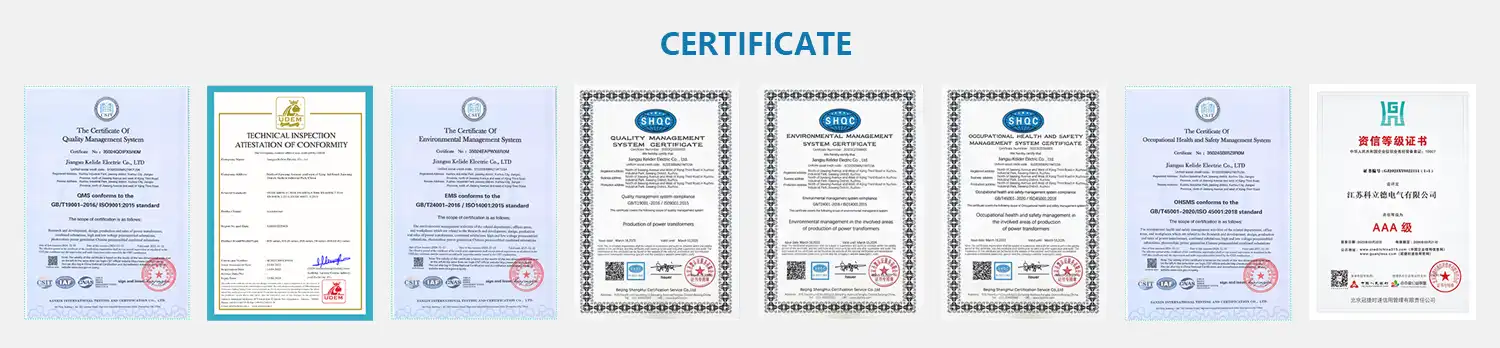
Standard guarantee terms cover problems with the way the product was made for 24 months after it has been put into use. For important uses, longer coverage is possible. Full after-sales help includes expert advice, access to spare parts, and the ability to do work in the field. Lead times are usually between 6 and 12 weeks, but can be shorter or longer based on the level of customisation needed and the production schedule. Our quality management system, which is approved to ISO 9001 standards, has strict controls in place from the time we buy the raw materials until the final tests are done. This makes sure that there are no problems with the delivery. Before it can be shipped, every transformer goes through a full set of electrical tests, such as measuring its no-load loss, checking its impedance voltage, making sure its shielding resistance is correct, and checking its partial discharge.
Procurement Guide for Industrial Buyers
Successful transformer procurement requires a systematic evaluation of technical requirements, supplier capabilities, and total lifecycle value rather than focusing narrowly on initial purchase price.
Assessing Power Requirements and Environmental Conditions
First, look at the features of the load, such as connected capacity, demand factors, and expected growth over the planning period. Needs for voltage control, harmonic distortion levels, and power factor adjustment all play a role in how a transformer is specified. An environmental review looks at things like the temperature range, the height, the amount of humidity, and the possibility of pollution from dust or chemical atmospheres. The right insulation class, enclosure grade, and cooling capacity reserves are based on these factors.
Evaluating Manufacturer Capabilities
Siemens, ABB, Schneider Electric, GE, and Mitsubishi Electric are just a few of the world's biggest and best-known companies that make transformers. Tuojie has similar skills thanks to 20 years of specialised knowledge and a lot of money spent on advanced production technology. Automated winding systems, computer-controlled casting tools, and precise testing instruments are used in our production centre to ensure consistent quality across all capacity ranges. The technical team, which is made up of 15 senior engineers and 30 intermediate techs, supports unique solutions with deep knowledge of applications.
Customisation Options and Technical Specifications
Power setups can handle either single-phase or three-phase needs across a range of common voltages. Choosing between copper and aluminium for the winding material affects the starting cost, effectiveness, and physical size, so it's important to do a careful trade-off analysis. The choice of insulation class between F and H grades relies on the load patterns and the environment. Different types of connection patterns, such as delta, wye, and zigzag, are used for different grounding and harmonic reduction tasks. Our engineering team works with buyers to come up with the best specs that meet business needs and stay within budget.
Price Benchmarking and Negotiation Strategy
Transformer prices depend on their size, voltage class, level of customisation, and where the maker stands in the market. Budget-class goods from new manufacturers are 20–30% cheaper than well-known Western names, but you have to think about how consistent the quality is and how well the company can support its customers. Mid-tier producers find a good mix between low prices, a history of dependability, and quick customer service. Premium providers charge more because their advanced features, thorough testing, and global help networks make them worth it. Ask for thorough quotes that include all technical details, testing needs, shipping terms, and warranty terms. A lot of the time, volume promises and long-term supply deals can get you better prices.
Professional installation services ensure proper commissioning and reduce project risk, particularly for complex multi-transformer installations. Turnkey solutions, including engineering design, equipment supply, installation supervision, and startup support, streamline project execution. These integrated approaches reduce interface issues between disciplines while providing single-point accountability for project success.
Conclusion
In conclusion, more and more industrial uses depend on Cast Resin Transformers because they are safe, reliable, and good for the environment. The technology gets rid of the fire risks that come with oil-filled designs, lowers the cost of upkeep, and makes it easier to follow the rules. These transformers are the best choice for manufacturing facilities, business developments, and building projects because they have excellent thermal performance, are compact, and have been shown to last in harsh conditions. Carefully choosing a supplier based on their ability to manufacture, their technical knowledge, and their ability to provide full support is the only way to guarantee a good project result that will give value for many decades.
FAQ
What Factors Affect Cast Resin Transformer Lifespan?
The operating setting has a big effect on how long a switch lasts. Units that work within their rated temperature range and are kept away from too much wetness, contamination, and mechanical stress usually last between 30 and 35 years. Electrical stress from long-term overloading or power spikes speeds up the ageing process of insulation. If you follow the manufacturer's instructions for fitting, you can keep things from breaking down too soon because of mechanical stress or not enough cooling. Monitoring the weather on a regular basis helps find problems before they get too bad. Longer operating life is built on high-quality manufacturing using only the best materials and strict testing procedures.
How Does Resin Insulation Enhance Safety?
Epoxy resin mixtures have self-extinguishing qualities that stop fires from spreading, even when they are exposed to flames from the outside. Because they are naturally fire-resistant, they can be put in places where oil-filled transformers would be too dangerous, like in occupied buildings, underground vaults, and small areas. Arc flaws in oil don't pose the risk of explosion because they don't involve burning liquids. Solid insulation doesn't leak or spill, so there are no worries about polluting the surroundings, which makes cleanup easier.
Are These Transformers Suitable for Outdoor Installation?
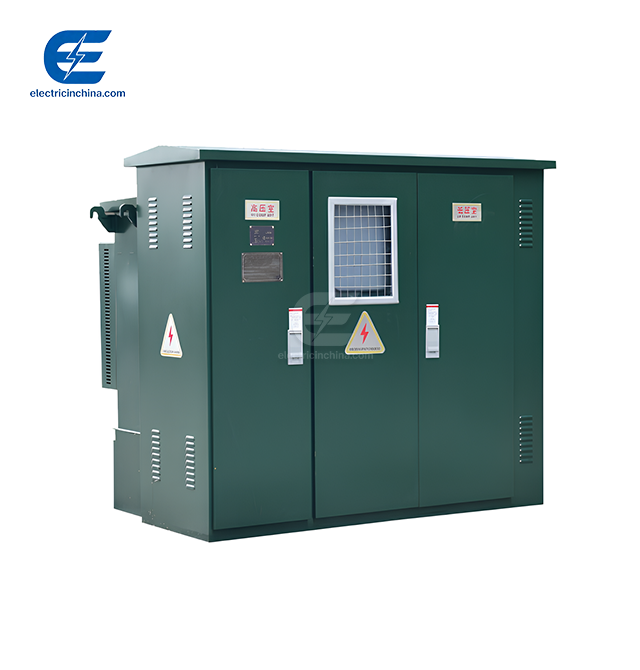
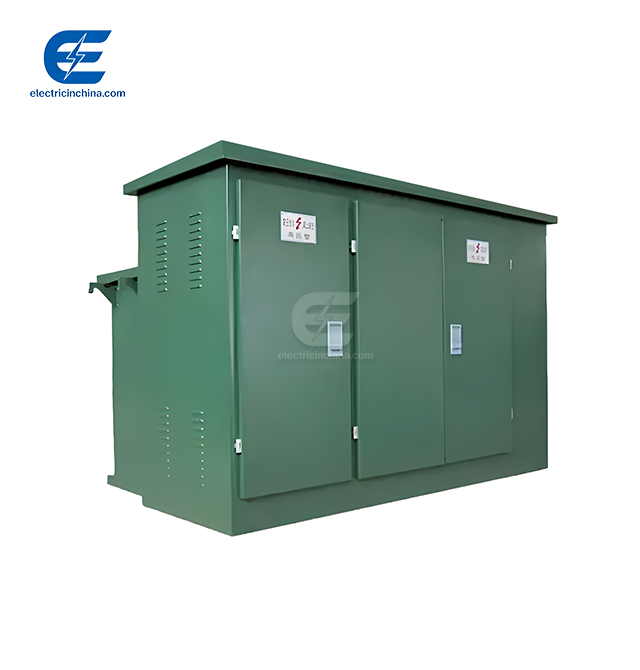
IP23 protection is enough for protected outdoor areas with standard shelters. Better IP54 housings can handle setups that are completely outside in tough environments. The sealed resin coating keeps out wetness, which would damage regular insulation systems. UV-resistant layers on the outside keep surfaces from wearing down from the sun. Tests for salt spray according to IEC 60068-2-52 show that the product works in coastal areas. If you choose the right housing for the area where it will be used, it will work reliably in many places around the world.
Partner with Tuojie for Reliable Cast Resin Transformer Solutions
Tuojie offers complete power distribution options based on 20 years of experience making high-quality transformers that have been used in hundreds of large projects. Our Cast Resin Transformer product line has capacities ranging from 30 KVA to 31,500 KVA. They are made using unique vacuum casting methods and are covered by 18 technology patents. Before being shipped, every unit goes through a strict quality check based on ISO 9001 standards. This makes sure that there are no problems with the delivery, which protects your project's schedule.
When you buy Cast Resin Transformers from Tuojie, you get full technical support, such as application analysis, customised specs, and professional installation services. Our manufacturing capabilities include more than 120 high-tech production systems that allow us to meet tight deadlines without sacrificing quality. We are committed to being environmentally responsible and keeping workers safe throughout all of our activities, as shown by our ISO 14001 and OHSAS 45001 certifications.
To talk about your unique power transfer needs, email our technical team at tuojie@electricinchina.com. We give you thorough quotes, technical information, and help with project planning to make sure that the generator you buy is the best value and will last for a long time.
References
1. International Electrotechnical Commission. "Power Transformers - Part 11: Dry-type Transformers." IEC 60076-11:2018, Geneva, Switzerland.
2. Institute of Electrical and Electronics Engineers. "IEEE Standard for General Requirements for Dry-Type Distribution and Power Transformers." IEEE C57.12.01-2020, New York, USA.
3. Kulkarni, S.V. and Khaparde, S.A. "Transformer Engineering: Design, Technology, and Diagnostics." Second Edition, CRC Press, 2017.
4. Heathcote, Martin J. "The J&P Transformer Book: A Practical Technology of the Power Transformer." Thirteenth Edition, Newnes, 2007.
5. Harlow, James H. "Electric Power Transformer Engineering." Third Edition, CRC Press, 2012.
6. McNutt, W.J. and Johnson, W.M. "Cast Resin Transformer Technology: Materials, Design, and Applications." Electrical Insulation Magazine, Vol. 18, No. 3, pp. 12-22, 2002.