

.webp)
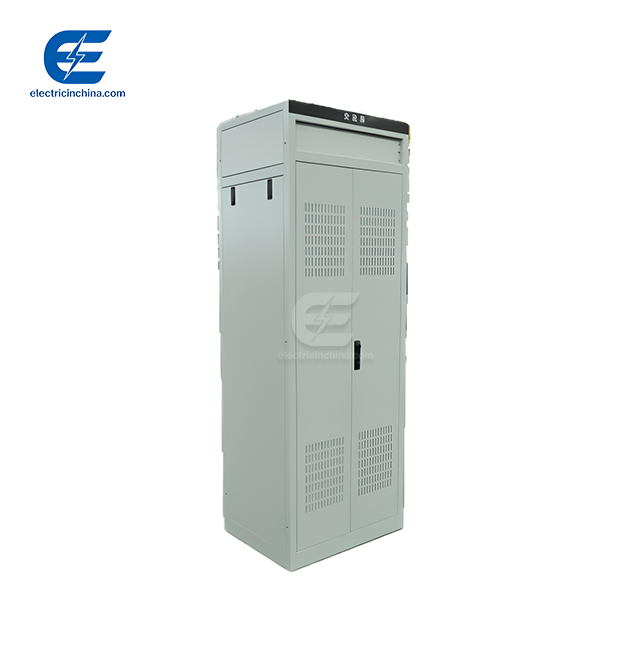
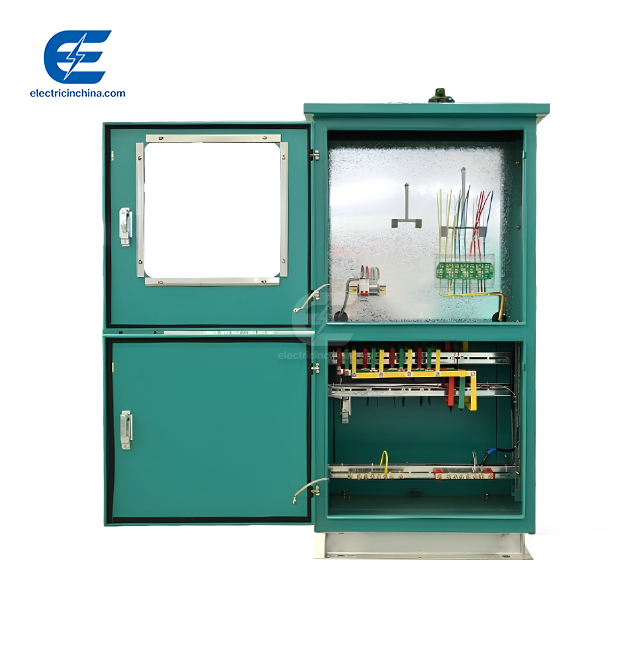
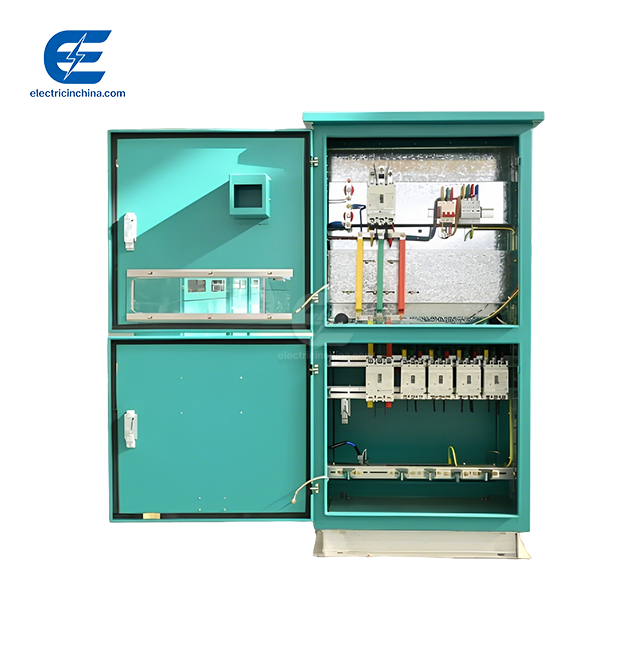
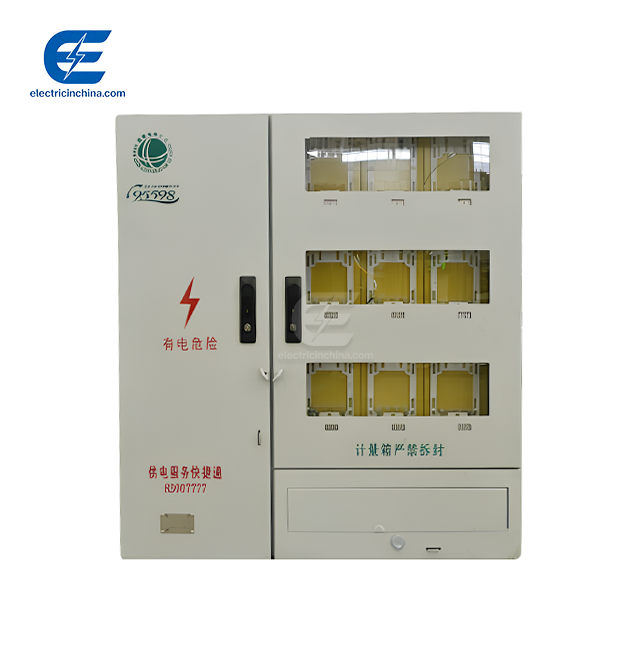
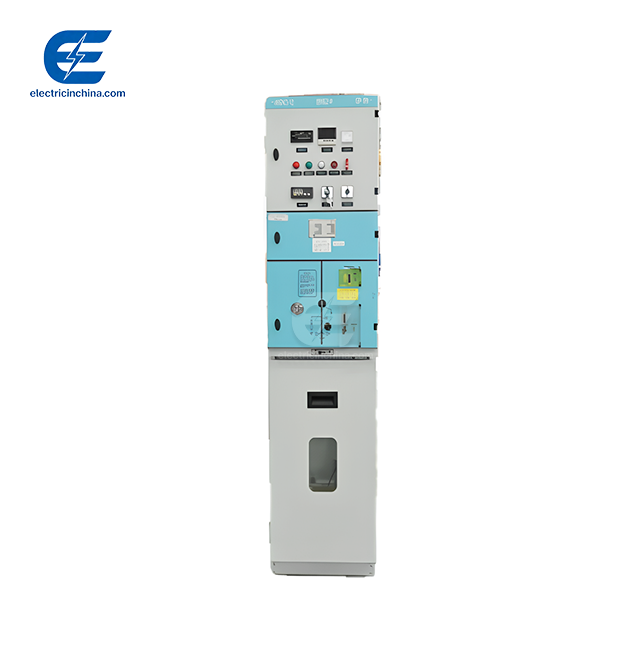
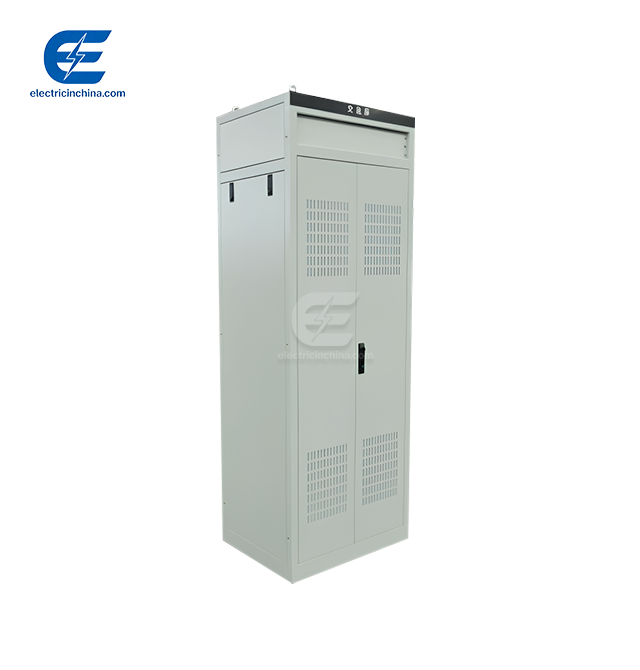
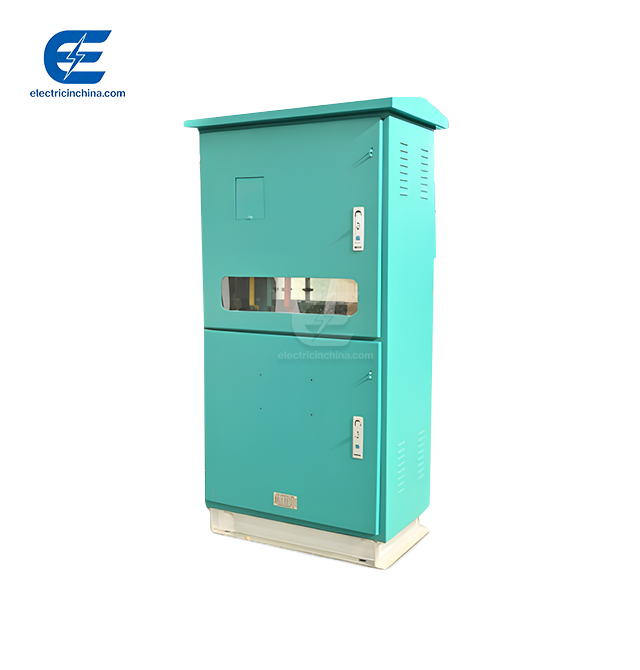
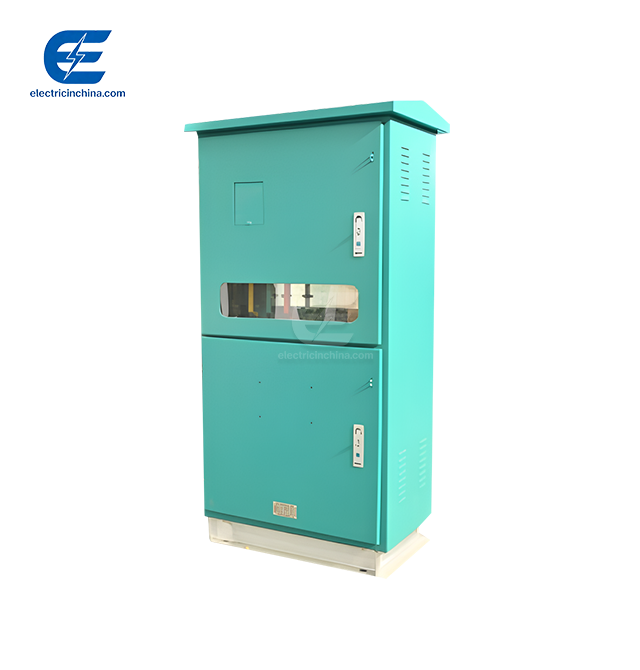
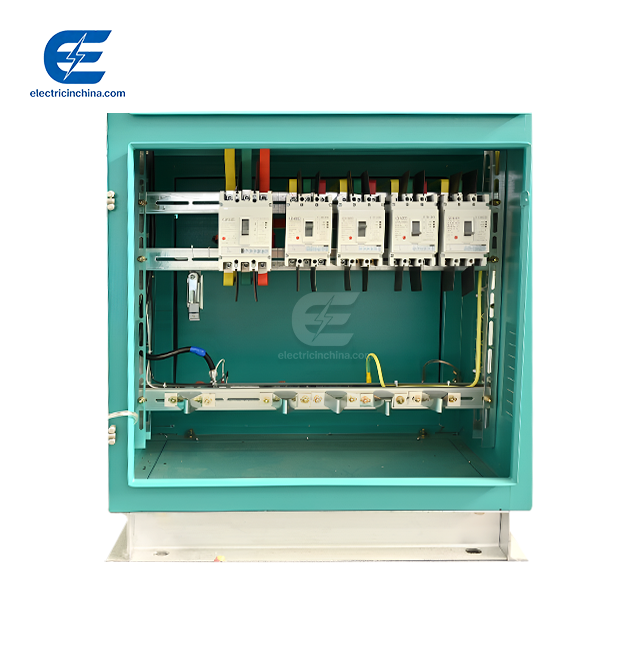
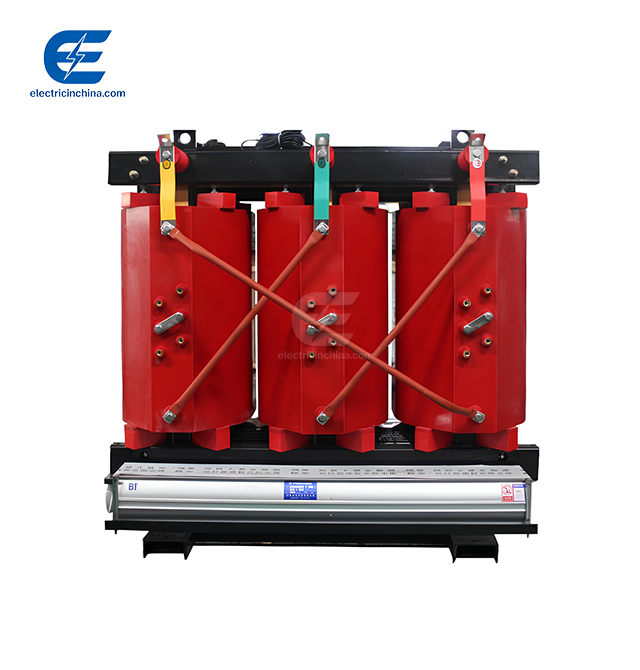
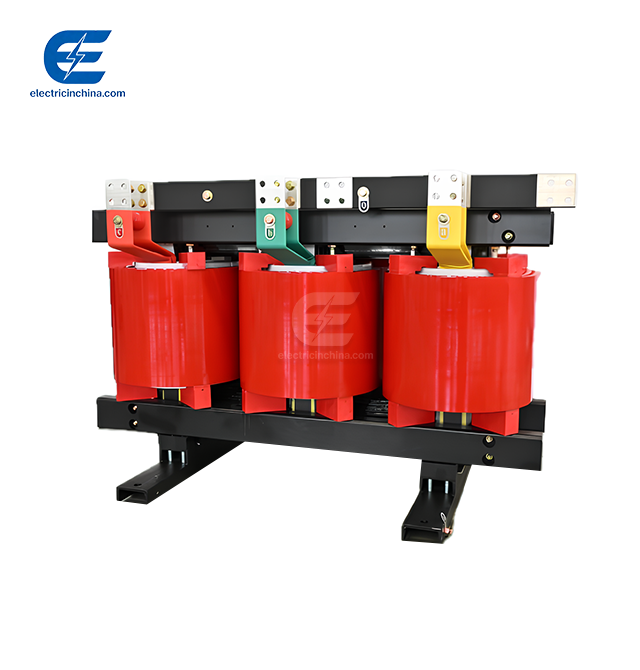
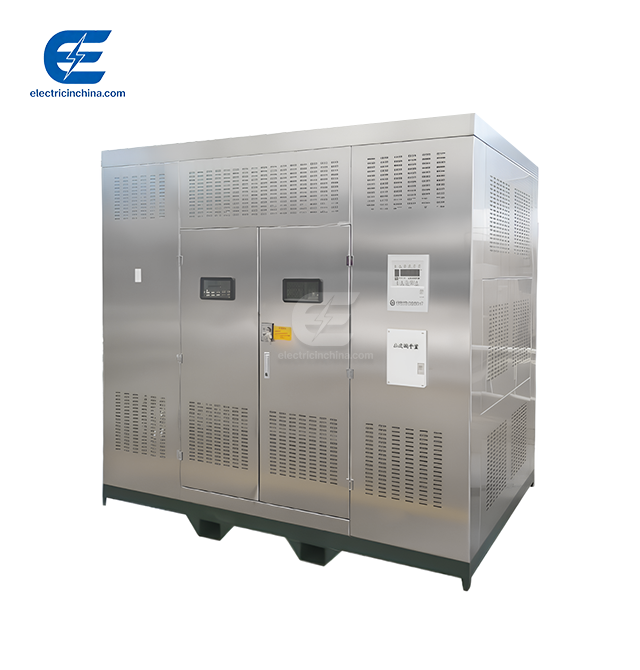
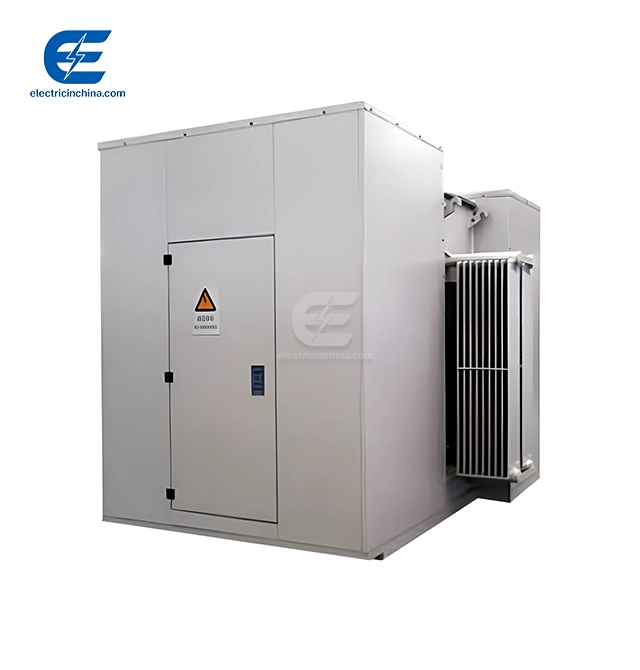
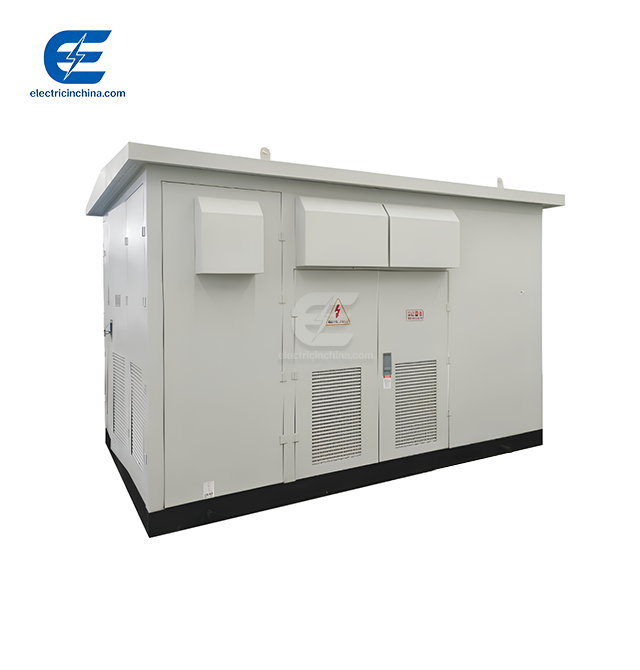
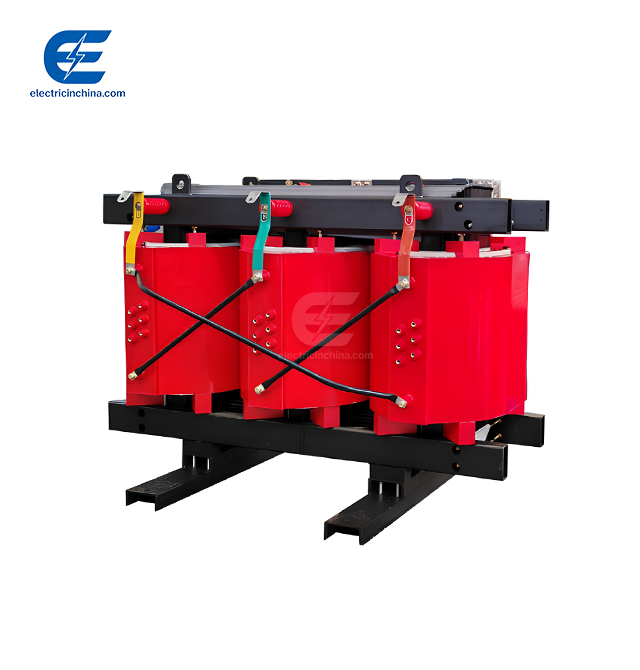
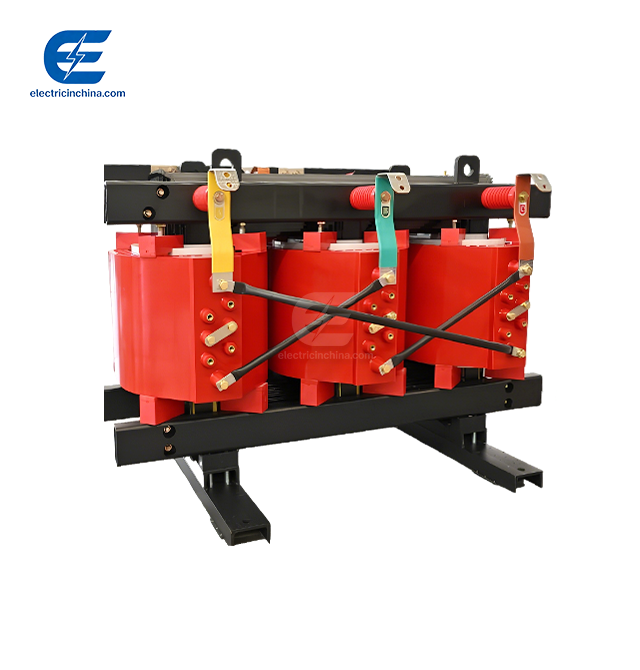
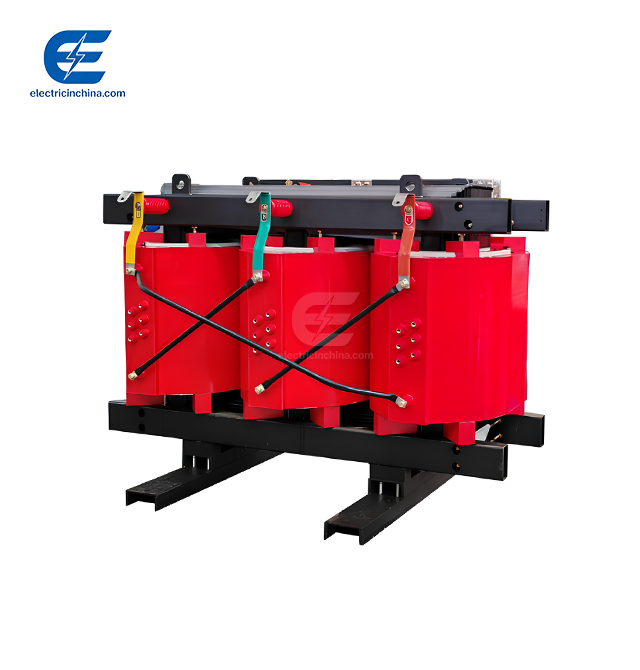
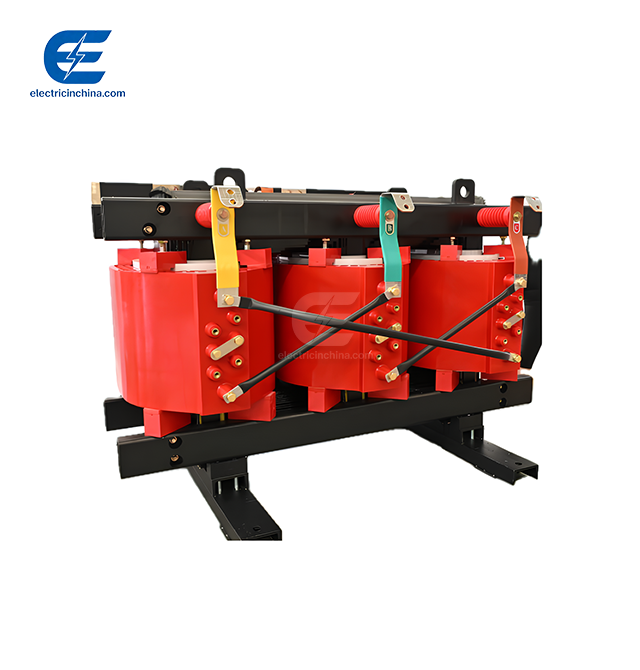
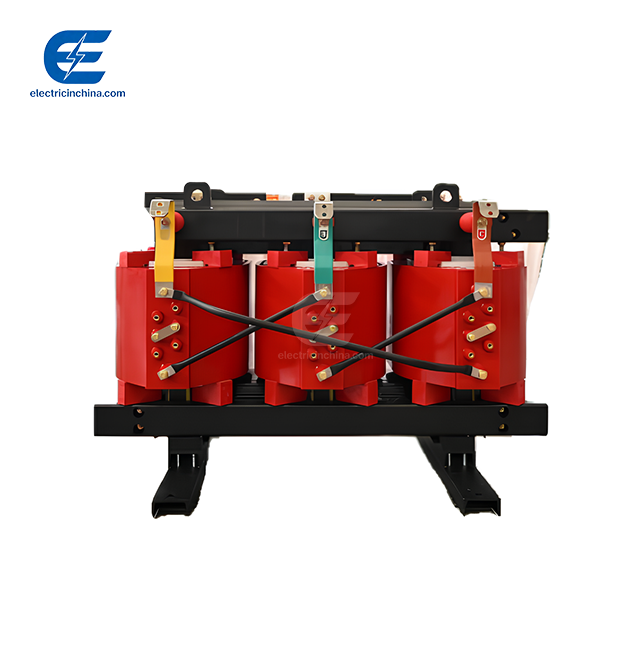
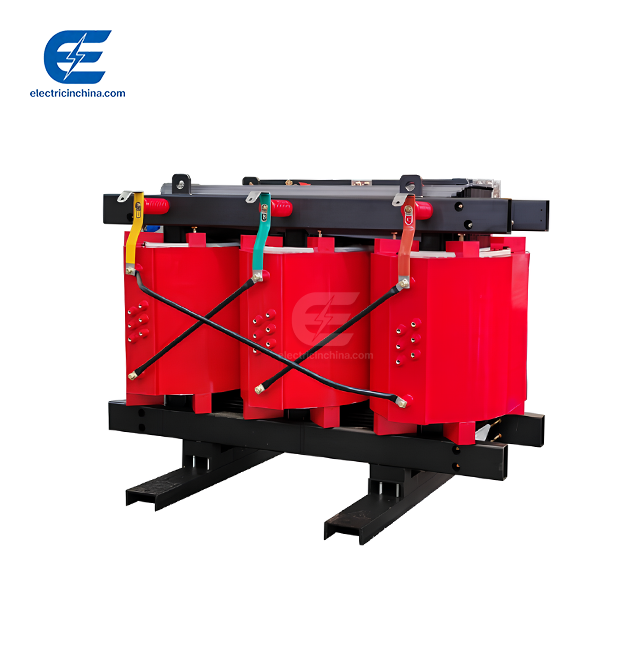
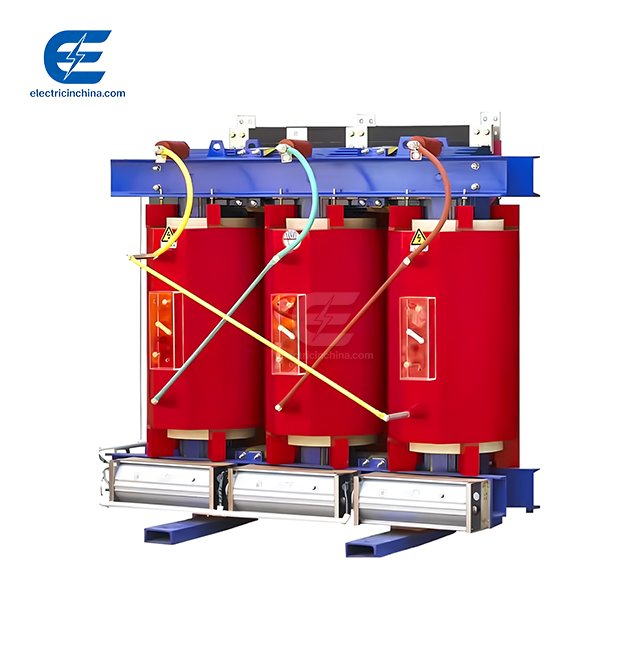
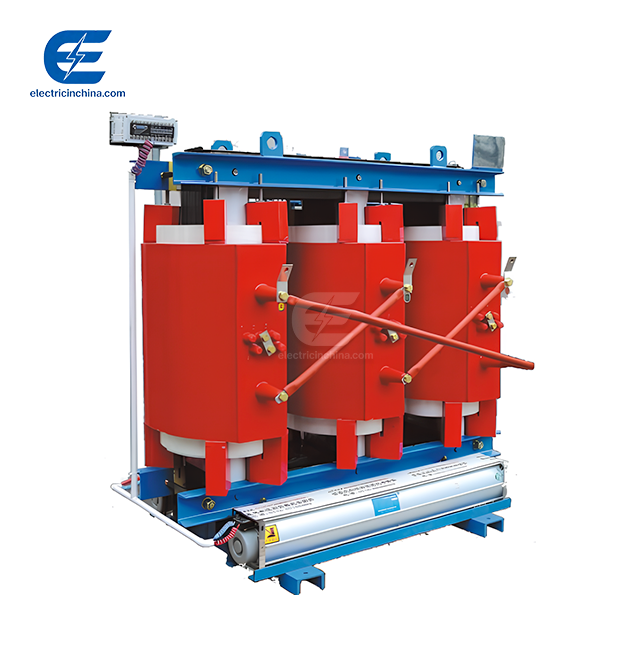
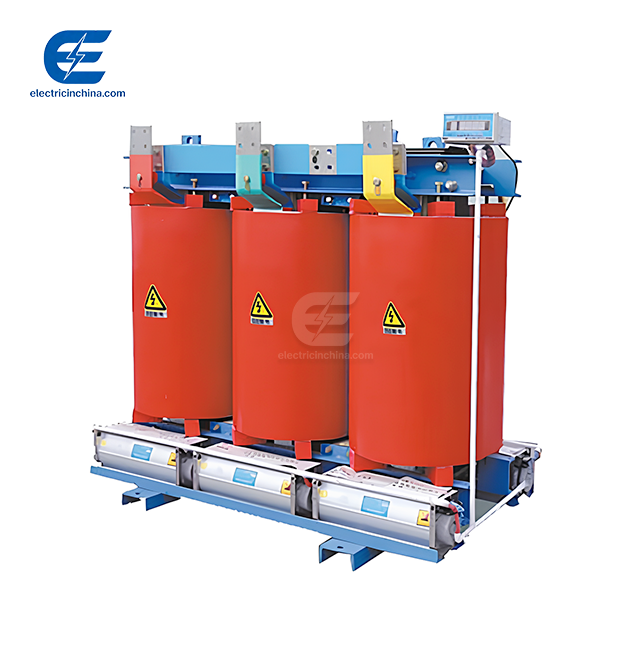
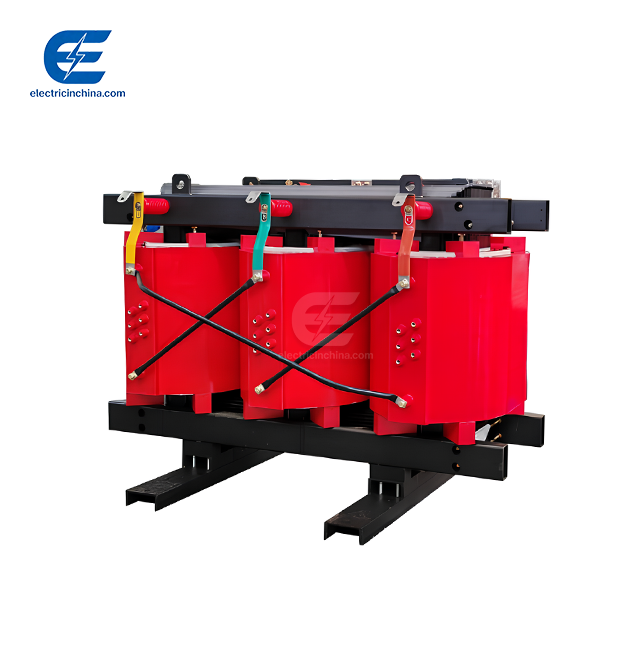
Conventional oil-filled transformers are not as safe, efficient, or reliable as cast resin transformers for solar uses. The epoxy resin covering on the SCB12 Cast Resin PV Transformer makes it stand out. It protects against flames and doesn't need any upkeep for more than 25 years. These dry-type transformers have power capacities from 30KVA to 2500KVA and efficiency ratings above 98.5%. They eliminate fire hazards, lower lifecycle costs by 40–60%, and perform better in demanding solar installations. This makes them the first choice for government projects, commercial developers, and EPC contractors looking for certified, long-term power solutions.
Introduction to Cast Resin PV Transformers and SCB12 Series
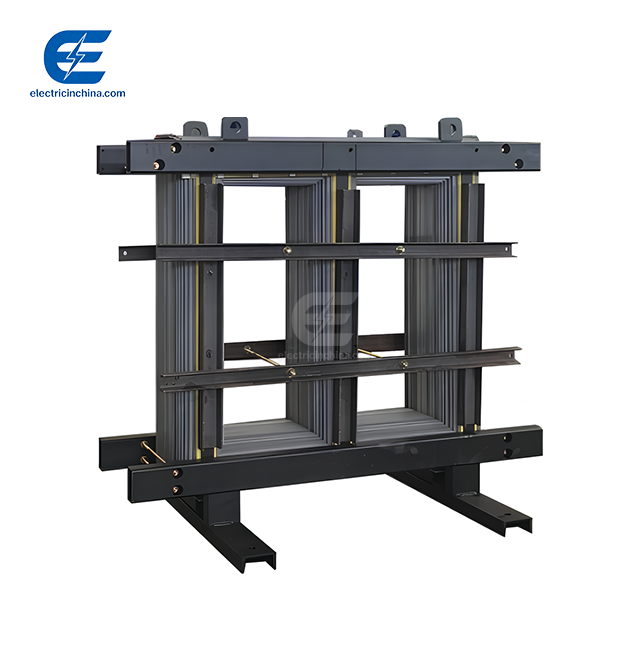
Cast resin transformers are a big step forward in the technology used to change power in green energy systems. Instead of using oil-immersed models, which can be dangerous for both fire and the environment, these dry-type units protect their windings with improved epoxy glue. This design completely changes how solar systems handle safety, upkeep, and how well they work.
The SCB12 Cast Resin PV Transformer is designed to meet the special needs of photovoltaic uses. When you use solar power, you have to deal with changing loads, harmonic distortion from inverters, and tools that can handle being outside in challenging weather. Our engineers designed the SCB12 Cast Resin PV Transformer with these exact needs in mind. They drew on 18 patents and more than 20 years of experience in the field.
Why Cast Resin Technology Is relevant for Solar Projects?
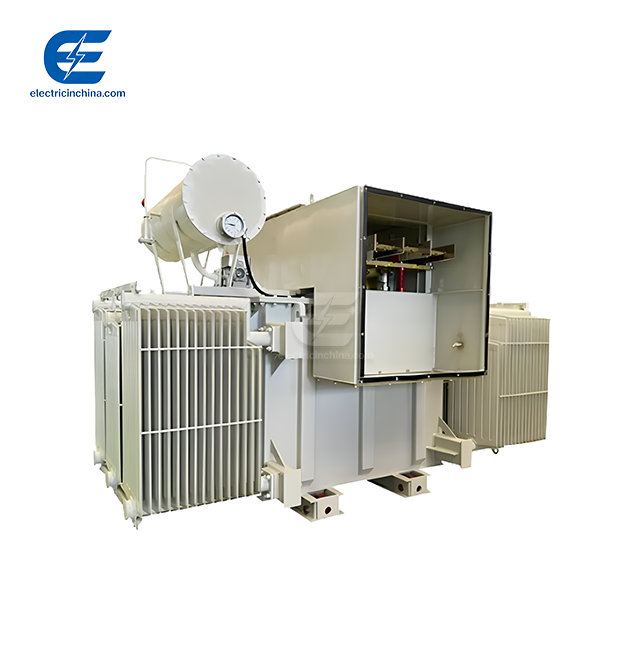
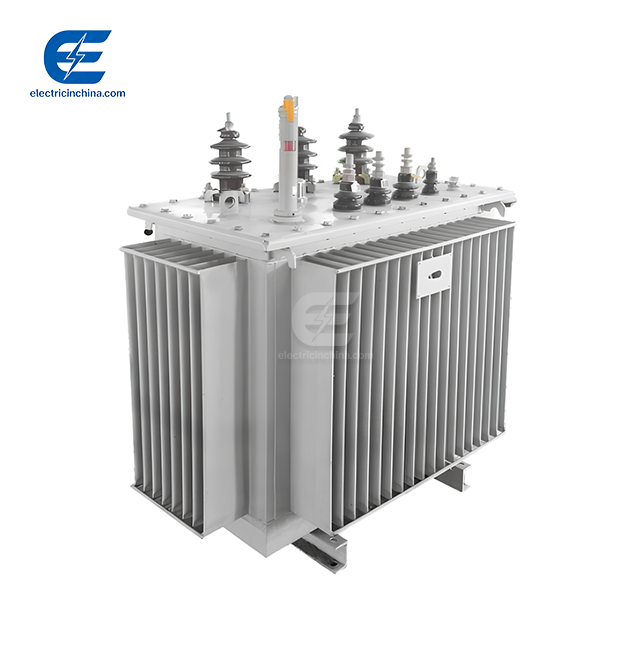
Using old transformers that are filled with oil causes problems that are at odds with today's goals for green energy. Leaking oil pollutes the groundwater and dirt, which is detrimental for the climate. Fire risks require pricey control devices and make insurance rates go up. Maintenance tasks like oil samples, cleaning, and dielectric testing add to the ongoing costs of running a business.
Cast plastic technology completely takes care of these worries. The solid concrete insulation system stops fires from spreading and doesn't have any liquids that can catch on fire in it. Because of this built-in safety, you can install them right at load centers without needing special fire protection equipment. Moisture resistance goes up to 100% humidity tolerance, which means that the machine can be turned back on right away after being turned off without having to dry out first. This is a giant benefit for setups in coastal or wet climates.
Market Relevance for B2B Procurement
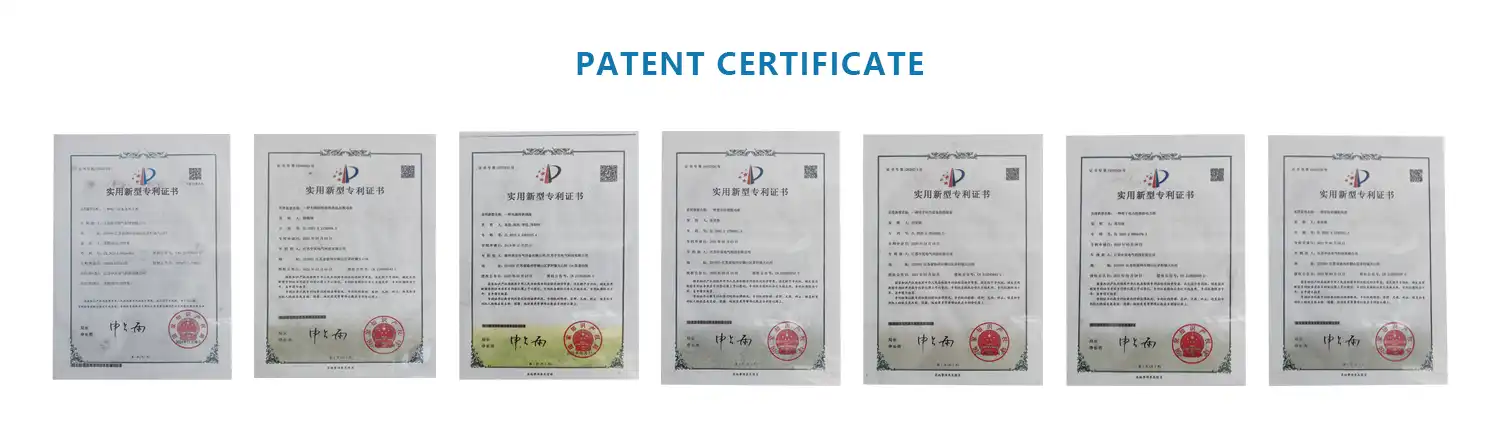
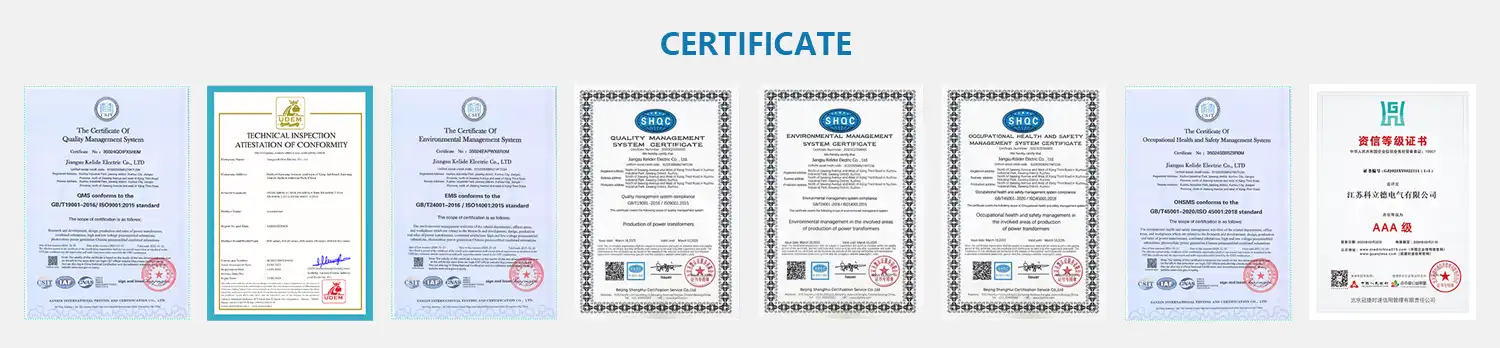
EPC contractors, business developers, and industrial makers give more weight to suppliers who have worked on similar projects before and are technically strong. These standards are met by the SCB12 Cast Resin PV Transformer, which has several foreign certifications, such as ISO 9001, ISO 14001, and OHSAS 45001. Our National CCC Mandatory Certification shows that we meet strict quality standards.
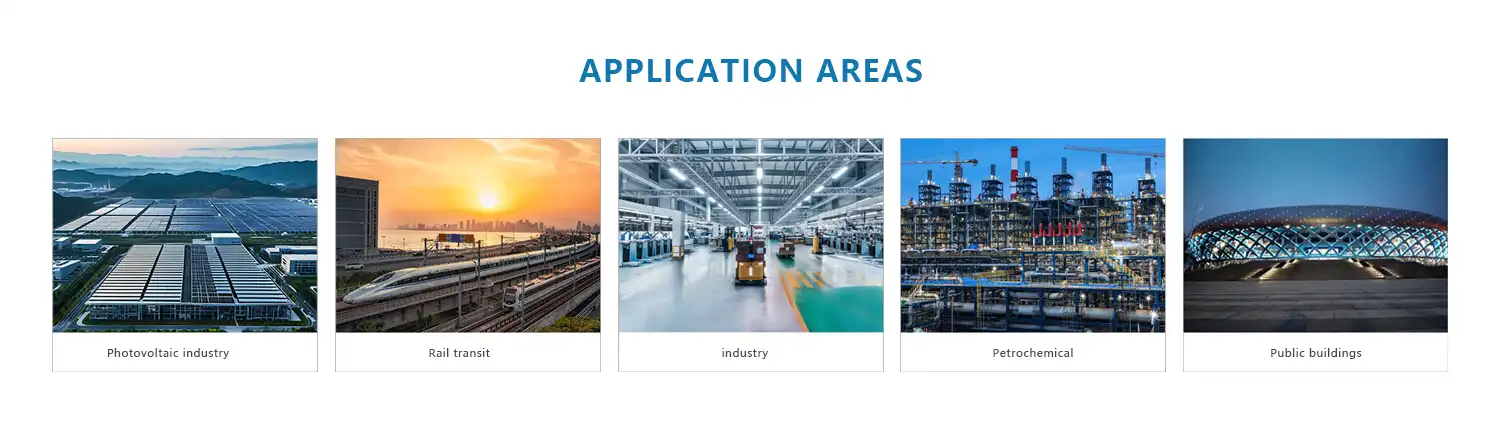
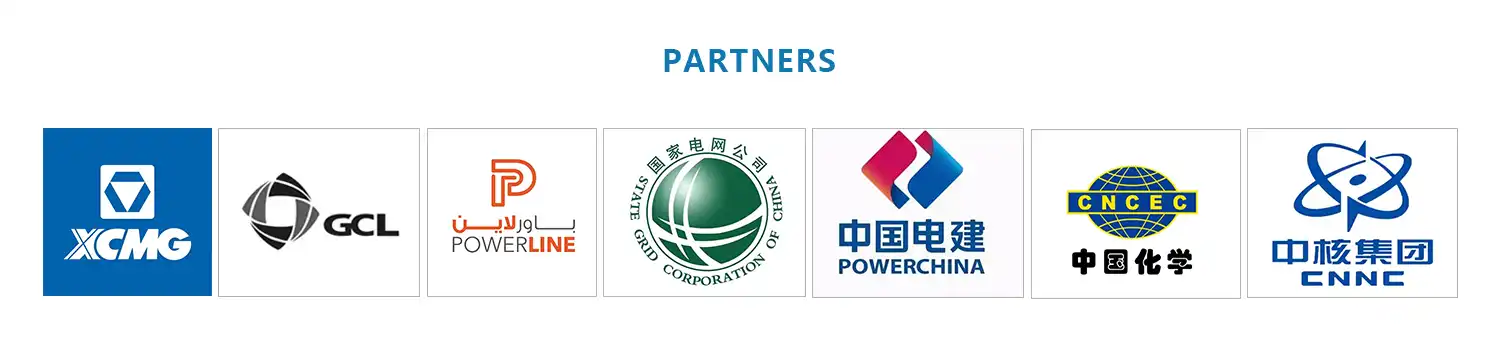
Our ability to provide unique solutions for difficult needs is shown by projects like the Xuzhou Rail Transit Network Control Center and the GCL Photovoltaic Industrial Park. We used a dual-circuit power source design for tube operations as an example of the high standards of stability we keep for all of our work. When procurement pros look at long-term supplier partnerships, these real-world projects show that the suppliers have a history of success.
Key Technical Advantages of SCB12 Cast Resin PV Transformers
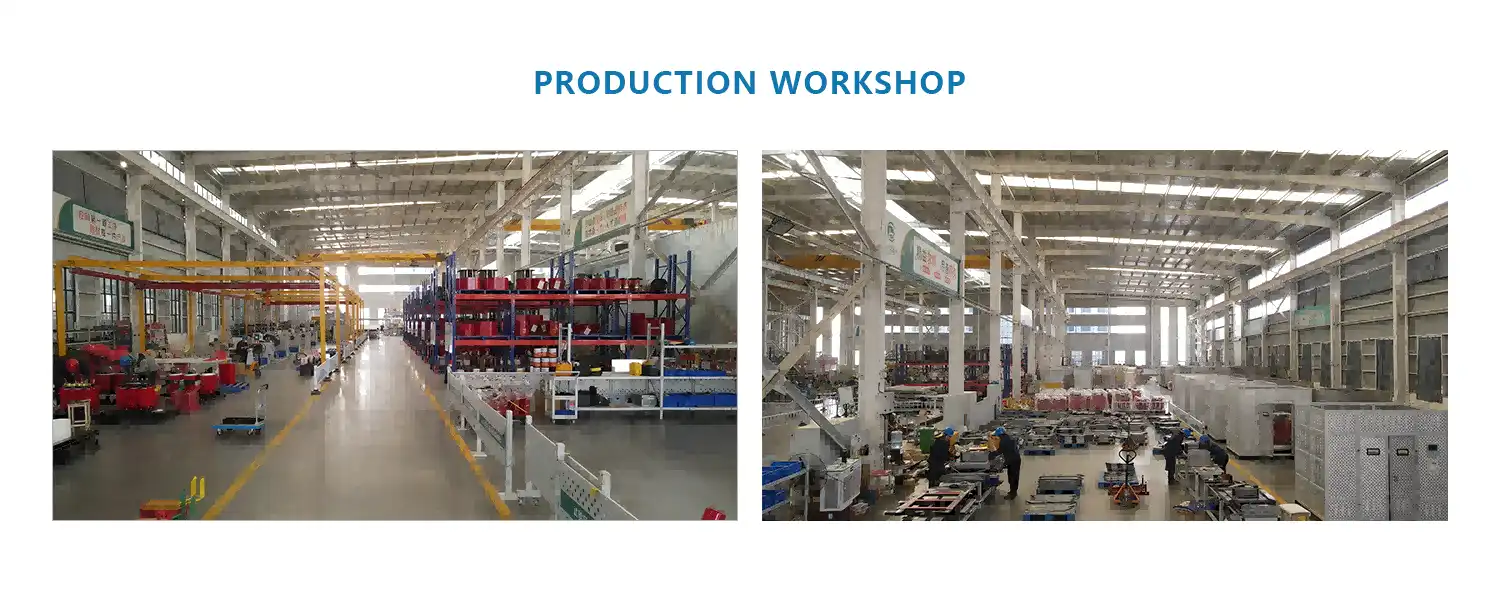
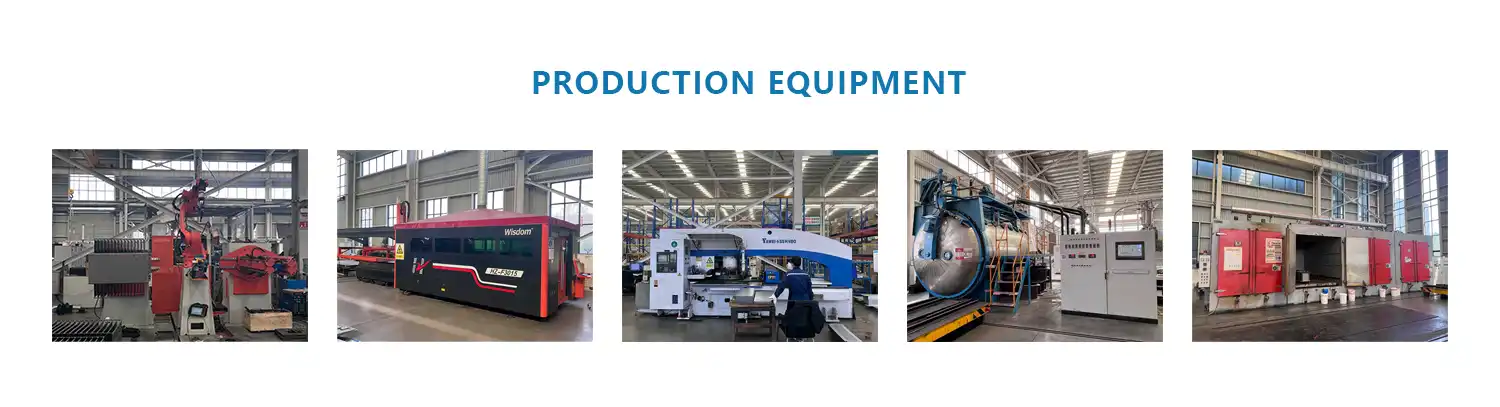
When compared to past transformer generations and competing technologies, the SCB12 Cast Resin PV Transformer performs much better thanks to its mechanical innovations. We bought modern manufacturing tools like CNC automatic wrapping machines, static vacuum casting systems, and microcomputer-controlled gradient curing ovens to make sure that all of our production runs are accurate and consistent.
Superior Insulation and Safety Performance
The coating of epoxy resin gives it great dielectric strength while keeping its flame-retardant qualities. Our materials have insulation class F/H grades (155°C/180°C), which means they can work reliably in a wide range of temperatures. Partially discharged levels stay below 10pC, which is much lower than industry standards. This means that the insulation will last longer and that there is a lower chance of failure.
The benefits for fire safety go beyond the qualities of the materials. Tests done by outside parties have shown that our cast plastic transformers are self-extinguishing and don't track. In other words, the units won't let the flame spread even if something goes wrong. It's easy to install these transformers on city rooftops or near homes because local fire rules usually don't have as many limits on them as they do on oil-filled equipment. Because of this lower danger, insurance companies often offer lower rates for projects that use dry-type technology.
High Efficiency and Energy Conservation
Ratings of efficiency higher than 98.5% are more than just technical details; they mean big savings in running the business. Think about a 1000KVA unit that runs at full load for 8000 hours a year. The 1.5% difference in loss between our 98.5% efficient cast resin model and a 97% efficient oil-immersed transformer saves about 120,000 kWh over the unit's 25-year life. At normal business energy prices, this efficiency benefit pays for a big chunk of the initial equipment cost.
Both no-load and load losses are kept to a minimum by our core materials and coil configurations. The special laminations stop eddy currents from forming, and our improved conductor size matches the amount of current with how well it handles heat. Our 15 top engineers have developed advanced modelling methods that ensure every design works as efficiently as possible within its rated capacity range. Because of this level of technical rigour, our transformers always perform better than GB/T 10228 standards and continue to do so even as they age.
Environmental Sustainability and Regulatory Compliance
For renewable energy projects to work, the equipment needs to be environmentally friendly. Cast plastic transformers don't have any dangerous fluids inside, so they don't pollute the land or water at any point during their lifetime. When they are no longer needed, you can easily separate and recycle the materials. Copper windings, silicon steel cores, and plastic parts can all be reused in standard ways.
We design our goods to meet global procurement requirements by following IEC 60076 worldwide standards and unique regional requirements. Cast resin technology is environmentally friendly, which helps projects seeking LEED certification or similar green guidelines. Our ISO 14001 environmental management certification shows that our company is dedicated to reducing the damage we do to the environment in every step of our activities, from getting raw materials to delivering finished goods.
Comparison and Selection Guide: SCB12 vs Other Transformers
When making a purchase choice, it's helpful to know how the SCB12 Cast Resin PV Transformer stacks up against other technologies and models. When engineering teams are looking at different transformer choices, they need to know about the technical trade-offs, the costs, and how the transformer will work in different situations.
SCB12 vs SCB10 and SCB13 Series Explained
Age and efficiency class are indicated by numerical names. Due to their newer core materials, SCB13 models are more efficient than SCB10 models, which use older technology and have higher losses. Modern speed at a reasonable price makes the SCB12 Cast Resin PV Transformer the ideal choice. The SCB13 generation charges more.
The SCB12 Cast Resin PV Transformer uses superior resin compositions and twisting processes than its SCB10 predecessors. These innovations reduced waste by 10–15% while lowering production costs. Compared to SCB13 models, performance is just 2% to 3% greater, but price disparities are often beyond 15% to 20%. Due to its value, the SCB12 Cast Resin PV Transformer is ideal for projects with limited budgets that demand performance.
Dry-Type vs Oil-Immersed: Total Cost of Ownership Analysis
The initial buying price is only one part of an investor's transformer investment. A full analysis of the costs over the whole life cycle shows where cast resin dry-type units are the most cost-effective option. Transformers that are submerged in oil need systems for containment, oil replacements, yearly tests, and eventually disposal as toxic waste. Over 25-year service terms, these ongoing costs can be significant.
Different things need very different amounts of maintenance. There should be visible checks of oil-filled units every three months, an oil analysis once a year, filtering every three years, and regular moisture tests. The costs of supplies, labour, and tests add up. Visual checks, thermal imaging scans, and link torque verification are all that cast resin transformers need. These tasks don't take long and don't require any special tools. Based on our study of multiple customer setups, we found that maintenance expenses are 40–60% lower than with oil-immersed alternatives.
Application-Specific Selection Criteria
Different types of projects emphasise different qualities of transformers. Utility-scale solar farms focus on efficiency and over-capacity to capture the most energy from the sun when it shines brightest. Our forced air cooling systems can handle 150% overload, which means they can capture more energy when the weather is right. When it comes to commercial rooftop installations, safety and compactness are more important. Cast resin technology's natural fire protection and smaller size are clear benefits.
Installations in harsh environments, like seaside areas with salt spray, industrial settings with airborne contaminants, and dry regions with very high temperatures, need strong environmental protection. In these situations, cast plastic transformers work very well. The solid insulation doesn't let water in, stops electrical dust from tracking, and can handle changes in temperature that can be hard on oil-filled units. Protection ratings from IP23 to IP54 cover different levels of exposure, and operational temperature ranges from -25°C to +40°C cover most deployment situations worldwide.
Maintenance Tips and Longevity for SCB12 Cast Resin Transformers
To get the most out of your service, follow tried-and-true repair procedures tailored to cast resin technology. Even though these transformers don't need as much care as oil-filled ones, skipping simple maintenance speeds up wear and raises the risk of failure.
Routine Inspection Protocols
Visual inspections every three months catch problems as they start to grow before they get worse. Inspectors should make sure that ventilation holes aren't blocked, since wind that isn't allowed to run through them slows down cooling and speeds up the breakdown of insulation. Checking connections for discolouration shows hotspots caused by loose terminations. You can fix this common issue by tightening to the manufacturer's recommended torque values.
Every year, thermal imaging studies look for changes in temperature that could mean there are problems inside. Comparing the temperature trends of different stages shows imbalances that could mean there are problems with the windings or the core. Our technical support team provides repair staff reference thermal profiles and threshold rules that help them correctly read infrared scans.
Trending data is set by checking insulation resistance every three years. For healthy units, measurements should be more than 1000MΩ at 2.5kV. If the numbers drop over time, it means that wetness is getting in or the insulation is breaking down, which we need to look into. During plant acceptance testing, our quality control lab does these checks. This gives us a starting point for comparing data points as the generator works.
Troubleshooting Common Operational Issues
Unexpected noises often indicate mechanical weakness or core laminate concerns. Tightening accessible gear can fix many vibration-related sounds. If you persist in having sound issues, contact the maker because core issues require expert repair abilities. Our service network responds rapidly to diagnosis requests and employs decades of field knowledge to fix issues.
Overheating during regular operation may indicate insufficient airflow or harmonic pressure. Make sure cooling fans work and room temperatures are comfortable to eliminate environmental factors. Harmonic analysis may demonstrate that upstream inverter equipment exceeds expectations, requiring either a load modification or transformer replacement with higher K-factor units. For harmonic-intensive applications, we stock K-4 through K-13 transformers.
Trip events require systematic investigation
Trip events need to be looked into in a planned way. By looking at utility problem records, you can tell if outside events caused the safety relay to work. A study of the load profile shows if temporary overloads went over the maximum capacity. Our transformers can handle 25 times their rated current for 2 seconds, which is a lot of short-circuit protection. However, long-term overloads finally set off protection. Figuring out the root cause stops the problem from happening again and tells you if you need to make changes to how things are done or buy new tools.
Warranty Coverage and After-Sales Support
Full insurance coverage shows that the maker trusts the product's dependability. Our normal warranty includes problems with the way the product was made and failing materials for five years after it has been put into use. There are choices for longer warranties that meet the unique risk management needs of customers for important installations.
In addition to guarantee terms, our after-sales service infrastructure offers expert support, access to extra parts, and help with field service. We have more than 120 sets of specialised manufacturing tools that allow us to make replacement parts that exactly match the original specs. This vertical integration makes sure that parts will be available for as long as the device is in use. This keeps the equipment from becoming obsolete, which can happen when a company stops making a product or leaves the market.
Technical training classes help repair teams for customers get better at working with cast resin transformers. For example, our engineers hold classes on-site that teach people how to check, diagnose, and fix problems. Building up internal capabilities makes you less reliant on outside service providers and speeds up the time it takes to solve problems.
Strategic Procurement Insights for SCB12 Cast Resin PV Transformers
Technical requirements, business terms, and seller skills must all be balanced for procurement to go well. Purchasing experts can make the most of complicated buying processes when they understand how markets work and what factors should be used for evaluation.
Identifying Reliable Manufacturers and Suppliers
Due to its low prices and technical expertise, China is a top producer of cast plastic transformers. However, provider quality varies greatly. The manufacturer's credentials indicate their skills and dependability. ISO 9001 certification indicates quality management systems, while ISO 14001 and OHSAS 45001 certifications indicate environmental and worker safety concerns.
The technical capability review examines engineering tools and IP. We have 15 senior engineers and 30 intermediate techs with planning experience. Our 18 patents demonstrate our innovation in winding, cooling, and insulation. They demonstrate our technical prowess. Factory visits reveal how skilfully they create goods and how tight their quality control is, unlike licences.
Project references verify supplier performance in real life. Finishing hundreds of power projects like rail transit systems, company buildings, and industrial parks proves we can handle complex installations. Talking to current customers gives you an unbiased assessment of a supplier's speed, quality, and problem-solving ability, which helps you choose.
Pricing Dynamics and Lead Time Expectations
Cast plastic transformer prices depend on size, voltage class, customisation, and order volume. Standard units with standard voltage ratios are cheapest. Specialised designs demand more technical work and tools; hence, they cost more. Because we're efficient at creating things, we can provide inexpensive costs on large quantities without sacrificing quality, unlike smaller vendors.
Wait periods range from 6 to 12 weeks, depending on specs and production queue. Standard configurations ship in 6–8 weeks, while customised units requiring additional tests can take 10–12 weeks. Our inventory management maintains popular rates on hand to speed product delivery during project deadlines. Clear production cycle communication lets consumers know how things are progressing and helps staff plan.
Logistics planning significantly impacts landing costs. Container optimisation reduces freight costs. Our technical team optimises transport dimensions to maximise container use. Foreign deliveries are easier with help with export documentation, customs clearance, and shipment coordination. Tracking deliveries and preventing issues helps prevent project delays.
Customization Options and Technical Support
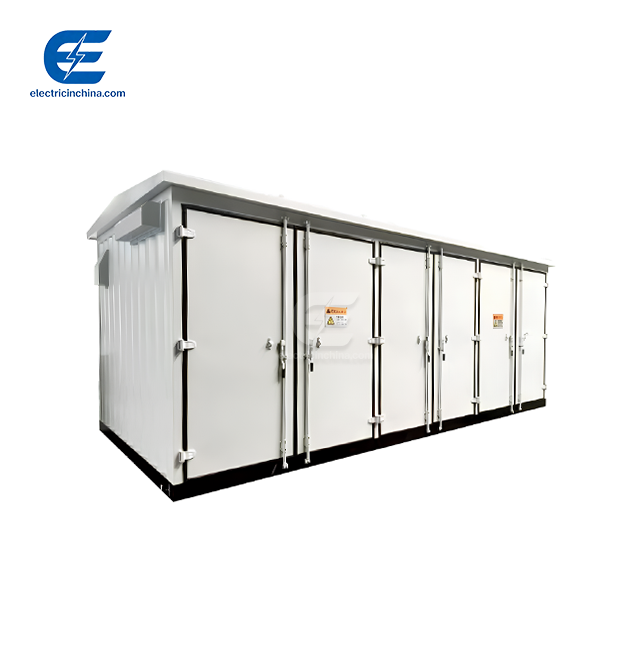
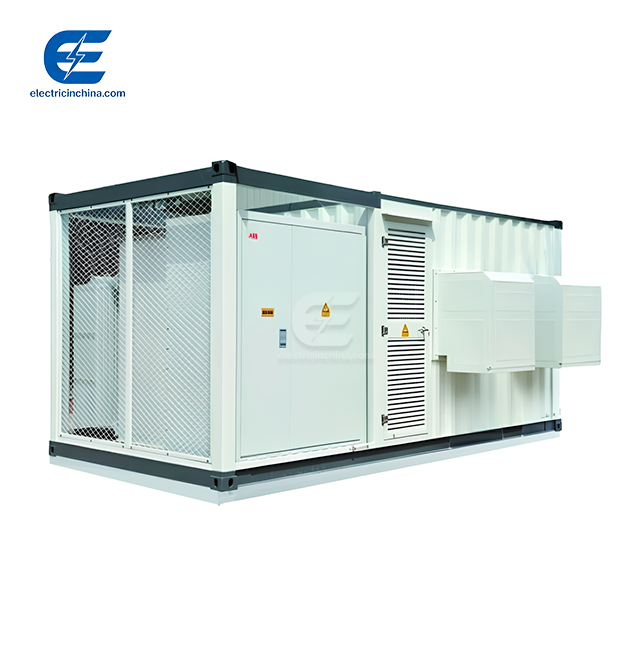
Standard transformer setups might not be able to meet all the technical needs of solar systems in the best way. We can make changes to voltage ratios, resistance levels, connection groups, tapping ranges, and container designs to fit the needs of each project. By integrating smoothly with PV inverter outputs and local grid needs, stable parallel operation is guaranteed, and worries about compatibility are taken away.
Technical help goes beyond just giving you tools. During project planning, our experts help with application engineering by helping to choose the right transformer settings for the site conditions and load characteristics. We look at electrical single-line designs, make sure that protections work together, and suggest changes to the setup that will make the system work better. We are more of a technical partner than just a seller because we take a strategic approach that adds value beyond the actual tools.
Installation assistance services speed up completion and lower the risks of starting up. Our field service experts oversee the installation process, make sure the wiring is correct, follow the rules for factory acceptance testing, and teach site staff how to do their jobs. This hands-on work makes sure that transformers are properly set up before they are put into service and that customer teams know how to keep them well throughout their useful life.
Conclusion
In conclusion, cast plastic PV transformers have a lot of great benefits that make them perfect for current solar projects. The SCB12 Cast Resin PV Transformer directly addresses safety issues with flame-retardant epoxy insulation, lowers lifecycle costs by running without any upkeep, and maximises energy harvesting with an efficiency of over 98.5%. These transformers are the best choice for government facilities, business developments, and industry sites because they have a small footprint, don't harm the environment, and have been proven to work reliably in tough conditions. Our many certifications, large collection of completed projects, and strong technical support system give procurement workers the peace of mind they need when choosing long-term source relationships. Looking at the total cost of ownership instead of the purchase price shows that cast plastic technology is very valuable over 25 or more years of use.
FAQ
What voltage levels do SCB12 Cast Resin PV Transformers come in?
Standard main voltage levels range from 10kV to 35kV, which meets the needs of most utility coupling applications worldwide. Secondary voltages can be changed to work with different generator outputs or building distribution systems. Our engineering team creates voltage ratios that perfectly match your grid link requirements and the way your PV array is set up. This makes sure that the power transfer and safety work together perfectly.
How do cast resin transformers perform in extreme weather?
It doesn't affect the performance of the solid fibreglass insulation system when the temperature is between -25°C and +40°C. When the humidity level hits 100%, the moisture resistance stops the tracking and flashover problems that happen with other types of insulation. The sealed cast resin windings are not affected by salt fog, industrial contaminants, or UV light. This makes these transformers perfect for seaside, desert, and industrial settings where regular equipment breaks down quickly.
Can your transformers handle harmonic distortion from PV inverters?
Of course. We use K-factor values from K-4 to K-13 to deal with the harmonic currents that modern converter technology creates. Specialised core materials and winding configurations that have been tested and approved by IEEE C57.110 standards make sure that the motor works reliably when it is loaded in a way that isn't linear. This engineering stops standard transformers from burning and breaking down too soon when they are exposed to inverter harmonics. This protects your investment for the full 25 years it is supposed to last.
Partner with Tuojie for Your Next Solar Transformer Project
Tuojie is ready to help you with your solar installation by providing approved, high-performance cast resin transformers that are built to last and work well. Advanced epoxy resin technology and excellent manufacturing skills are combined in our SCB12 Cast Resin PV Transformer. This is backed by ISO 9001 quality management and more than 20 years of successful project performance. As a reliable SCB12 Cast Resin PV Transformer maker, we offer flexible voltage options, quick lead times, and full expert help from the design stage all the way through commissioning. Our engineering team works directly with EPC contractors, developers, and corporate clients to come up with power solutions that meet the exact needs of each project. You can email us at tuojie@electricinchina.com or go to electricinchina.com to talk about the specifications of your transformer, get competitive bulk prices, and get access to full technical documentation that speeds up the buying process.
References
1. International Electrotechnical Commission (IEC), "Power Transformers – Part 1: General", IEC 60076-1 Standard, 2011 Edition with amendments.
2. Institute of Electrical and Electronics Engineers (IEEE), "Recommended Practice for Establishing Liquid-Filled and Dry-Type Power and Distribution Transformer Capability When Supplying Nonsinusoidal Load Currents," IEEE C57.110-2018.
3. National Standards of the People's Republic of China, "Dry-Type Power Transformers", GB/T 10228-2008, Chinese National Standards.
4. Kulkarni, S.V. and Khaparde, S.A., "Transformer Engineering: Design, Technology, and Diagnostics." Second Edition. CRC Press, 2013.
5. Heathcote, Martin J., "The J&P Transformer Book: A Practical Technology of the Power Transformer," Thirteenth Edition, Elsevier, 2007.
6. Harlow, James H., "Electric Power Transformer Engineering", Third Edition, CRC Press Power Engineering Series, 2012.